Like
Share
멍실장
강아지 골연골증 증상과 원인, 진단·치료와 관리 포인트 총정리

Canine Osteochondrosis: Symptoms, Causes, Diagnosis, Treatment, and Management Essentials

JointDiseasesMeongsiljang Veterinary Advisory Board

Canine osteochondrosis is a common joint condition in growing large-breed dogs, and early detection along with appropriate treatment are key. Our veterinary advisory team has compiled a comprehensive overview of the causes, symptoms, diagnosis, treatment, and home care strategies.

What is Canine Osteochondrosis?
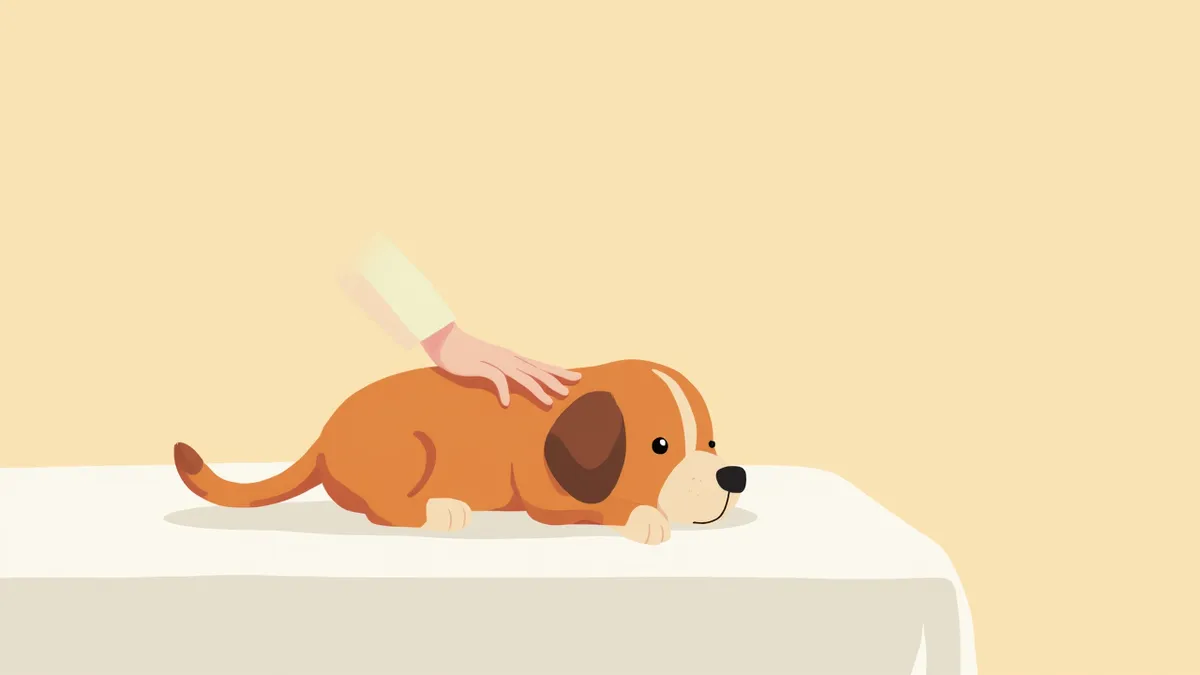
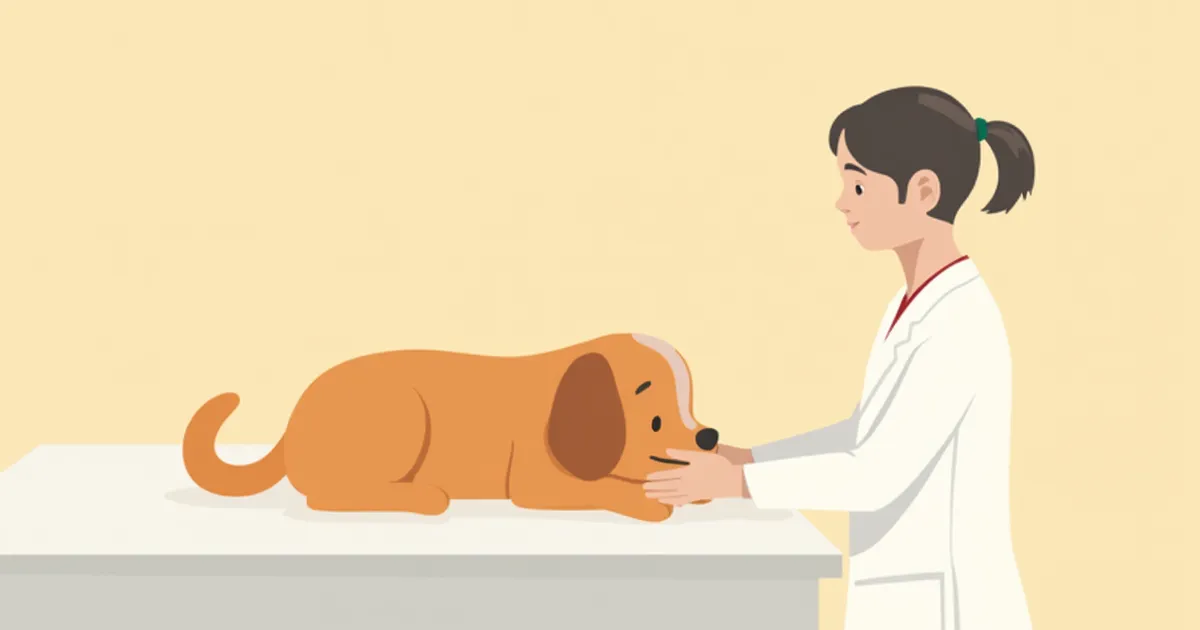
A veterinarian examining a puppy's shoulder joint.
Canine osteochondrosis is a joint condition in which cartilage fails to properly convert into bone during growth, leaving a thickened cartilage plate inside the joint that causes inflammation and pain. It most commonly affects large and giant breed dogs between 6 and 18 months of age, typically involving the shoulder, elbow, knee, or ankle joints. Early detection is crucial. If your dog shows mild limping that persists for more than two weeks, please have them examined by a veterinarian right away.

Causes of Osteochondrosis

Osteochondrosis results from a combination of several factors.
Genetic predisposition: Large and giant breeds such as German Shepherds, Great Danes, and Labrador Retrievers have a higher genetic risk of developing the condition.
Rapid growth: The faster a dog grows, the more likely abnormalities are to occur during the process of cartilage converting into bone.
Nutritional imbalances: An improper calcium-to-phosphorus ratio or excessive consumption of high-calorie food can interfere with cartilage maturation.
Repetitive trauma: Repeated impact can damage the cartilage in the growth plates.

Key Symptoms Checklist

Limping: Your pet may lift one leg or limp, with symptoms worsening after exercise.
Joint swelling: The shoulder, elbow, or knee areas may swell (due to increased joint fluid), and the joint capsule may thicken.
Reluctance to exercise: Your pet may avoid walks or stairs and tire easily.
Pain response: Your pet may flinch or whine when the affected joint is touched.
Abnormal gait or posture: Your pet may shift weight away from the painful leg when standing, frequently change their center of gravity, or struggle to stand up after lying down.
Muscle atrophy: If left untreated, muscle atrophy may progress, causing the muscles on the affected leg to weaken and shrink.
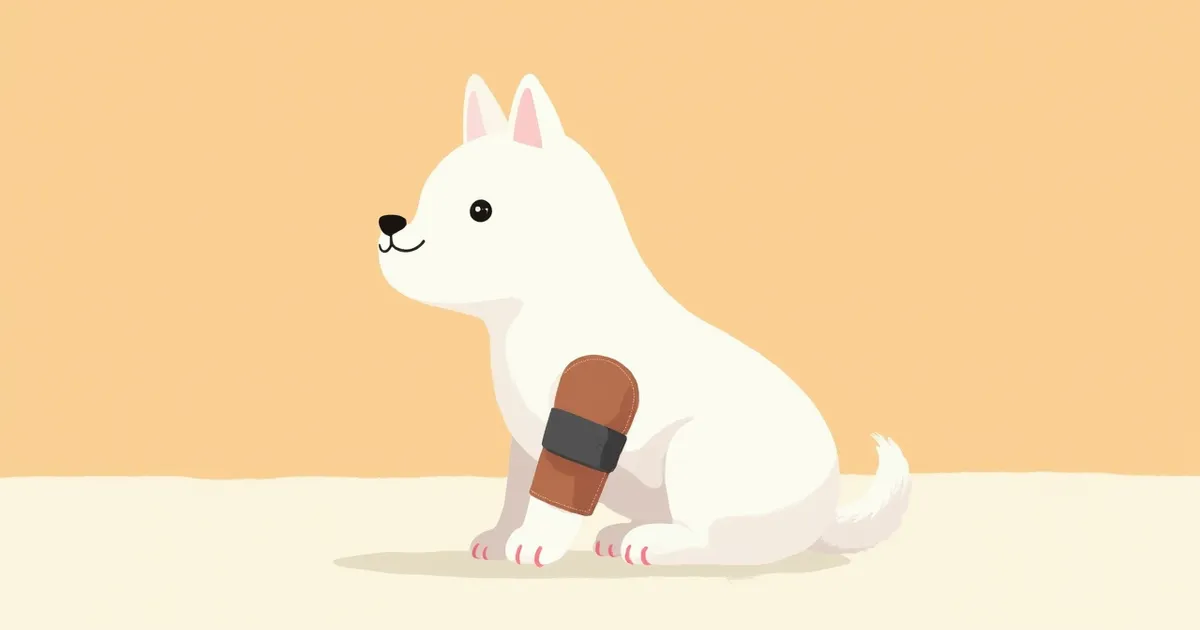
A Golden Retriever puppy limping on its front leg

When to Seek Immediate Veterinary Care

If you notice any of the following symptoms, seek veterinary care within 24 hours. Delaying treatment can lead to irreversible cartilage damage. • Inability to bear weight on the limb, causing the pet to carry it • Severe joint swelling accompanied by heat • Whining or persistent signs of pain even while resting • Lameness lasting more than two weeks or sudden worsening

Diagnosis — How is it Confirmed?

Physical examination: The veterinarian directly assesses joint range of motion, pain response, and muscle condition.
X-ray (radiography): Used to check for thickened cartilage areas or signs of cartilage fragments. In early stages, changes may be minimal.
CT (computed tomography): Provides a more precise evaluation of the extent and location of cartilage damage.
Arthroscopy (joint endoscopy): Allows direct visualization of the joint interior to assess cartilage condition, and in some cases, treatment can be performed simultaneously.

Treatment Options — Conservative vs. Surgical
Conservative (non-surgical) treatment: If the cartilage damage is mild, management involves restricting exercise for 4–8 weeks, along with anti-inflammatory pain relievers and joint supplements. Your veterinarian will create a dosage plan tailored to your pet’s weight.
Surgical treatment: If the torn cartilage fragment (flap) is large or has detached within the joint, it is removed via arthroscopic or open surgery. The postoperative prognosis is generally favorable.
The sooner treatment is decided, the better the prognosis—especially in severe cases or in younger animals.
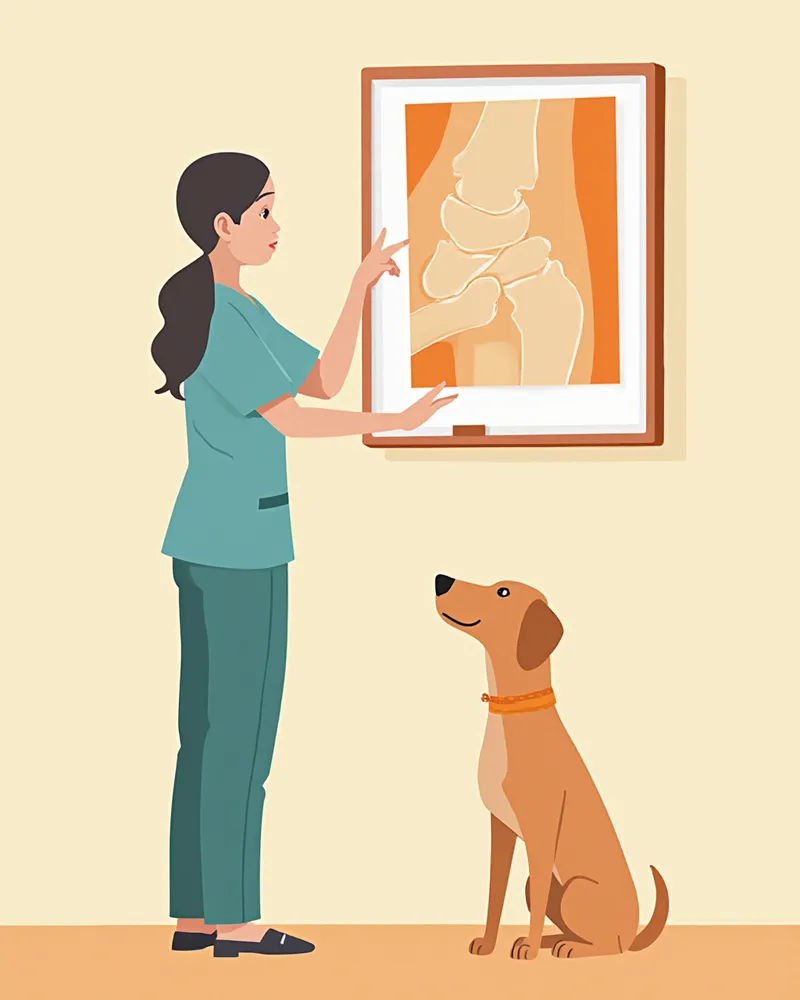
A veterinarian reviewing a dog’s joint X-ray

Home Care Management Tips

Weight Management: Obesity increases stress on the joints, so maintaining a healthy weight is essential.
Exercise Control: During treatment, avoid strenuous exercise and gradually increase short walks on flat ground.
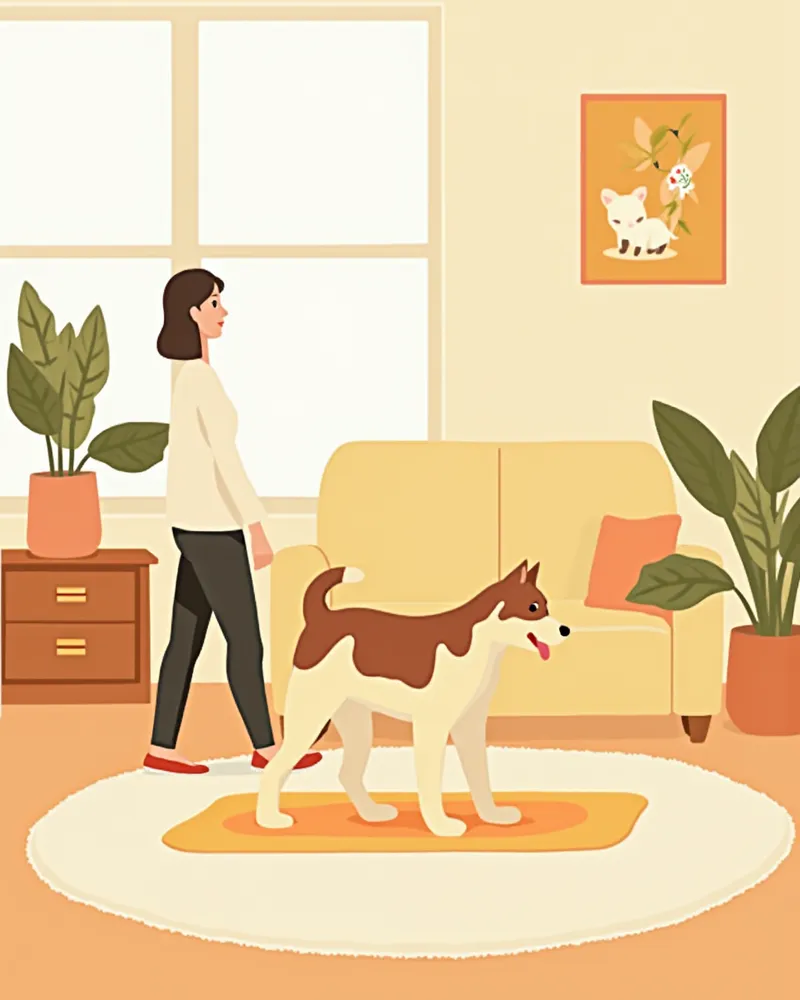
Slip Prevention: Slippery floors can put extra strain on the joints, so use mats or carpets to provide traction.
Joint Supplements: Glucosamine and omega-3 fatty acids should be given under veterinary guidance.
Regular Check-ups: Having joint follow-up exams every six months helps detect recurrence early.
A large breed dog walking comfortably on a non-slip mat

Essential Information for Owners of High-Risk Breeds

German Shepherds, Great Danes, Bernese Mountain Dogs, Labrador Retrievers, Golden Retrievers, and Rottweilers are particularly prone to this condition. If you have one of these breeds, it’s important to start regular joint exams at six months of age and feed a large-breed puppy formula during growth to maintain the proper calcium-to-phosphorus ratio. Until your dog reaches 12 months, minimize jumping and strenuous exercise as much as possible.

Reviewed by a veterinarian

Dr. Tony — Punnawat Phongkittirak

Dr. Tony — Punnawat Phongkittirak

Veterinarian

A veterinarian who majored in veterinary medicine at Khon Kaen University, Thailand, and completed the IVSA program at North Carolina State University in the United States. Drawing on clinical experience at animal hospitals, he works in the pet healthcare field and is dedicated to building a digital care environment that connects pet parents with veterinarians.

Frequently Asked Questions

Can canine osteochondrosis be completely cured?
Removing cartilage fragments through surgery can restore near-normal joint function in most cases. However, if joint degeneration has already progressed, ongoing management will still be necessary afterward.
What happens if we don’t perform the surgery?
In mild cases, conservative treatment can lead to improvement, but if left untreated, loose cartilage fragments within the joint can act as foreign bodies (joint mice), leading to the progression of osteoarthritis. Since osteoarthritis is irreversible and progressive, early management is crucial.
Which breed is at the highest risk?
It occurs most frequently in large and giant breeds such as German Shepherds, Great Danes, Labrador and Golden Retrievers, and Rottweilers. The condition primarily affects large-breed dogs during their rapid growth phase, when their skeletons are still immature, and it often develops in both joints simultaneously.
Does every dog that limps have osteochondrosis?
Not necessarily. There are many other possible causes, such as patellar luxation, hip dysplasia, and growth plate injuries. An accurate diagnosis requires a physical examination and imaging tests by a veterinarian.
Is there a way to prevent it?
While complete prevention is difficult, the best approach is to feed large-breed-specific puppy food to maintain a proper balance of nutrients such as calcium and phosphorus, avoid strenuous activities like jumping during the growth period, and schedule regular veterinary check-ups for early detection.

Share

Related Guides

References

[1] Textbook of Veterinary Orthopaedic Surgery. Chapter: Retention of Cartilage Core / Osteochondrosis. (RAG source: textbook_of_veterinary_orthopaedic_surgery_0424, 0440)

[2] Ramsey I. Notes on Canine Internal Medicine, 4th Ed. Wiley-Blackwell, 2017. (RAG source: notes_on_canine_internal_medicine_4th_ed_0538, 0547)

[3] Kushwaha RB, Aithal HP, Amarpal, Kinjavdekar P, Singh GR, Pawde AM, Varshney VP, Setia HC. Clinical, radiographical and haematobiochemical changes in growing dogs with retained cartilage core. The Indian Journal of Veterinary Surgery, 2006.

This information is based on veterinary literature and does not replace diagnosis or treatment. Please consult a veterinarian for specific health concerns.

Metapet Co., Ltd. | CEO: Park Sung-yong | Business Reg. No. 417-88-02562 | Seoul, South Korea | Customer Center

Canine Osteochondrosis: Symptoms, Causes & Treatment Guide | Meongsiljang