Like
Share
멍실장
강아지 이부프로펜중독 증상과 응급 대처법, 위험 섭취량과 예방까지 총정리

If Your Dog Ingested Ibuprofen — Poisoning Symptoms, First Aid, and Dangerous Dosages

Emergency/ToxicityDiseasesMeongsiljang Veterinary Advisory Board

Ibuprofen poisoning in dogs is a medical emergency that can severely damage the gastrointestinal tract and kidneys, even in small amounts. Prompt treatment immediately after ingestion is crucial for a positive prognosis.

What Is Ibuprofen Poisoning in Dogs?
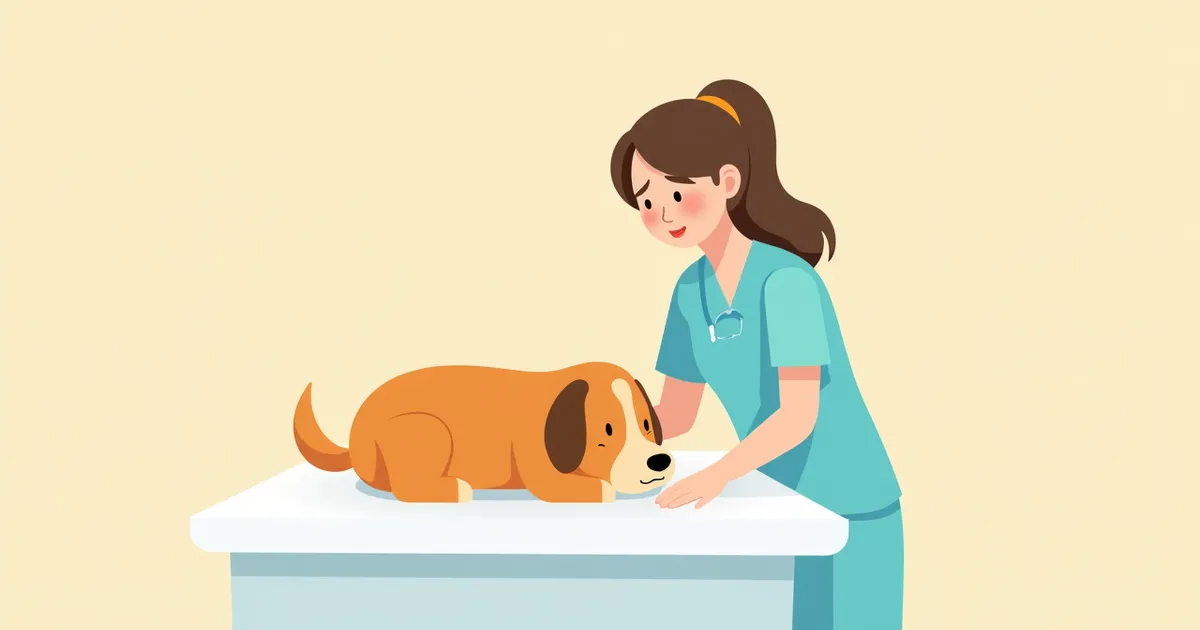
A veterinarian examining the abdomen of a dog with ibuprofen poisoning.
Ibuprofen poisoning is a medical emergency in dogs that occurs when they ingest human ibuprofen, a nonsteroidal anti-inflammatory drug (NSAID) used as a fever reducer and pain reliever, leading to severe toxic effects on the gastrointestinal tract and kidneys. Early intervention is critical. Because ibuprofen is rapidly absorbed in the stomach, reaching peak blood concentrations within 15 minutes of ingestion, inducing vomiting is typically effective only if done within 30 minutes. However, if a large amount has been swallowed, the medication may form a mass in the stomach, so inducing vomiting and administering activated charcoal can still help reduce absorption if performed within 3 to 6 hours. Even small amounts can be dangerous, as dogs are far more susceptible to NSAID side effects than humans; therefore, you should never assume that a small ingestion is harmless.

Why Is Ibuprofen Dangerous for Dogs?

Ibuprofen inhibits the production of prostaglandins, which protect the gastrointestinal mucosa. This action increases stomach acid and reduces the mucus layer and mucosal blood flow, raising the risk of gastric ulcers and kidney damage. Dogs metabolize this drug in the liver through glucuronidation, and some of it is excreted in bile and then reabsorbed through enterohepatic circulation, which can prolong exposure. Chronic intake exceeding 8 mg/kg can cause mild gastritis or gastric ulcers, while acute doses of 50 mg/kg or more significantly increase the risk of gastrointestinal ulcers. Doses over 100 mg/kg can lead to acute kidney injury (kidney failure), and amounts exceeding 400 mg/kg may result in neurological symptoms such as seizures. Puppies, senior dogs, and dogs with weakened kidney or liver function or dehydration can react severely even to smaller amounts.

Checklist of Major Symptoms of Ibuprofen Poisoning

Vomiting and Nausea: These are typically the first signs to appear after ingestion.
Bloody Stool or Black Stool: These indicate damage to the gastrointestinal mucosa and require immediate veterinary attention.
Abdominal Pain: Your pet may avoid having their belly touched or assume a hunched posture.
Lethargy and Loss of Appetite: You will notice a significant decrease in activity levels.
Polyuria and Polydipsia: If the kidneys are damaged, your pet will drink excessive amounts of water and urinate more frequently.
Seizures and Ataxia: High-dose ingestion can lead to neurological symptoms such as tremors, seizures, or unsteady gait.
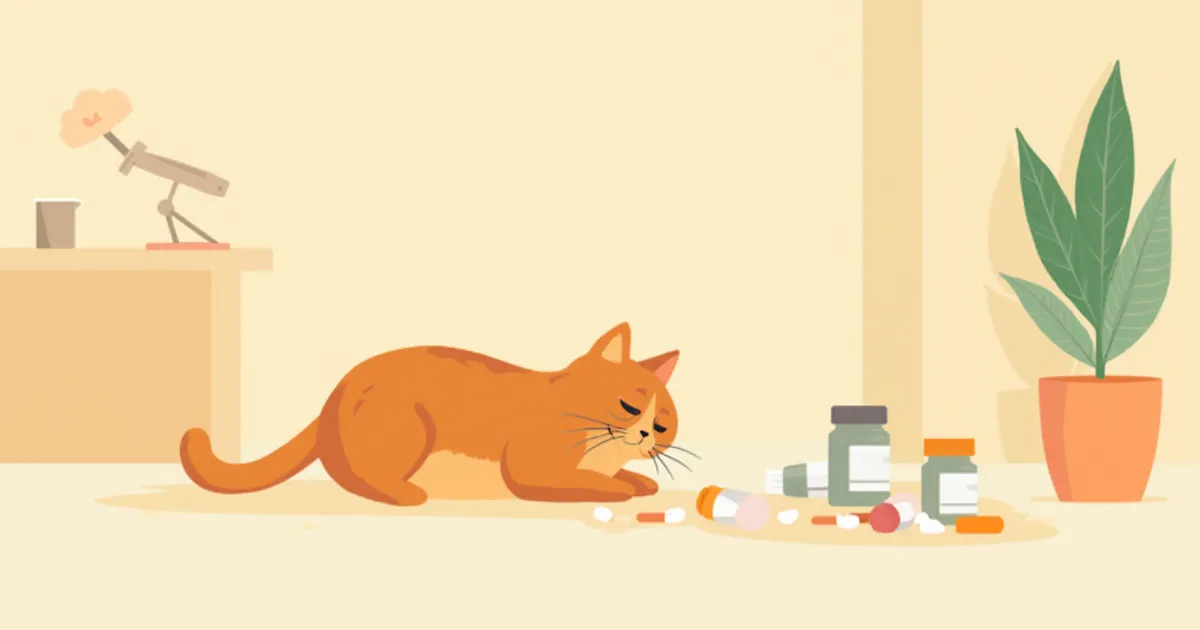
A lethargic dog lying down and showing signs of abdominal pain

Situations Requiring Immediate Emergency Veterinary Care

If you suspect or confirm that your pet has ingested ibuprofen, seek veterinary care immediately, regardless of whether symptoms are present. This is especially urgent for small dogs (under 5 kg) that have consumed one or more tablets, if vomiting, bloody stools, or seizures have already occurred, or if the amount ingested is unknown—delaying treatment can be dangerous. Do not attempt to induce vomiting at home, as improper technique can lead to aspiration.

Diagnostic Methods Used at the Veterinary Clinic

The veterinarian will first determine the type, amount, and time of ingestion of the medication. Blood tests are conducted to assess kidney function markers and liver enzyme levels, while urinalysis further evaluates potential kidney damage. An abdominal ultrasound may also be used to directly examine the gastrointestinal tract and kidneys. If ingestion occurred very recently, inducing vomiting and administering activated charcoal may take priority over diagnostic testing.

Step-by-Step Overview of Ibuprofen Poisoning Treatment
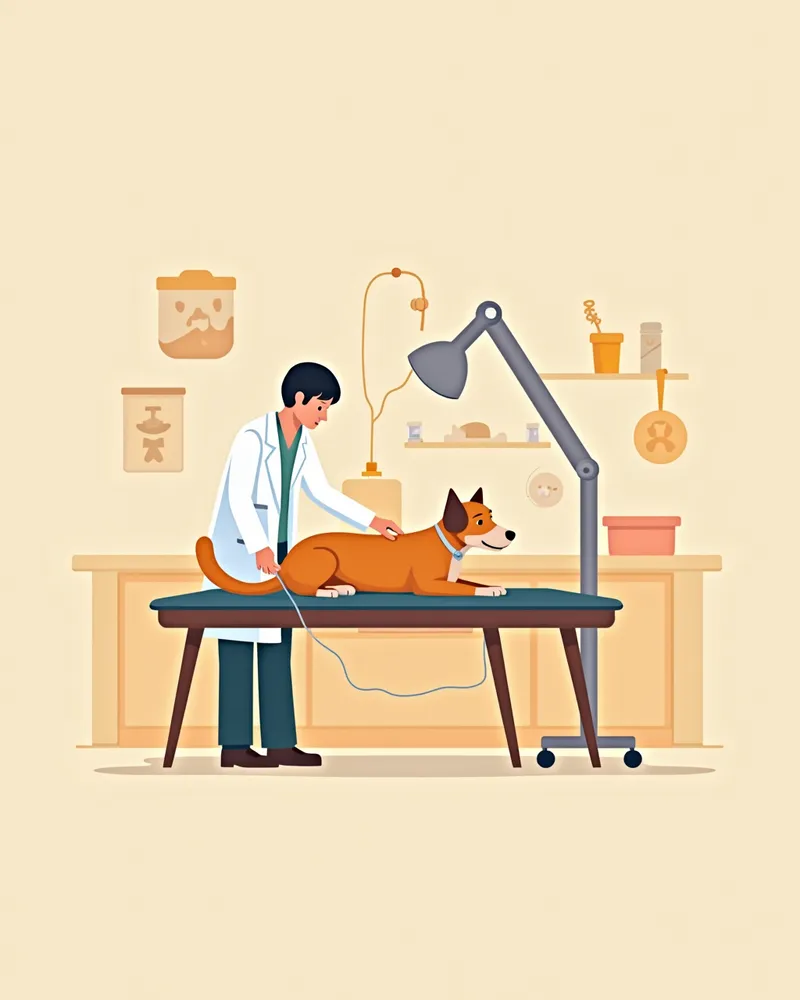
Step 1 — Decontamination: Ibuprofen is rapidly absorbed, so inducing vomiting is typically most effective within 30 minutes of ingestion. However, if a large amount was swallowed, it may form a mass in the stomach, making it reasonable to attempt induction up to 3–6 hours post-ingestion. This is followed by a single dose of activated charcoal (an adsorbent, 1–2 g/kg) administered with a laxative to reduce further absorption. If neurological symptoms are present, do not induce vomiting due to the risk of aspiration; instead, secure the airway and perform gastric lavage.
Step 2 — Fluid Therapy: Intravenous fluids are administered to protect the kidneys and maintain hydration. Starting fluid therapy within 18 hours of ingestion generally leads to a better prognosis.
Step 3 — Gastrointestinal Protection: Administer medications to suppress stomach acid and protect the gastric mucosa.
Step 4 — Renal Monitoring: Repeatedly check blood and urine values (such as BUN and creatinine) to detect and address any worsening of kidney function early.
A puppy receiving intravenous fluid therapy at a veterinary clinic

Post-Discharge Home Care Points

Even after treatment, your pet’s kidney function needs to be monitored for 1–2 weeks. Administer prescribed medications exactly as scheduled, and ensure they stay well-hydrated. If appetite is poor, offer small, frequent meals of easily digestible prescription food. Contact your veterinarian immediately if vomiting, bloody stools, or lethargy recur. During recovery, avoid strenuous exercise and allow plenty of rest.
A puppy recovering at home after treatment

Owners of Small Breeds and Senior Dogs Should Exercise Extra Caution

The lighter the dog, the more severe the ibuprofen toxicity. Small breeds such as Pomeranians, Chihuahuas, and Maltese can reach a dangerous dose with just one common 400 mg tablet. Senior dogs with compromised kidney function are at equal risk. Always store medications in a locked container, and promptly dispose of any empty packaging to keep it out of reach.

Reviewed by a veterinarian

Dr. Tony — Punnawat Phongkittirak

Dr. Tony — Punnawat Phongkittirak

Veterinarian

A veterinarian who majored in veterinary medicine at Khon Kaen University, Thailand, and completed the IVSA program at North Carolina State University in the United States. Drawing on clinical experience at animal hospitals, he works in the pet healthcare field and is dedicated to building a digital care environment that connects pet parents with veterinarians.

Frequently Asked Questions

Is it dangerous if my pet ingests just one ibuprofen tablet?
Yes, even a single ibuprofen tablet (200–400 mg) can cause serious gastrointestinal and kidney toxicity in small dogs. If your dog has ingested any amount, you should take them to a veterinarian immediately.
Should I induce vomiting at home?
We do not recommend that pet owners induce vomiting at home. Improper techniques can lead to aspiration, and if symptoms are already present, it may actually be dangerous. It is best to seek safe treatment at a veterinary clinic.
Can ibuprofen poisoning be recovered from?
If treated quickly, the chances of recovery are high. However, if kidney failure has progressed severely, recovery may be difficult. The speed of initial treatment significantly influences the prognosis.
Are there other painkillers besides ibuprofen that are dangerous for dogs?
Yes, acetaminophen (Tylenol), naproxen, and aspirin are also toxic to dogs. You should only use veterinarian-prescribed pain medications specifically formulated for animals.
If there are no symptoms after ingestion, is it okay?
No, kidney damage may not show symptoms until more than a day has passed. Even if there are no visible symptoms, if ingestion is suspected, it is essential to have your pet checked at a veterinary clinic.

Share

Related Guides

References

[1] Plumb DC. Plumb's Veterinary Drug Handbook, 10th Ed. Wiley-Blackwell, 2023.

[2] Osweiler GD, et al. Blackwell's Five-Minute Veterinary Consult Clinical Companion: Small Animal Toxicology, 3rd Ed. Wiley-Blackwell, 2022.

[3] Schaer M (Ed). Clinical Medicine of the Dog and Cat, 4th Ed. CRC Press, 2022.

This information is based on veterinary literature and does not replace diagnosis or treatment. Please consult a veterinarian for specific health concerns.

Metapet Co., Ltd. | CEO: Park Sung-yong | Business Reg. No. 417-88-02562 | Seoul, South Korea | Customer Center

Dog Ate Ibuprofen? Poisoning Symptoms, First Aid & Toxic Doses | Meongsiljang