Like
Share
멍실장
고양이 심근염 증상과 원인, 진단·치료와 관리 포인트 총정리

If Your Cat Suddenly Becomes Lethargic — Symptoms of Myocarditis and When to Seek Treatment

HeartDiseasesMeongsiljang Veterinary Advisory Board

Feline myocarditis is a condition in which inflammation of the heart muscle impairs cardiac function, making early detection crucial. Although cats may show no symptoms, the disease can progress to heart failure or even sudden death.

What Is Feline Myocarditis?
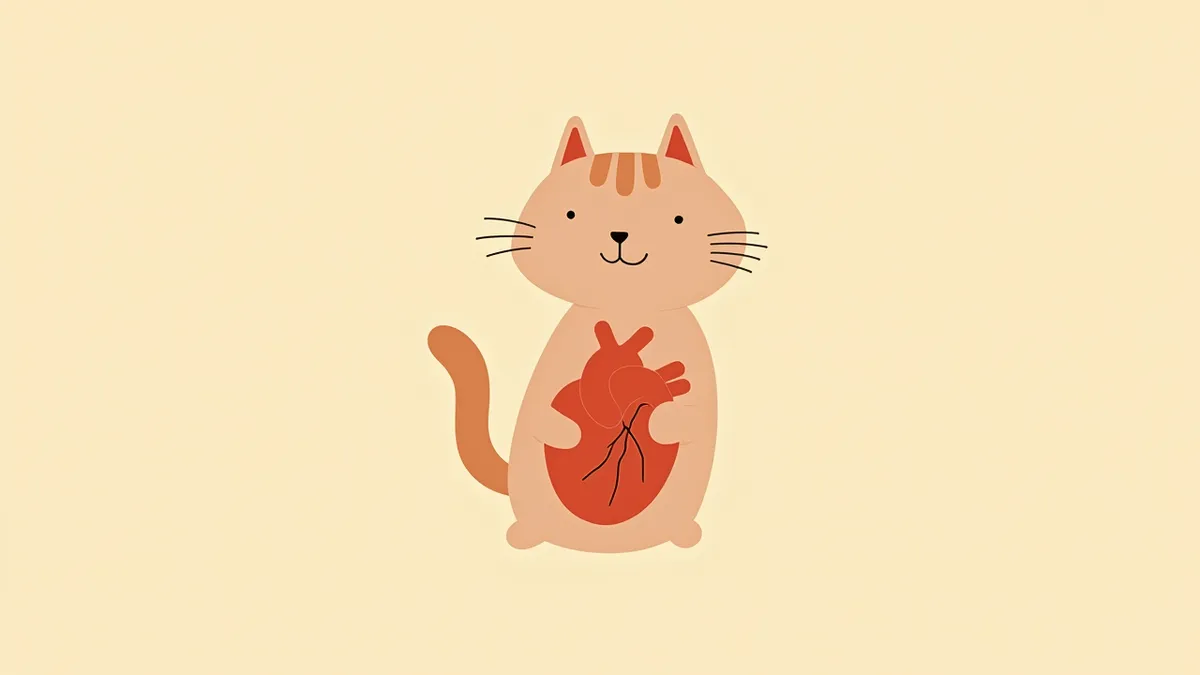
Medical illustration highlighting inflamed heart muscle in a cat
Feline myocarditis is a condition in which inflammation of the heart muscle (myocardium) impairs cardiac function. As inflammation progresses, it can lead to necrosis, degeneration, and fibrosis of the myocardium, potentially compromising the ventricles' ability to contract or relax properly. In the early stages, cats may show no obvious symptoms or only exhibit abnormalities on an electrocardiogram (ECG), making early detection challenging. However, if left untreated, the condition can progress to congestive heart failure. Although myocarditis is relatively rare overall, it is most commonly reported in young adult cats. Damage to the heart muscle reduces its ability to pump blood effectively, which can result in inadequate oxygen delivery throughout the body. This may manifest as decreased activity levels, lethargy, and difficulty breathing. Early diagnosis and consistent management are essential for preserving your cat’s life.

What Are the Main Causes of Myocarditis?

The causes of myocarditis in cats are diverse. The most common cause is viral infection, with feline immunodeficiency virus (FIV) being the most representative, while the coronavirus that causes feline infectious peritonitis (FIP) can also trigger myocarditis. Bacterial infections (such as Streptococcus and Bartonella) and protozoan infections like Toxoplasma can also be culprits. Additionally, autoimmune (immune-mediated) reactions can damage the heart muscle. Factors such as diabetes mellitus, hyperthyroidism, trauma, and stress may predispose cats to myocarditis. Because infection and inflammation gradually impair heart muscle function, identifying the underlying cause is crucial for determining the appropriate treatment plan.
Illustration of a cat with a genetic variation that affects heart function

Main Symptoms and Signs of Myocarditis
Feline myocarditis may present no symptoms in its early stages. However, as heart function declines, the following signs may appear:
Difficulty breathing: Rapid or labored breathing, even at rest.
Increased fatigue: More lethargic than usual and less interested in playing.
Decreased appetite: Eating less or showing discomfort after meals.
Abdominal swelling: Fluid buildup in the abdomen due to heart failure.
Sudden shock or death: Caused by a rapid decline in heart function.
If you notice any of these signs, seek veterinary care immediately.
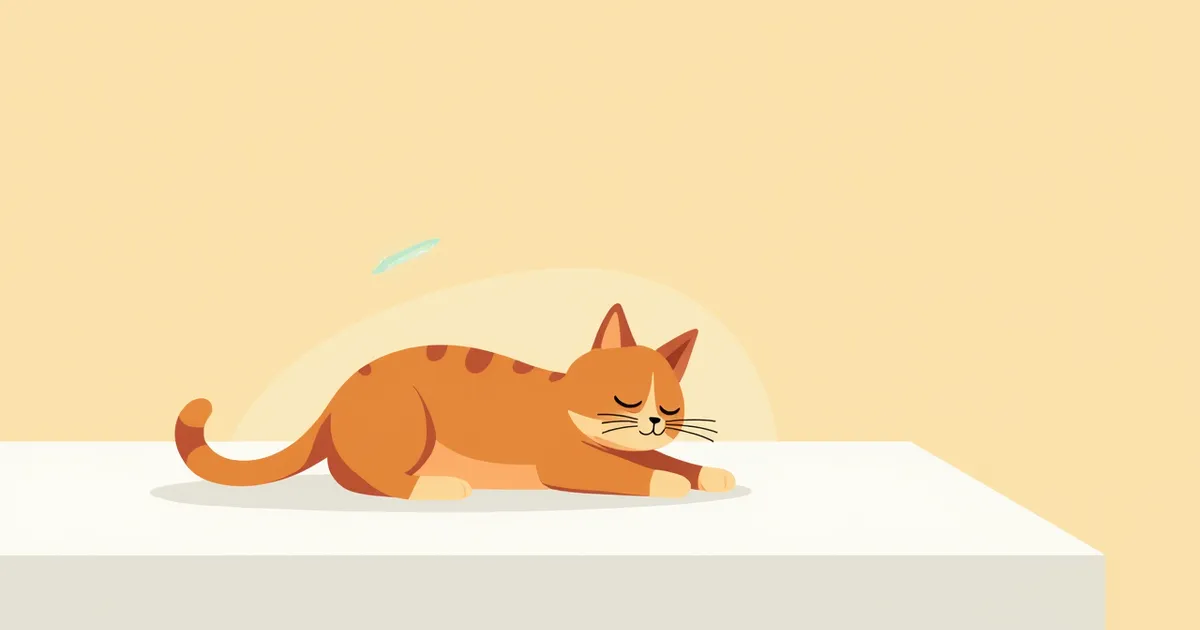
A real-life image of a cat showing signs of respiratory distress

When to Visit the Vet Immediately

If your pet suddenly has trouble breathing, faints, or has an irregular or very rapid heartbeat, you should go to the vet immediately. These could be early signs of heart failure or a heart attack.

Diagnostic Methods for Myocarditis
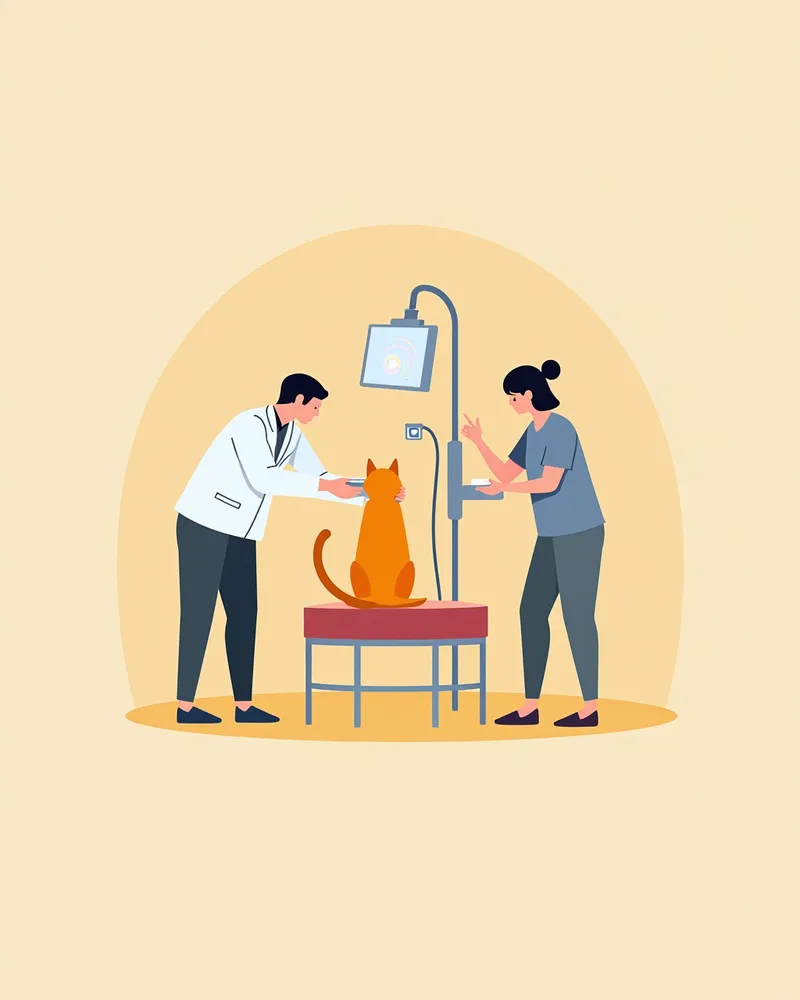
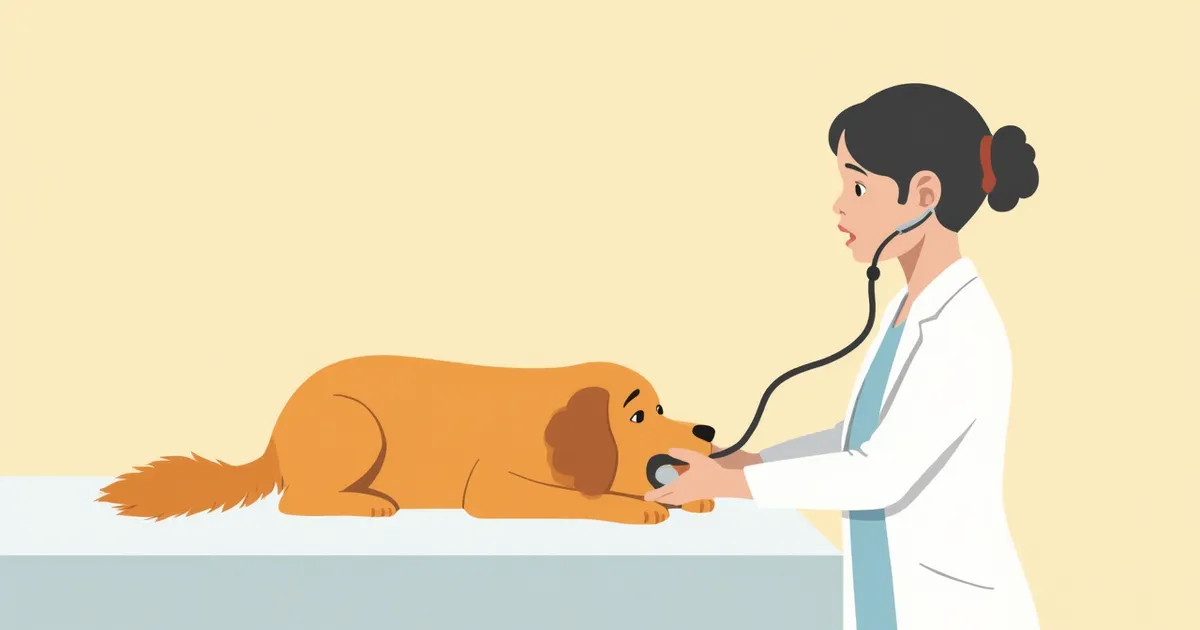
Myocarditis can be asymptomatic or present with vague symptoms, making an accurate diagnosis crucial. Relying solely on chest radiographs often misses cardiac enlargement, so echocardiography is typically used to evaluate myocardial wall thickness, contractility, and the size of the ventricles and atria. An electrocardiogram (ECG) helps identify arrhythmias, and measuring cardiac troponin levels in the blood can aid diagnosis when unexplained arrhythmias are present. Cardiac MRI may also be considered when necessary. Because definitive diagnosis during life is often challenging, myocarditis usually requires a comprehensive analysis of multiple test results rather than a single examination. An accurate diagnosis is the first step in developing an effective treatment plan.
An image of a veterinarian performing an echocardiogram on a cat.

Treatment Methods and Step-by-Step Management of Myocarditis

Treatment for myocarditis is tailored to the underlying cause and severity. First, any identified underlying causes, such as infections, are treated accordingly, while accompanying symptoms of congestive heart failure are managed supportively. Arrhythmias are common in myocarditis; bradyarrhythmias (slow heart rate) often do not respond well to medication and may require a pacemaker, whereas tachyarrhythmias (fast heart rate) are treated based on their specific mechanisms. The goal of treatment is to prevent sudden death, heart failure, and thromboembolism caused by arrhythmias. All medications must be used exactly as directed by a veterinarian, and treatment requires long-term management rather than short-term control.
A realistic image of a cat taking medication

Home Care Points

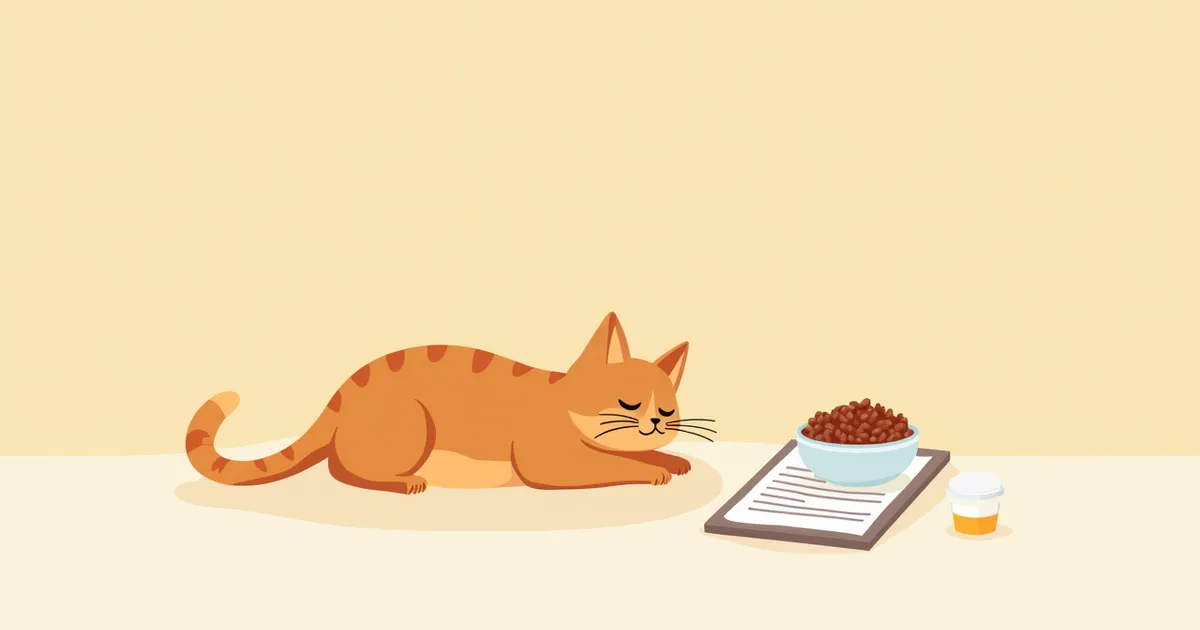
Home care is key to successful treatment for cats with myocarditis. Keep their environment quiet and stress-free, as sudden noises or changes can strain the heart. Feed small, frequent meals, and work with your veterinarian to manage salt and protein intake. Regularly monitor your cat’s weight and breathing to catch any early warning signs. Routine vet visits are essential for adjusting the treatment plan as needed.
A quiet indoor environment where cats can rest comfortably

Breed-Specific Precautions and Prevention of Recurrence

Certain breeds, such as Ragdolls and Maine Coons, have a genetic predisposition, which is known to be associated with cardiomyopathies like hypertrophic cardiomyopathy (HCM), rather than myocarditis. Heart screening is recommended for these breeds. Myocarditis itself is primarily caused by acquired factors such as infections, so infection control and regular veterinary check-ups are important. To prevent recurrence and worsening of the condition, consistent medication adherence under veterinary guidance and proper management of daily habits are essential.

Reviewed by a veterinarian

Dr. Tony — Punnawat Phongkittirak

Dr. Tony — Punnawat Phongkittirak

Veterinarian

A veterinarian who majored in veterinary medicine at Khon Kaen University, Thailand, and completed the IVSA program at North Carolina State University in the United States. Drawing on clinical experience at animal hospitals, he works in the pet healthcare field and is dedicated to building a digital care environment that connects pet parents with veterinarians.

Frequently Asked Questions

Can feline myocarditis be cured?
It depends on the underlying cause. In some cases, such as infections, effective treatment can lead to full recovery. However, if the damage is severe or has become chronic, the focus shifts from a cure to ongoing management. Early detection and consistent care are key to improving the prognosis.
Is myocarditis a common disease in cats?
This is a relatively rare condition overall, and it is known to primarily affect young adult cats. For reference, the well-documented genetic predisposition in Ragdoll cats is associated with hypertrophic cardiomyopathy (HCM), not myocarditis.
What tests are performed when myocarditis is suspected?
We evaluate using echocardiography (ultrasound of the heart), electrocardiogram (ECG), and blood tests (such as measuring cardiac troponin, an indicator of myocardial damage). Your veterinarian will recommend the most appropriate approach based on the situation.
Can myocarditis recur if the medication is stopped?
Medications are tools to help manage symptoms. Stopping them can cause symptoms to worsen, so it’s important to continue giving them as directed by your veterinarian.
Can cats with myocarditis still go for walks or play?
Activity levels should be adjusted based on symptoms. Excessive exercise can put undue strain on your pet, so please consult with your veterinarian to determine appropriate play activities.

Share

Related Guides

References

[1] The Cat, Clinical Medicine and Management, 2nd Edition. Elsevier, 2021.

[2] Clinical Medicine of the Dog and Cat, 4th Ed. Elsevier, 2020.

[3] Small Animal Critical Care Medicine, 3rd Ed. Elsevier, 2019.

This information is based on veterinary literature and does not replace diagnosis or treatment. Please consult a veterinarian for specific health concerns.

Metapet Co., Ltd. | CEO: Park Sung-yong | Business Reg. No. 417-88-02562 | Seoul, South Korea | Customer Center

Feline Myocarditis: Symptoms & When to Seek Treatment | Meongsiljang