Like
Share
멍실장
강아지 목 디스크(경추 IVDD) 증상과 치료

Symptoms and Treatment of Canine Cervical Disc Disease (Cervical IVDD)

JointDiseasesMeongsiljang Veterinary Advisory Board

Our veterinary advisory team has compiled a comprehensive guide covering the causes, symptoms, diagnosis, conservative and surgical treatments, and rehabilitation for canine cervical disc disease (cervical intervertebral disc disease).

What Is Canine Cervical Disc Disease?
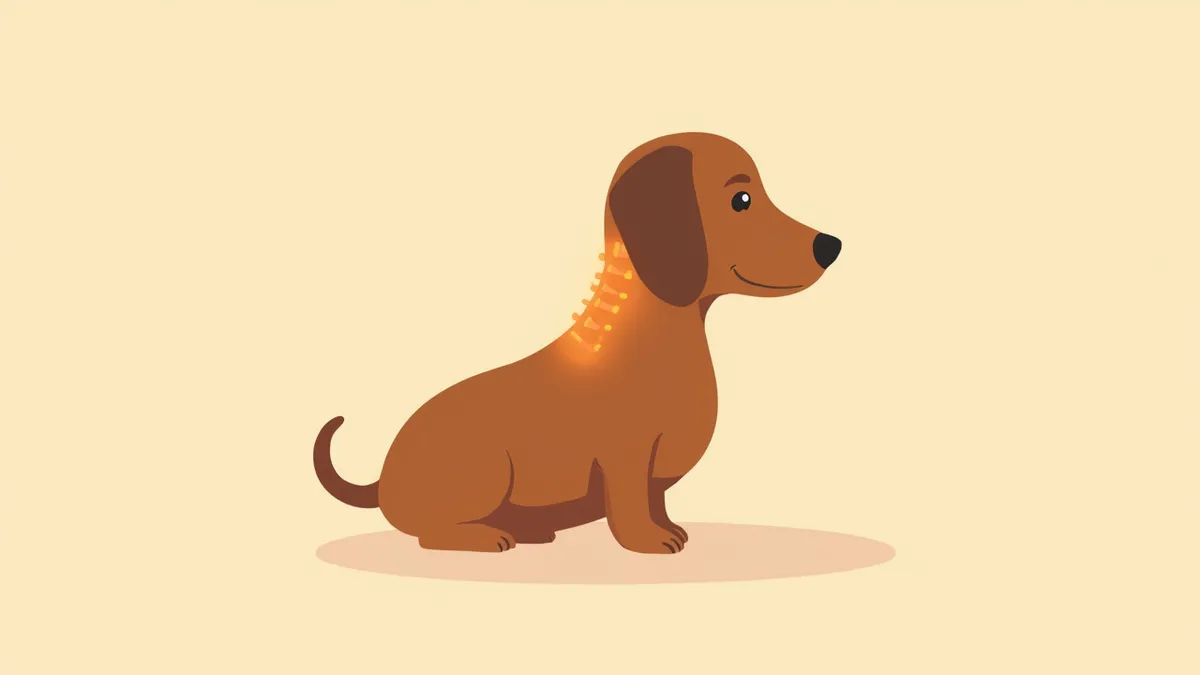
An image showing the cervical spine region of a dog with its neck held stiffly upright.
Canine cervical disc disease occurs when the discs (intervertebral discs) between the vertebrae in the neck degenerate and compress the spinal cord. Typical symptoms include sudden inability to move the neck or severe pain that causes the dog to cry out when touched. Discs act as shock-absorbing cushions between the vertebrae. When a disc is damaged, the inner material can herniate and press on the spinal cord. Because cervical (neck) disc disease can affect the front legs, its symptoms differ from those of lumbar (lower back) disc disease.

Why Does Cervical Disc Disease Occur?

Intervertebral disc disease is broadly categorized into two types. The first is acute disc extrusion. The inner material of the disc loses moisture, becomes calcified and hardened, and then suddenly ruptures outward, exerting severe pressure on the spinal cord. This condition occurs at a relatively young age in chondrodystrophic breeds—those with short legs and long bodies—such as Dachshunds, Shih Tzus, Beagles, and Cocker Spaniels, compared to other breeds. The second is chronic disc protrusion. In this type, the outer layer of the disc gradually bulges, slowly compressing the spinal cord. It is most commonly seen in large-breed dogs or senior dogs, with symptoms progressing gradually over several months.

Cervical Disc Disease Symptom Checklist

According to veterinary neurology textbooks, the hallmark signs of a cervical disc disease include:
Severe neck pain: The neck is so painful that even light touch or movement can cause crying out. This is the most common and characteristic symptom of cervical disc disease.
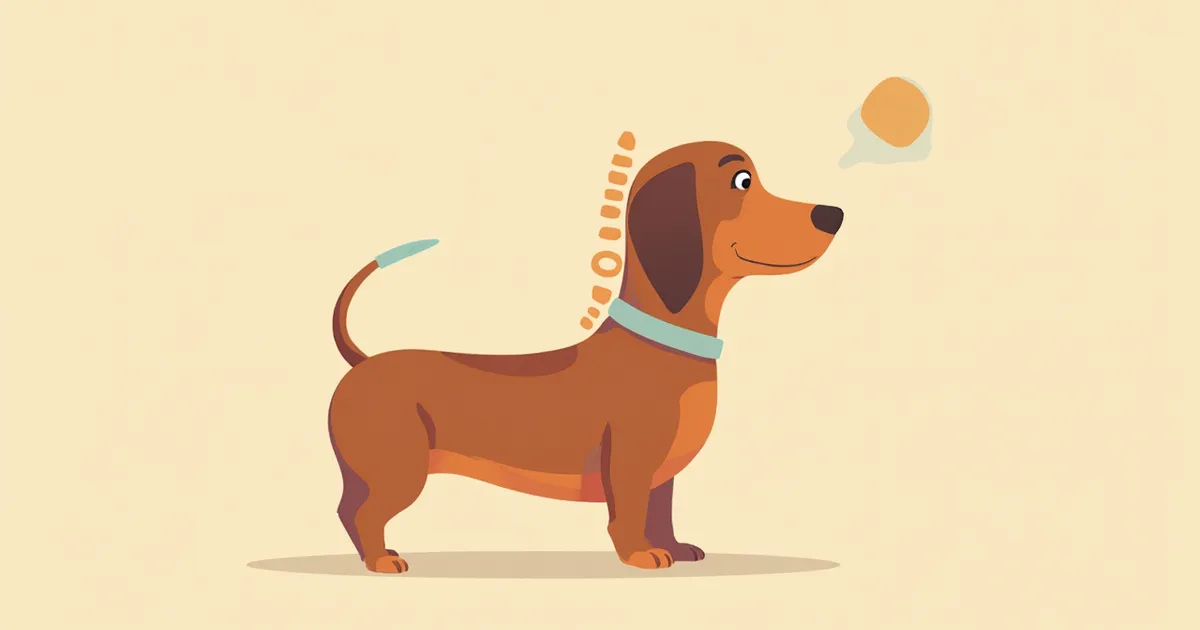
Reluctance to lower the head: The dog cannot bend its head downward and tends to hold it stiffly upward, often struggling to put its head into a food bowl.
Front limb lameness: One or both front legs may appear weak or drag while walking.
Neck muscle rigidity: The muscles around the neck feel hard and stiff, and the dog is unable to turn its head from side to side.
Flinching on touch: Even gentle contact with the neck or shoulder area may cause the dog to pull away or growl.
A dog standing stiffly in front of its food bowl, unable to lower its head.

Seek Immediate Veterinary Care for These Symptoms

If your dog yelps when you touch its neck, suddenly can’t move its front legs at all, or is too weak in all four legs to stand, seek veterinary care immediately. Severe spinal cord compression can lead to paralysis of the limbs. Studies show that non-ambulatory dogs (those unable to walk) have lower recovery rates and a higher risk of recurrence, so don’t delay if pain persists or neurological symptoms worsen. Recovery varies from dog to dog—some fully recover, some partially, and some not at all—so starting diagnosis and treatment as soon as possible after symptoms appear is crucial for improving the chances of recovery.

Diagnosis of Cervical Disc Disease

At the veterinary clinic, neurological exams and imaging studies are performed together.
Neurological examination: We assess the range of motion in the neck, pain responses, and reflexes in the front and hind limbs. This helps us roughly determine which disc is affected.
X-ray: X-rays can reveal narrowing of the disc space or signs of calcification. However, they cannot accurately determine the degree of spinal cord compression.
MRI scan: MRI is the most accurate test for identifying the disc location and the extent of spinal cord compression. It is essential for deciding whether surgery is necessary. If you’d like to learn more about MRI, check out our Dog MRI Exam Guide.

Treatment Options – Conservative Treatment and Surgery
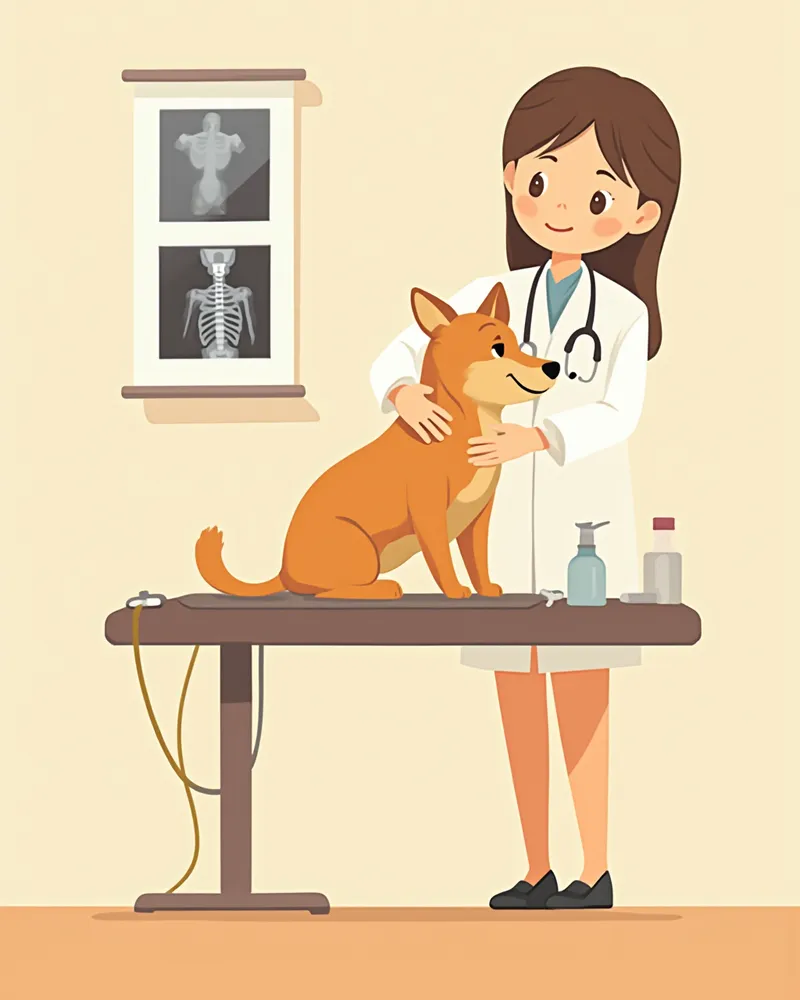
Treatment for intervertebral disc disease is divided based on the severity of symptoms.
Conservative treatment: This is attempted first when the dog experiences pain but can still walk. According to veterinary internal medicine textbooks, the success rate of conservative treatment is reported to be between 82% and 100%. Strict exercise restriction is maintained for 4 to 6 weeks, while the veterinarian prescribes anti-inflammatory and pain-relieving medications based on the dog’s weight.
Surgical treatment: Surgery is considered if pain persists or neurological symptoms worsen. A common surgical method is ventral decompression, which involves accessing the front of the neck to remove the protruding disc material and relieve pressure on the spinal cord. It is reported to have a lower recurrence rate compared to conservative treatment.
A veterinary clinic examination room where a veterinarian is checking a puppy’s neck and spine.

Post-Treatment Home Care and Rehabilitation
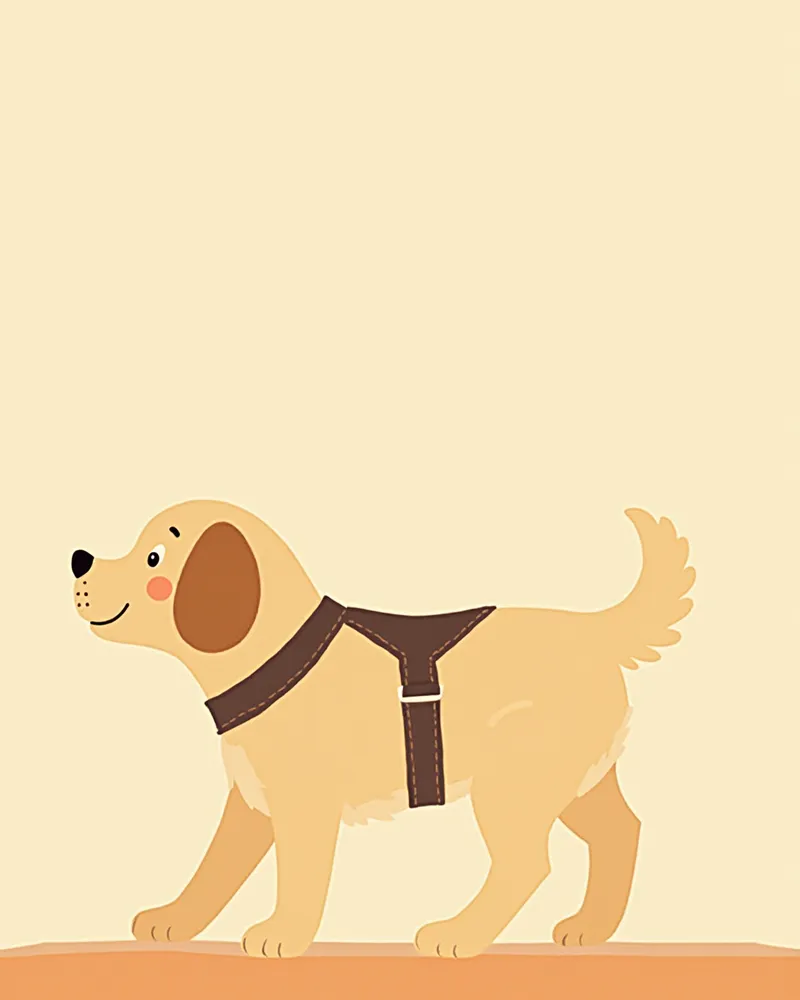
Proper home care after treatment plays a crucial role in your pet's recovery.
Strict exercise restriction: Whether undergoing conservative treatment or surgery, your pet needs to rest in a confined space for at least 4 to 6 weeks. Jumping and using stairs are strictly prohibited.
Harness instead of a collar: Even after recovery, use a chest harness rather than a collar that puts pressure on the neck. Collars can strain the cervical spine and increase the risk of recurrence.
Weight management: Excess weight significantly increases the burden on the spine. Consult with your veterinarian to maintain an appropriate weight.
Rehabilitation therapy: Aquatic treadmill therapy and physical therapy can aid in recovery. Your veterinarian will guide you through a rehabilitation program tailored to your pet's condition.
A dog wearing a chest harness and walking carefully on flat ground

Breeds That Require Special Attention

Dachshunds have a significantly higher incidence of disc disease compared to other breeds. Beagles, Shih Tzus, Cocker Spaniels, and Pekingese are also breeds that require special attention. If you own one of these breeds, it’s a good idea to use a harness instead of a collar, prevent them from jumping off high places, and have their neurological health checked during regular veterinary exams. If you’re interested in learning more about Dachshund health care, check out the Dachshund Health Guide.

Reviewed by a veterinarian

Dr. Tony — Punnawat Phongkittirak

Dr. Tony — Punnawat Phongkittirak

Veterinarian

A veterinarian who majored in veterinary medicine at Khon Kaen University, Thailand, and completed the IVSA program at North Carolina State University in the United States. Drawing on clinical experience at animal hospitals, he works in the pet healthcare field and is dedicated to building a digital care environment that connects pet parents with veterinarians.

Frequently Asked Questions

How much does treatment for a dog’s cervical disc disease cost?
The cost can vary significantly depending on whether conservative treatment or surgery is recommended, as well as the specific veterinary clinic and your dog’s condition. For an accurate estimate, we recommend consulting directly with your local veterinary clinic.
Can a disc herniation recur?
Yes, there is a risk of recurrence. According to veterinary internal medicine textbooks, the recurrence rate after conservative treatment is reported to be higher than after surgical treatment. You can help reduce the risk of recurrence by managing your pet’s weight, using a harness instead of a collar, and appropriately limiting exercise.
What’s the difference between a cervical disc and a lumbar disc?
Symptoms vary depending on the affected area. Cervical disc disease typically presents with severe neck pain and paralysis of the front legs, while lumbar disc disease mainly causes hind leg paralysis and gait abnormalities.
If my dog can’t lower its head, could it be a disc problem in the neck?
While a disc problem in the neck is a possibility, similar symptoms can also occur with other neurological conditions, such as meningitis. To pinpoint the exact cause, your pet will need a neurological examination at a veterinary clinic.
Can intervertebral disc disease be prevented?
While perfect prevention is difficult, you can reduce the risk by using a harness instead of a collar, maintaining a healthy weight, preventing jumps from high places, and scheduling regular check-ups. This is especially important for high-risk breeds like Dachshunds.

Share

Related Guides

References

[1] Lorenz MD, Coates JR, Kent M. Handbook of Veterinary Neurology. 5th ed. Saunders; 2011. Chapter 6: Pelvic Limb Paresis, Paralysis, or Ataxia / Cervical Disc Disease.

[2] Platt SR, Olby NJ. BSAVA Manual of Canine and Feline Neurology. 4th ed. BSAVA; 2014. Chapter 13: Cervical Disc Disease.

[3] Owen M. Spinal pain and intervertebral disc herniation. In: 100 Top Consultations in Small Animal General Practice. Chapter 52.

[4] Clinical Medicine of the Dog and Cat, 4th Ed — Chapter 14: Neurological Disorders (Hansen Type I & II IVDD).

This information is based on veterinary literature and does not replace diagnosis or treatment. Please consult a veterinarian for specific health concerns.

Metapet Co., Ltd. | CEO: Park Sung-yong | Business Reg. No. 417-88-02562 | Seoul, South Korea | Customer Center

Cervical IVDD in Dogs: Symptoms, Treatment & Rehab | Meongsiljang