Like
Share
멍실장
닥스훈트 건강 관리 가이드 – 디스크 질환과 비만 예방

Dachshund Health Care Guide – Preventing Disc Disease and Obesity

JointBreed HealthMeongsiljang Veterinary Advisory Board

Dachshunds are particularly prone to disc disease and obesity due to their long backs and short legs. We’ve compiled evidence-based veterinary guidance covering everything from disc prevention and weight management to creating a safe home environment.

The Key to Dachshund Health is Disc and Weight Management
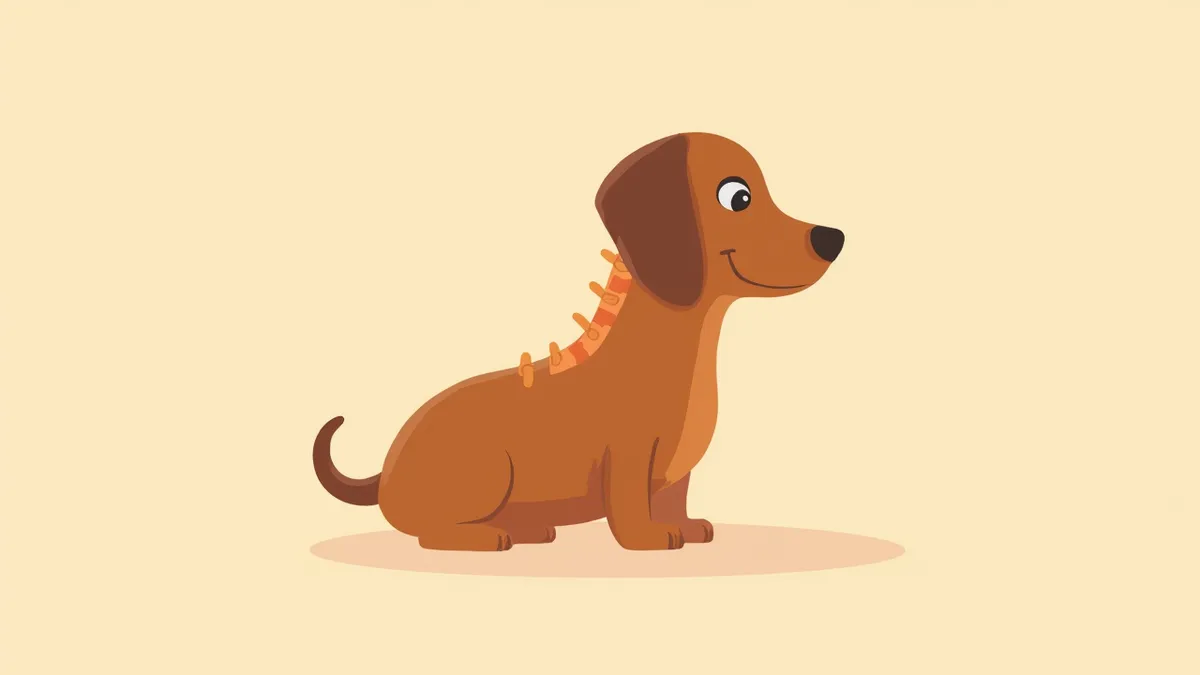
A healthy Dachshund sitting down
The key to dachshund health care lies in preventing disc disease and managing weight. Dachshunds are a beloved breed thanks to their unique body shape with short legs and a long back, but this very physique can also lead to health issues. As a chondrodysplastic breed, dachshunds begin experiencing spinal disc degeneration much earlier than other breeds. According to veterinary textbooks, dachshunds are considered one of the most susceptible breeds to disc disease, accounting for approximately 45–73% of all reported cases. In some bloodlines, it is estimated that about 62% will experience disc disease at least once in their lifetime. When obesity is added to this risk, the burden on the spine increases dramatically, making consistent, proactive care by pet owners essential.

5 Diseases Dachshunds Need to Be Especially Careful About

Disc Disease: This is the most common and serious condition in Dachshunds. When the discs between the vertebrae bulge out and press on the nerves, it can cause severe pain and even paralysis.
Obesity: Excess weight puts a significant strain on their long backs, greatly increasing the risk of disc problems. Since Dachshunds tend to have strong appetites, careful management by owners is especially important.
Patellar Luxation: This is a common joint issue in small breeds. It often shows up as limping or a skipping gait in the hind legs.
Periodontal Disease: Small breeds are particularly prone to gum and tooth problems. Regular brushing and professional cleanings are essential for maintaining oral health.
Cushing’s Disease: This condition is caused by an overproduction of adrenal hormones. Key signs include excessive thirst and a distended abdomen.

Why Are Dachshunds So Prone to Disc Disease?
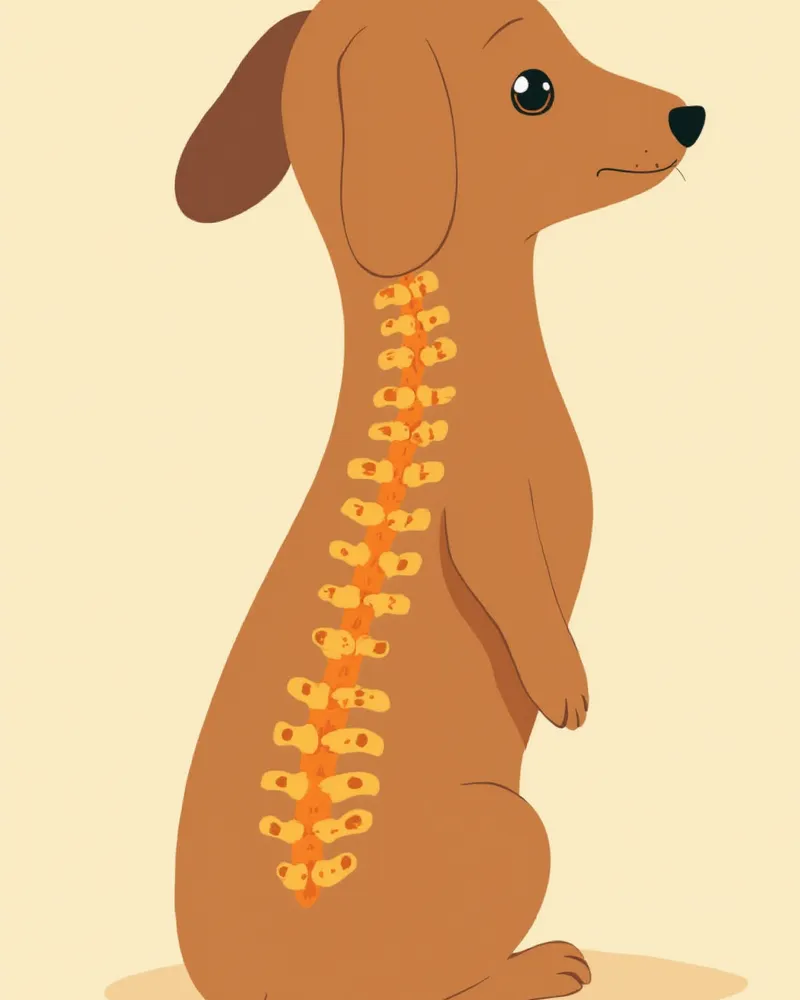
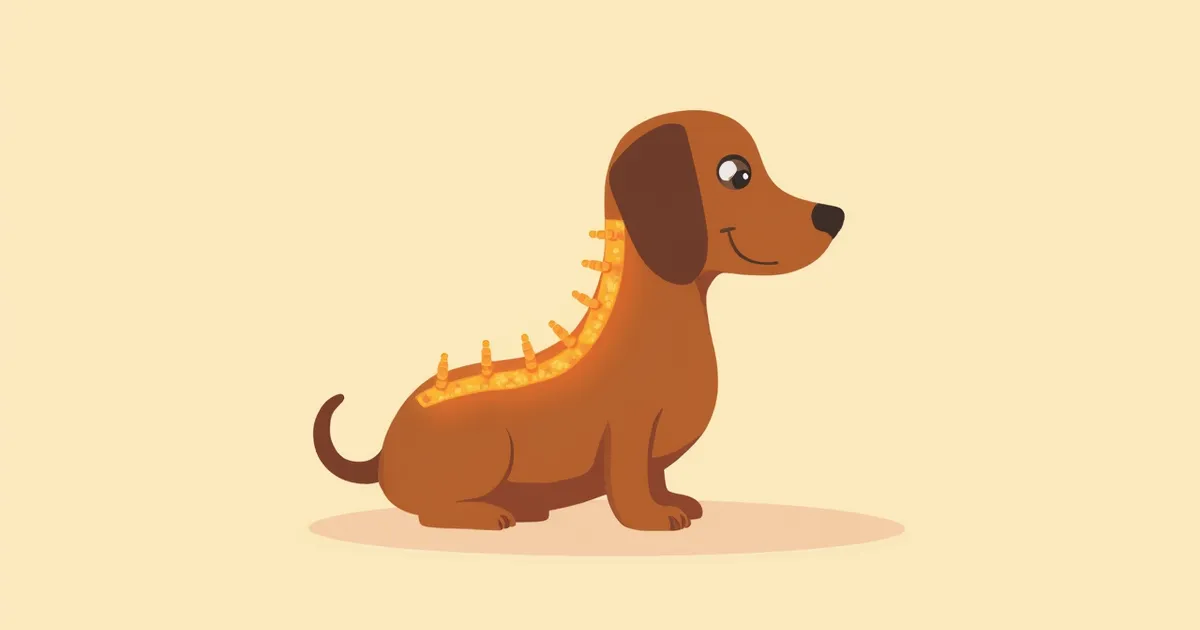
Dachshunds are a chondrodystrophic breed, meaning they are genetically predisposed to having shorter leg bones. The issue is that this trait causes the intervertebral discs to calcify and harden much earlier than in other breeds. According to veterinary neurology textbooks, the core mechanism of disc disease involves this hardened disc material herniating toward the spinal cord and compressing the nerves. In acute cases, this can cause sudden, severe pain and, in serious instances, paralysis of the hind legs. In chronic cases, where the disc material herniates gradually, you may notice a progressive weakness in the hind legs.
An illustration showing the long spine and disc structure of a Dachshund

Go to the Vet Immediately If You See These Symptoms

If your pet suddenly whines and refuses to move, drags its hind legs, cries out when picked up, or loses control of its bladder or bowels, these could be acute symptoms of a disc disease. Because the likelihood of recovery decreases as nerve damage progresses, especially in cases of hind leg paralysis, it is crucial to seek veterinary care immediately upon noticing these symptoms. Please visit an emergency animal hospital, even if it is nighttime.

Dachshund Obesity Management: Weight Equals Disc Health

Dachshunds are prone to obesity because they love to eat. However, obesity in Dachshunds is not merely a cosmetic issue. Excess weight places direct strain on their long spines, significantly increasing the risk of intervertebral disc disease. An ideal body condition is one where the ribs can be felt with a slight layer of fat, and a gentle waistline is visible when viewed from above. Minimize treats as much as possible, and consult your veterinarian to determine the most accurate food portion size. Since spayed or neutered dogs and those with less active lifestyles are known to have a higher risk of obesity, please manage your dog’s weight consistently while taking these factors into account.
An illustration of a dachshund standing on a scale

Creating a Safe Living Environment for Dachshunds
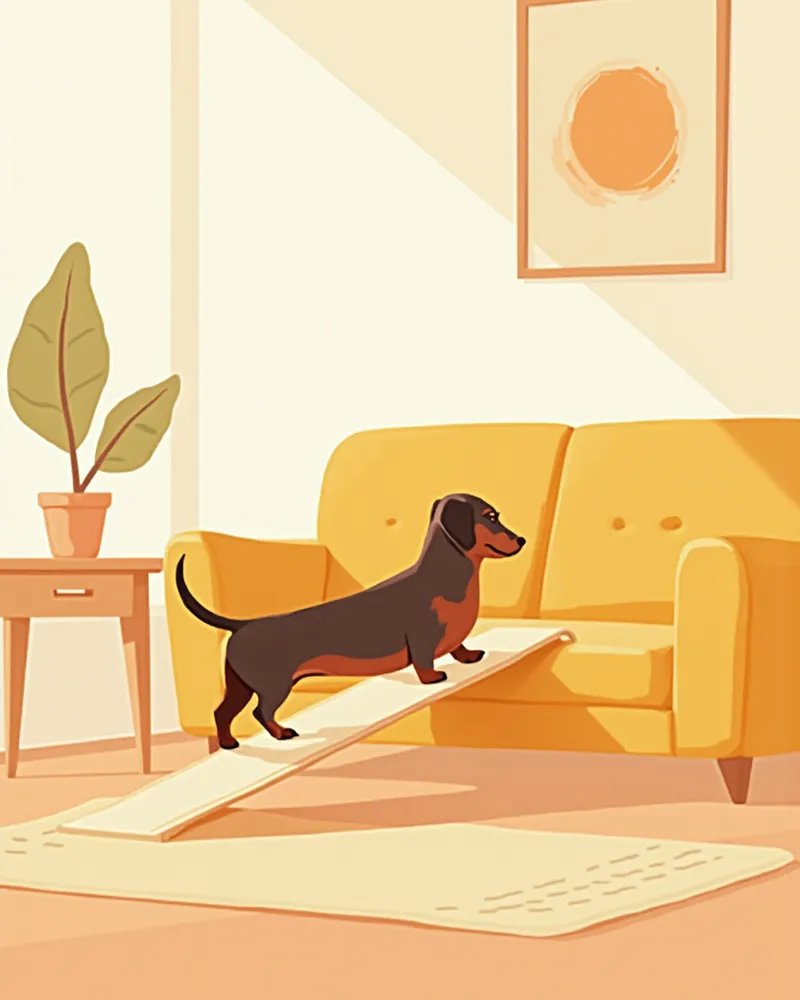
To protect your Dachshund’s spine, start by evaluating their living environment.
Prevent jumping from heights: Provide dog stairs or a ramp for getting on and off sofas or beds. Jumping down from elevated surfaces can cause significant impact and stress on the intervertebral discs.
Prevent slipping: Slippery floors can strain the spine. Use non-slip mats or rugs to provide better traction.
Appropriate exercise: Aim for 30 minutes to an hour of walking on flat ground daily. Avoid vigorous play that involves sudden direction changes or frequent jumping.
Proper carrying technique: When holding your Dachshund, support their chest with one hand and their hindquarters with the other to keep the spine straight and prevent bending.
Illustration of a Dachshund using a ramp designed for dogs

Dachshund Health Check-ups: Be Sure to Check These

It’s a good idea to have your dachshund undergo regular check-ups at least once or twice a year. Pay special attention to the following areas:
Weight monitoring: Record your dog’s weight monthly and consult your veterinarian if you notice any sudden changes.
Neurological examination: Checking hind limb reflexes and gait patterns can help detect early signs of disc problems.
Dental check-up: Tartar buildup typically begins between ages 2 and 3, so consider regular professional cleanings.
Hormonal testing: For dogs aged 7 and older, discuss screening for Cushing’s disease with your veterinarian.
Joint examination: It’s also beneficial to have the patellas evaluated, as dachshunds can be prone to patellar luxation.

Reviewed by a veterinarian

Dr. Tony — Punnawat Phongkittirak

Dr. Tony — Punnawat Phongkittirak

Veterinarian

A veterinarian who majored in veterinary medicine at Khon Kaen University, Thailand, and completed the IVSA program at North Carolina State University in the United States. Drawing on clinical experience at animal hospitals, he works in the pet healthcare field and is dedicated to building a digital care environment that connects pet parents with veterinarians.

Frequently Asked Questions

Does a dachshund with disc disease always need surgery?
Not necessarily. In mild cases, improvement can be achieved with medication and strict rest. According to veterinary textbooks, the success rate of conservative treatment is reported to be 82–100% in patients who can walk and exhibit only pain or mild paralysis. However, surgery may be necessary if there is paralysis or severe pain. The final decision will be made by the veterinarian after imaging tests.
How can I determine the ideal weight for my Dachshund?
Rather than relying solely on weight numbers, using a Body Condition Score (BCS) provides a more accurate assessment. Dachshunds vary in breed type—such as Standard and Miniature—and individual skeletal size, making it difficult to determine an ideal weight based on a single number. An ideal body condition is one where the ribs can be felt with a slight touch and a visible waistline is apparent when viewed from above. For the most precise evaluation, have your veterinarian perform a body condition assessment.
Should dachshunds be completely prohibited from using stairs?
While you don’t need to completely prohibit your dog from using stairs, it’s best to avoid high steps or steep inclines. For places your dog climbs up and down every day, such as sofas or beds, installing a pet-friendly ramp or staircase is the safest option.

Share

Related Guides

References

[1] The Veterinary Workbook of Small Animal Clinical Cases — Case 46: Intervertebral Disc Disease in a Dachshund

[2] Clinical Medicine of the Dog and Cat, 4th Ed — Chapter 14: Neurological Disorders (Hansen Type I & II IVDD)

[3] Small Animal Cytologic Diagnosis Canine and Feline Disease, 2nd Edition — Chapter 14: Intervertebral Disk Disease

This information is based on veterinary literature and does not replace diagnosis or treatment. Please consult a veterinarian for specific health concerns.

Metapet Co., Ltd. | CEO: Park Sung-yong | Business Reg. No. 417-88-02562 | Seoul, South Korea | Customer Center

Dachshund Health Guide: Preventing Disc Disease & Obesity | Meongsiljang