
British Longhair Health Care Guide — From Key Diseases to Age-Specific Care
We’ve compiled a guide to the main health concerns British Longhairs are prone to—such as hypertrophic cardiomyopathy, polycystic kidney disease, and obesity—along with age-specific care tips to keep your cat healthy.
What Are the Health Characteristics of British Longhairs?
Key Diseases You Must Know
Why Is Hypertrophic Cardiomyopathy Dangerous?
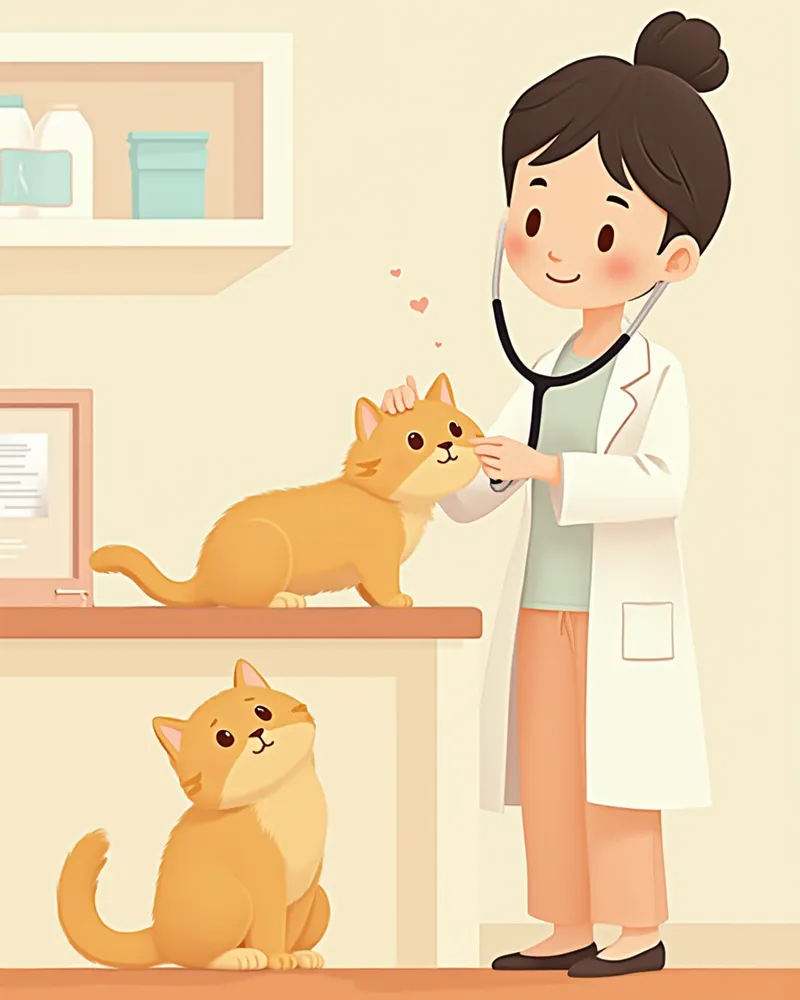
Go to the Vet Immediately If You See These Symptoms
Panting or rapid breathing, sudden dragging or inability to move the hind legs, and a sudden loss of appetite with lethargy can be warning signs of heart disease. In particular, hind limb paralysis may be caused by a blood clot, requiring immediate emergency treatment. The sooner you act after noticing symptoms, the better the prognosis.
Obesity Management Is More Important Than You Think

Lush Long Coat: Skin and Coat Care Is Key
Age-Specific Health Care Points
Regular Checkups Are the Best Prevention
Both hypertrophic cardiomyopathy and polycystic kidney disease often show no symptoms in their early stages. By the time symptoms appear, the conditions may already be quite advanced. Simply having an annual cardiac ultrasound and basic blood work can significantly increase the chances of early detection. Be sure to keep your pet’s test results from when they’re healthy, as they’ll serve as a valuable baseline for future comparisons.
Reviewed by a veterinarian

Dr. Tony — Punnawat Phongkittirak
VeterinarianA veterinarian who majored in veterinary medicine at Khon Kaen University, Thailand, and completed the IVSA program at North Carolina State University in the United States. Drawing on clinical experience at animal hospitals, he works in the pet healthcare field and is dedicated to building a digital care environment that connects pet parents with veterinarians.
Reviewed 2026-04-14
Frequently Asked Questions
Do British Longhairs and British Shorthairs share the same health characteristics?
At what age should a pet start having an echocardiogram?
What is the ideal weight range for a British Longhair cat?
How can I reduce hairballs?
Share
Related Guides

Coenzyme Q10 Benefits and Administration Guide

Dog Pulmonary Edema Warning — 7 Best Diuretics (Furosemide) for Heart Management

7 Best Prescription Diets for Feline Heart Disease Recommended by Veterinarians — Criteria for Choosing Low-Sodium Food

Yorkshire Terrier Health Care Calendar — Age-Specific Checkup and Patellar & Dental Care Schedule

Dachshund Lifelong Care Schedule — Complete Guide to Age-Specific Common Diseases and Check-up Timing

Cocker Spaniel Health Management Calendar — Age-Appropriate Screening and Management of Otitis Externa and Eye Diseases

Cocker Spaniel Genetic Disease Checklist

Cocker Spaniel Grooming Guide

Shih Tzu Regular Check-ups & Lifelong Care — Age-Specific Predisposed Conditions and Stage-Based Management

French Bulldog Regular Check-up Schedule — Age-Specific Management for Brachycephalic Respiratory and Skin Conditions
References
[1] Fuentes VL et al., Textbook of Cardiovascular Medicine in Dogs and Cats, Chapter 11: Hypertrophic Cardiomyopathy
[2] Silverstein DC, Hopper K, Small Animal Critical Care Medicine, 3rd Edition, Classification and Etiology of Feline Cardiomyopathy
[3] Teare D, Asymmetrical hypertrophy of the heart in young adults, British Heart Journal, 1958