
Like
Share
멍실장
골든두들 건강 관리 완벽 가이드 (관절·심장·암)

Complete Guide to Golden Doodle Health — From Joint, Heart, and Cancer Management to Prevention

HeartBreed HealthMeongsiljang Veterinary Advisory Board

We’ve compiled key early warning signs and lifelong care tips for Golden Doodles, focusing on their susceptibility to hip dysplasia, dilated cardiomyopathy, and lymphoma.

What Breed Are Golden Doodles?

A Goldendoodle standing on a grassy field under the sunlight
Golden Doodles are medium-to-large mixed-breed dogs created by crossing Golden Retrievers and Poodles, meaning they can inherit genetic health conditions from both parent breeds. The most important thing to remember is that lifelong management should focus on three key areas: joints, heart, and cancer. Hip dysplasia is more commonly reported in large breeds and is known to have a genetic predisposition. Lymphoma is one of the most frequently diagnosed malignant tumors in dogs, but while various factors such as genetics and environment are discussed, no specific cause has been definitively proven. Dilated cardiomyopathy is a condition in which the left ventricle enlarges and its contractile function weakens, and it has also been reported in larger individuals. Average lifespan varies significantly depending on the individual and the quality of care, but simply maintaining a healthy weight and keeping up with regular veterinary check-ups can make a substantial difference in their quality of life.

Top 5 Health Conditions Golden Doodles Should Watch For

These are the key health conditions Golden Doodle owners should be aware of.
Hip Dysplasia: The hip joint becomes loose, leading to limping and avoidance of stairs.
Dilated Cardiomyopathy: The left ventricle enlarges and its pumping function weakens, causing easy fatigue, coughing, or difficulty breathing.
Lymphoma: A malignant tumor characterized by enlarged lymph nodes; it is one of the most commonly diagnosed cancers in dogs and is frequently detected in middle-aged to senior dogs.
Von Willebrand Disease: A known hereditary bleeding disorder, so it is advisable to check the genetic test results of the parent dogs before adoption.
Addison’s Disease: Caused by a deficiency in adrenal hormones, which can lead to recurring loss of appetite and weakness.

Hip Dysplasia — Joint Health Is Key

Golden Doodles are at higher risk for hip dysplasia due to their large-breed lineage. Studies show that rapid weight gain during growth increases joint stress and raises the likelihood of developing this condition, whereas puppies that maintain a lean body throughout their growth period have lower incidence rates. X-ray diagnostics should be performed by a veterinarian who determines the appropriate timing and standardized positioning based on each dog’s individual condition, with evaluation by a board-certified orthopedic specialist being essential. If you notice limping, a waddling gait, or difficulty standing up from a sitting position, seek prompt orthopedic veterinary care.
A Goldendoodle undergoing a hip joint examination

Seek Veterinary Care Immediately If You Notice These Symptoms

If your pet exhibits any of the following symptoms, seek veterinary care within 24 hours: shallow and rapid breathing or bluish discoloration of the tongue; sudden lethargy with pale gums; palpable firm lumps in the neck or armpit areas; or complete inability to use one leg. In particular, symptoms related to heart conditions can indicate an emergency, so do not delay seeking treatment.

Dilated Cardiomyopathy — Heart Health Checkpoints

Dilated cardiomyopathy is a condition in which the left ventricle enlarges and its contractile function weakens, leading to reduced pumping capacity of the heart. It has been reported even in large-breed dogs such as Golden Doodles. In the early stages, there are often few or no symptoms, but easy fatigue during walks or repeated dry coughing at night may be warning signs. According to veterinary cardiology textbooks, the key to diagnosis is confirming left ventricular dilation and decreased contractility via echocardiography. As dogs approach their senior years, regular cardiac specialist examinations become increasingly important; please consult with your veterinarian to determine the appropriate timing and frequency for these check-ups.
A Golden Doodle undergoing an echocardiogram

Recommended Screening Intervals by Age for Golden Doodles

ItemPuppy (~1 year)Adult dog (1–6 years)Senior (7 years and older)
Basic health checkupTwice a yearOnce a yearTwice a year
Hip X-rayOnce at 12–18 monthsWhen symptoms are presentOnce a year
Cardiac ultrasoundOnce every 3 yearsOnce a year
Cancer screening blood testOnce a year
Dental checkupOnce a yearOnce a yearTwice a year

Adjust to each individual's health condition after consulting a veterinarian.

Lymphoma and Cancer — Early Detection Saves Lives
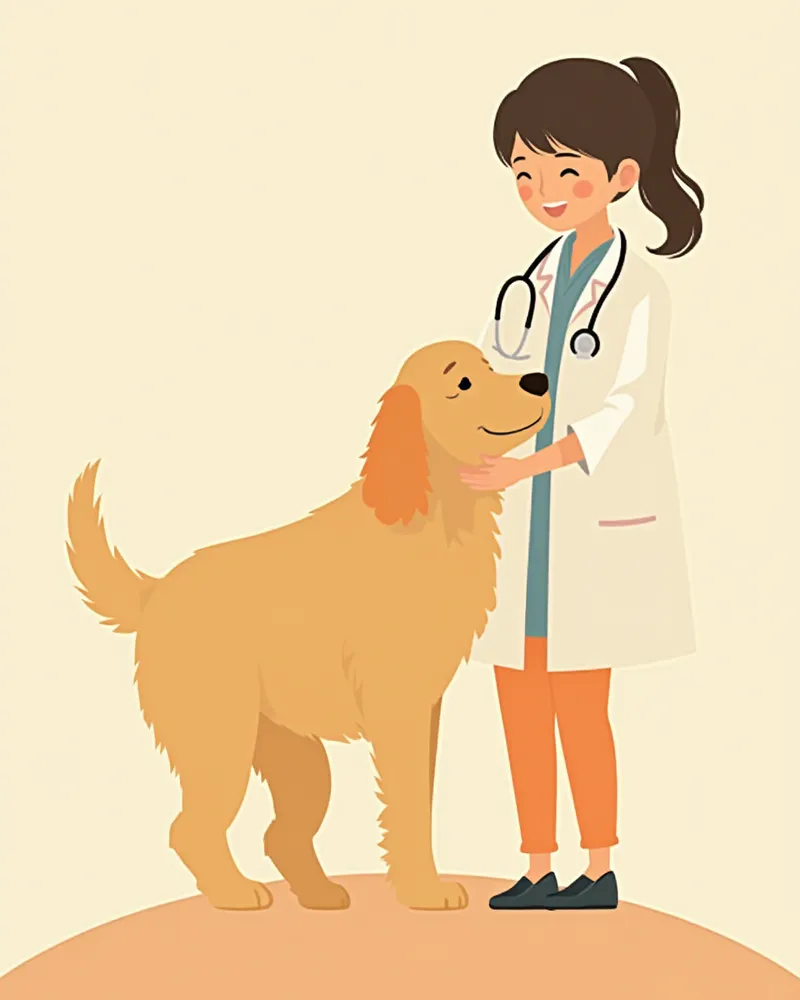
Golden Retrievers are a breed with a known genetic predisposition to cancer, so Golden Doodles who inherit this trait also require careful monitoring. According to veterinary internal medicine textbooks, lymphoma should be suspected if the lymph nodes become firm and enlarged, accompanied by a decreased appetite, weight loss, and chronic fatigue. Owners can significantly increase the chances of early detection by making it a habit to regularly feel the lymph nodes in the neck, armpits, and groin area. Since various factors, including genetic predisposition and living environment, can influence cancer risk, please be sure to consult with your veterinarian to create an individualized care plan, including the appropriate timing for spaying or neutering.
A Goldendoodle undergoing a lymph node palpation exam

Key Management Points for Lifelong Health

Consistently following these practices can significantly improve your pet’s lifespan and quality of life.
Weight management: During the growth phase, maintain a healthy weight—neither underweight nor overweight—to reduce stress on the joints.
Regular exercise: Keep cardiovascular and respiratory health and muscle mass in good condition with light walks once or twice daily.
Joint supplements: Administer glucosamine and chondroitin after consulting with your veterinarian.
Dental care: Maintain oral health through daily tooth brushing or dental chews. Good oral hygiene is essential for overall health.
Routine blood tests: For senior pets, conduct annual blood tests to enable early detection of cancer.

Mixed-Breed Dogs Are Not Free from Genetic Diseases

Golden Doodles are often overlooked for genetic testing due to the common belief that mixed-breed dogs are inherently healthier. However, they can inherit genetic conditions from both parent breeds. Before adoption, ask the breeder for the parents’ genetic test results (including hip dysplasia, von Willebrand disease, and drug sensitivity genes). If these results aren’t available, it’s advisable to have your dog undergo a comprehensive genetic panel test around the age of one.

Reviewed by a veterinarian

Dr. Tony — Punnawat Phongkittirak

Dr. Tony — Punnawat Phongkittirak

Veterinarian

A veterinarian who majored in veterinary medicine at Khon Kaen University, Thailand, and completed the IVSA program at North Carolina State University in the United States. Drawing on clinical experience at animal hospitals, he works in the pet healthcare field and is dedicated to building a digital care environment that connects pet parents with veterinarians.

Frequently Asked Questions

How long do Golden Doodles live?
Lifespan varies greatly depending on the individual and the care they receive. With proper weight management and regular check-ups, they can live longer, healthier lives.
Do Golden Retrievers sometimes need hip surgery?
Hip dysplasia can often be managed conservatively with weight control, pain relief (anti-inflammatory medications), and restricted exercise. In severe cases, surgical treatment may be discussed with your veterinarian, but early diagnosis and weight management are the most important factors.
Does not shedding mean there’s no allergy at all?
While this breed tends to shed less, there’s no such thing as a completely hypoallergenic dog. Since individual reactions can vary, it’s a good idea to spend plenty of time with the dog before adopting to see how you both get along.
When is the best time to start giving joint supplements?
For large dogs or those at risk of hip issues, we sometimes recommend starting early. Please consult your veterinarian to determine the appropriate timing and dosage based on your dog's weight.
When is the best time to spay or neuter?
It’s important to consider both cancer risk and hormonal balance when deciding on spaying or neutering. The ideal timing can vary depending on your pet’s size, overall health, and living environment. Please consult with your veterinarian to determine the most appropriate time for your individual pet.

Share

Related Guides

References

[1] The Dog Care Handbook — Hip Dysplasia in Predisposed Breeds

[2] Textbook of Veterinary Orthopaedic Surgery — Canine Hip Dysplasia Diagnosis

[3] Notes on Canine Internal Medicine, 4th Ed — Lymphoma & Hypercalcaemia

[4] BSAVA Manual of Canine and Feline Dermatology, 4th Ed — Breed Predisposition to Tumours

[5] The Veterinary Workbook of Small Animal Clinical Cases — Golden Retriever Cancer Risk

This information is based on veterinary literature and does not replace diagnosis or treatment. Please consult a veterinarian for specific health concerns.

Metapet Co., Ltd. | CEO: Park Sung-yong | Business Reg. No. 417-88-02562 | Seoul, South Korea | Customer Center

Golden Doodle Health Guide: Joint, Heart & Cancer Care and Prevention | Meongsiljang