
7 Genetic Conditions in Bichon Frises: Symptoms, Causes, and Lifelong Care Guide
This guide provides a clear overview of the main health conditions Bichon Frises are genetically predisposed to, such as patellar luxation, atopic dermatitis, and cataracts, along with checkpoints owners can use to monitor their pets at home.

The Ultimate Guide to Maltipoo Grooming and Coat Care
Maltese-Poodle mixes have curly or wavy coats that tangle easily, so daily grooming is essential. Here’s everything you need to know about brushing, bathing, professional grooming schedules, and tear-stain care—all in one place.

Shar-Pei Renal Amyloidosis Complete Guide — From Symptoms to Lifelong Management
Shar-Peis are at very high risk for renal amyloidosis associated with familial fever. Early detection of warning signs and lifelong monitoring for protein in the urine are critical to their longevity.

The Ultimate Guide to Pomeranian Double-Coat Grooming | Key Pomeranian Grooming Tips
We’ve put together a guide on the Pomeranian’s lush double coat and how to safely brush, bathe, dry, and manage shedding at home.

Jindo Dog Allergy Skin Precautions and Lifelong Health Care Guide by Age
Jindo dogs are prone to skin allergies due to their double-coat structure. We’ve outlined the main skin issues—such as inhalant and food allergies, and demodectic mange—along with care tips tailored to each life stage.

7 Genetic Diseases Common in British Shorthairs — Early Warning Signs of Heart Disease
We’ve compiled a list of heart, kidney, and blood disorders that British Shorthairs and Longhairs are genetically predisposed to, along with early warning signs owners can spot at home and recommended screening schedules.
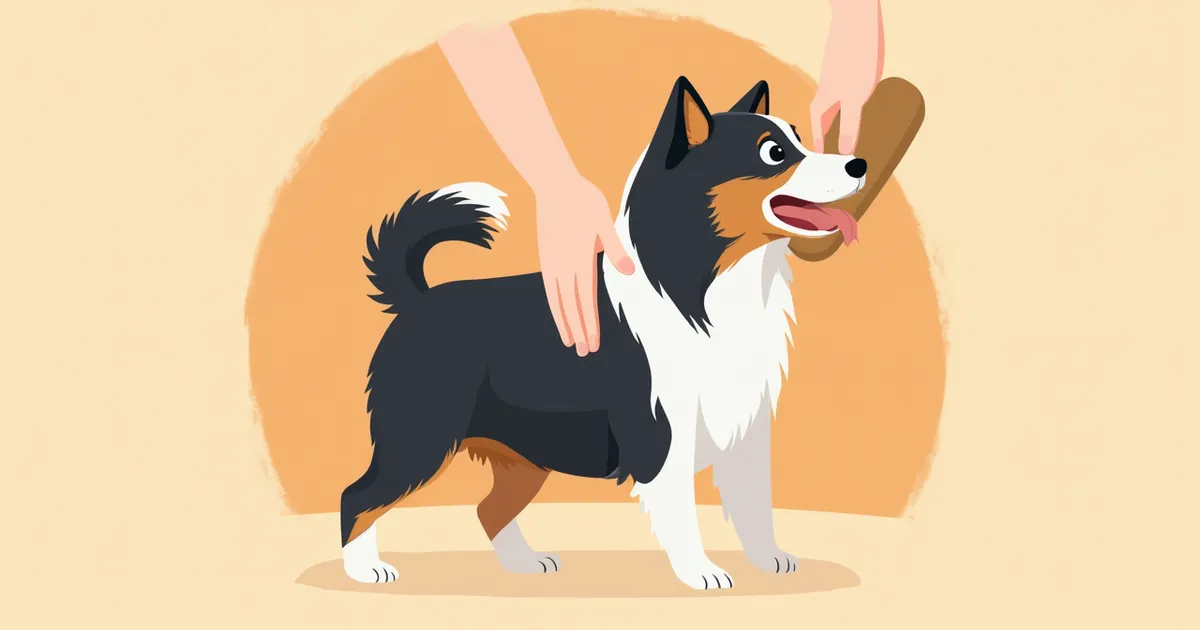
The Ultimate Guide to Border Collie Double-Coat Grooming
Border Collies have a double coat, which means they shed a lot and are prone to tangles, so brushing them two to three times a week is essential. We’ve put together a clear overview of seasonal shedding patterns and key skin care tips.

Complete Guide to Maltipoo Genetic Conditions — Checklist for Diseases Inherited from Maltese and Poodles
Here’s a summary of the genetic conditions that Maltipoos, a crossbreed between Maltese and Poodles, are prone to inheriting from their parent breeds. I’ll walk you through the key health checks owners should be aware of, including patellar luxation, progressive retinal atrophy, and heart disease.

Toy Poodle Genetic Condition Checklist
We’ve compiled a list of genetic conditions that Toy Poodles are prone to, along with the regular check-ups that owners should prioritize. We’ll break down the information into four key areas: patellas, eyes, liver, and heart.

Golden Retriever Lymphoma Risk and Screening
Golden Retrievers are particularly prone to lymphoma. We’ve put together a guide on self-exams for early detection, recommended screening intervals, and when to visit the vet.

Bichon Eye Diseases — A Complete Guide to Causes of Tear Stains and Corneal Issues, and Management
Bichon Frises are particularly prone to excessive tearing and corneal diseases. Here’s a summary of the causes, prevention, and management methods based on veterinary ophthalmology textbooks.

The Complete Guide to Alopecia X in Pomeranians
We’ve put together a clear, easy-to-understand overview of the causes, symptoms, diagnosis, treatment, and management of Alopecia X in Pomeranians, tailored for pet owners.

The Complete Stage-by-Stage Guide to Tracheal Collapse in Pomeranians
We’ve broken down tracheal collapse, a common condition in Pomeranians, into stages 1 through 4. We explain the symptoms, diagnosis, and key care points for each stage in a way that’s easy for pet owners to understand.

Maltese Patellar Luxation: A Guide to Symptoms by Stage (1–4) and Surgical Timing
The Maltese is one of the small-breed dogs most commonly affected by patellar luxation. Here’s a comprehensive overview of the symptoms and management strategies for each stage (1–4), as well as the criteria for surgical intervention.

Complete Guide to Shetland Sheepdog MDR1 Drug Sensitivity — From Prohibited Medications to Lifelong Health Care
Shetland Sheepdogs often carry a genetic mutation in the ABCB1 gene, which can cause life-threatening neurological reactions to certain dewormers and chemotherapy drugs. We’ve compiled a list of prohibited medications, information on genetic testing, and age-specific care tips for puppies, adult dogs, and seniors.

A Complete Guide to Persian Genetic Conditions — From Polycystic Kidney Disease to Cardiomyopathy
Persian cats are a breed prone to genetic conditions, including polycystic kidney disease (PKD). We’ve compiled the key hereditary disorders every owner should know about, along with an early screening checklist.

Complete Guide to Border Collie Genetic Conditions — Critical Warning on MDR1 Drug Side Effects
Border Collies are a breed that requires special attention to genetic conditions such as the drug sensitivity gene (MDR1), Collie Eye Anomaly (CEA), and hip and elbow dysplasia. We’ve compiled essential tests and care points to check before and after adoption.

Shiba Inu Genetic Disease Checklist
We’ve put together a clear overview of the genetic conditions Shiba Inus are prone to, along with key health checks owners should perform regularly. We also share tips for early detection and preventive care.

Worried About Your Floppy-Eared Beagle? Otitis Externa Warning Signs and Ear Care Timing
Beagles are prone to otitis externa due to their floppy ears, so cleaning their ears once or twice a week and keeping them dry are essential.

French Bulldog Genetic Disease Checklist
Here’s a breakdown of the five conditions French Bulldogs are especially prone to—brachycephalic obstructive airway syndrome, intervertebral disc disease, atopic dermatitis, hip dysplasia, and cataracts—along with age-specific screening recommendations.

The Complete Guide to Labrador Obesity Management
Labradors are genetically predisposed to strong appetites, making them the breed most at risk for obesity. Proper weight management is key to protecting their joints, heart, and overall lifespan.

Welsh Corgi Health Care — Guide to Preventing Disc Disease and Obesity
Due to their long backs and short legs, Welsh Corgis are prone to intervertebral disc disease and obesity. We’ve compiled everything you need to know—from key health concerns and how to assess your dog’s body condition score, to weight management through diet and exercise.

Mini Bichon Health Care — Guide to Preventing Patellar Luxation and Tear Staining
Mini Bichons are prone to skin allergies, patellar luxation, and tear staining. Here’s a summary of five key health concerns and daily care tips to keep your Mini Bichon healthy.

Munchkin Cat Health Care (Joints and Spine)
Due to their short legs, Munchkin cats require extra attention to joint and spinal health. We’ve compiled evidence-based information from veterinary textbooks on key conditions to watch for—such as degenerative joint disease and lordosis—along with practical tips for weight management and improving their living environment.

Bichon Frise Health Care — Skin, Joint, and Tear Stain Management
We’ve compiled the causes and management strategies for atopic dermatitis, patellar luxation, and tear staining—conditions to which Bichon Frises are particularly susceptible—based on veterinary textbook evidence.

Golden Retriever Health Management (Joints, Skin, Cancer)
Based on veterinary textbooks, we’ve compiled key health concerns and management strategies for Golden Retrievers, including hip dysplasia, atopic dermatitis, and lymphoma—conditions this breed is particularly prone to.

Maltipoo Health Care Guide — Tear, Joint, and Skin Care
We’ve compiled the causes and management strategies for tear staining, patellar luxation, and skin conditions—issues to which Maltipoos are particularly susceptible—based on veterinary textbooks.

Key Points on Zinc-Responsive Dermatosis in Siberian Huskies and a Lifelong Age-Specific Health Care Guide
Siberian Huskies have a genetic predisposition to impaired zinc absorption, making lifelong skin care essential for this breed. We’ve outlined the causes, symptoms, and treatments of zinc-responsive dermatosis, along with age-specific health checklists.

Shiba Inu Allergy Skin Precautions and Age-Specific Lifelong Health Management Guide
Shiba Inus have a genetic predisposition to atopic dermatitis and food allergies. Our veterinary advisory board has outlined age-specific care tips and home management strategies for this breed.
Siamese Asthma Precautions and Age-Specific Lifelong Health Management Guide — Key Management Points for Pet Owners
Siamese cats are genetically predisposed to asthma. We’ve compiled a must-know guide for pet owners, including an age-specific symptom checklist, instructions for using inhalers, and key tips for managing the home environment.

Precautions for Tracheal Collapse in Maltese and a Lifelong Health Care Guide by Age
We’ve compiled the symptoms and treatment options for tracheal collapse, the most common respiratory condition in Maltese dogs, along with key age-specific health care tips from puppyhood through senior years.

Precautions for Polycystic Kidney Disease in Persian Cats and an Age-Specific Lifetime Health Management Guide
We’ve outlined the causes, symptoms, and diagnostic methods for polycystic kidney disease (PKD), a genetic condition in Persian cats. Check out age-specific management plans and key checkpoints for pet owners to keep in mind.

Golden Retriever Tumors: From Common Tumor Types to Age-Specific Lifelong Health Management
Golden Retrievers are among the breeds with the highest incidence of tumors. We’ll provide detailed information on major tumor types—such as lymphoma, hemangiosarcoma, and mast cell tumors—along with age-specific prevention and management strategies.

Key Points on Hip Dysplasia in Samoyeds and a Lifelong Age-Specific Health Management Guide
We’ve compiled the essential information every Samoyed owner should know, covering the causes and symptoms of hip dysplasia, age-specific prevention and management strategies, and treatment options.

Bichon Patellar Luxation — Key Timelines and Age-Specific Lifelong Care Guide
Bichon Frises are prone to patellar luxation due to their small size. We’ve put together a comprehensive guide covering symptoms by severity, age-specific prevention and care for puppies, adult dogs, and seniors, as well as criteria for surgery.

Shih Tzu Eye Diseases — A Complete Guide from Symptoms and Causes to Lifelong Age-Specific Care
Due to their brachycephalic (short-nosed) anatomy, Shih Tzus are prone to eye conditions such as exposure keratitis and keratoconjunctivitis sicca (dry eye). Here’s a summary of the five most common eye diseases and an age-specific checklist for maintaining your Shih Tzu’s ocular health.

Degenerative Myelopathy (DM) in Welsh Corgis — From Early Symptoms to Lifelong Age-Specific Care
Welsh Corgis are a breed susceptible to degenerative myelopathy due to the SOD1 gene mutation. We’ve compiled a comprehensive guide based on veterinary advice, covering everything from early symptom detection to age-specific care tips.

Cocker Spaniel Familial Kidney Disease — Regular Screening Guide for a Prone Breed
Cocker Spaniels are a breed prone to familial kidney disease that can develop at a young age. Our expert panel has compiled key information on genetic testing, age-specific screenings, and lifelong management strategies.

Exotic Shorthair Polycystic Kidney Disease — Persian Lineage Screening Guide
Exotic Shorthairs share Persian lineage, making them a breed at high risk for polycystic kidney disease. We’ve outlined early-life ultrasound screening and lifelong kidney care essentials.

MYBPC3 Genetic Testing for Ragdoll HCM — Lifelong Management for a Predisposed Breed
Ragdolls are a breed commonly affected by genetic mutations linked to hypertrophic cardiomyopathy (HCM). We’ve outlined key points for lifelong management, including MYBPC3 mutation testing and regular echocardiograms.

Doberman DCM — Regular Screening Guide for High-Risk Breeds
Doberman Pinschers have the highest incidence of dilated cardiomyopathy (DCM). To enable early detection even during the latent stage, they should undergo echocardiograms and 24-hour Holter monitoring every six to twelve months starting at three years of age.

Brachycephalic Globe Proptosis: A Complete Guide from Emergency Response to Lifelong Eye Care
Brachycephalic breeds such as Pugs, Shih Tzus, and Pekingese are at high risk for globe proptosis and exposure keratitis due to their shallow orbits and wide palpebral fissures. This guide covers everything from recognizing emergencies to lifelong eye care.

Bedlington Terrier Copper Accumulation: A Complete Guide to Symptoms, Screening, and Treatment for This Hereditary Liver Disease
Bedlington Terriers are highly susceptible to a hereditary liver disease caused by copper accumulation due to a COMMD1 gene mutation. We’ve outlined key lifelong management strategies, including DNA testing, regular liver function monitoring, and a low-copper diet.

Jindo Hip Dysplasia — Complete Guide to Symptoms, Screening Timing, and Lifelong Management
The Jindo is an active, medium-sized native Korean breed in which hip dysplasia is a relatively common condition. Regular check-ups between 6 and 12 months of age, along with weight and exercise management, are crucial for ensuring healthy mobility throughout the dog's life.

High Incidence of Cushing’s Disease in Poodles — Symptoms in Senior Dogs and Timing for Regular Check-ups
Poodles are one of the small-breed dogs with a higher incidence of Cushing’s disease. If you notice symptoms such as excessive thirst, frequent urination, or a distended abdomen after your dog reaches eight years of age, early detection through regular check-ups is key.

High Incidence of Mediastinal Lymphoma in Siamese Cats — Early Signs of Respiratory Distress
Siamese cats have a higher incidence of mediastinal lymphoma than other breeds. It’s crucial to catch early signs such as difficulty breathing, coughing, and reluctance to exercise so you don’t miss the critical window for treatment.

Bernese Mountain Dog Cancer — Incidence, Average Lifespan, and Common Tumors: A Complete Guide
Bernese Mountain Dogs have a relatively short lifespan of 7–8 years, even among large breeds, and more than half of their deaths are due to cancer. We’ve outlined the most common types of tumors and early warning signs to watch for.

Polycystic Kidney Disease in British Shorthairs — Genetic Testing and Lifelong Management
We’ve put together an easy-to-understand guide for pet owners on polycystic kidney disease (PKD), the most common hereditary kidney condition in British Shorthairs, covering its causes, early diagnosis methods, and key lifelong management tips.

Miniature Poodle Patellar Luxation: A Guide to 4-Stage Symptoms and Surgical Timing
Miniature Poodles are prone to patellar luxation due to their shallow trochlear groove and femoral deformities. Here’s a summary of the grading criteria for stages 1–4, along with key considerations for management and surgical decisions at each stage.

Hemivertebrae in French Bulldogs — Lifelong Spinal Care Checklist
I’ve compiled a summary based on veterinary textbooks covering the definition of hemivertebrae in French Bulldogs, commonly affected areas, warning signs that require immediate veterinary attention, diagnostic and treatment options, and a lifelong spinal care checklist.

Pomeranian Patellar Luxation: High Incidence — Step-by-Step Management and Brace Guide
Pomeranians are the small breed with the highest incidence of patellar luxation relative to their body size. We’ve put together a comprehensive guide covering step-by-step diagnosis, when to use braces or consider surgery, and key tips for home care.

Cavalier King Charles Syringomyelia — Lifelong Management Guide
We’ve outlined the definition and symptom checklist for syringomyelia, a condition commonly seen in Cavalier King Charles Spaniels, along with MRI diagnosis, medication treatment, and lifelong management strategies for the associated mitral valve regurgitation.

Why Golden Retrievers Have a High Cancer Incidence and a Regular Check-up Guide
Golden Retrievers are large-breed dogs with a higher incidence of malignant tumors such as lymphoma and hemangiosarcoma compared to other breeds. We’ve outlined the genetic and environmental factors involved, age-specific schedules for regular veterinary check-ups, and monthly at-home checkpoints to help catch signs early.

Norwegian Forest Cat Long-Hair Grooming — Complete Guide to Brushing, Tangles, and Seasonal Shedding
This guide covers everything you need to know about the Norwegian Forest Cat’s double-layered coat, including recommended grooming tools, brushing frequency, bathing techniques, and how to manage seasonal shedding.

7 Genetic Conditions in Siberian Cats — From Symptoms to Lifelong Care
We’ve compiled five genetic conditions that Siberian cats should be monitored for. We’ll focus on hypertrophic cardiomyopathy and polycystic kidney disease, sharing early warning signs and recommended screening timelines.

Siberian Husky Triple-Coat Grooming — Brushing, Blow-Drying, and Skin Care for Shedding Season
We’ve compiled the essential grooming tips every owner should know for Siberian cats, including their triple-layered coat structure, the right type of comb, how often to brush, bathing frequency, and how to manage seasonal shedding.

Birman Cat HCM Screening: A Complete Guide from Start Age to Screening Intervals
Birman cats are a breed at risk for hypertrophic cardiomyopathy (HCM). We’ll share the recommended schedule for regular cardiac ultrasound screenings starting at one year of age, along with key points for early detection.

Complete Guide to Himalayan Genetic Conditions — 7 Key Issues from Kidney Disease to Eye Disorders
Himalayans are a brachycephalic breed descended from Persians, so they have a higher risk of polycystic kidney disease (PKD), as well as respiratory and eye problems. We’ve put together a checklist of genetic conditions and key care points that every owner should know.
Bengal Cat HCM Screening — Complete Guide to Timing, Frequency, and Costs
We’ve put together an age-specific screening schedule and list of tests to help catch hypertrophic cardiomyopathy (HCM) early in Bengal cats. Regular check-ups are key, even during the asymptomatic phase.

Bengal PK Deficiency (Anemia) — A Complete Guide from Symptoms to Genetic Testing and Management
Bengal cats can inherit a condition called PK deficiency, which causes chronic anemia due to a lack of a specific enzyme. A single genetic test can determine the lifelong management plan for your cat.

Munchkin Hereditary Disease Checklist
Munchkins are a breed prone to spinal and joint disorders due to the gene that gives them their short legs. We’ve compiled the seven major hereditary conditions owners should monitor, along with early warning signs to help catch them sooner.

Munchkin Grooming by Coat Type — A Complete Guide from Brushing Shorthair and Longhair to Fur Care
Munchkins come in both short-haired and long-haired varieties, so the frequency and type of brushing tools needed differ. Due to their short legs, you also need to pay attention to their grooming posture.

Munchkin Spine and Joint Care Guide
Munchkins, with their charming short legs, are prone to lordosis, intervertebral disc disease, and osteoarthritis. By managing their weight and creating a supportive environment from a young age, you can help them stay healthy for life.
Complete Guide to Sphynx HCM Screening Schedule
Sphynx cats are genetically predisposed to hypertrophic cardiomyopathy (HCM). We’ve outlined the recommended lifelong cardiac ultrasound screening schedule starting at one year of age, emergency warning signs, and key home care tips.

The Ultimate Guide to Sphynx Hairless Cat Skin and Bathing Care
Sphynx cats, being hairless, produce more sebum, so regular bathing and skin care are essential. We’ll share the right bathing schedule, how to choose products, and key daily care tips.

Abyssinian Genetic Disease Checklist
We’ve compiled information on kidney amyloidosis, PK deficiency, PRA, and dental diseases—conditions commonly seen in Abyssinian cats—and introduced a regular check-up schedule starting from age one.
Abyssinian Grooming: Complete Guide to Brushing, Bathing, and Skin Care for Shorthairs
This grooming guide covers everything you need to know for your Abyssinian shorthair: weekly brushing frequency, bathing schedule, eye/ear/nail/dental care, and seasonal shedding management.

Scottish Fold Routine Check-up Schedule
Scottish Folds are genetically predisposed to osteochondrodysplasia, as well as heart and kidney diseases, so they require more frequent routine check-ups than other cats. Here’s a clear overview of recommended screening tests and intervals by age.

The Ultimate Guide to Scottish Fold Grooming and Ear Care
Scottish Folds, with their folded ears and soft double coats, require more frequent ear cleaning and brushing than most cats. Here’s a grooming routine every owner should know.

Russian Blue Genetic Conditions — 7-Item Checklist for Urinary Stones and Diabetes
Russian Blues are a short-haired breed that requires careful attention to urinary tract stones, obesity, and hypertrophic cardiomyopathy. We’ve outlined key health care tips tailored to this breed’s characteristics, along with early warning signs to watch for.

Russian Blue Obesity Management (Prone Breed)
Russian Blues are prone to obesity due to their strong appetite and low activity levels. Here’s a summary of their ideal weight, along with diet and exercise management tips.

Russian Blue Double Coat Grooming: Complete Guide to Brushing, Shedding, and Hairball Prevention
The Russian Blue’s dense double coat requires brushing two to three times a week, with extra attention during seasonal transitions. We’ve put together a comprehensive guide covering everything from understanding their double-coat structure and choosing the right grooming tools to recognizing signs of skin issues.

Complete Guide to Rexdoll Regular Check-up Schedules: Age-Specific Common Diseases and Timing
Rexdolls are prone to genetic conditions, including hypertrophic cardiomyopathy (HCM), making age-specific regular check-ups essential. This article outlines the recommended schedule and must-have tests for each life stage.
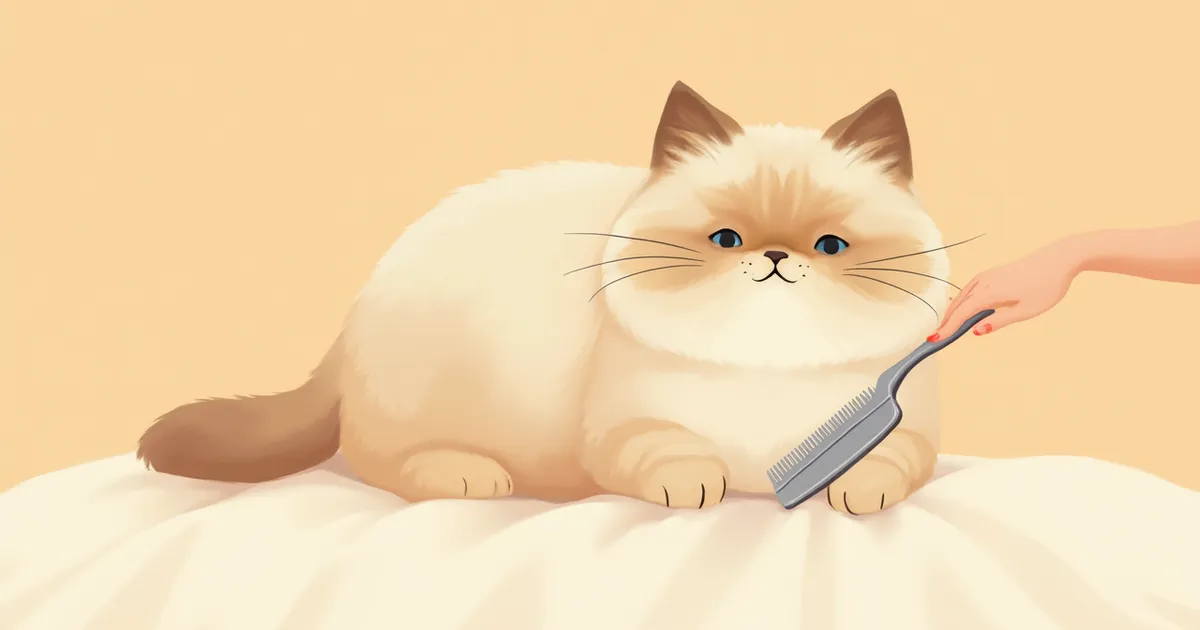
Rex Doll Semi-Long Hair Grooming Guide
Rex dolls have a short undercoat, so daily 5-minute brushing and twice-weekly focused grooming are enough to prevent tangles. Here’s a guide on the order of brushing by body part and how to choose the right tools.
Siamese Routine Checkup Schedule — Age-Based Checklist
Siamese cats are prone to respiratory, dental, and heart conditions. We’ve outlined the recommended screening schedule by age and the essential tests to keep in mind.
7 Genetic Conditions in Siamese Cats — Symptoms, Causes, and Lifetime Management Guide
We’ve compiled a clear overview of the genetic conditions that Siamese cats are particularly prone to. This guide includes essential health checks for owners, such as amyloidosis, asthma, and strabismus, along with early warning signs to help catch these issues promptly.
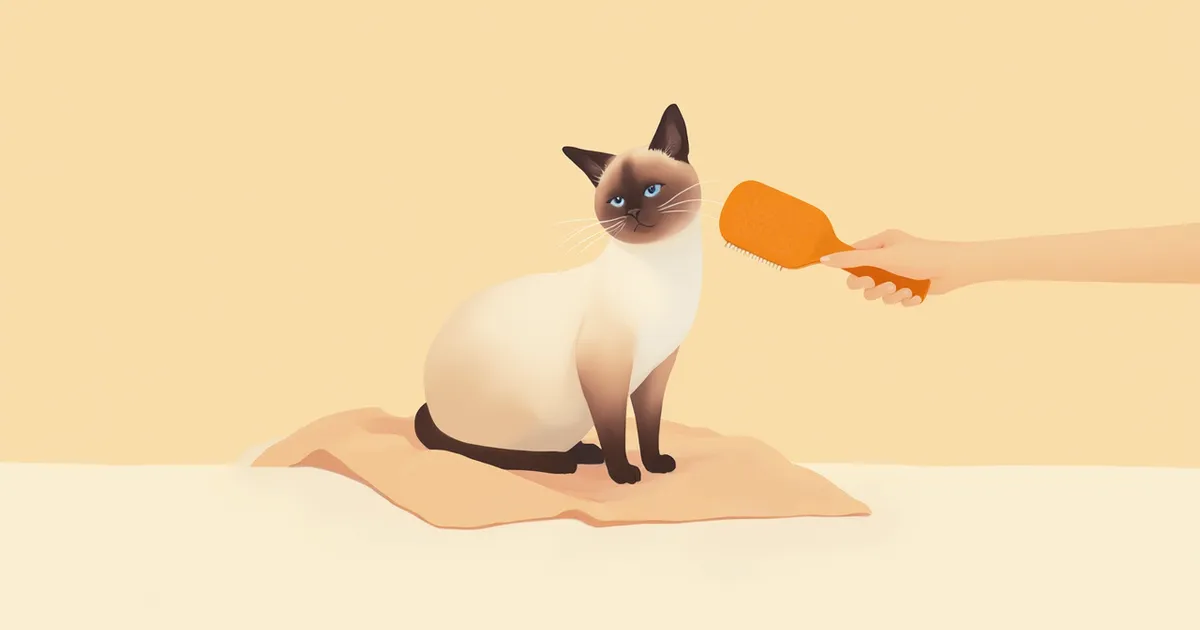
Siamese Short-Hair Grooming: A Complete Guide from Brushing to Point Coloration Care
We’ve put together a guide on grooming frequency, tools, and skin care tips to help keep your Siamese cat’s short coat and distinctive point coloration healthy.
Maine Coon Regular Checkup Schedule — Age-Specific Checklist for Common Conditions Such as Hypertrophic Cardiomyopathy
Maine Coons are at higher risk for hypertrophic cardiomyopathy, polycystic kidney disease, and hip dysplasia, making age-specific regular check-ups essential. We’ve outlined the recommended tests for each life stage, from 1 year old to 8 years and beyond.

Maine Coon Genetic Conditions — 5-Point Checklist for Hypertrophic Cardiomyopathy and Hip Dysplasia
Maine Coons are a large breed at higher risk for genetic conditions such as hypertrophic cardiomyopathy, polycystic kidney disease, and hip dysplasia. Here are five key health issues owners should know about and proactively monitor.

Maine Coon Long-Hair Grooming — A Complete Guide from Brushing to Tangle Prevention
Maine Coons are large, long-haired cats with a double coat, so brushing them two to three times a week and bathing them once a month is essential. Here’s a grooming routine to help prevent tangles, hairballs, and skin issues.

Maine Coon Polydactyly: Check and Care
We’ve compiled everything cat owners need to know about Maine Coon polydactyly, from its definition and genetic causes to paw and nail care tips, as well as warning signs that warrant a vet visit.

Persian Routine Health Checkup Schedule — Age-Specific Management for Polycystic Kidney Disease and Tear Stains
Persian cats are at higher risk for genetic conditions such as polycystic kidney disease and brachycephalic airway syndrome, making age-specific regular check-ups essential. Here’s a summary of recommended screening items and intervals by life stage.

Daily Grooming Guide for Persian Longhairs
Persian cats are a long-haired breed that requires daily grooming. We’ve compiled the essential care tips every owner should know, including brushing, managing tear stains, and bathing.

7 Jack Russell Hereditary Conditions — Symptoms, Causes, and Lifelong Care Guide
We’ve compiled the key conditions Jack Russell Terriers are genetically predisposed to—such as lens luxation, patellar luxation, and late-onset ataxia—along with essential check-up points for owners to keep in mind.

Jack Russell Terrier Grooming by Coat Type — Complete Guide to Smooth, Rough, and Broken Care
Jack Russell Terriers have three coat types—smooth, broken, and rough—each requiring a completely different grooming approach. Here’s a comprehensive guide covering brushing frequency, hand-stripping techniques, and skin care tailored to each coat type.

The Complete Guide to Border Collie Regular Check-up Schedules
Border Collies are a medium-sized breed at risk for joint, eye, and genetic disorders, making age-specific health screenings essential. Here’s a breakdown of recommended check-up schedules and must-have tests for puppies, adult dogs, and seniors.
Border Collie CEA (Collie Eye Anomaly) — A Complete Guide from Screening Timelines to Genetic Management
We’ve put together a comprehensive guide covering the definition of CEA, a common hereditary eye condition in Border Collies, as well as screening timelines, the differences between fundus and genetic testing, and important considerations for breeding.

Shiba Inu Double Coat Grooming — Complete Guide to Blow Coat, Brushing, and Bathing
Shiba Inus have a double coat, so proper blow-drying care during seasonal transitions is essential. Here’s a complete guide covering brushing, bathing, and the right tools for blow-drying.

Labrador Double-Coat Grooming: Complete Guide to Shedding, Brushing, and Seasonal Care
We’ve compiled the essential grooming tips every Labrador Retriever owner should know, including insights into their double-coat structure, seasonal shedding patterns, and proper brushing, bathing, and skin care techniques.

Beagle Short-Hair Grooming Guide — Mastering Shedding and Ear Care
Beagles have short coats but shed heavily, and their floppy ears make them prone to frequent ear infections. Brushing two to three times a week and checking their ears once a week are essential.

Pug Genetic Condition Checklist (PDE, Hemivertebrae)
We’ve put together a comprehensive overview of the genetic conditions that require special attention in Pugs: PDE (necrotizing meningoencephalitis), hemivertebrae, and Brachycephalic Obstructive Airway Syndrome (BOAS). This guide includes the early warning signs and key management tips that every owner should know.

Pug Wrinkle & Double Coat Grooming — Key Care Tips to Prevent Dermatitis
Pugs require a grooming routine that differs from other breeds due to their deep facial wrinkles, double coat that sheds, and brachycephalic respiratory traits. We’ve summarized the essential care tips every owner should know, including wrinkle cleaning, undercoat maintenance, and eye and ear care.

Pug Facial Wrinkle Care Guide
While a Pug’s deep facial wrinkles are undeniably charming, they are also prone to developing dermatitis. Here’s a guide to a daily cleaning routine and the warning signs to watch for.

The Complete Guide to Pug BOAS Surgery and Recovery Care
We’ve outlined the types of surgery for Brachycephalic Obstructive Airway Syndrome (BOAS) in Pugs, the recovery process, and essential care tips every owner should know.

Chihuahua Routine Check-ups and Lifelong Care Schedule
Chihuahuas require age-specific health screenings due to their small size and genetic predispositions. We’ve outlined the recommended check-up items and care schedules for each life stage: puppy, adult, and senior.

Complete Guide to Chihuahua Genetic Disorders — 7 Conditions from Patellar Luxation to Heart Disease
Chihuahuas are prone to hereditary conditions such as patellar luxation, hydrocephalus, and dental issues, which are common in their small frames. Here’s a comprehensive overview of the key points for lifelong care.

The Ultimate Guide to Chihuahua Grooming and Fontanelle Care
We’ve compiled the essential grooming tips every Chihuahua owner should know, covering routines for both short- and long-haired varieties, proper care for the fontanelle on the head, and strategies to prevent skin issues.

Symptoms and Management of Hydrocephalus and Molera in Chihuahuas
We’ve put together an easy-to-understand guide for pet owners on hydrocephalus and molera (a soft spot on the skull), which are common in Chihuahuas, covering their characteristics, symptoms, diagnosis, and management.

Yorkshire Terrier Genetic Conditions — Symptoms, Prevention, and Care Guide to Check Before Adoption
We’ve compiled a list of seven common genetic conditions in Yorkshire Terriers, along with early warning signs and a checklist for owners to monitor at home.

Yorkshire Terrier Silky Coat Grooming Guide
We’ve put together the essential grooming tips every Yorkie owner should know, covering the unique traits of their silky coat, daily brushing routines, bathing and grooming schedules, and how to prevent skin issues.