
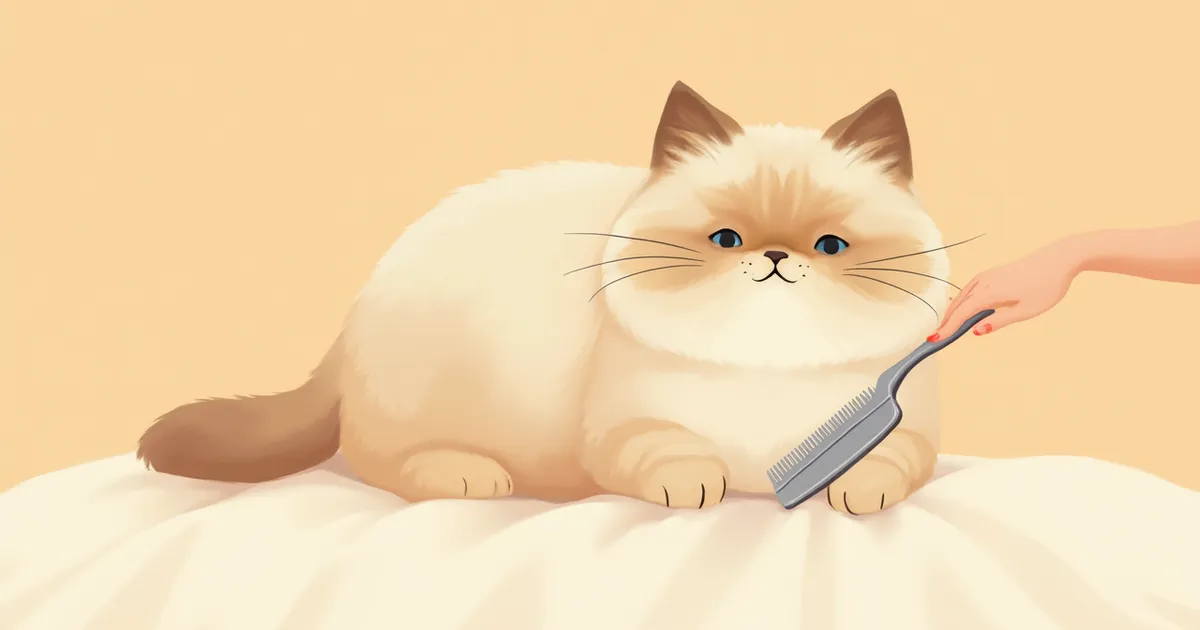
Rex Doll Semi-Long Hair Grooming Guide
Rex dolls have a short undercoat, so daily 5-minute brushing and twice-weekly focused grooming are enough to prevent tangles. Here’s a guide on the order of brushing by body part and how to choose the right tools.
What Kind of Coat Do Rex Dolls Have?
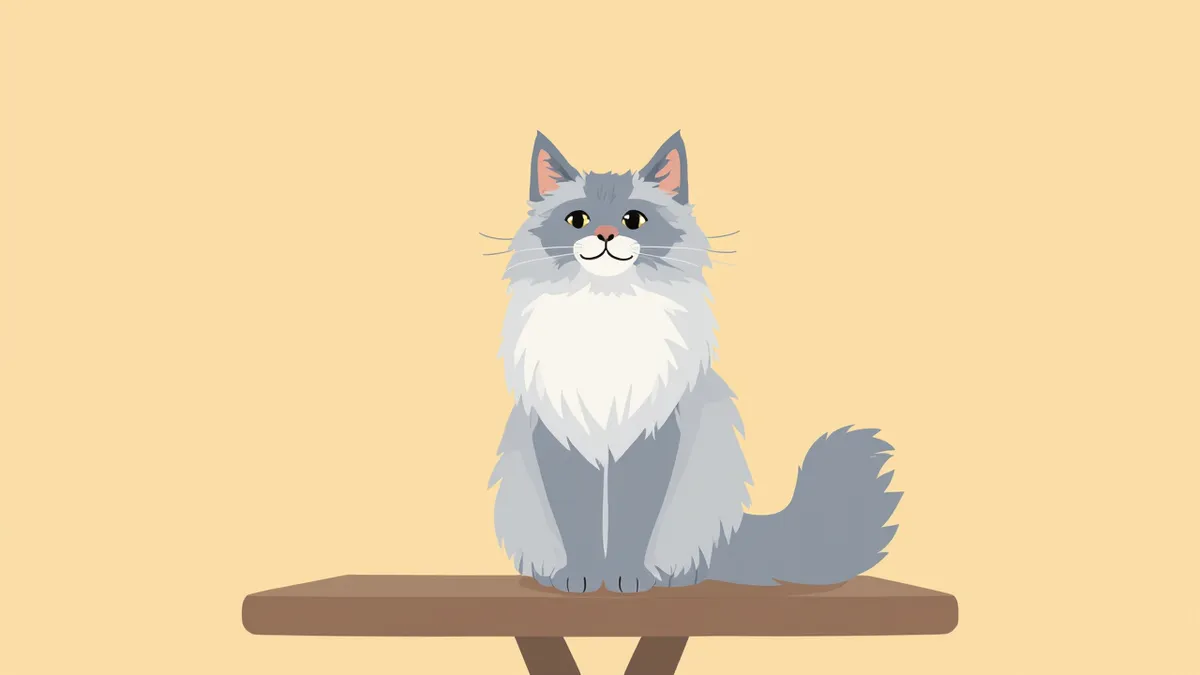
3 Characteristics of Rex Doll Coat Structure
Checklist for Areas Prone to Tangles
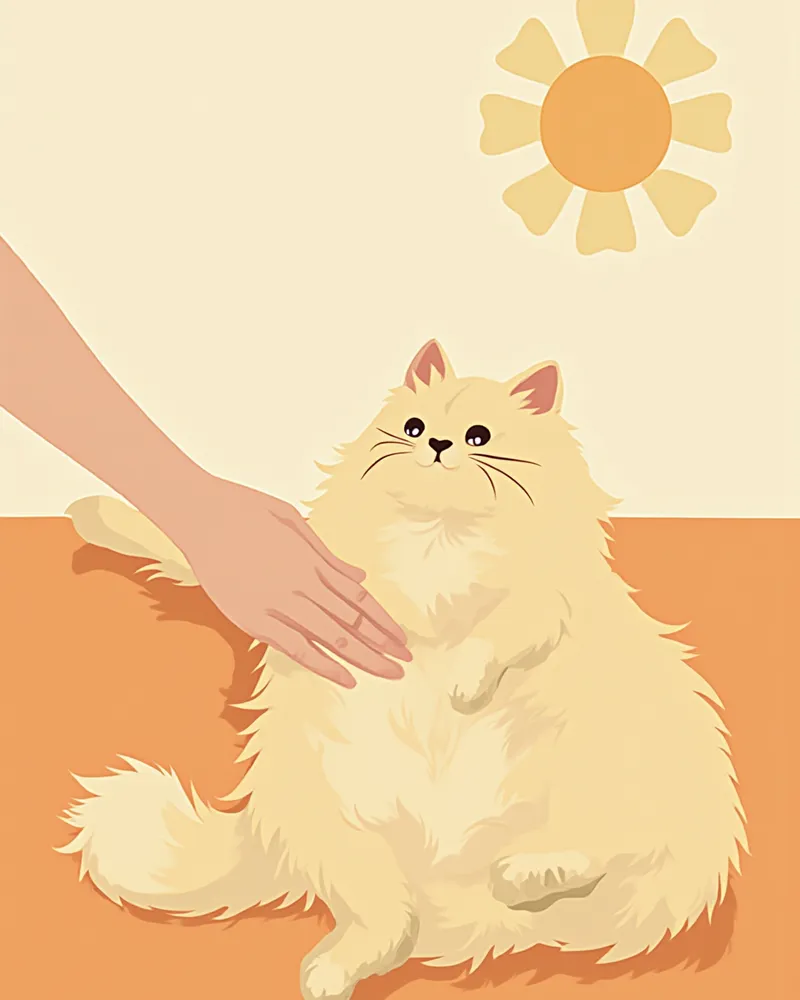
Comparison of Rex Doll Grooming Tools
| Item | Slicker brush | Steel comb | Pin brush |
|---|---|---|---|
| Main use | Brushing topcoat/detangling | Checking for mats/tidying coat | Finishing brush/anti-static |
| Recommended frequency | 2–3 times a week | 5 minutes daily | 1–2 times a week |
| Mat removal | Excellent | Moderate | Low |
| Skin irritation | Caution needed | Low | Almost none |
| Recommended for beginners | Moderate | ★★★ | ★★ |
For Ragdoll beginner owners, we recommend starting with a single steel comb (double-sided fine + coarse)
Tools You Should Never Use
Undercoat rakes like the FURminator are designed for breeds with dense undercoats, such as Persians and Maine Coons. Using them on breeds with sparse undercoats, like Rex Dolls, can damage healthy hair follicles and cause the skin to become red and swollen. Additionally, cutting mats directly with scissors is dangerous because it is difficult to distinguish between the skin and the fur, leading to frequent accidental cuts. For severe matting, please have a veterinarian or professional groomer remove the mats using electric clippers.
Correct Brushing Order and Method
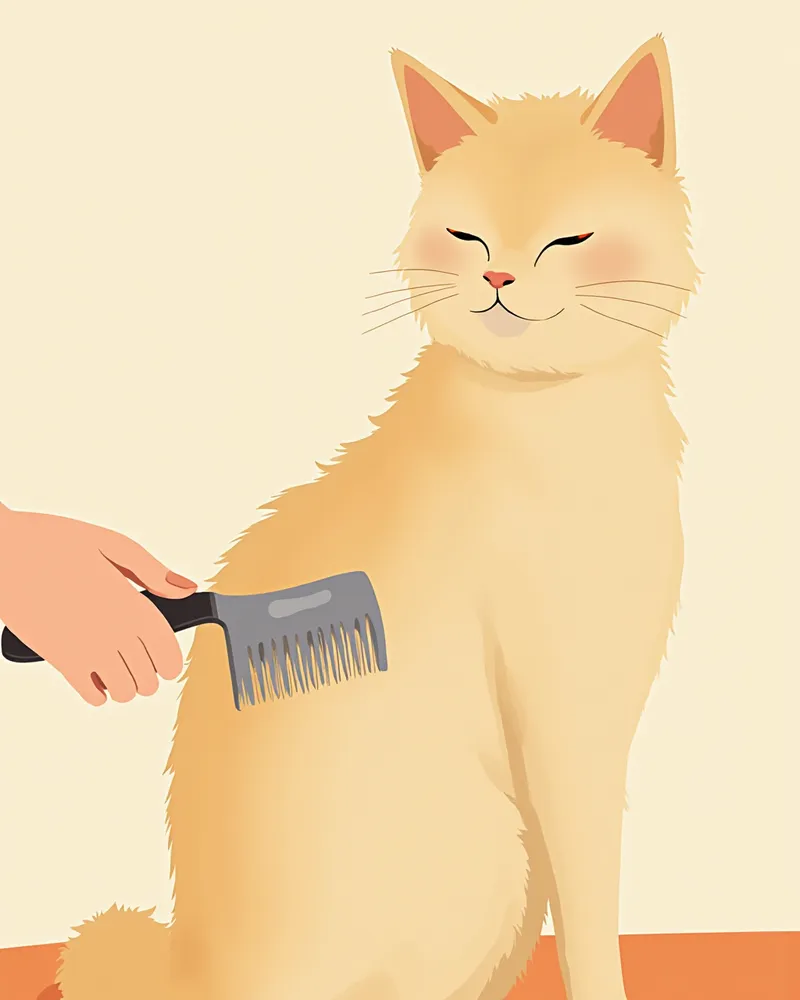
Bathing Frequency and Shampoo Selection
Grooming Precautions Specific to Rex Dolls
Rex Dolls are a breed frequently cited as being predisposed to hypertrophic cardiomyopathy (HCM). However, individual risk varies, so it's best to have a veterinarian perform a cardiac exam for an accurate assessment. If your cat suddenly starts breathing heavily, pants for longer than usual, or shows bluish discoloration of the tongue or gums during grooming, stop immediately and contact your veterinarian. Since minimizing stress and fear is crucial for a cat's health and well-being, it's safest to keep grooming sessions short—about five minutes at a time—and conduct them in a calm, comfortable environment.
Shedding Season and Seasonal Care Points
Reviewed by a veterinarian

Dr. Tony — Punnawat Phongkittirak
VeterinarianA veterinarian who majored in veterinary medicine at Khon Kaen University, Thailand, and completed the IVSA program at North Carolina State University in the United States. Drawing on clinical experience at animal hospitals, he works in the pet healthcare field and is dedicated to building a digital care environment that connects pet parents with veterinarians.
Reviewed 2026-04-30
Frequently Asked Questions
Do Ragdolls need to be brushed every day?
If the tangles are too severe, can I cut them with scissors?
How often should I bathe my pet?
Is it okay to use an undercoat remover like the Furminator?
What should I do if my pet suddenly starts panting during grooming?
Share
Related Guides

Top 5 Medicated Dog Shampoos — For Pyoderma and Bacterial Infections

Veterinarian-Recommended Top 5 Medicated Shampoos for Canine Yeast Dermatitis — Relieves Itching and Greasiness
Top 5 Medicated Cat Shampoos Recommended by Veterinarians — Fungal Dermatitis and Fungal Care

Abyssinian PRA — The Complete Guide to Early Screening and Genetic Management to Prevent Blindness

Scottish Fold Genetic Disease Checklist

Russian Blue Regular Check-up Schedule
British Shorthair Regular Check-ups: Age-Specific Checklist and Management of Common Diseases
British Shorthair and Longhair HCM Screening — A Complete Guide from Timing to Frequency
Ragdoll Genetic Disease Checklist

Ragdoll HCM Screening Schedule
References
[1] Hnilica KA, Patterson AP. Small Animal Dermatology: A Color Atlas and Therapeutic Guide, 4th Ed. Elsevier, 2017
[2] Luis Fuentes V, et al. Textbook of Cardiovascular Medicine in Dogs and Cats — Feline HCM (Ragdoll MYBPC3 R820W)
[3] Miller WH, Griffin CE, Campbell KL. Muller and Kirk's Small Animal Dermatology, 7th Ed. Elsevier, 2013