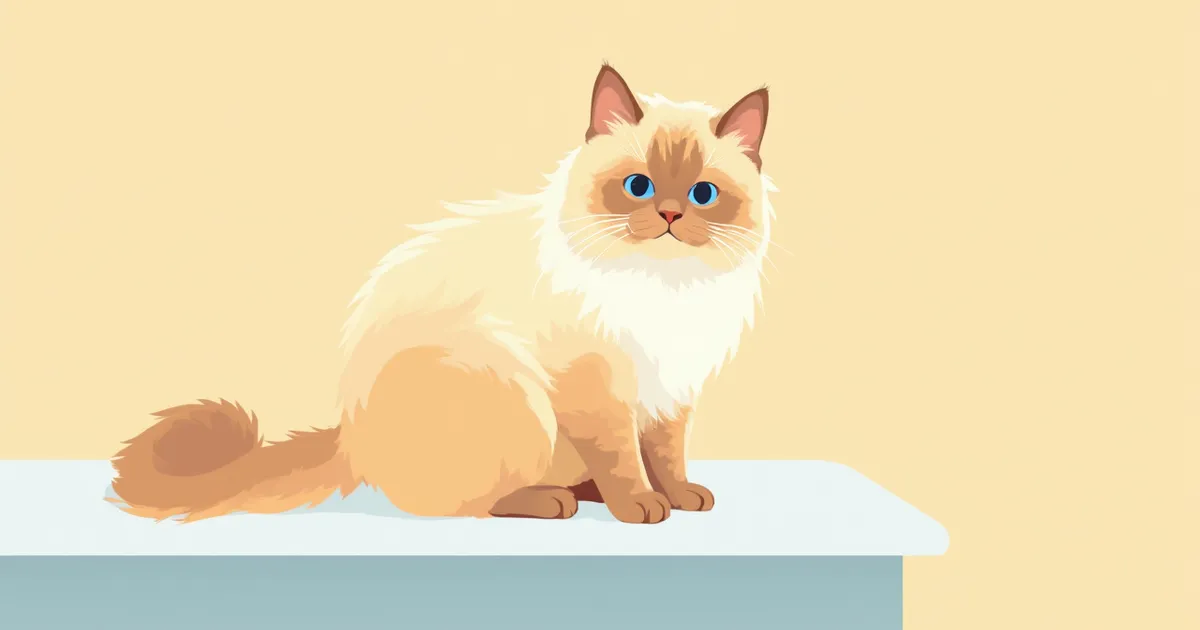
Like
Share
멍실장
비숑 유전질환 체크리스트: 보호자가 꼭 알아야 할 7가지

7 Genetic Conditions in Bichon Frises: Symptoms, Causes, and Lifelong Care Guide

ImmunityBreed HealthMeongsiljang Veterinary Advisory Board

This guide provides a clear overview of the main health conditions Bichon Frises are genetically predisposed to, such as patellar luxation, atopic dermatitis, and cataracts, along with checkpoints owners can use to monitor their pets at home.

What Breed Is the Bichon Frise?

A Bichon Frise waiting for its appointment at the animal hospital
Bichon Frises are a small breed prone to hereditary conditions such as patellar luxation, atopic dermatitis, and cataracts. Early detection is truly the most critical factor. Since Bichons tend to hide their symptoms well, the most reliable way to care for them is to consistently monitor their behavior, skin, and eyes, and to schedule regular veterinary check-ups once or twice a year. Many early warning signs first appear between six months and two years of age.

Top 5 Conditions Bichons Are Genetically Prone To

Here’s a summary of genetic conditions that Bichon Frises are more prone to compared to other breeds.
Patellar luxation: An orthopedic condition in which the kneecap slips out of its normal position.
Atopic dermatitis: Chronic itching caused by environmental allergies.
Cataracts: An eye condition in which the lens becomes cloudy, leading to vision loss.
Bladder stones: A urinary tract disorder in which stones form in the bladder, causing difficulty urinating.
Epiphora (tear staining): A condition in which excessive tearing causes the fur around the eyes to turn brown.

Patellar Luxation: The Most Common Orthopedic Condition in Bichons
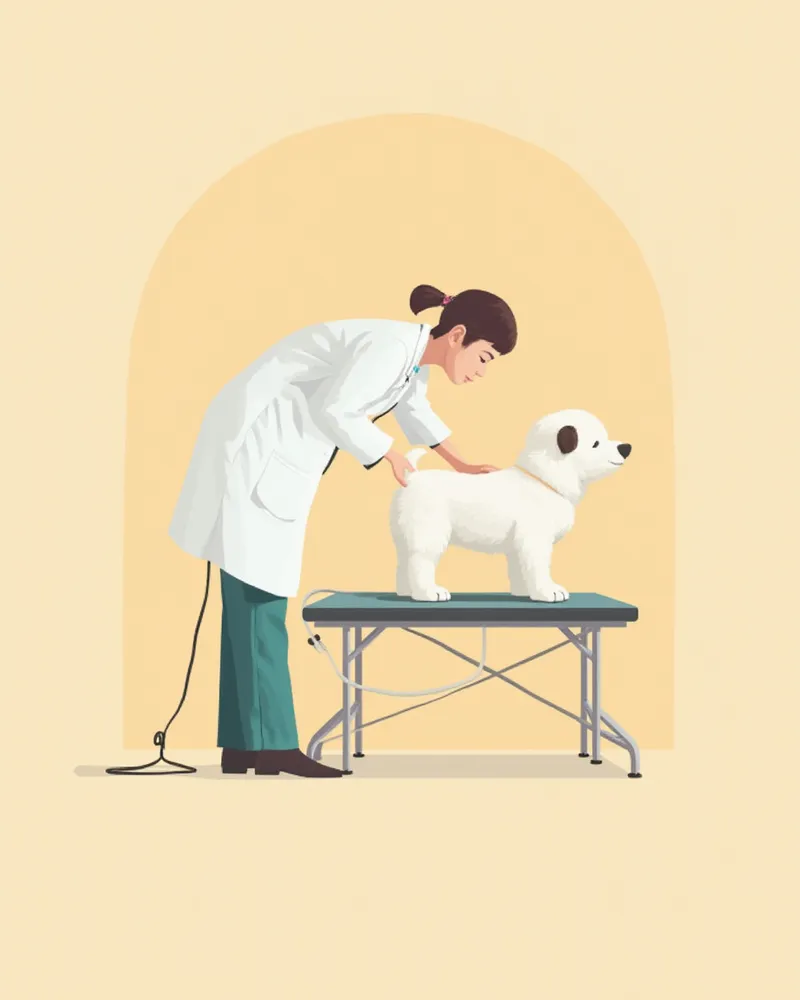
Patellar luxation is relatively common in small breeds like the Bichon Frise. However, the cause isn’t simply a lightweight skeleton; it results from developmental abnormalities—such as a shallow trochlear groove (the pulley-like track for the kneecap), misalignment of the femur and tibia, or issues with the soft tissues supporting the knee—acting alone or in combination. You should suspect this condition if your dog, while walking normally on flat ground, suddenly lifts one hind leg and hops around (a “skipping” gait). Because the pain is usually mild and intermittent, it’s easy to overlook.
Grade 1: The kneecap dislocates with gentle manual pressure but returns to its normal position on its own.
Grade 2: The kneecap requires manual reduction after dislocation. Surgical intervention is increasingly recommended from this stage onward.
Grades 3–4: The kneecap is permanently dislocated or dislocates again almost immediately after being manually reduced. Conservative treatment alone has limited effectiveness.
Diagnosis primarily relies on the veterinarian’s physical palpation to grade the condition from 1 to 4, rather than X-rays alone. The timing of surgery is then discussed based on the symptoms and the assigned grade.
A veterinarian examining the hind legs of a Bichon Frise.

Go to the Vet Immediately If You See These Signs

Genetic diseases can be tricky to spot early on because symptoms are often subtle. If any of the following signs persist for more than 24 hours, your pet needs to see a veterinarian. - Frequently lifting one leg while walking - Repeatedly licking or scratching their paws, ears, or belly - Cloudy or hazy appearance of the pupils - Frequent urination with small amounts - Straining during urination or visible blood in the urine

Atopic Dermatitis: A Lifelong Management Condition for Bichons

Atopic dermatitis is a hereditary allergic skin disease known to have strong breed predispositions. Veterinary dermatology textbooks classify it as a condition with clear breed predispositions and genetic backgrounds, so owners of sensitive-skinned breeds like the Bichon Frise should carefully monitor for signs of itching. Itching may manifest as scratching, licking, rubbing, or scooting the hindquarters on the floor, so detailed observation of these behaviors by the owner greatly aids diagnosis. Once the condition develops, it is difficult to completely eliminate the allergic triggers, requiring lifelong management. However, acute and chronic itching can be effectively controlled by combining medications such as glucocorticoids, cyclosporine, and oclacitinib with medicated baths and dietary management. That said, glucocorticoids are not recommended as a first-line treatment due to potential long-term side effects. Early intervention is crucial, as leaving the condition untreated can lead to secondary bacterial infections (superficial pyoderma) or Malassezia dermatitis.

Don’t Forget Genetic Eye and Urinary Tract Conditions

Cataracts: Cataracts are an eye condition in which the lens becomes cloudy, leading to vision loss. They can appear at a relatively young age due to genetic predisposition. Signs may include bumping into furniture in dim light or hesitating to go down stairs. The extent of progression and presence of complications should be confirmed through an ophthalmic examination, and treatment options, including surgery, should be determined in consultation with a veterinarian specializing in ophthalmology.
Bladder Stones: When stones form in the bladder, urination can become difficult and blood may appear in the urine. Adequate water intake and a balanced diet are the foundation of prevention. Because management and treatment vary depending on the type of stone, we recommend checking your pet’s condition once a year with urinalysis and abdominal ultrasound.
A close-up of the Bichon’s clear, bright eyes.

Peak Onset Ages and Checkpoints for Bichon Genetic Conditions

ItemPatellar LuxationAtopic DermatitisCataractBladder Stones
Common Onset Period6 months–3 years6 months–3 years3–7 years5 years and older
Typical SignsHind leg skippingRecurring itchingCloudy eyes/reduced visionBlood in urine/difficulty urinating
Home Check FrequencyObserve gait once a weekCheck skin dailyPhotograph eyes once a monthCheck urine color once a week
Recommended Checkup IntervalOnce a yearTwice a yearOnce a yearOnce a year

Based on veterinary internal medicine and veterinary surgery textbooks

Health Care Bichon Owners Can Do at Home

While we can’t completely prevent genetic diseases, we can delay their onset and slow their progression.
Weight management: Excess weight puts extra strain on joints and the patella, so maintaining a healthy weight is essential.
Slip prevention: Place mats or rugs on hardwood floors to reduce the impact of jumping and slipping.
Skin care: Bathe your pet with a hypoallergenic shampoo once or twice a week to wash away allergens.
Hydration: Use an automatic water fountain to encourage adequate daily water intake.
Balanced nutrition: Choose a diet that provides a balanced ratio of protein, fat, and minerals.

Make Sure to Get an Annual Comprehensive Health Check-up

For Bichons, we recommend annual comprehensive health check-ups before age seven, and twice-yearly check-ups after that. A single visit covering blood and urine tests, abdominal ultrasound, patellar palpation, and an ophthalmic exam can help detect most hereditary conditions at an early stage. Keeping a consistent record of check-ups from a young age is also beneficial, as it helps prevent pre-existing conditions from being classified as such when applying for pet insurance later on.

Reviewed by a veterinarian

Dr. Tony — Punnawat Phongkittirak

Dr. Tony — Punnawat Phongkittirak

Veterinarian

A veterinarian who majored in veterinary medicine at Khon Kaen University, Thailand, and completed the IVSA program at North Carolina State University in the United States. Drawing on clinical experience at animal hospitals, he works in the pet healthcare field and is dedicated to building a digital care environment that connects pet parents with veterinarians.

Frequently Asked Questions

Do all Bichons suffer from patellar luxation?
Not at all. While certain breeds are more prone to it, not every dog will develop the condition. However, since it’s relatively common in small breeds, we recommend regular patellar palpation (physical exams) starting at six months of age to assess the severity.
Will switching to a different dog food alone improve atopic dermatitis in Bichons?
Food allergies and environmental allergies are different. Changing your pet’s diet is only effective when a food allergy is the cause. For environmental atopic dermatitis, you need to combine medications, medicated baths, and immunotherapy to see real results. The first step is always an accurate diagnostic test to identify the exact cause.
What happens if a Bichon Frise’s cataracts are left untreated?
Cataracts should be evaluated through an ophthalmic examination to determine the extent of progression and the presence of any complications. If left untreated, they can impair vision, so it's best to consult a veterinary ophthalmologist to discuss appropriate treatment options and the optimal timing for surgery.
At what age should Bichons begin genetic disease screening?
We recommend a comprehensive initial health check-up around six months of age, including patellar palpation, an ophthalmic exam, and basic blood work. Even if no abnormalities are detected, annual follow-up examinations are the safest approach.
Can Bichon Frise hereditary diseases be covered by pet insurance?
Insurance policies and coverage details vary by insurer and product. In most cases, pre-existing conditions diagnosed before enrollment are excluded from coverage. Be sure to carefully review the “genetic conditions and pre-existing conditions” clause in the policy before signing up.

Share

Related Guides

References

[1] BSAVA Manual of Canine and Feline Dermatology, 4th Edition

[2] Ettinger SJ, Feldman EC. Textbook of Veterinary Internal Medicine, 8th Edition

[3] Gelatt KN. Veterinary Ophthalmology, 6th Edition

[4] Slatter's Fundamentals of Veterinary Ophthalmology, 5th Edition

This information is based on veterinary literature and does not replace diagnosis or treatment. Please consult a veterinarian for specific health concerns.

Metapet Co., Ltd. | CEO: Park Sung-yong | Business Reg. No. 417-88-02562 | Seoul, South Korea | Customer Center

7 Bichon Frise Genetic Conditions: Symptoms & Care | Meongsiljang