Like
Share
멍실장
요크셔테리어 유전질환 체크리스트

Yorkshire Terrier Genetic Conditions — Symptoms, Prevention, and Care Guide to Check Before Adoption

ImmunityBreed HealthMeongsiljang Veterinary Advisory Board

We’ve compiled a list of seven common genetic conditions in Yorkshire Terriers, along with early warning signs and a checklist for owners to monitor at home.

What Kind of Breed Is the Yorkshire Terrier?

A Yorkshire Terrier puppy standing on the grass in the park
Yorkshire Terriers are a toy breed that requires special attention to structural issues affecting the airway, joints, and liver. With an average weight of 2–3 kg, their small size makes them prone to conditions like tracheal collapse, a common structural disorder in small and toy breeds. Congenital conditions such as portosystemic shunts are also known to have a genetic predisposition. Patellar luxation is another condition frequently suspected in small breeds. The key is early detection. By recognizing the signs of seven major genetic conditions in advance, you can seek veterinary care while symptoms are still mild, significantly reducing the long-term burden of management.

Top 7 Genetic Conditions to Watch for in Yorkshire Terriers

Here are seven conditions that Yorkshire Terrier owners should monitor throughout their dog’s life: - Tracheal Collapse: The cartilage in the trachea flattens, causing repeated coughing that sounds like a goose honk. - Patellar Luxation: A joint disorder where the kneecap slips out of its normal position. - Portosystemic Shunt: A congenital condition in which blood bypasses the liver, leading to toxin buildup. - Legg-Calvé-Perthes Disease: An orthopedic condition causing deformation and necrosis of the femoral head in young puppies (the exact cause remains unknown). - Hypoglycemia: A medical emergency that can occur in young Yorkshire Terriers. - Periodontal Disease: Due to their small mouths and crowded teeth, Yorkshire Terriers are at higher risk for gum disease. - Complications of Portal Hypertension: This can develop as chronic liver disease progresses.

Comparison of Onset Timing and Signs by Genetic Condition

ItemAge of onsetRepresentative signs
Tracheal collapseAfter middle ageGoose-honk cough
Patellar luxationGrowth period to adulthoodSkipping gait
Portosystemic shuntYoung age (mostly before 1 yr)Poor growth / abnormal behavior after eating
Legg-Calvé-Perthes diseaseGrowth period (young age)Hind limb limping
HypoglycemiaPuppy stageLethargy / trembling
Periodontal diseaseAfter adulthoodBad breath / gum bleeding

Based on general references from veterinary internal medicine and surgery textbooks

Tracheal Collapse — Goose-Honking Cough Is the Signal
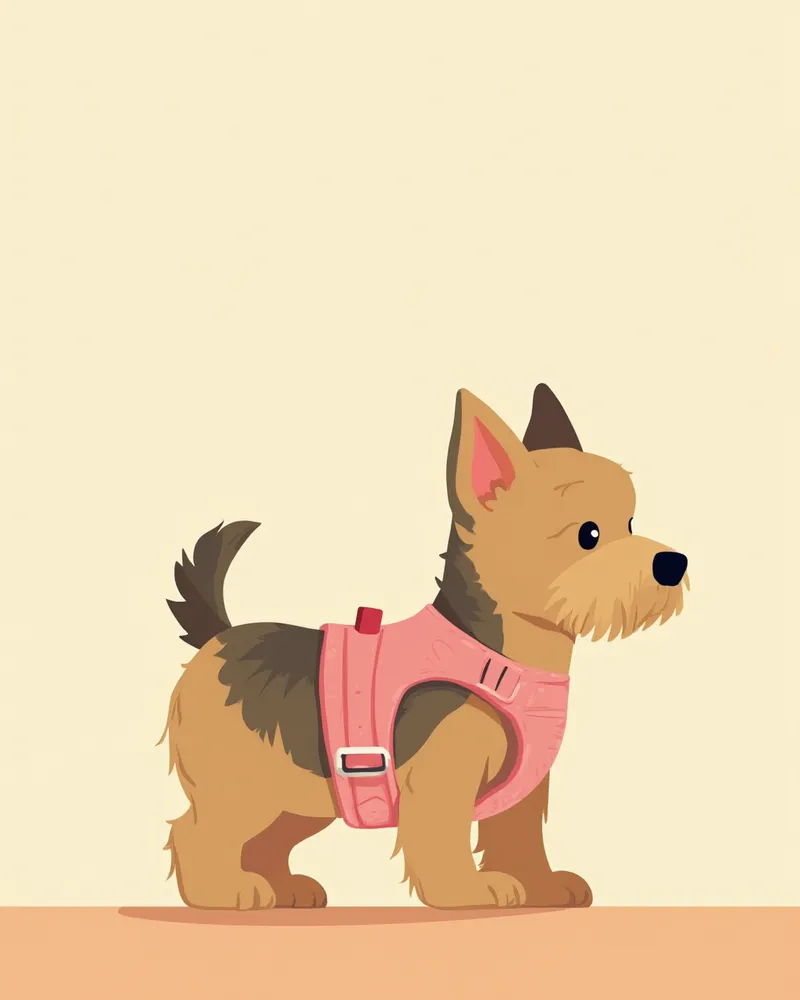
Tracheal collapse is a respiratory condition commonly seen in small and toy breeds. According to veterinary internal medicine textbooks, the tracheal cartilage becomes flattened, leading to coughing, and symptoms tend to be more pronounced in overweight dogs or those in middle age and older. - Goose-honking cough: A honking cough occurs when the dog gets excited or when the leash pulls on the neck. - Exercise-induced respiratory distress: The dog may suddenly stop panting heavily during a walk. - Worsening after weight gain: Gaining weight places additional strain on the trachea, which can exacerbate symptoms. Always use a harness instead of a collar during walks.
A Yorkshire Terrier wearing a pink chest harness while out for a walk

Patellar Luxation and Legg-Calvé-Perthes Disease — Don’t Miss Leg Signals

Toy breeds are prone to both conditions due to their inherently weak knee and hip structures, so veterinarians often suspect them together. - Skipping gait: The dog briefly lifts one hind leg and hops on three legs before returning to a normal walk (an early sign of patellar luxation). - Persistent limping: If a growing Yorkshire Terrier consistently holds one hind leg off the ground, Legg-Calvé-Perthes disease should be considered. This condition typically affects only one leg and is accompanied by thigh muscle atrophy and hip pain. - Altered sitting posture: The dog sits with one leg splayed out to the side. For both conditions, early diagnosis through imaging (radiographs) is recommended.

Emergency Signs Requiring Immediate Veterinary Visit

If you notice any of the following signs, please visit a veterinary clinic within 24 hours. - A young Yorkshire Terrier (3 months or younger) suddenly becomes lethargic and trembles → Hypoglycemic emergency - Appears dazed or presses its head against a wall after eating → Suspected portosystemic shunt - Exhibits seizures or convulsions → Neurological emergency - Coughs with a honking sound and has bluish gums → Severe tracheal collapse - Suddenly cannot use one hind leg at all → Orthopedic emergency

Portosystemic Shunt — Especially Important to Monitor in Young Yorkshire Terriers

A portosystemic shunt is a congenital defect in which blood that should flow to the liver bypasses it through abnormal vessels, allowing toxins to circulate throughout the body. Congenital portosystemic shunts and microvascular dysplasia are known to have a genetic predisposition. - Poor growth: Noticeably smaller body size compared to peers. - Abnormal behavior after eating: Appears dazed or paces in circles after meals. - Recurrent seizures: Experiences repeated seizures of unknown cause. Early screening and diagnosis can be achieved through clinical pathology tests, such as blood bile acids, during the pre-six-month wellness checkup, so be sure to request them.
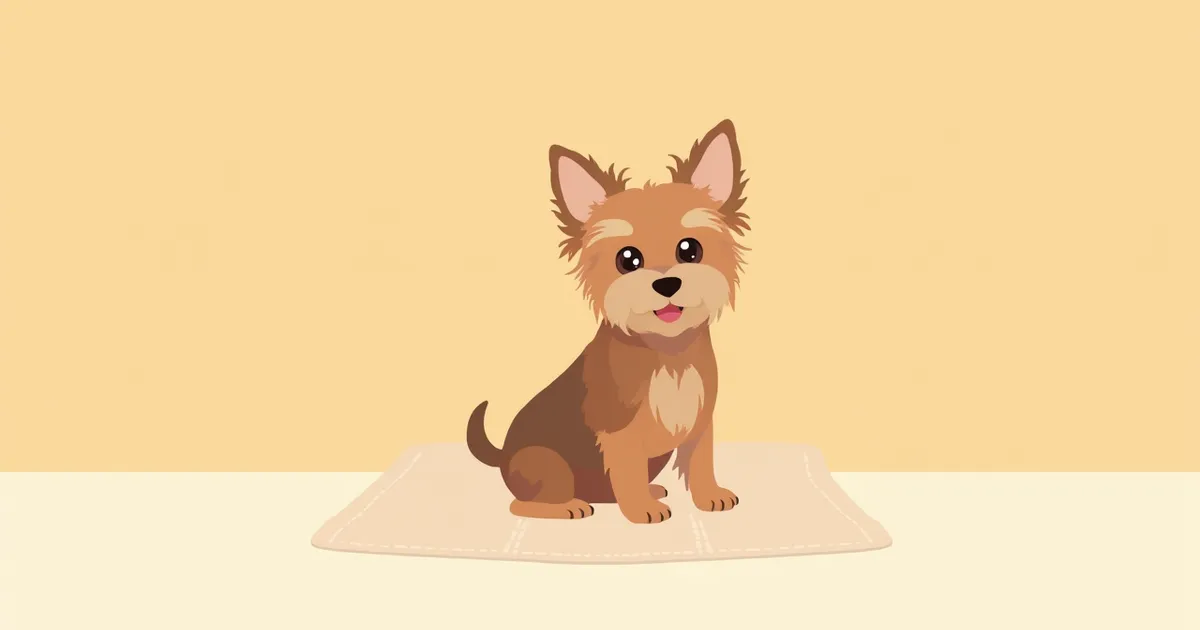
A young Yorkshire Terrier puppy resting on a cozy blanket.

Owner Checklist for Home Monitoring

Once a month, take the time to check the following items carefully: - Coughing frequency: Does your dog have more than two episodes of honking cough per week? - Gait: Record a video of your dog walking to check for hind limb skipping. - Weight changes: Is there a fluctuation of ±10% or more within a month? - Gum color: Pink is normal. Pale or red gums indicate a problem. - Post-meal behavior: Does your dog become lethargic or unsteady within 30 minutes after eating? - Energy level: Does your dog refuse walks or avoid stairs more than usual? If three or more of these apply, your dog needs additional veterinary care beyond regular check-ups.

Lifetime Care Points for Yorkshire Terriers

To reduce the risk of genetic diseases, please consistently follow these three guidelines: - Weight Management: Maintain an ideal body weight (2–3 kg) throughout your pet’s life to reduce strain on the airways and joints. - Use a Harness: Collars can put pressure on the trachea, so please always use a harness instead. - Regular Dental Checkups: Starting at age 1, have your pet undergo dental scaling and oral examinations at least once a year.

Reviewed by a veterinarian

Dr. Tony — Punnawat Phongkittirak

Dr. Tony — Punnawat Phongkittirak

Veterinarian

A veterinarian who majored in veterinary medicine at Khon Kaen University, Thailand, and completed the IVSA program at North Carolina State University in the United States. Drawing on clinical experience at animal hospitals, he works in the pet healthcare field and is dedicated to building a digital care environment that connects pet parents with veterinarians.

Frequently Asked Questions

When should Yorkshire Terriers begin genetic disease testing?
It’s a good idea to request patellar palpation and a blood bile acids test during your puppy’s first comprehensive checkup between 2 and 6 months of age. After turning one year old, please have the heart, trachea, and joints evaluated at each annual wellness exam.
Do Yorkshire Terriers always need to wear a chest harness?
Yes, I strongly recommend it. Collars can put pressure on the trachea, potentially worsening symptoms like honking coughs and tracheal collapse. Please use an H-shaped harness that wraps around the entire chest when walking your pet.
Can Yorkshire Terriers with genetic conditions still live long lives?
With early detection and consistent care, your pet can comfortably enjoy their full life expectancy. In particular, for conditions like tracheal collapse and patellar luxation, simply limiting exercise, adjusting their living environment, and maintaining a healthy weight can help slow disease progression.
Can I find out about genetic diseases before adopting?
Ask the breeder for the health screening records of the parent dogs, including patellar luxation grading and cardiac exam results. A responsible breeder will gladly share these findings with you.

Share

Related Guides

References

[1] Clinical Medicine of the Dog and Cat, 4th Ed — Tracheal Collapse Chapter

[2] Small Animal Critical Care Medicine, 3rd Ed — Tracheal Collapse Etiology

[3] Canine and Feline Respiratory Medicine, 3rd Edition — Small Breed Airway Disease

[4] Textbook of Small Animal Surgery — Patellar Luxation, Legg-Calvé-Perthes Disease

[5] Small Animal Internal Medicine — Portosystemic Shunt in Toy Breeds

This information is based on veterinary literature and does not replace diagnosis or treatment. Please consult a veterinarian for specific health concerns.

Metapet Co., Ltd. | CEO: Park Sung-yong | Business Reg. No. 417-88-02562 | Seoul, South Korea | Customer Center

Yorkshire Terrier Genetic Conditions: Signs, Prevention & Care | Meongsiljang