

Maltipoo Health Care Guide — Tear, Joint, and Skin Care
We’ve compiled the causes and management strategies for tear staining, patellar luxation, and skin conditions—issues to which Maltipoos are particularly susceptible—based on veterinary textbooks.
Three Essentials Every Maltipoo Owner Must Know

Three Common Conditions to Watch for in Maltipoos
Tear Stains — More Than Just a Cosmetic Issue

Patellar Luxation — Both Parent Breeds Are Susceptible

Suspect Patellar Luxation If You Notice These Signs
Does your dog suddenly lift a hind leg while walking or repeatedly stretch it backward? Frequently stopping during walks or seeking to be carried can also be signs of patellar luxation. Because patellar luxation often doesn't cause obvious pain when touched, it's easy for owners to miss early symptoms. If you notice these recurring signs, have your pet examined at a veterinary clinic equipped for orthopedic care.
Skin Conditions — Hidden Problems Beneath Curly Coats
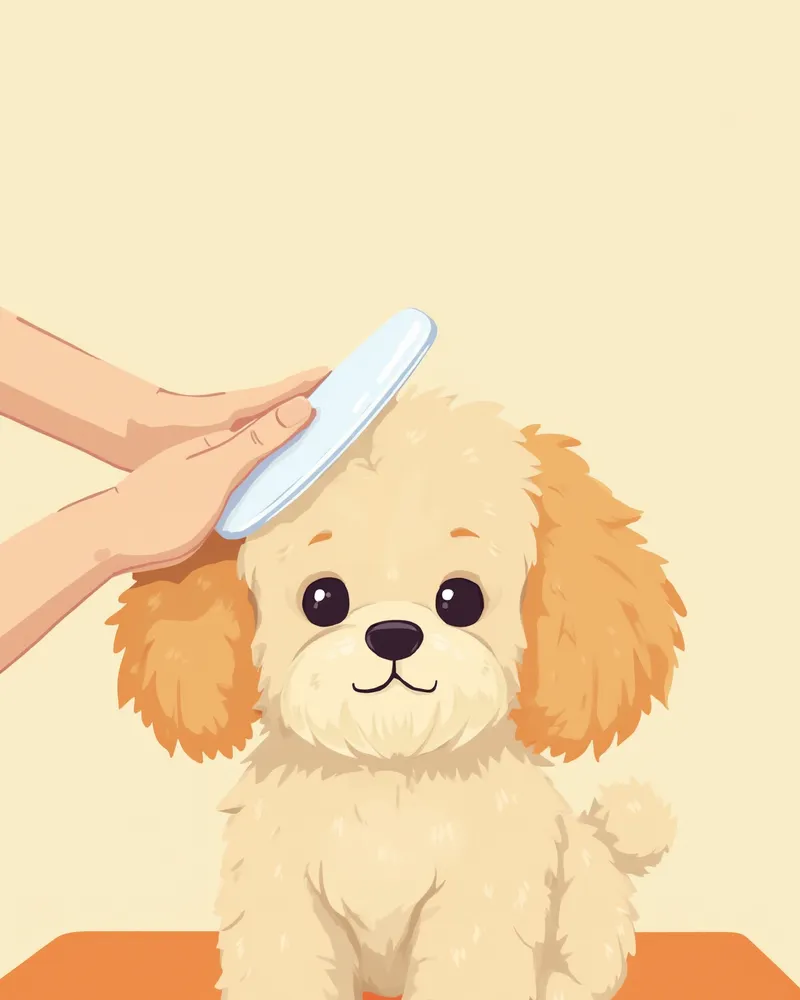
Never Apply Human Ointments
If your pet is constantly scratching, repeatedly licking a specific area, or experiencing hair loss, it’s important to have them examined by a veterinarian. Applying human creams or ointments without professional guidance can worsen the condition. In particular, products containing steroids should only be used under veterinary prescription.
How to Properly Care for Your Maltipoo’s Health
Also Review Health Information by Parent Breed
Reviewed by a veterinarian

Dr. Tony — Punnawat Phongkittirak
VeterinarianA veterinarian who majored in veterinary medicine at Khon Kaen University, Thailand, and completed the IVSA program at North Carolina State University in the United States. Drawing on clinical experience at animal hospitals, he works in the pet healthcare field and is dedicated to building a digital care environment that connects pet parents with veterinarians.
Reviewed 2026-04-13
Frequently Asked Questions
Will changing my Maltipoo’s food help reduce tear staining?
Can Maltipoos also require patellar surgery?
Are Maltipoos prone to sensitive skin?
How often should a Maltipoo have a health checkup?
Share
Related Guides
Top 5 Patellar Support Braces for Dogs — Stage-by-Stage Size Guide
Curcumin Efficacy and Anti-inflammatory/Joint Support

Top 5 Recommended Joint Supplements for Dogs in 2026
Maine Coon Regular Checkup Schedule — Age-Specific Checklist for Common Conditions Such as Hypertrophic Cardiomyopathy
Maine Coon Genetic Conditions — 5-Point Checklist for Hypertrophic Cardiomyopathy and Hip Dysplasia

Maine Coon Long-Hair Grooming — A Complete Guide from Brushing to Tangle Prevention

Maine Coon Polydactyly: Check and Care
Persian Routine Health Checkup Schedule — Age-Specific Management for Polycystic Kidney Disease and Tear Stains
Daily Grooming Guide for Persian Longhairs
7 Jack Russell Hereditary Conditions — Symptoms, Causes, and Lifelong Care Guide
References
[ref-1] Clinical Atlas of Canine and Feline Ophthalmic Disease, 2nd Ed — Epiphora, Nasolacrimal System, Trichiasis
[ref-2] Muller & Kirk's Small Animal Dermatology, 7th Ed — Canine Atopic Dermatitis
[ref-3] Textbook of Veterinary Orthopaedic Surgery — Patellar Luxation
[ref-4] Clinical Medicine of the Dog and Cat, 4th Ed — Chapter 15: Musculoskeletal Disorders
[ref-5] Applied Veterinary Clinical Nutrition, 2nd Ed — Dietary Factors in Tear Staining