
Great Dane Gastric Dilatation-Volvulus (GDV) — From Warning Signs to Prevention and Lifelong Management
Great Danes are one of the breeds at highest risk for gastric dilatation-volvulus (GDV). Here’s a summary of how to spot early symptoms and key health-care tips by age.
Why Are Great Danes Particularly Vulnerable to Gastric Dilatation-Volvulus?
Top 4 Health Issues Great Danes Must Watch for Throughout Their Lives
GDV Emergency Symptom Checklist — Go to the Vet Immediately If You See These Signs
Go to a 24-Hour Emergency Animal Hospital Right Now
GDV is a true emergency that can be fatal within hours of symptom onset. If you observe both dry heaving and abdominal distension, never adopt a "wait-and-see" approach. Call your veterinarian immediately while en route to the clinic to alert them to the possibility of GDV.
GDV Prevention — Daily Practices Owners Can Implement
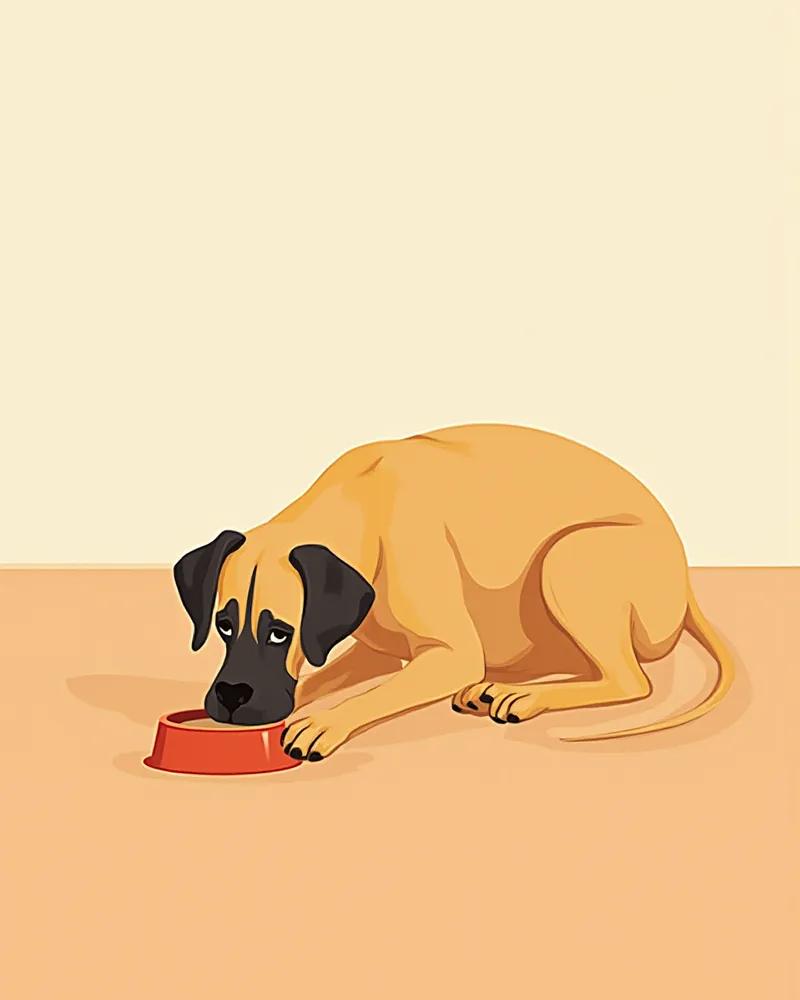
Age-Specific Health Care Points — What to Focus on at Each Stage
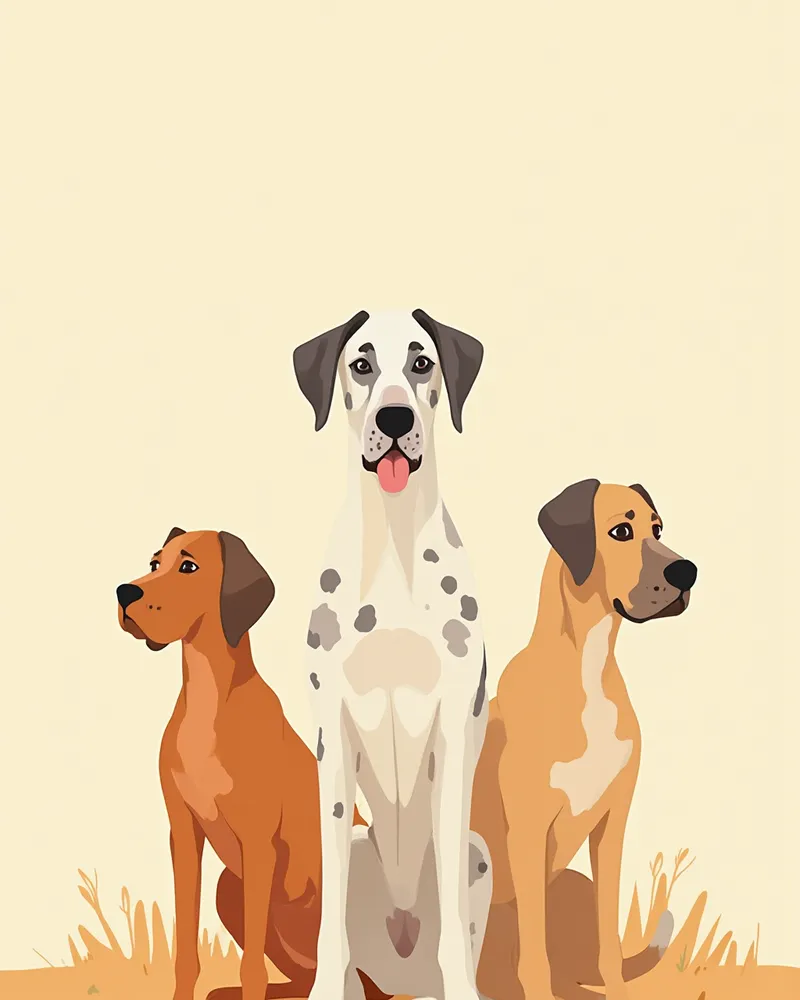
Great Dane Average Lifespan and What Owners Should Know
Great Danes are known to have a shorter lifespan even among large-breed dogs, making focused care at each life stage especially important. In particular, proactively managing gastric dilatation-volvulus (GDV) and dilated cardiomyopathy from their latent (preclinical) stages—before outward symptoms appear—can directly help reduce risks and preserve quality of life. Make it a habit to monitor heart and stomach health through regular veterinary checkups.
Great Dane Routine Checkup Checklist
Reviewed by a veterinarian

Dr. Tony — Punnawat Phongkittirak
VeterinarianA veterinarian who majored in veterinary medicine at Khon Kaen University, Thailand, and completed the IVSA program at North Carolina State University in the United States. Drawing on clinical experience at animal hospitals, he works in the pet healthcare field and is dedicated to building a digital care environment that connects pet parents with veterinarians.
Reviewed 2026-05-28
Frequently Asked Questions
What is the likelihood of a Great Dane developing GDV?
Is preventive gastropexy really necessary?
How can you tell the difference between GDV and simple overeating?
Can my dog make a full recovery after GDV surgery?
Should I start preventing GDV from when my dog is young?
Share
Related Guides
My Senior Cat Won’t Eat — A Complete Guide to Choosing Food for Cats with Weak Digestion
Top 5 Prescription Diets for Feline Pancreatitis Recommended by Veterinarians — Low-Fat, Highly Digestible Food Guide

Royal Canin vs Hill’s vs Purina vs Orijen — Which Brand Is Right for Your Pet, According to Veterinarians?
The Ultimate Guide to Maltipoo Grooming and Coat Care
Shar-Pei Renal Amyloidosis Complete Guide — From Symptoms to Lifelong Management
The Ultimate Guide to Pomeranian Double-Coat Grooming | Key Pomeranian Grooming Tips

Jindo Dog Allergy Skin Precautions and Lifelong Health Care Guide by Age
7 Genetic Diseases Common in British Shorthairs — Early Warning Signs of Heart Disease
The Ultimate Guide to Border Collie Double-Coat Grooming

Complete Guide to Maltipoo Genetic Conditions — Checklist for Diseases Inherited from Maltese and Poodles
References
[1] Shawcross G., 'The dog with gastric dilatation and volvulus', 100 Top Consultations in Small Animal General Practice, 2012
[2] Glickman LT et al., 'Incidence of gastric dilatation-volvulus in dogs', Journal of the American Veterinary Medical Association, 2000
[3] Bruchim Y. et al., 'Pathophysiology, diagnosis, and treatment of gastric dilatation volvulus in dogs', Journal of Veterinary Emergency and Critical Care, 2014
[4] Meeking SA., 'Gastric Dilatation-Volvulus', Advanced Monitoring for Small Animal Emergency and Critical Care, 2nd Ed