

Pomeranian Patellar Luxation: High Incidence — Step-by-Step Management and Brace Guide
Pomeranians are the small breed with the highest incidence of patellar luxation relative to their body size. We’ve put together a comprehensive guide covering step-by-step diagnosis, when to use braces or consider surgery, and key tips for home care.
Pomeranian Patellar Luxation: Why Does It Occur So Frequently?
Reasons for the High Incidence of Patellar Luxation in Pomeranians
Patellar Luxation Symptom Checklist
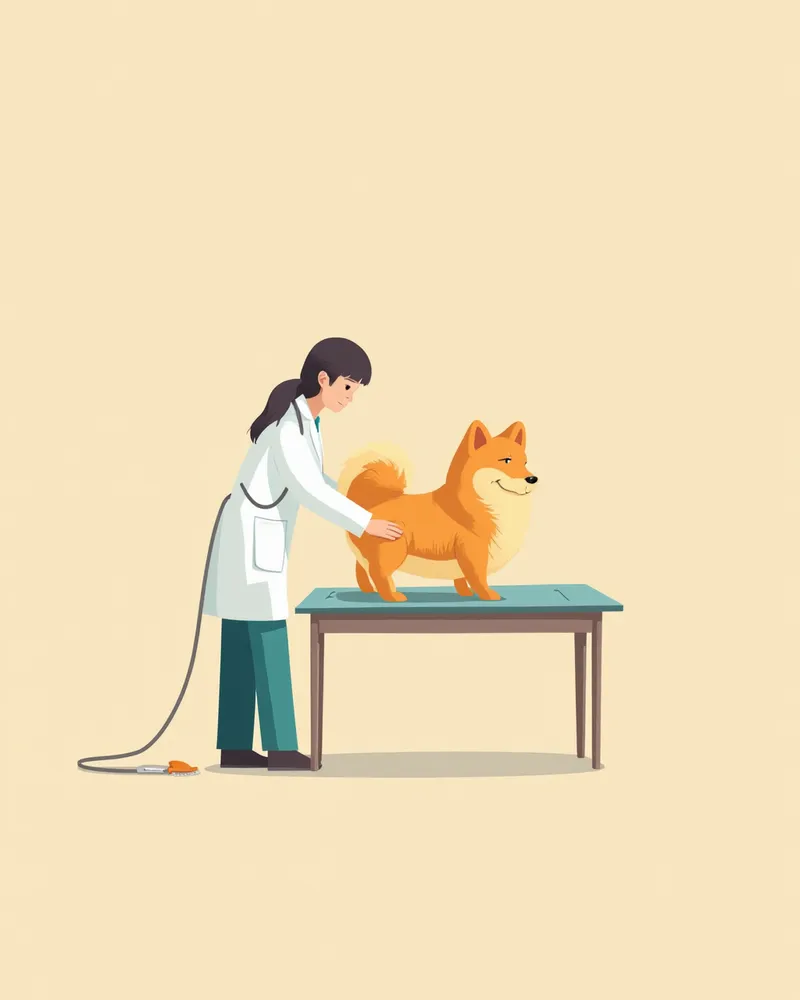
Stage-Specific Characteristics of Patellar Luxation and Recommended Responses
| Item | Grade 1 | Grade 2 | Grade 3 | Grade 4 |
|---|---|---|---|---|
| Luxation pattern | Luxates only when pushed by hand, reduces spontaneously | Luxates and reduces on its own | Usually luxated, can be reduced manually | Always luxated, cannot be reduced |
| Owner-observed signs | Almost no symptoms | Intermittent skipping gait | Persistent limping | Crouched posture, muscle atrophy |
| Recommended response | Weight management, regular checkups | Braces, rehabilitation, weight management | Actively consider surgery | Early surgery essential |
| Prognosis | Good | Good with management | Good after surgery | Some residual effects even after surgery |
Grading must be determined by a veterinarian through palpation and radiographs.
Go to the Vet Within 24 Hours for These Signs
If you notice any of the following signs, it may not be a simple luxation but could involve a cruciate ligament tear or fracture. Immediate orthopedic evaluation is necessary. - Inability to bear weight on the leg for more than 12 hours - Noticeable swelling around the knee joint - Severe pain and vocalization when touched - A knee that previously dislocated easily suddenly fails to reduce
How to Manage Stages 1–2 with Braces and Rehabilitation
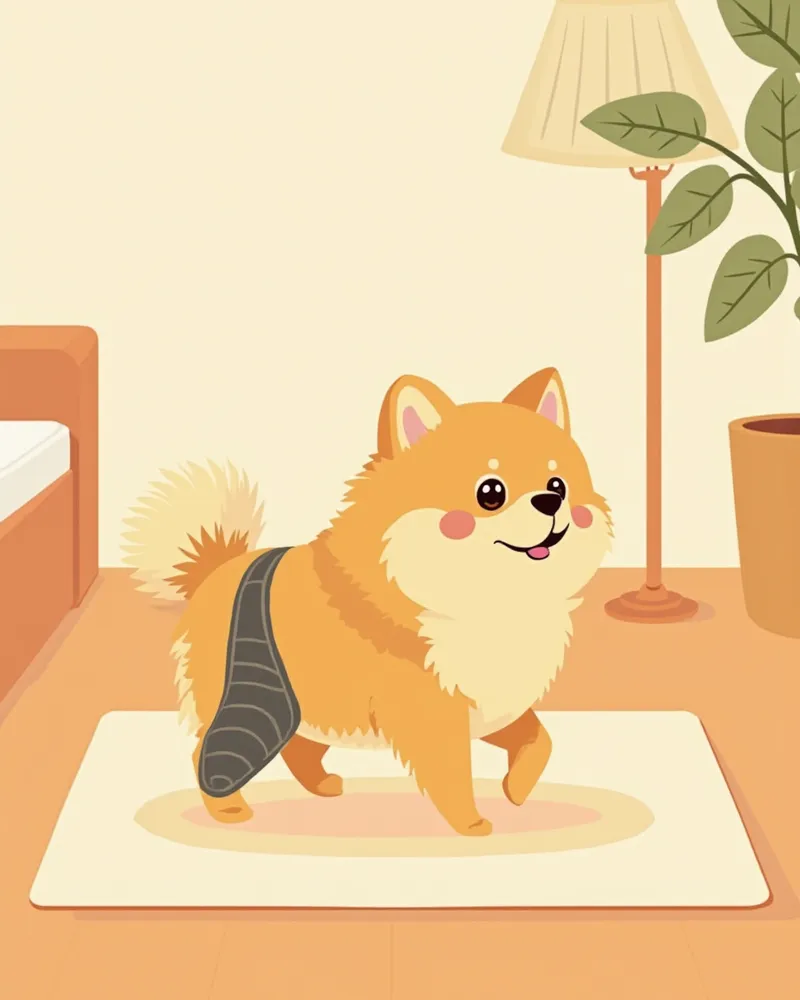
When Surgery Is Necessary and Types of Surgical Procedures
Lifelong Care Essentials for Pomeranian Owners
These are lifelong management principles that apply regardless of whether surgery is performed. - Always place carpets or mats on slippery floors. - Prohibit jumping on sofas and beds—install a dog ramp or stairs instead. - Maintain body weight within 5% of the ideal weight. - Schedule an annual orthopedic radiographic examination. - When picking up your dog, support the hind legs to prevent them from dangling.
Reviewed by a veterinarian

Dr. Tony — Punnawat Phongkittirak
VeterinarianA veterinarian who majored in veterinary medicine at Khon Kaen University, Thailand, and completed the IVSA program at North Carolina State University in the United States. Drawing on clinical experience at animal hospitals, he works in the pet healthcare field and is dedicated to building a digital care environment that connects pet parents with veterinarians.
Reviewed 2026-05-05
Frequently Asked Questions
Is surgery always necessary for a Pomeranian with a Grade 1 patellar luxation?
Wouldn’t it be better to keep the protective collar on all day?
How much does the surgery cost?
If both knees are dislocated, can they be operated on at the same time?
Can the condition recur even after surgery?
Share
Related Guides
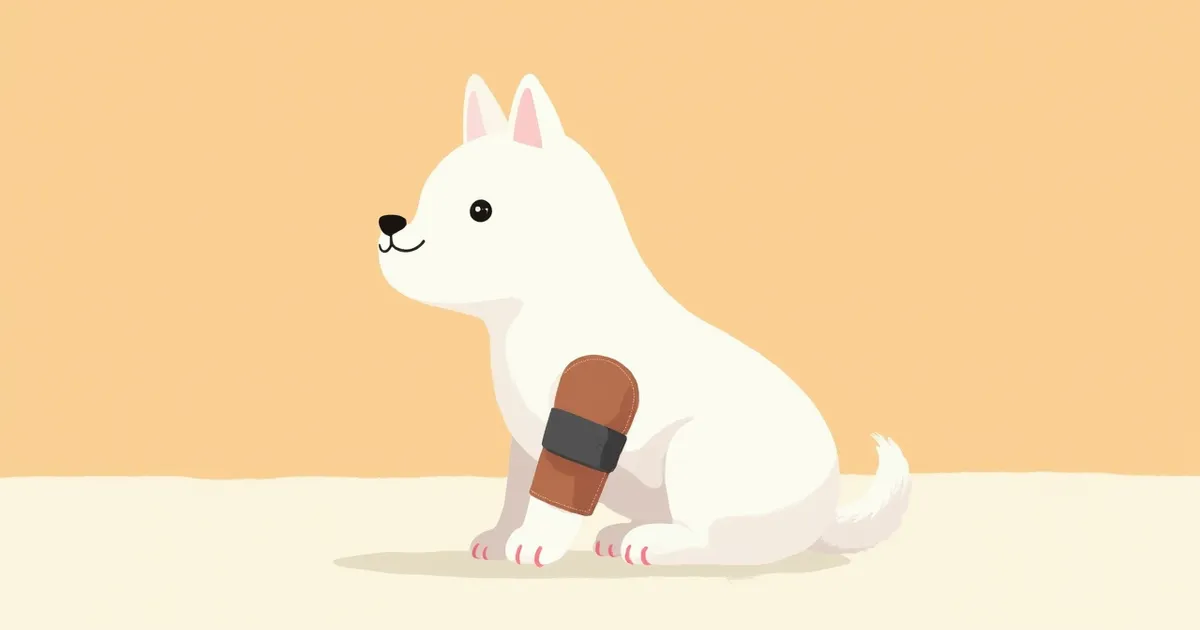
Top 5 Patellar Support Braces for Dogs — Stage-by-Stage Size Guide
Curcumin Efficacy and Anti-inflammatory/Joint Support

Top 5 Recommended Joint Supplements for Dogs in 2026
Munchkin Hereditary Disease Checklist

Munchkin Grooming by Coat Type — A Complete Guide from Brushing Shorthair and Longhair to Fur Care

Munchkin Spine and Joint Care Guide
Complete Guide to Sphynx HCM Screening Schedule
The Ultimate Guide to Sphynx Hairless Cat Skin and Bathing Care
Abyssinian Genetic Disease Checklist
Abyssinian Grooming: Complete Guide to Brushing, Bathing, and Skin Care for Shorthairs
References
[1] Textbook of Veterinary Orthopaedic Surgery, Chapter 11 — Patellar Luxation
[2] Clinical Medicine of the Dog and Cat, 4th Ed — Pathophysiology of Patellar Luxation
[3] 100 Top Consultations in Small Animal General Practice, Ch.45
[4] The Dog Care Handbook — Knee and Stifle Conditions