Like
Share
멍실장
요크셔테리어 문맥전신단락 주의점과 연령별 평생 건강관리 가이드

Yorkshire Terrier PSS (Portosystemic Shunt) — Symptoms, Diagnosis, and Lifelong Management Guide

Liver HealthBreed HealthMeongsiljang Veterinary Advisory Board

Yorkshire Terriers are a small breed genetically predisposed to portosystemic shunts (PSS). If growth delays or neurological symptoms appear, early diagnosis and surgery are crucial for a successful treatment outcome.

What is Portosystemic Shunt (PSS) in Yorkshire Terriers?
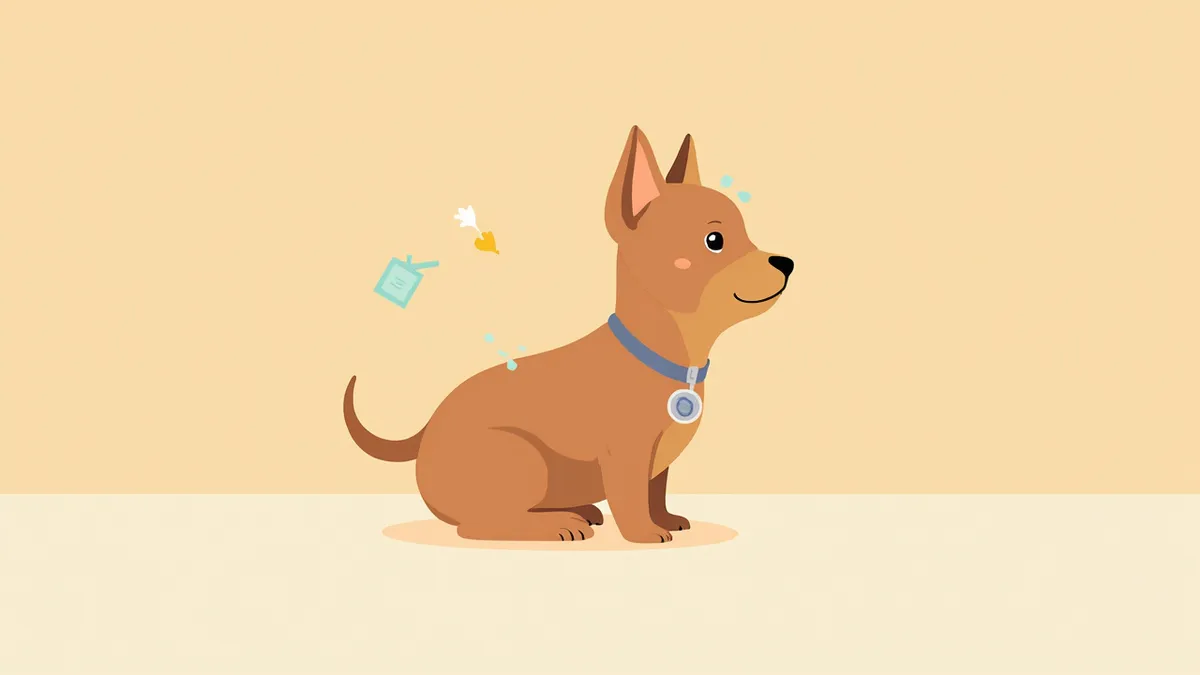
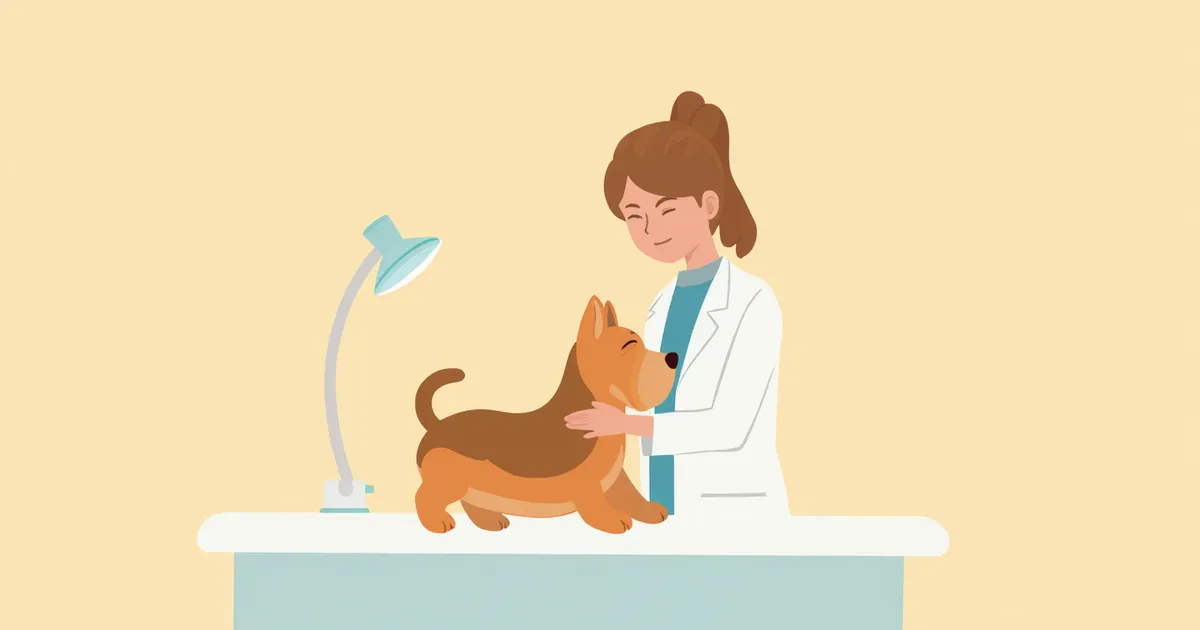
A Yorkshire Terrier puppy receiving a veterinary check-up
Portosystemic shunt (PSS) is a congenital vascular abnormality in which abnormal blood vessels bypass the liver, allowing ammonia and other toxins absorbed from the intestines to circulate throughout the body without being detoxified. Yorkshire Terriers are one of the small-breed dogs most well-known for having a genetic predisposition to this condition. Early detection is truly crucial. PSS typically first manifests in dogs under one year of age with signs such as stunted growth or neurological symptoms. If you notice any of these signs, do not delay—schedule a veterinary examination as soon as possible.

Why is it Common in Yorkshire Terriers?

Yorkshire Terriers are known to have a relatively high breed-specific genetic predisposition to portosystemic shunts. In particular, they are prone to congenital extrahepatic shunts, which involve an abnormal direct vascular connection between the portal vein and the caudal vena cava (for example, a portacaval shunt). Extrahepatic shunts are a type commonly seen in small-breed dogs like Yorkshire Terriers and in cats. It is advisable to ask breeders for the bile acid test history of the parent dogs, and we recommend having a screening test performed during the puppy’s first post-adoption health checkup.

Checklist of Major Symptoms of Portosystemic Shunt

Growth retardation: Significantly smaller and thinner than peers.
Postprandial lethargy: Marked weakness or dullness after eating.
Neurological signs: Circling, head pressing, and seizures may occur.
Recurrent vomiting and diarrhea: Especially common after meals.
Excessive drooling: A sign of persistent nausea.
Polydipsia and polyuria: May be accompanied by urate stone formation.
A Yorkshire Terrier lying down, lacking energy.

These Symptoms Require Immediate Veterinary Care

If a seizure lasts longer than five minutes, or if there is repeated confusion and head pressing, it is an emergency. These signs can rapidly progress to hepatic encephalopathy (ammonia encephalopathy), so you should seek immediate care at a 24-hour emergency animal hospital without delay.

Diagnostic Methods — From Bile Acids Testing to CT Angiography

Fasting and postprandial bile acids test: This is the basic screening for PSS. By comparing blood samples taken before and two hours after eating, we can identify liver function abnormalities.
Blood ammonia test: Measures fasting ammonia levels.
Abdominal ultrasound: Checks the location and shape of abnormal blood vessels.
CT angiography: Essential for precisely mapping the course of shunting vessels before surgery.
If symptoms are suspected, we recommend screening tests between 4 and 6 months of age.

Treatment Options — Surgery and Medical Management
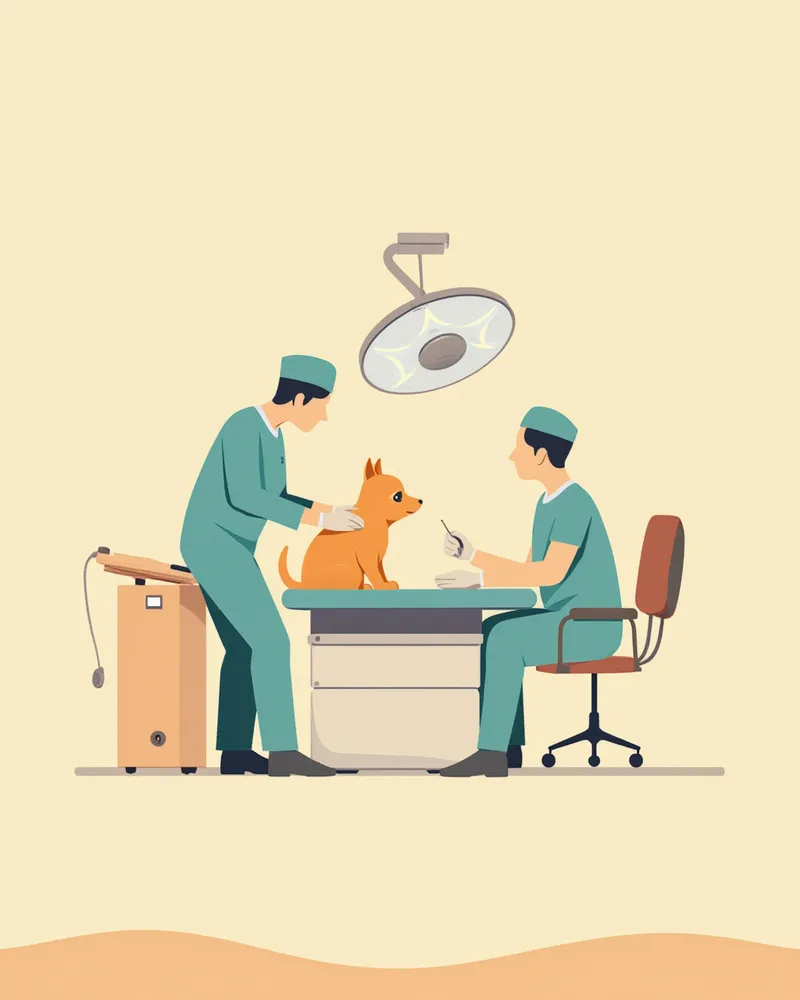
Surgical correction: This is a definitive treatment that blocks the shunt vessel to redirect normal blood flow to the liver. The most common approach involves gradual occlusion of the vessel using an ameroid constrictor (which causes progressive closure) or silk suture ligation. However, because incomplete closure or postoperative portal hypertension can occur, the procedure must be performed by a specialized veterinary surgeon.
Medical management: When surgery is not feasible, ammonia production is reduced through a liver-prescription diet with appropriately adjusted protein levels, lactulose, and antibiotics. Rather than excessively restricting protein, it is important to adjust intake within a range the dog can tolerate. This approach aims to alleviate symptoms rather than provide a cure.
The treatment plan is determined by the veterinarian based on the shunt’s location and size, as well as the patient’s overall condition.
A veterinary surgical specialist performing surgery on a small breed dog.

Age-Specific Lifelong Health Management Points

2–6 months of age: The first health checkup should include PSS screening (bile acids and ultrasound). Monitoring the growth curve is essential.
6 months–2 years: If the dog has undergone surgery, recheck liver function every 3–6 months. If not, it is crucial to strictly follow the prescribed diet.
3–7 years: Perform a liver function panel once a year. It is also important to monitor water intake to prevent urate stone formation.
8 years and older: In senior dogs, other chronic conditions may co-occur, so we recommend blood tests every six months to assess both liver function and overall health.
Yorkshire Terriers at Different Life Stages: Puppy, Adult, and Senior

Other Conditions to Watch for in Yorkshire Terriers

Tracheal collapse (chronic cough, difficulty breathing), patellar luxation (limping, knee pain), and hypoglycemia (sudden trembling, decreased consciousness) are also common in Yorkshire Terriers. Please ask your veterinarian to check for these conditions during your annual wellness exam.

Reviewed by a veterinarian

Dr. Tony — Punnawat Phongkittirak

Dr. Tony — Punnawat Phongkittirak

Veterinarian

A veterinarian who majored in veterinary medicine at Khon Kaen University, Thailand, and completed the IVSA program at North Carolina State University in the United States. Drawing on clinical experience at animal hospitals, he works in the pet healthcare field and is dedicated to building a digital care environment that connects pet parents with veterinarians.

Frequently Asked Questions

Is portosystemic shunt hereditary?
Portosystemic shunts (PSS) in Yorkshire Terriers have a strong genetic predisposition. It’s advisable to confirm the bile acid test history of the parent dogs with the breeder, and we recommend screening during the first health check-up shortly after adoption.
Will surgery provide a complete cure?
Once the shunt is successfully corrected, most pets can return to a normal life. However, regular monitoring of liver function recovery is still necessary after surgery, as incomplete closure or, rarely, the development of new shunts can occur.
What should I feed my dog after a PSS diagnosis?
Veterinarians recommend a prescription diet for liver disease that appropriately regulates protein. Rather than severely restricting protein, it is better to adjust it within a range that your dog can tolerate. Additionally, since regular dog food can increase the ammonia burden, it is best not to switch diets without consulting your veterinarian.
Is it okay to rely solely on medical treatment without surgery?
Medical management can help alleviate symptoms, but it doesn’t eliminate the portosystemic shunt itself. Since liver damage may progress over time, it’s important to consult with a specialist about whether surgery is an option.
How should I check a Yorkshire Terrier puppy when adopting?
Bile acid levels can be checked in puppies, both fasting and postprandially. For safety, request blood test results from the breeder or have a screening test performed at a veterinary clinic shortly after adoption.

Share

Related Guides

References

[1] Ettinger SJ, Feldman EC, Côté E. Textbook of Veterinary Internal Medicine, 8th ed. Saunders Elsevier, 2017. Chapter: Hepatic Vascular Diseases.

[2] Nelson RW, Couto CG. Small Animal Internal Medicine, 6th ed. Elsevier, 2019. Chapter: Diseases of the Liver and Biliary Tract.

[3] Tobias KM. Portosystemic shunts and other hepatic vascular anomalies. In: Johnston SA, Tobias KM, eds. Veterinary Surgery: Small Animal, 2nd ed. Elsevier, 2018.

[4] Broome CJ, Walsh VP, Braddock JA. Congenital portosystemic shunts in dogs and cats. N Z Vet J. 2004;52(4):154–162.

This information is based on veterinary literature and does not replace diagnosis or treatment. Please consult a veterinarian for specific health concerns.

Metapet Co., Ltd. | CEO: Park Sung-yong | Business Reg. No. 417-88-02562 | Seoul, South Korea | Customer Center

Yorkshire Terrier PSS: Symptoms, Diagnosis & Lifelong Care | Meongsiljang