Like
Share
멍실장
프렌치 불독 반척추 기형 — 평생 척추 관리 체크리스트

Hemivertebrae in French Bulldogs — Lifelong Spinal Care Checklist

JointBreed HealthMeongsiljang Veterinary Advisory Board

I’ve compiled a summary based on veterinary textbooks covering the definition of hemivertebrae in French Bulldogs, commonly affected areas, warning signs that require immediate veterinary attention, diagnostic and treatment options, and a lifelong spinal care checklist.

What are hemivertebrae in French Bulldogs?
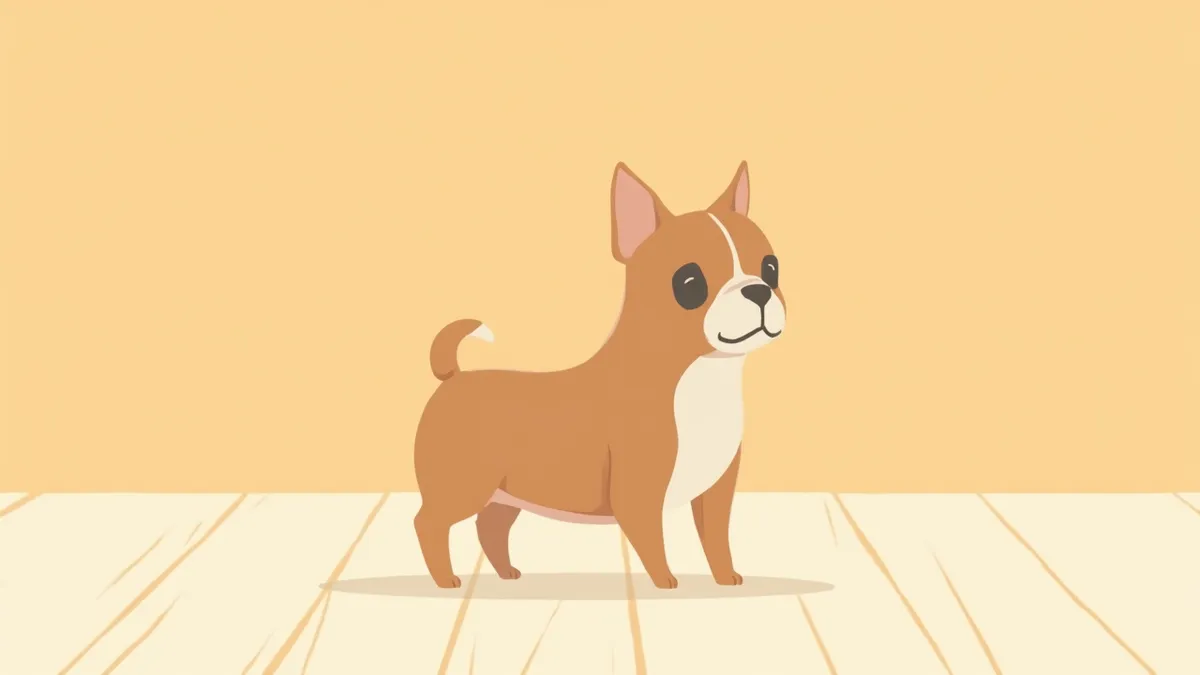
A French Bulldog shown in profile, with its backline and short tail visible.
Hemivertebrae in French Bulldogs is a congenital spinal deformity where part of a vertebra forms into a wedge shape instead of the normal rectangular shape. Because French Bulldogs are a brachycephalic (short-nosed) breed, this spinal variation is reported relatively often. However, not every dog with this deformity shows symptoms. If there is no nerve compression, a dog can live its entire life without significant discomfort or symptoms, even with the deformity present. Nevertheless, if signs such as hind leg weakness, urinary incontinence, or sudden vocalization persist for more than 24 hours or progressively worsen, a detailed spinal examination is necessary.

Why do they occur frequently in French Bulldogs?

French Bulldogs have been selectively bred over a long period for traits such as their tightly curled “screw” tail, which has led to spinal deformities. As a result, similar vertebral abnormalities often occur not only in the tail but also in the thoracic and lumbar spine. Other brachycephalic (short-nosed) breeds, such as Boston Terriers, Pugs, and English Bulldogs, are also considered predisposed for the same reasons. Taking an X-ray to assess spinal conformation during puppyhood, when the skeleton is still developing, provides a useful baseline for monitoring future changes. If neurological signs are present, further evaluation with MRI or CT to visualize the spinal cord is recommended.

Checklist of early warning signs

Even if your pet appears fine on the surface, gradually worsening nerve compression can lead to the following signs. These symptoms don’t always appear in a specific order, so it’s important to look for multiple indicators together. - Abnormal hind leg movement: Your pet may avoid jumping or struggle to climb stairs one step at a time. - Changes in tail movement: The tail may become less responsive or show reduced sensation. - Accidental urination: If your pet leaks urine while sleeping, it could indicate spinal nerve compression. - Sudden cries of pain: Your pet may vocalize when being picked up or lifted due to discomfort. - Reduced hind paw sensation: Your pet may not immediately right their paw if you gently flip it over.
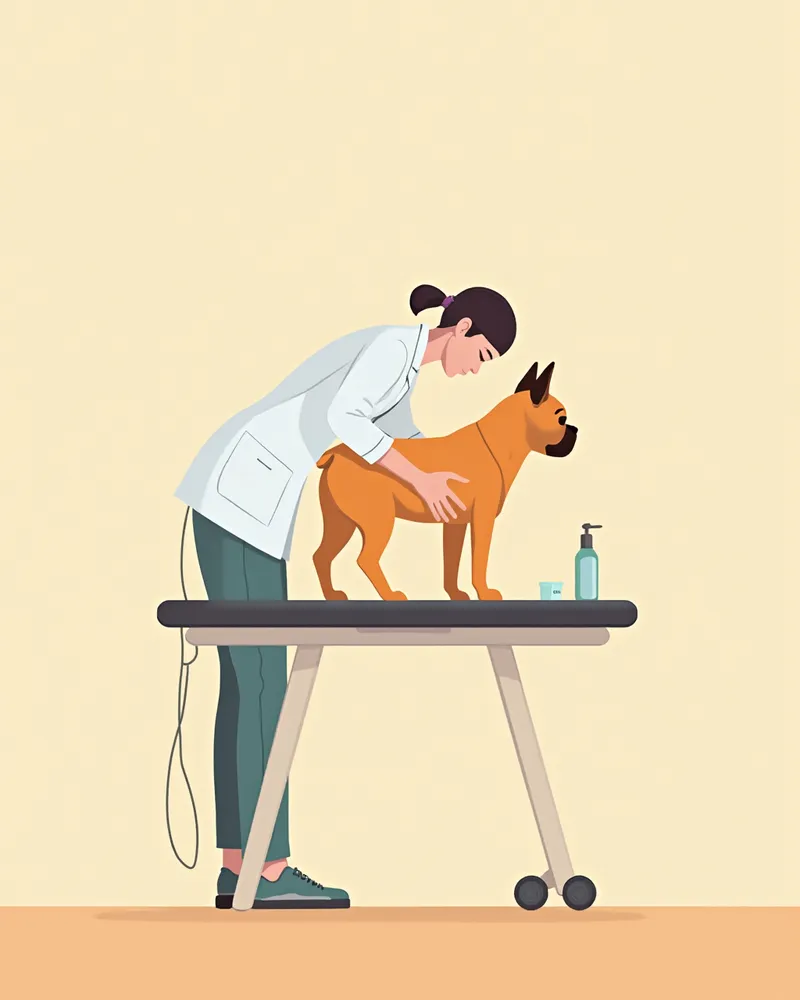
A veterinarian examining the lower back and tail area of a French Bulldog.

These signs require a vet visit within 24 hours

If you notice any of the following signs, your pet may be experiencing progressive spinal cord damage. Because delays can lead to permanent neurological deficits, seek care at a veterinary clinic equipped for emergency neurology within 24 hours. First, dragging the hind limbs or sudden inability to stand. Second, loss of awareness of urination or defecation, resulting in incontinence. Third, no response when the toes are pinched. Fourth, an arched back with vocalization or crying out when touched. Fifth, seizures occurring alongside these symptoms.

How is the diagnosis made?

The initial test is an X-ray of the thoracic and lumbar spine to assess vertebral shape and alignment. However, X-rays alone cannot show the actual degree of spinal cord compression. If neurological symptoms are present, MRI is essential for the most accurate evaluation of the spinal cord itself, while CT helps visualize bony structures in three dimensions. Additionally, dogs with chronic neurological symptoms often have concurrent intervertebral disc disease (IVDD) in the same region, so evaluating both conditions together is advisable. Therefore, it is important to interpret imaging results in conjunction with neurological examination findings.

Treatment options by stage of neurological symptoms

ItemAsymptomatic–mildModerateSevere
Main signsOccasional jump avoidanceGait abnormality, intermittent painParalysis, incontinence
First-line treatmentEnvironmental management, weight managementAnti-inflammatories, analgesics + strict restConsider decompression surgery
Rest periodLifelong environmental managementStrict cage rest per veterinarian's instructionsSeveral weeks of rest through post-surgery rehabilitation
Recurrence and prognosisGenerally goodDepends on adherence to restGood prognosis with early surgery; recovery slower in chronic and severe cases

This is a rough guide based on the general principles of neurosurgery textbooks. Specific treatment and rest periods are determined by imaging results.

How do surgery and recovery proceed?
When severe paralysis or incontinence is observed, spinal decompression surgery is considered the primary option. Typically, a laminectomy (decompression) to relieve pressure on the spinal cord or a stabilization surgery to secure an unstable spine is performed. Veterinary textbooks state that in cases of severe nerve damage, earlier surgery leads to a better prognosis, while prolonged symptoms result in slower recovery. Post-surgery, cage rest and gradual rehabilitation as directed by your veterinarian are essential. You may also want to review Managing Intervertebral Disc Disease in Dogs, which is common in this breed.
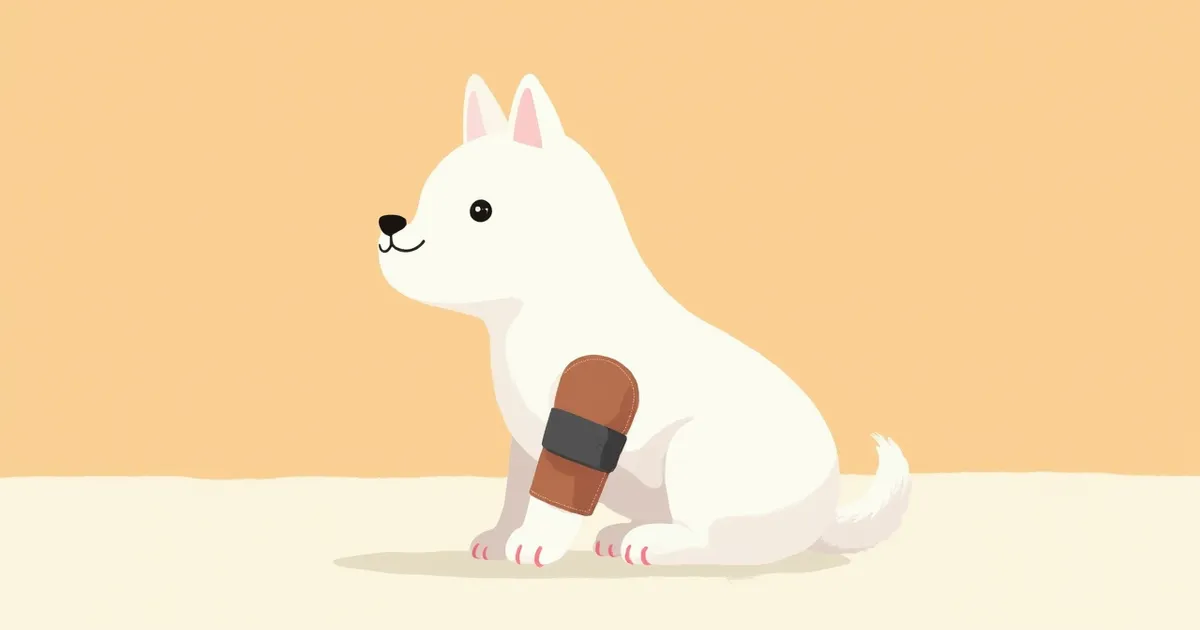
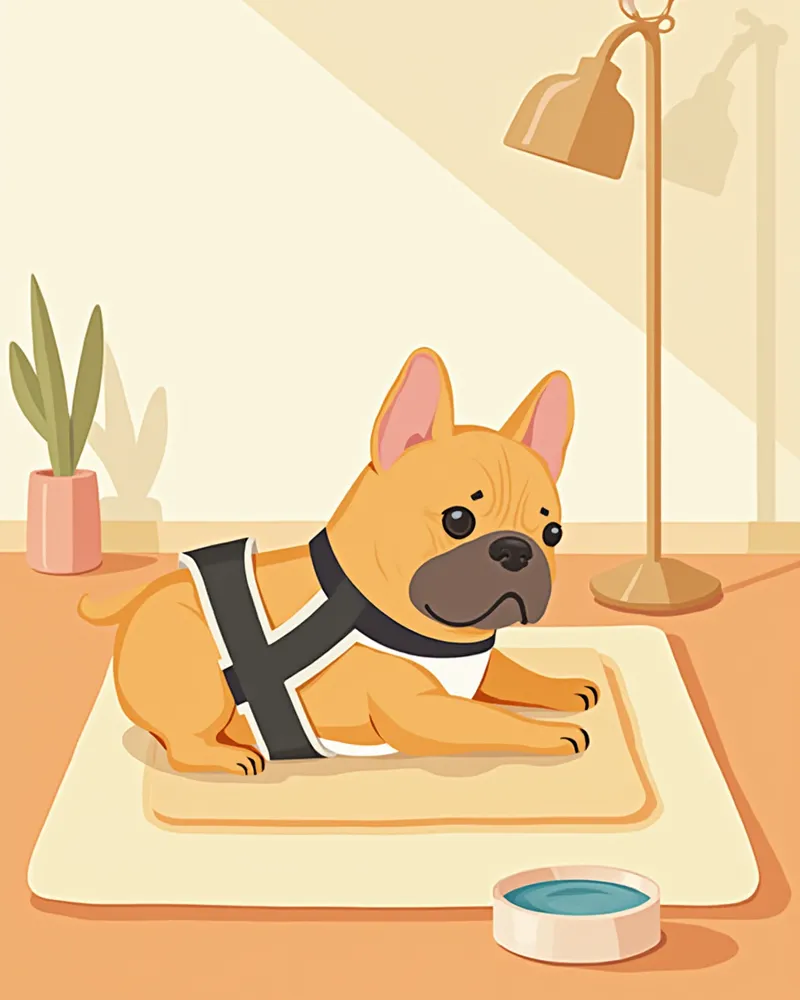
A French Bulldog resting comfortably in a soft cage while wearing a back support brace

Lifelong spinal care checklist

For French Bulldogs, an environment that reduces spinal strain is medicine for life. - Maintain a healthy weight: Obesity puts extra stress on the spine and joints, so keep your dog at a standard weight. Manage food portions to prevent weight gain. - Prevent jumping: Install ramps or steps for sofas and beds to stop your dog from jumping down from heights. - Use a harness instead of a collar: A harness reduces strain on the neck and spine compared to a collar that pulls on the neck. - Prevent slipping: Place rugs or mats on hardwood floors to stop your dog’s legs from splaying. - Regular muscle-strengthening exercise: Walk on flat ground for 20–30 minutes daily to maintain back muscle strength.

Don’t forget it’s a hereditary condition

Hemivertebrae is a congenital spinal deformity linked to breed characteristics, so it can appear similarly within the same lineage. If you’re planning to bring home a new puppy, it’s a good idea to check the parents’ spinal X-ray results whenever possible. For French Bulldogs already living with you, we recommend taking a baseline spinal imaging scan during their early months and then regularly checking their spinal health in consultation with your veterinarian. You may also want to review our guide on managing patellar luxation in puppies, which often occurs alongside this condition.

Reviewed by a veterinarian

Dr. Tony — Punnawat Phongkittirak

Dr. Tony — Punnawat Phongkittirak

Veterinarian

A veterinarian who majored in veterinary medicine at Khon Kaen University, Thailand, and completed the IVSA program at North Carolina State University in the United States. Drawing on clinical experience at animal hospitals, he works in the pet healthcare field and is dedicated to building a digital care environment that connects pet parents with veterinarians.

Frequently Asked Questions

Will surgery cure the condition?
When neurological symptoms are present, decompressive surgery often leads to significant improvements in pain and mobility. However, since the underlying spinal deformity remains, lifelong management is still necessary. According to veterinary textbooks, the prognosis is better when surgery is performed early in cases of severe nerve damage, whereas recovery tends to be slower if the condition has progressed for an extended period.
How much walking is too much?
For dogs without symptoms, a daily walk of 20 to 30 minutes on flat ground is appropriate. Short, frequent walks are better for the spine than one long walk. Avoid hills, stairs, and jumping, and use a chest harness.
Can a support brace (corset) help?
It can be helpful for recurrent pain or during post-surgical recovery. However, wearing it 24/7 on a regular basis can weaken the back muscles, which is counterproductive. Consult your veterinarian to determine the appropriate duration of use.
Which supplements would be helpful?
Supplements play a strictly supportive role. While omega-3 fatty acids, glucosamine, and chondroitin are often used to support joint and spinal health, their effectiveness varies from pet to pet and they do not replace medical treatment. Before adding any supplements, consult your veterinarian to review your pet’s weight and current medications.
Even if I choose healthy parent dogs, could the puppies still end up unhealthy?
While keeping your dog’s spine healthy can help reduce the risk, it’s difficult to completely prevent the condition due to breed predisposition. We recommend having an X-ray to check the spine at least once during puppyhood.

Share

Related Guides

References

[1] Englar R.E., The Veterinary Workbook of Small Animal Clinical Cases, Case 41 (Brachycephalic Breeds), Wiley-Blackwell

[2] Schaer M. & Gaschen F.P., Clinical Medicine of the Dog and Cat, 4th Edition, Chapter 14 (Intervertebral Disc Disease), CRC Press

[3] Bertram S. et al., Congenital Vertebral Malformations in Brachycephalic Screw-Tailed Dog Breeds, Veterinary Journal, 2018

This information is based on veterinary literature and does not replace diagnosis or treatment. Please consult a veterinarian for specific health concerns.

Metapet Co., Ltd. | CEO: Park Sung-yong | Business Reg. No. 417-88-02562 | Seoul, South Korea | Customer Center

Hemivertebrae in French Bulldogs — Lifelong Spinal Care Checklist | Meongsiljang