
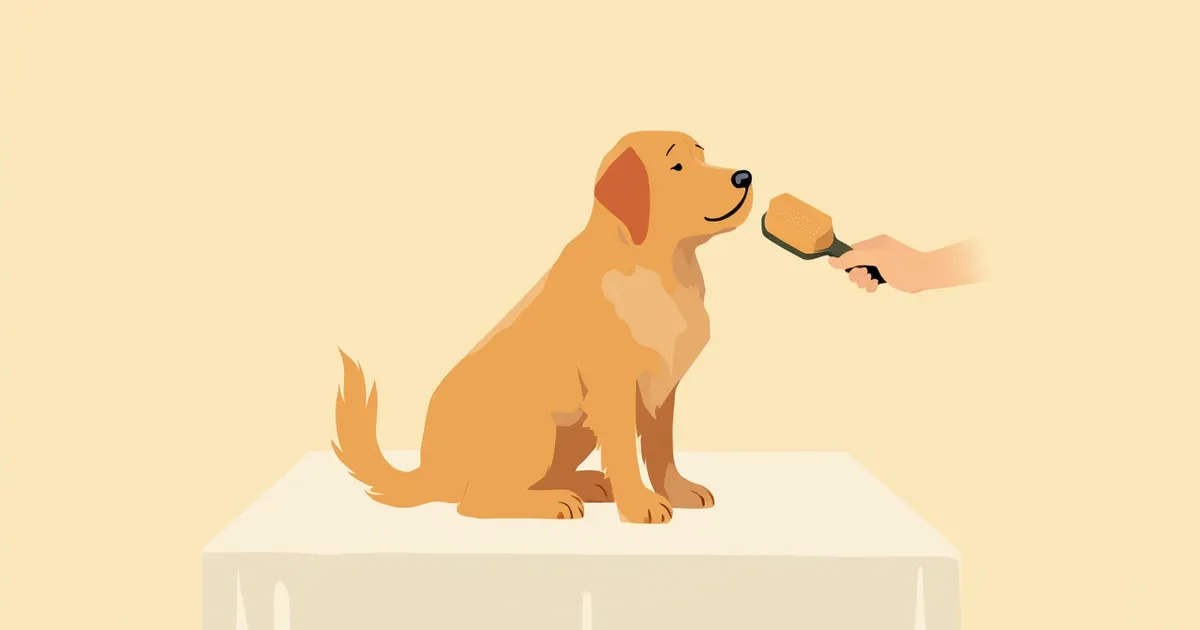
Golden Retriever Double Coat Grooming — Complete Guide to Brushing, Shedding, and Skin Care
Golden Retrievers require regular grooming due to their double coat. We’ve organized veterinary-based guidelines for brushing, bathing, and shedding management.
What Is a Golden Retriever’s Double Coat?
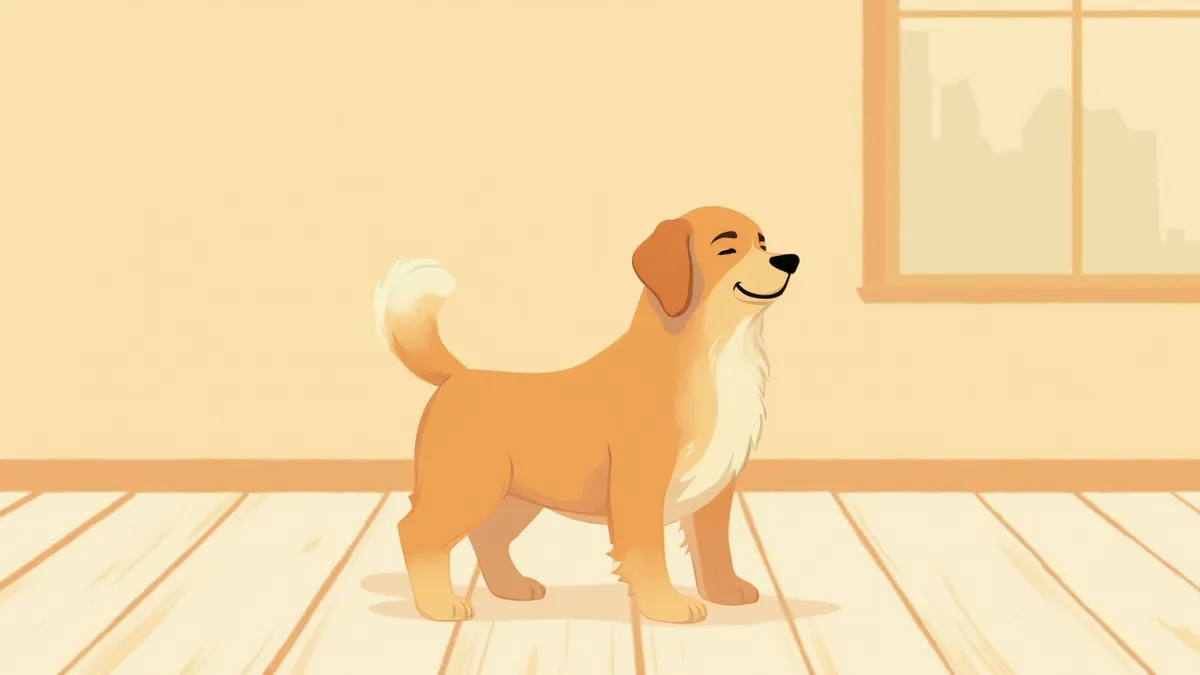
Understanding the Double Coat Structure
Essential Grooming Tools
슬리커 브러시
엉킨 속털·죽은 털 제거
Dosage: 주 2~3회 사용
수의피부과학 권장
언더코트 레이크
털갈이기 속털 집중 제거
Dosage: 털갈이기 주 3~4회
핀 브러시
겉털 결 정리·마무리 빗질
Dosage: 매일 짧게
코밍 콤
귀 뒤·겨드랑이 엉킴 풀기
Dosage: 필요 시
Weekly Brushing Routine
What to Avoid — Clipping (Full-Body Shaving)
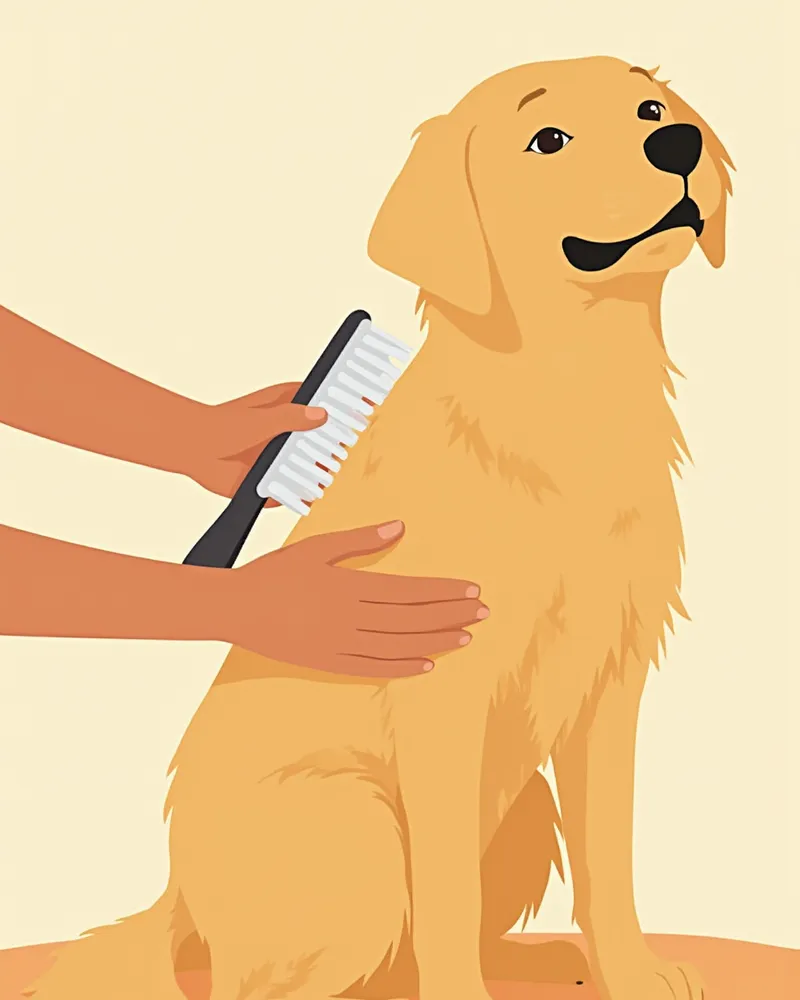
It’s best not to shave a Golden Retriever’s double coat too short. Their fur serves as a physical barrier for the skin, helps with insulation and temperature regulation, and even provides protection against UV rays. Shaving off the topcoat can weaken these protective functions, potentially making it harder for your dog to regulate its body temperature and protect its skin during hot weather. If you’re concerned about the heat, de-shedding grooming—thoroughly removing loose undercoat—is a safer and more practical choice than clipping. If clipping is medically necessary, please consult with a professional groomer or veterinarian first.
Bathing Frequency and Method
Grooming Intensity by Season
| Item | Normal Period | Shedding Season (Spring/Fall) | Summer Heat Period |
|---|---|---|---|
| Brushing Frequency | 2–3 times a week | Daily | 3–4 times a week |
| Tools Used | Slicker + pin brush | Slicker + undercoat rake | Mainly undercoat rake |
| Bathing Interval | 4–6 weeks | 3–4 weeks | 4 weeks |
| Time Required | 10–15 minutes | 20–30 minutes | 15–20 minutes |
There are individual differences, so adjust based on the amount of shedding
Focused Care During Shedding Season
What to Check While Grooming

Skin Warning Signs in Golden Retrievers
Golden Retrievers are prone to atopic dermatitis, making them susceptible to skin and ear issues. Additionally, endocrine (hormonal) disorders such as hypothyroidism can cause symmetrical hair loss on both sides of the body or changes in coat texture. If you notice any of the following signs while brushing your dog, seek veterinary care rather than attempting home treatment: - Sudden appearance of coin-sized, red, weeping lesions (hot spots) - Symmetrical hair loss or darkening of the skin - Palpable firm lumps or masses that are gradually growing - Itching that persists for more than two weeks or scratching severe enough to cause self-injury
Reviewed by a veterinarian

Dr. Tony — Punnawat Phongkittirak
VeterinarianA veterinarian who majored in veterinary medicine at Khon Kaen University, Thailand, and completed the IVSA program at North Carolina State University in the United States. Drawing on clinical experience at animal hospitals, he works in the pet healthcare field and is dedicated to building a digital care environment that connects pet parents with veterinarians.
Reviewed 2026-04-30
Frequently Asked Questions
It looks hot in the summer, so can I give my pet a short haircut?
What kind of grooming should I request at a dog grooming salon?
Will giving a supplement during the shedding season help?
What should I do if my pet’s fur is already tangled into mats?
Is it okay to trim the fur between my pet’s paw pads?
Share
Related Guides

Top 5 Medicated Dog Shampoos — For Pyoderma and Bacterial Infections

Veterinarian-Recommended Top 5 Medicated Shampoos for Canine Yeast Dermatitis — Relieves Itching and Greasiness

Top 5 Medicated Cat Shampoos Recommended by Veterinarians — Fungal Dermatitis and Fungal Care
Abyssinian PRA — The Complete Guide to Early Screening and Genetic Management to Prevent Blindness

Scottish Fold Genetic Disease Checklist

Russian Blue Regular Check-up Schedule
British Shorthair Regular Check-ups: Age-Specific Checklist and Management of Common Diseases
British Shorthair and Longhair HCM Screening — A Complete Guide from Timing to Frequency
Ragdoll Genetic Disease Checklist

Ragdoll HCM Screening Schedule
References
[1] Hnilica KA, Patterson AP, Small Animal Dermatology: A Color Atlas and Therapeutic Guide, 4th Ed
[2] Jackson HA, Marsella R, BSAVA Manual of Canine and Feline Dermatology, 4th Ed
[3] Ackerman L, The Genetic Connection: A Guide to Health Problems in Purebred Dogs, 2nd Ed