Like
Share
멍실장
스코티시폴드 골연골이형성증 완벽 가이드

The Complete Guide to Scottish Fold Osteochondrodysplasia

JointBreed HealthMeongsiljang Veterinary Advisory Board

We’ve compiled a comprehensive guide to the unique cartilage and bone disorders in Scottish Folds caused by the folded-ear gene, covering everything from the underlying causes to lifelong management strategies.

What Is Scottish Fold Osteochondrodysplasia?
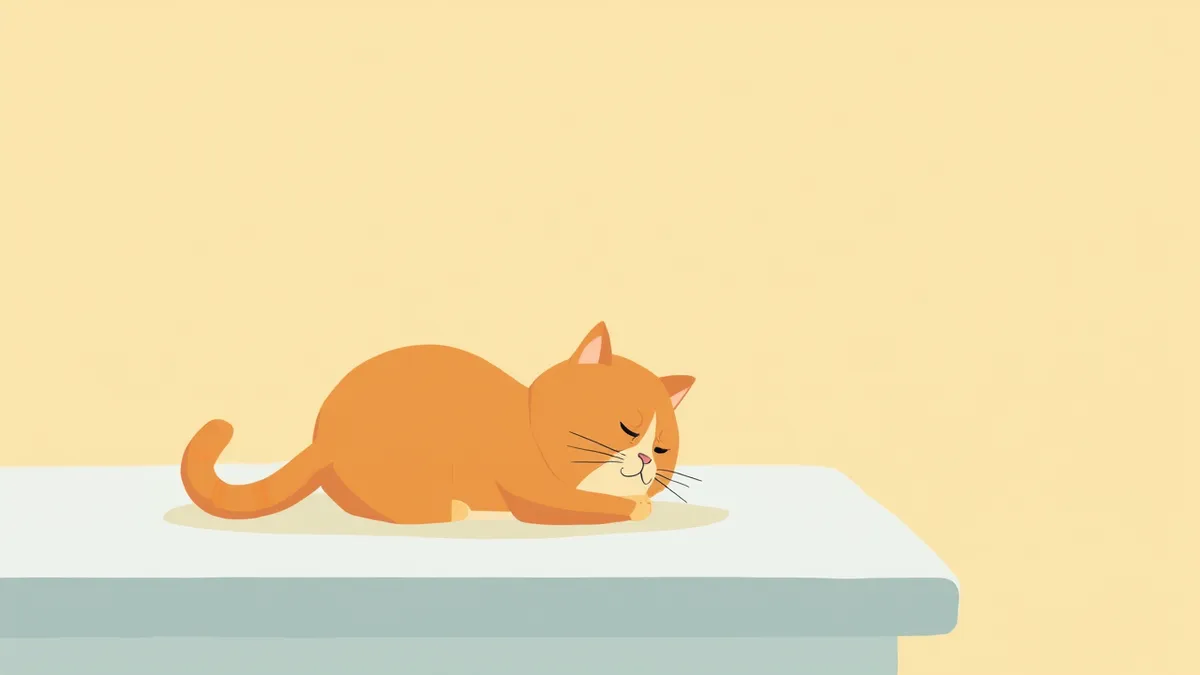
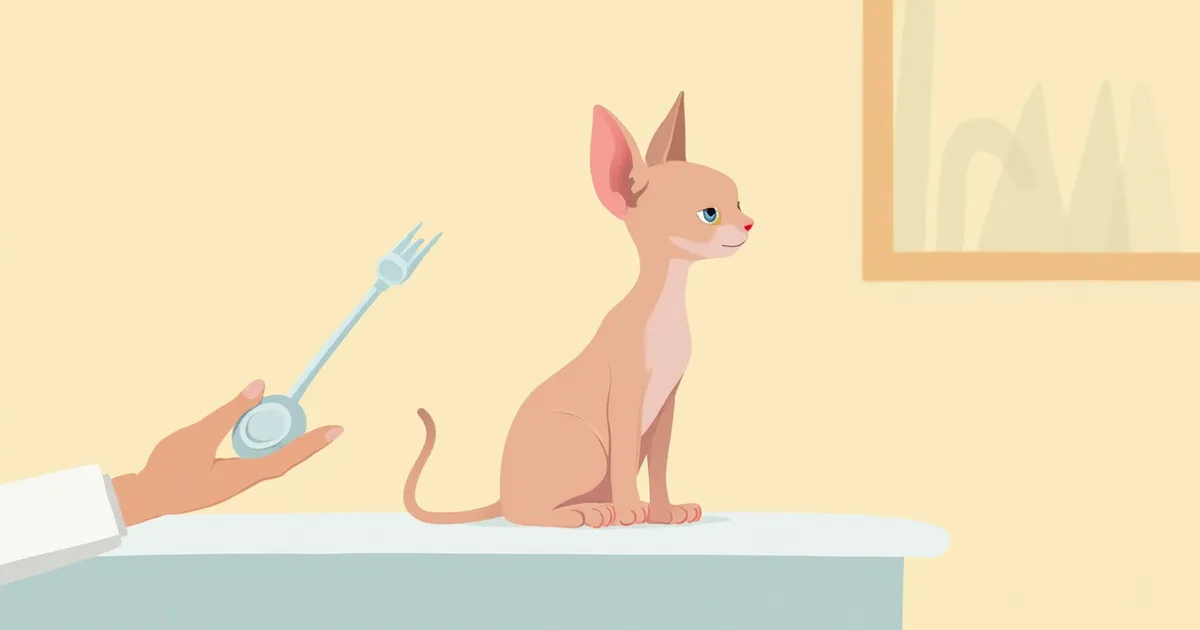
A Scottish Fold cat lying on the examination table
Scottish Fold osteochondrodysplasia is a genetic disorder in which the mutation responsible for the breed’s folded ears also disrupts normal cartilage and bone development. Because this condition involves abnormal growth and development of cartilage or bone, early detection is essential. If you notice a short, stiff tail or a limp in the hind legs at a young age, seek immediate orthopedic evaluation. The disease is progressive, meaning lesions worsen over time, so earlier detection makes management easier. The folded-ear gene (Fd) is known to affect not only ear cartilage but also joint cartilage in the limbs, so all Scottish Folds can be affected to varying degrees.

Why It Only Affects Folds — The Genetic Basis

The cause is a mutation in the Fd gene, which creates folded ears. This gene disrupts normal cartilage and bone growth and development, particularly causing defects in endochondral ossification, the process by which cartilage transforms into bone. Osteochondrodysplasia is a condition characterized by abnormal growth of cartilage or bone itself. According to veterinary textbooks, even heterozygous Scottish Folds (Fd/fd) with only one parent carrying the Fd gene can develop lesions through an incomplete dominant inheritance pattern, while homozygous individuals (Fd/Fd) with the Fd gene from both parents exhibit significantly more severe lesions. Because breeding two Fold cats together carries a high risk of severe deformities, many international cat associations restrict such breeding and registration. Folded ears are already a sign that the cartilage has been affected.

Symptoms That Raise Suspicion

Scottish Folds often experience joint issues that affect multiple areas, including the tail, ankles (tarsal joints), and knees. Osteophyte formation is particularly prominent around the calcaneal-tarsal-metatarsal joints.
Tail stiffness: The tail feels short and rigid, refusing to bend when touched.
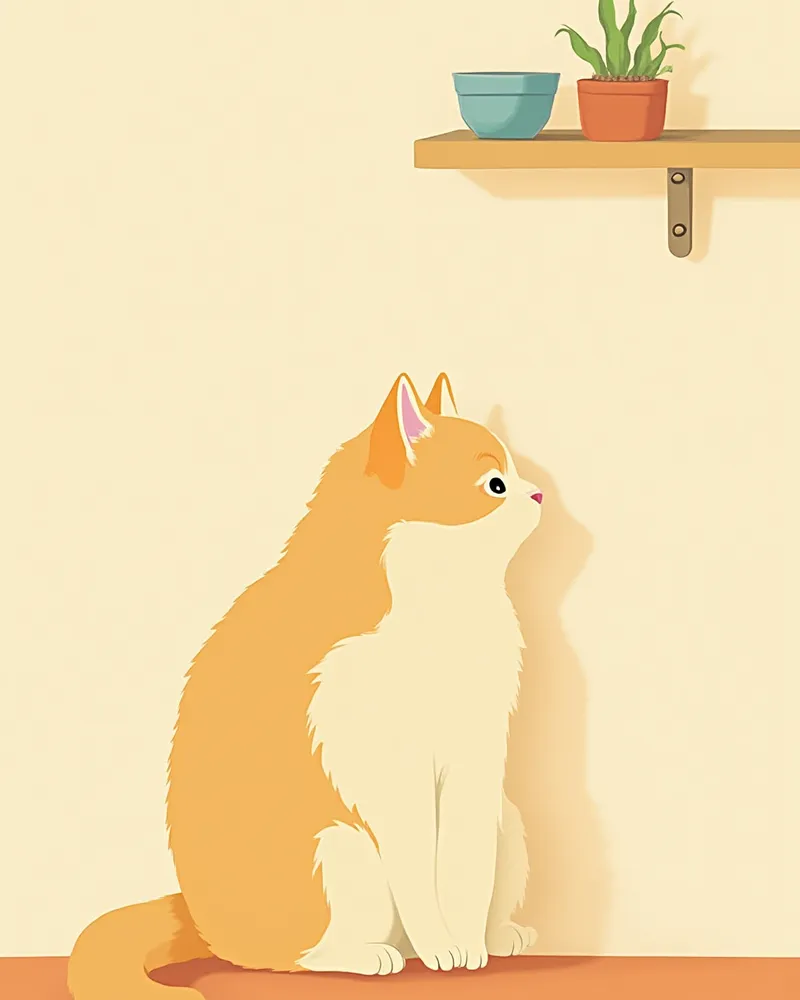
Avoiding jumps: The cat avoids climbing to high places, instead staying low and looking up.
Hind leg lameness: The cat may drag its hind legs or walk with a hopping gait.
Joint swelling: The ankles and knees appear thickened.
Refusal to groom: Due to pain, the cat avoids licking its hind legs.
Crouching posture: The cat frequently hunches its body and sleeps for extended periods.
A Scottish Fold that hesitates to jump

These Signs Require Immediate Veterinary Care

If your cat suddenly can’t walk, can’t move its tail at all, or cries out in severe pain when touched, it may be experiencing an acute flare-up. Emergency veterinary care is also needed if your cat hasn’t eaten much for more than 24 hours or is unable to use the litter box. Cats are skilled at hiding pain, so by the time you notice changes in behavior, the underlying condition may already be quite advanced.

Accurate Diagnosis Through Imaging

The cornerstone of diagnosis is X-ray imaging. X-rays of the ankle (tarsus), knee (stifle joint), and tail vertebrae can reveal abnormal bone overgrowth or narrowing of the joint space. If the lesions are ambiguous or surgery is being considered, a CT scan is added. CT provides precise, three-dimensional views of the bone structure, allowing for much more accurate assessment of the lesion’s extent. Blood tests are not mandatory, but if long-term pain medication is planned, it is essential to check liver and kidney function values.

Management Strategies by Severity

ItemMildModerateSevere
Main symptomsTail stiffness onlyAvoiding jumps/intermittent limpingConstant limping/difficulty standing
Management methodWeight and activity managementAnalgesics + supplementsAnalgesics + consider surgery
Clinic visitsEvery 6 monthsEvery 3 monthsEvery 1–2 months
PrognosisGood quality of lifeStable with pain managementLifelong intensive management

The management interval and method may vary depending on your attending veterinarian's examination findings

Treatment Centers on Pain Management
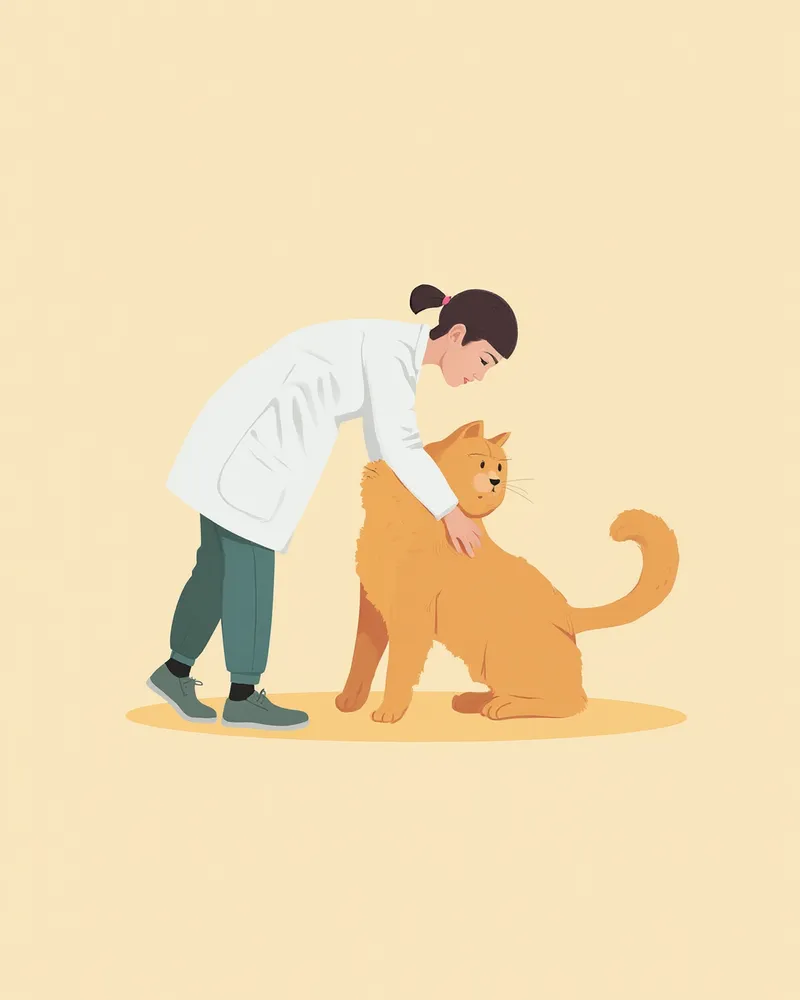
The goal of treating osteochondrodysplasia is not a cure, but rather pain and inflammation management. Veterinary textbooks recommend a combination of nonsteroidal anti-inflammatory drugs (NSAIDs), chondroprotective agents, and adjunctive analgesics for managing osteoarticular pain. However, long-term NSAID use carries risks of gastrointestinal complications and can strain the kidneys; therefore, it is essential to confirm stable renal function and monitor blood and kidney values regularly while using these medications cautiously under veterinary guidance. While glucosamine, chondroitin sulfate, and omega-3 fatty acids are sometimes used as supplementary joint-support nutrients, it is important to note that evidence supporting the efficacy of these supplements in degenerative joint disease is limited. If lesions are severe enough to cause skin ulcers from exostoses (bone spurs) or prevent walking, surgical excision of the exostoses may be considered. Because the criteria for this procedure are strict, consultation with a specialized surgeon is essential.
A veterinarian examining the hind legs of a Scottish Fold cat.

Key Ingredients in Joint Supplements

Safe

글루코사민(Glucosamine)

연골 구성 성분 공급, 관절 윤활 유지

Dosage: 체중 kg당 50mg 내외, 수의사 처방

수의내과학 교과서 권장

Safe

콘드로이틴(Chondroitin Sulfate)

연골 분해 효소 억제, 쿠션 역할

Dosage: 글루코사민과 병용 시 더 효과적

관절 보조제 표준 성분

Safe

오메가3(EPA·DHA)

관절 염증 완화

Dosage: 고양이 전용 제품 권장

Caution

MSM

항염증 보조

Dosage: 고양이 투여는 근거 제한적

Essential Home Care Points
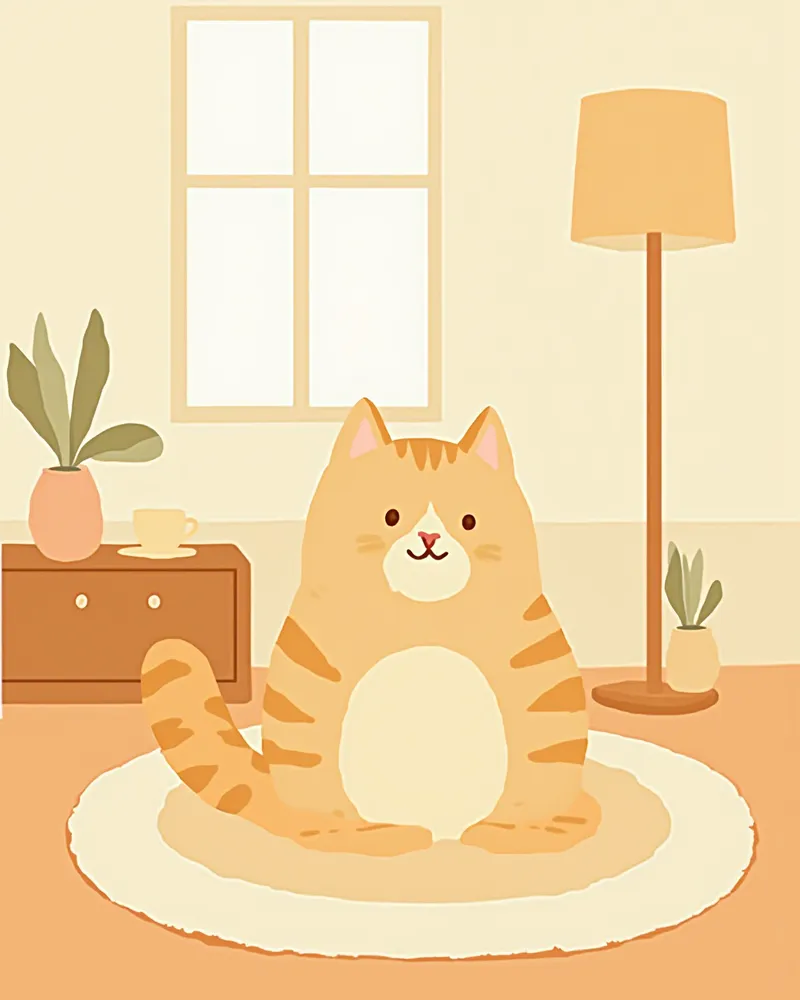
The home environment can be just as impactful as medical treatment in shaping your pet’s prognosis.
Weight management: Maintaining a healthy weight is the top priority for reducing stress on the joints.
Low furniture: To minimize jumping, provide a multi-level ramp instead of a cat tree.
Soft flooring: Place rugs or mats on slippery floors to improve traction.
Warm sleeping areas: Cold environments can worsen joint pain, so provide a warm, cozy bed.
Lowered litter box entry: Use a litter box with a low entrance to prevent strain on the joints when entering and exiting.
Appropriate activity: Avoid letting your pet sleep excessively; instead, engage them in gentle play with toys.
A cat-friendly space designed to be gentle on joints

What to Know Before Breeding or Adopting

Scottish Folds carry the gene for cartilage abnormalities, as their folded ears are a direct result of this condition. Breeding two Scottish Folds together (Fd/Fd) will inevitably lead to severe osteochondrodysplasia, which is why many international cat associations restrict their registration. If you're considering adopting a Scottish Fold, it's important to understand that lifelong joint care and pain management will be necessary. If you already have one, regular X-ray exams are recommended to monitor any developing conditions.

Reviewed by a veterinarian

Dr. Tony — Punnawat Phongkittirak

Dr. Tony — Punnawat Phongkittirak

Veterinarian

A veterinarian who majored in veterinary medicine at Khon Kaen University, Thailand, and completed the IVSA program at North Carolina State University in the United States. Drawing on clinical experience at animal hospitals, he works in the pet healthcare field and is dedicated to building a digital care environment that connects pet parents with veterinarians.

Frequently Asked Questions

Do all Scottish Folds develop osteochondrodysplasia?
All dogs carrying the folded-ear gene exhibit some degree of cartilage abnormality, even if the severity varies. Heterozygous individuals (Fd/fd) can also develop mild lesions due to incomplete dominance, making regular veterinary check-ups essential.
When do the symptoms start to appear?
Tail stiffness or gait abnormalities may be noticeable from a young age, and deformities in the hind leg joints often become more pronounced as the animal grows. This is a progressive condition that tends to worsen with age.
Will surgery cure the condition?
A complete cure is difficult, and surgery is considered only to improve quality of life when pain is severe or the pet can no longer walk. Most cases are managed throughout the pet's life with a combination of weight management, pain medication, and environmental adjustments.
Can I give my cat a general feline supplement?
It’s safe to choose a joint supplement specifically formulated for cats. Dog products may contain ingredients that could burden your cat, so always consult your veterinarian before giving them to your cat.
Is it okay to exercise?
It's best to avoid vigorous jumping and instead encourage gentle movement, such as slow walks on flat ground or playing with a wand toy that prompts low-impact motion. However, too little activity can weaken the muscles, which may actually place more strain on the joints.

Share

Related Guides

References

[1] Little SE, The Cat: Clinical Medicine and Management, 2nd Edition, Elsevier, 2020

[2] Schaer M, Clinical Medicine of the Dog and Cat, 4th Edition, CRC Press, 2017

[3] Malik R et al., Osteochondrodysplasia in Scottish Fold cats, Australian Veterinary Journal, 1999

This information is based on veterinary literature and does not replace diagnosis or treatment. Please consult a veterinarian for specific health concerns.

Metapet Co., Ltd. | CEO: Park Sung-yong | Business Reg. No. 417-88-02562 | Seoul, South Korea | Customer Center

The Complete Guide to Scottish Fold Osteochondrodysplasia | Meongsiljang