Like
Share
멍실장
파피용 슬개골탈구 주의점과 연령별 평생 건강관리 가이드

Papillon Patellar Luxation — Symptoms, Grades, and Lifelong Age-Specific Care

JointBreed HealthMeongsiljang Veterinary Advisory Board

Papillons are among the small-breed dogs most prone to patellar luxation. Knowing the age-specific care tips from puppyhood through senior years can help your dog stay healthy for life.

Why Papillons Need Attention to Joint Health
Papillon Joint Health: Breed-Specific Considerations
Papillons are small dogs known for their butterfly-shaped ears, and they require special attention to joint issues, particularly patellar luxation. Weighing on average between 3 and 5 kg, Papillons often have a congenitally shallow trochlear groove—the channel where the kneecap (patella) sits—making them more prone to patellar luxation than many other small breeds. With early detection and consistent care, they can live healthy lives without needing surgery.

Top 3 Conditions Papillons Should Watch For

Patellar luxation (kneecap dislocation): This is the most common joint condition in Papillons. A combination of genetic factors and breed-specific body structure leads to a high incidence rate.
Periodontal disease (gum and tooth disease): Small breeds like the Papillon have narrower mouths, which causes tartar to accumulate quickly. Regular professional cleanings and daily home brushing are especially important.
Progressive retinal atrophy (hereditary eye disease): This is a genetic eye condition reported in Papillons. Regular veterinary ophthalmic exams are recommended.
This guide focuses primarily on managing patellar luxation, as it directly impacts your dog’s quality of life.

Symptom Checklist by Patellar Luxation Grade
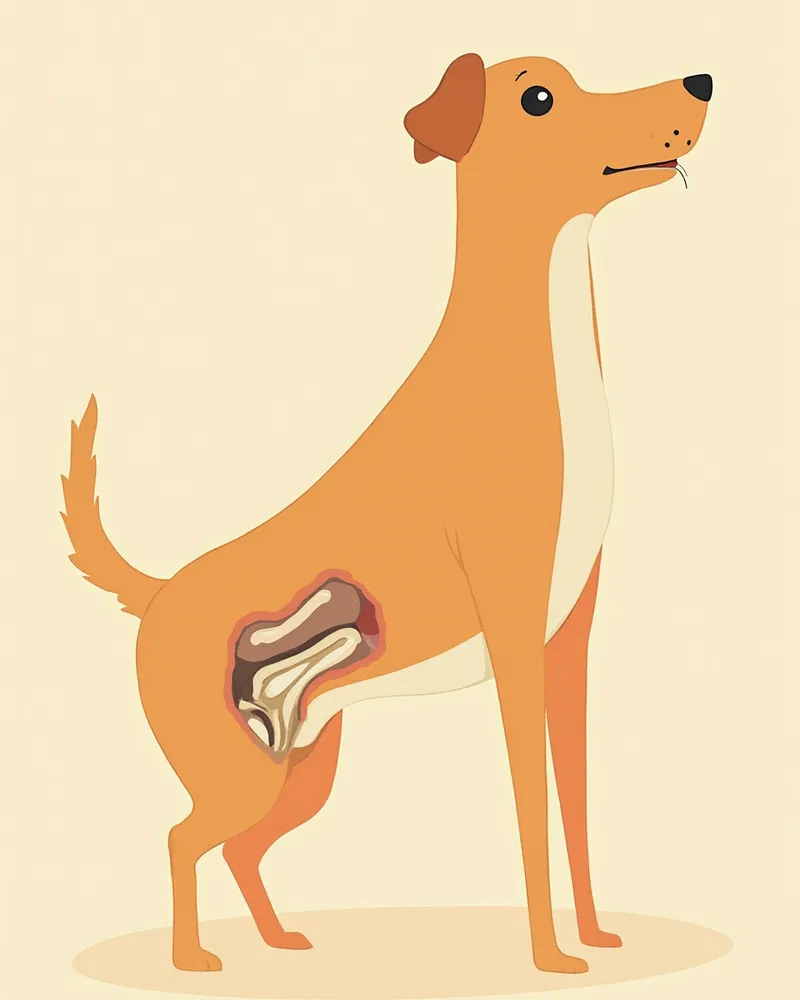
Patellar luxation is classified into four grades based on severity.
Grade 1: The kneecap dislocates only when external force is applied and returns to its normal position on its own. There is almost no lameness or pain during daily activities.
Grade 2: The kneecap spontaneously dislocates and reduces repeatedly. You may occasionally notice your pet skipping or walking with a lifted hind leg.
Grade 3: The kneecap is dislocated most of the time. Abnormal gait and muscle weakness are evident, and surgery should be considered.
Grade 4: The kneecap is permanently dislocated and cannot be manually repositioned. Surgery is essential.
If you suspect Grade 2 or higher, please have your pet evaluated by a veterinarian.
Comparison of knee conditions by patellar luxation grade

Go to the Vet Immediately If You See These Symptoms

If your pet is unable to walk more than three steps with its hind leg completely off the ground, remains seated with the leg extended and cannot stand up, experiences a dislocation that does not spontaneously reduce, or shows severe pain and refuses to have the leg touched, you should visit a veterinary clinic immediately. Leaving grade 3 or 4 dislocations untreated can lead to damage of the cranial cruciate ligament and the development of arthritis.

Age-Specific Health Care Points — From Puppy to Senior Dog
2–12 months (puppy stage): Ask your veterinarian to perform a patellar palpation exam during the first wellness check. Avoid slippery floors and jumping off sofas, and use non-slip mats to help prevent injuries.
1–5 years (adult stage): Have orthopedic exams once or twice a year to monitor for any changes in patellar luxation grade. Maintaining a healthy weight is key to reducing stress on the joints.
6 years and older (senior stage): Muscle loss can increase the frequency of patellar dislocations. Continue low-impact exercise such as walking on flat ground, minimize stair use, and consult your veterinarian about joint supplements.
Age-specific care for Papillon puppies, adult dogs, and seniors

Daily Management for Preventing Patellar Luxation

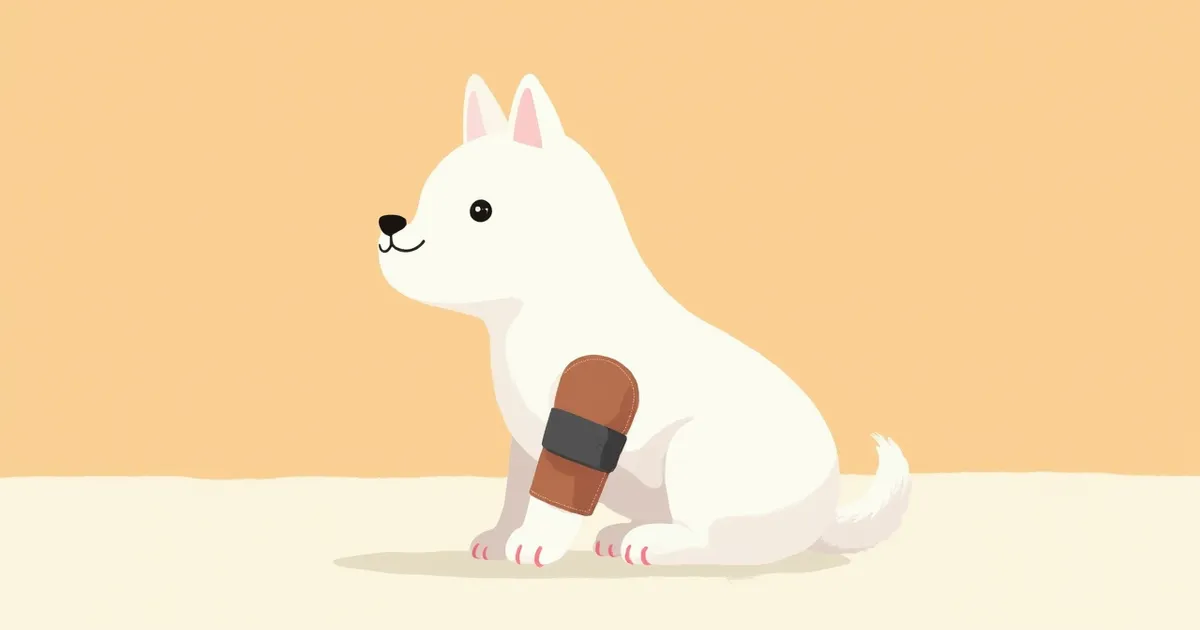
Slip Prevention: Place non-slip mats on indoor floors and keep the hair between your pet’s paw pads trimmed short. Slippery tile or hardwood flooring can increase the frequency of dislocations.
Jump Restriction: Encourage your pet to use pet stairs or steps when getting on and off sofas or beds. Sudden drops are a major cause of dislocations.
Weight Management: Maintain a standard weight (3–5 kg). Excess weight increases the burden on the knee joints and raises the risk of dislocation, so it is important to keep your pet at a healthy weight.
Muscle Strengthening: Walking on flat ground and aquatic rehabilitation help strengthen the thigh muscles, which stabilizes the patella.

When Surgery Is Needed and Post-Operative Care
For grade 3 to 4 patellar luxation, surgery is recommended. The procedure typically combines trochleoplasty, which deepens the trochlear groove, and tibial tuberosity transposition, which repositions the tibial tuberosity. After surgery, activity should be restricted for 6 to 8 weeks, with a gradual return to normal activity; rebuilding muscle strength during this period is key to recovery. Although surgical success rates are high, there is still a risk of luxation in the opposite leg or recurrence of patellar luxation in the operated leg. Please continue with regular post-operative check-ups. If you’d like to learn more about the surgical process, please refer to our Patellar Surgery Guide.
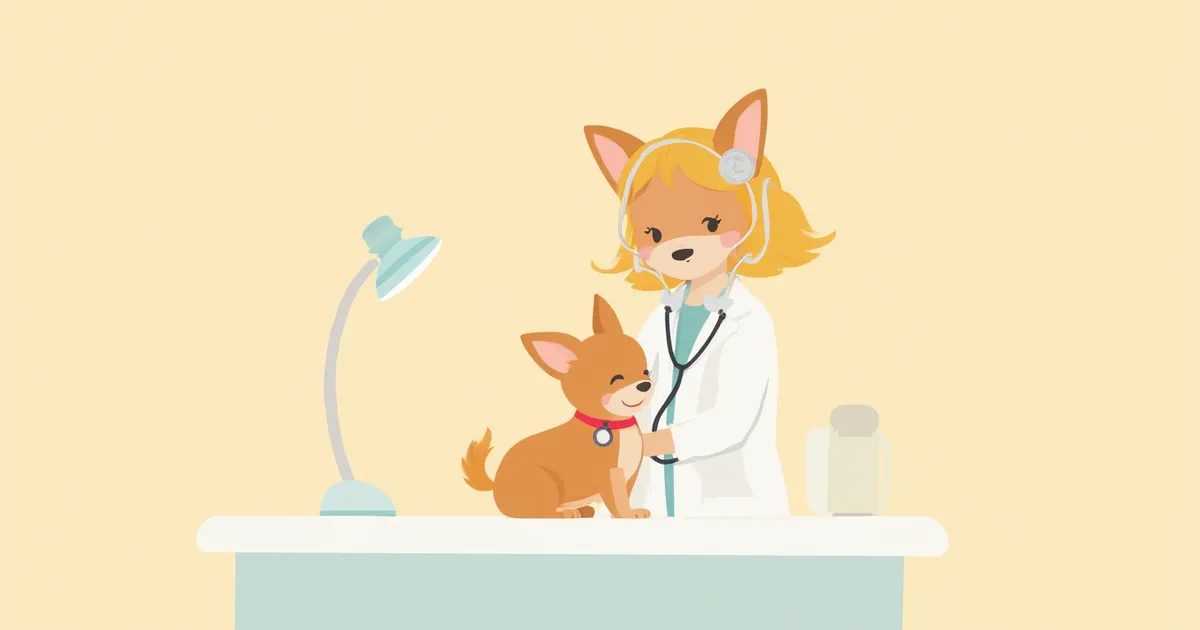
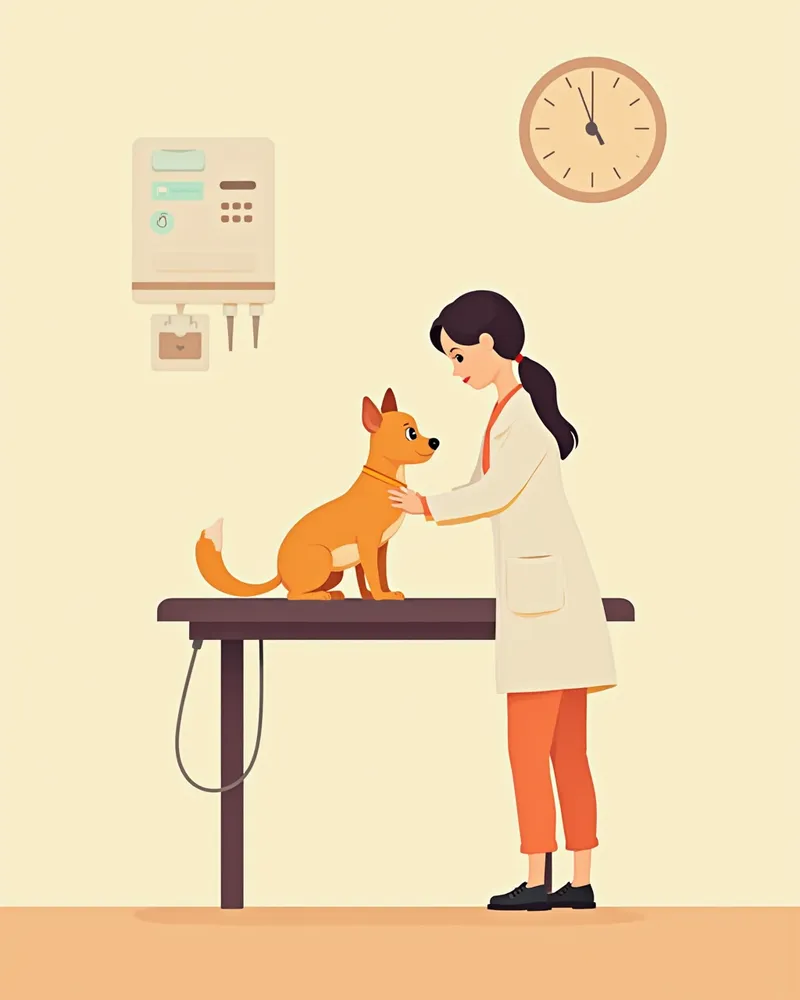
A veterinarian examining a Papillon for patellar issues

What Papillon Owners Must Know

Papillons are lively and fearless, so owners often don’t restrict rough play. Roughhousing with young children, quickly running up and down indoor stairs, and falling from high furniture are common causes of joint dislocations. Establishing safe habits during puppyhood is crucial for lifelong joint health.

Reviewed by a veterinarian

Dr. Tony — Punnawat Phongkittirak

Dr. Tony — Punnawat Phongkittirak

Veterinarian

A veterinarian who majored in veterinary medicine at Khon Kaen University, Thailand, and completed the IVSA program at North Carolina State University in the United States. Drawing on clinical experience at animal hospitals, he works in the pet healthcare field and is dedicated to building a digital care environment that connects pet parents with veterinarians.

Frequently Asked Questions

Does a Papillon with patellar luxation always need surgery?
For grades 1 and 2, management without surgery is often possible through weight control, anti-slip measures, and muscle-strengthening exercises. For grades 3 and 4, surgery is recommended due to severe pain and significant decline in walking ability. The grade is determined by a veterinarian through direct palpation examination.
Can my dog still go for walks if they have a patellar luxation?
For dogs with Grade 1 or 2 conditions, walking on flat ground is generally fine, but it’s best to limit running, jumping, and going up and down stairs. For Grade 3 or higher, it’s safest to consult with your veterinarian to determine the appropriate level of activity.
Is patellar luxation in Papillons hereditary?
Genetic factors play a significant role. If the parent dogs have a history of patellar luxation, there is a higher likelihood that it will occur in their puppies. Veterinary orthopedic textbooks also emphasize the importance of genetic factors in the development of this multifactorial condition.
Do joint supplements help with patellar luxation?
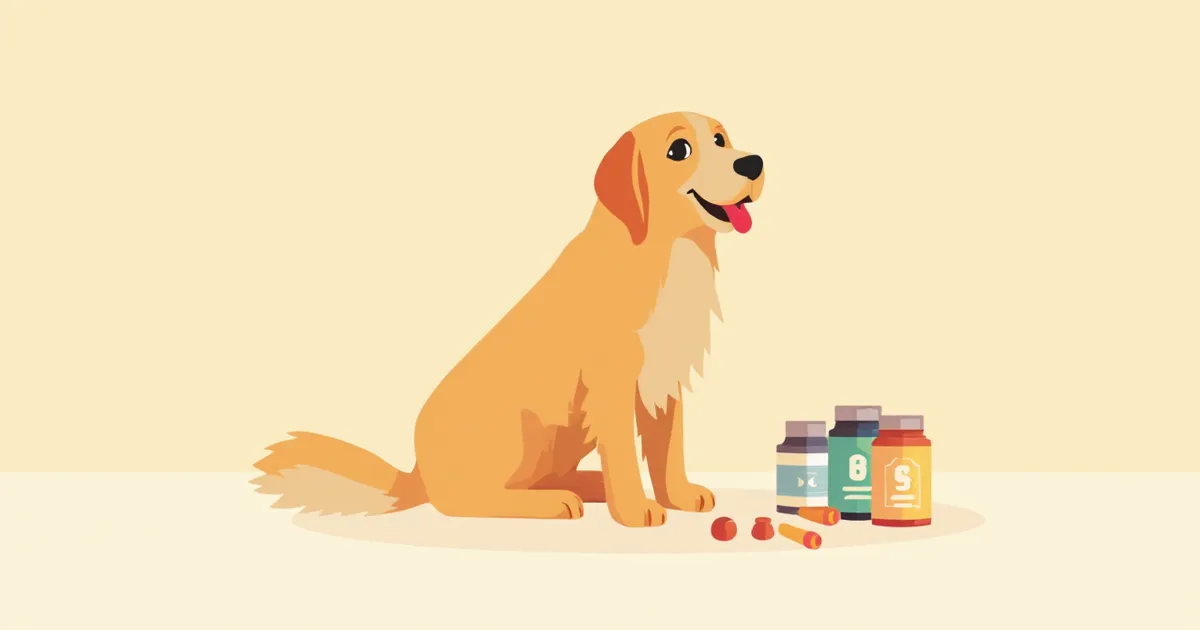
Glucosamine, chondroitin, and omega-3 fatty acids are sometimes used as supplements to support joint health. However, they cannot reverse patellar luxation itself, and their effectiveness may vary from dog to dog. It’s best to consult with your veterinarian before giving these supplements to determine whether they’re necessary for your pet.
How much does patellar luxation surgery cost for a Papillon?
Costs vary depending on the clinic, location, and surgical method, so it’s difficult to provide an exact figure. We recommend getting consultations from at least two or three veterinary clinics. If you have pet insurance, be sure to check in advance whether the procedure is covered.

Share

Related Guides

References

[1] Denny HR, Butterworth SJ. A Guide to Canine and Feline Orthopaedic Surgery, 4th ed. Blackwell Science, 2000. Chapter: Stifle Joint — Patellar Luxation.

[2] Schaer M (ed.). Clinical Medicine of the Dog and Cat, 4th ed. CRC Press, 2022. Chapter: Musculoskeletal Disorders — Patellar Luxation Pathophysiology.

[3] Maddison JE, Page SW, Church DB. 100 Top Consultations in Small Animal General Practice. Wiley-Blackwell, 2011. Chapter: Patellar Luxation.

This information is based on veterinary literature and does not replace diagnosis or treatment. Please consult a veterinarian for specific health concerns.

Metapet Co., Ltd. | CEO: Park Sung-yong | Business Reg. No. 417-88-02562 | Seoul, South Korea | Customer Center

Papillon Patellar Luxation: Symptoms, Grades & Lifelong Care | Meongsiljang