Like
Share
멍실장
버미즈 고양이 당뇨 호발 — 식이와 체중 관리 가이드

Burmese Cat Diabetes Susceptibility — Diet and Weight Management Guide

EndocrineBreed HealthMeongsiljang Veterinary Advisory Board

Burmese cats have the highest risk of developing diabetes among all cat breeds. We’ve compiled essential information for pet owners, including early warning signs, low-carbohydrate diets, weight management, and the progression of insulin therapy.

Why Are Burmese Cats Prone to Diabetes?
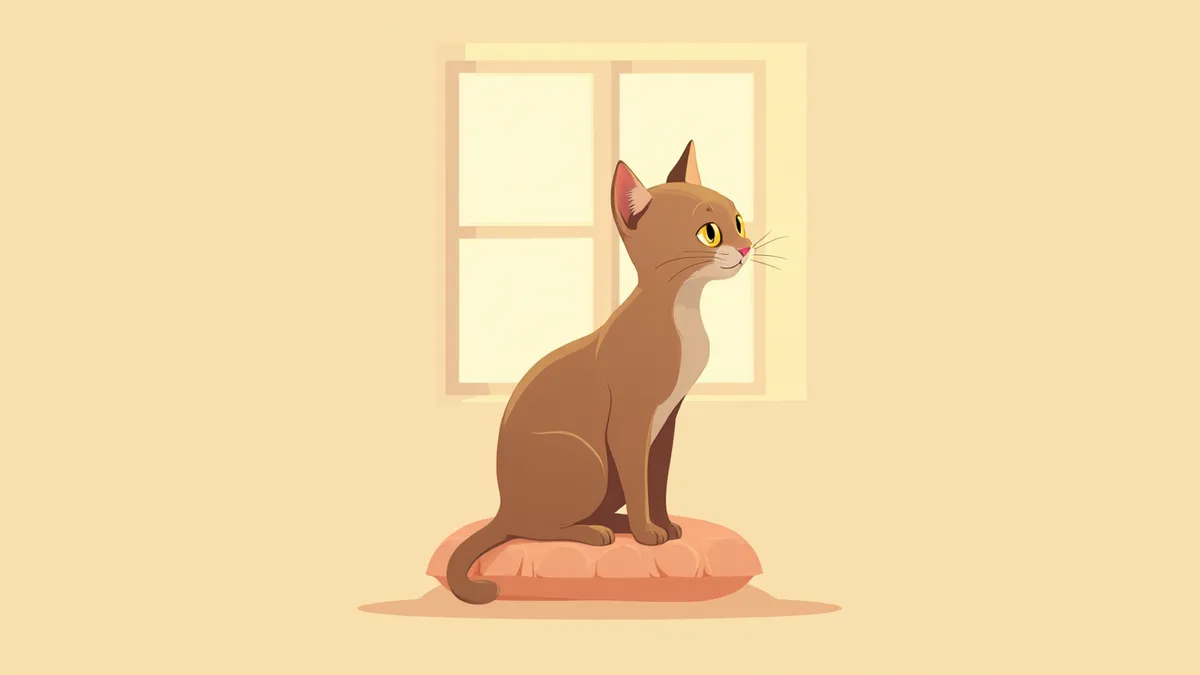
A Burmese cat sitting by the window
While Burmese cats are known to have a genetic predisposition, obesity is the most well-established risk factor for feline diabetes. Textbooks report that overweight cats are approximately four times more likely to develop diabetes than those at a healthy weight. Therefore, lifelong weight and dietary management are truly essential. If you notice signs such as increased thirst, frequent urination, or weight loss despite a good appetite, it’s advisable to have your veterinarian check blood glucose and urine glucose levels to rule out diabetes. As your cat enters middle age, we recommend including blood glucose testing in their routine health checkups.

Three Reasons Why Burmese Cats Are Vulnerable to Diabetes

To understand the diabetes risk in Burmese cats, it helps to know the common risk factors for feline diabetes.
Tendency toward insulin resistance: Feline diabetes resembles type 2 diabetes in humans and is closely linked to insulin resistance. Burmese cats are known to have a familial predisposition.
Tendency toward obesity: Obesity is the most significant risk factor that reduces insulin sensitivity. Cats with low activity levels and strong appetites are prone to weight gain after neutering.
Onset in middle to older age: Clinical signs of diabetes often appear in middle-aged and older cats.
Knowing the health history of your cat’s parents or siblings can help with early detection.

Suspect Diabetes If You See These Signs
If your Burmese cat shows two or more of the following signs, it’s a good idea to suspect diabetes and have them tested.
Polydipsia (excessive thirst): Their water bowl empties noticeably faster than usual.
Polyuria (excessive urination): Large clumps of urine appear in the litter box multiple times a day.
Weight loss despite normal appetite: Losing weight while eating normally is a classic sign of diabetes.
Vomiting and dehydration: As the disease progresses, vomiting and dehydration may occur.
Lethargy and reduced overall activity: A lack of energy and decreased activity warrant a veterinary visit.
These symptoms can also appear in other conditions causing polydipsia and polyuria, such as kidney disease, so it’s important to confirm the diagnosis with blood glucose and urine glucose tests at a veterinary clinic.
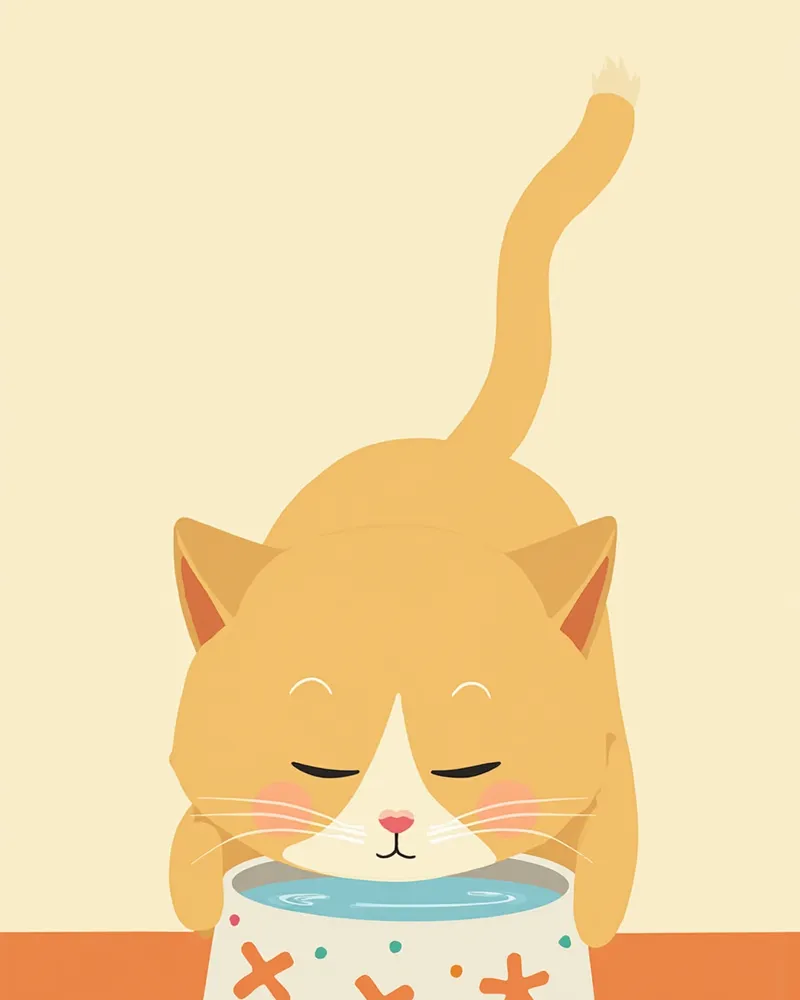
A Burmese cat drinking water

Go to the Vet Immediately If You See These Conditions

If your pet suddenly refuses food, experiences repeated vomiting, and has a fruity (acetone-like) odor on their breath, suspect diabetic ketoacidosis. This becomes an emergency if lethargy worsens or consciousness declines. For a cat already diagnosed with diabetes, if trembling or seizures occur after an insulin injection, this indicates hypoglycemia; immediately apply honey or syrup to the gums and rush to an emergency clinic.

Weight Management — 0.5kg Changes One Unit of Insulin

In managing diabetes in Burmese cats, weight control is crucial. Reducing weight to address obesity improves insulin sensitivity, making blood sugar easier to manage. Some cats may even achieve diabetic remission—a state where symptoms disappear—by combining a low-carbohydrate diet with weight loss.
Target weight: The ideal weight is when you can gently feel the ribs without excessive fat covering them.
Rate of weight loss: Rapid weight loss can be dangerous, so it’s safest to consult your veterinarian and reduce weight gradually.
Activity level: Increase activity by playing with feather toys twice a day.
Weight loss is most effective when combined with proper dietary management.
A healthy-weight Burmese cat playing with a toy

Dietary Management — Low-Carb and High-Protein Are Key

Textbook guidelines indicate that cats with diabetes achieve the most stable blood sugar control and highest remission rates on a diet low in carbohydrates and high in protein. Studies report that diets with very low carbohydrate content—less than 6% of total calories—are associated with even better remission outcomes.
Prescription Diets: Diabetic-specific prescription diets, such as Hill’s m/d, which are high in protein and low in carbohydrates, are the first-line choice. Other diabetic-specific options include Royal Canin Diabetic and Purina DM.
Regular Food Alternatives: High-protein, sugar-free canned foods contain fewer carbohydrates than dry kibble and may also assist with weight loss.
Feeding: Provide consistent portions at set times, and follow your veterinarian’s instructions for coordinating feeding and insulin schedules.
Treats: It is best to limit treats to less than 5% of your cat’s total daily caloric intake.
A bowl filled with high-protein canned pet food

Comparison of Dietary Options for Burmese Cat Diabetes

ItemDiabetic prescription dietHigh-protein can (sugar-free)Regular dry food
Carbohydrate proportionLow (about 7–12%)Low (about 5–12%)High (30–50%)
Blood glucose stabilityExcellentGoodPoor
Likelihood of remissionHighModerateLow
Cost burden on the ownerHighModerateLow

Lower carbohydrate (under 6% of calories) is reported to yield a higher remission rate, and when blood glucose is unstable a prescription diet is safest

Basic Flow of Insulin Therapy

If blood sugar levels remain consistently high, insulin therapy becomes necessary. Your veterinarian will determine the appropriate insulin type, dosage, and timing for starting treatment.
Step 1 — Stabilization and Dosage Determination: We measure blood glucose fluctuations to establish an initial dose and may hospitalize your pet for stabilization if needed.
Step 2 — Home Insulin Administration: For feline diabetes, long-acting insulins such as glargine or PZI are typically administered via subcutaneous injection every 12 hours. We will teach you how to safely administer these injections at home.
Step 3 — Blood Glucose Monitoring: We adjust the dosage based on blood glucose profiles obtained through home monitoring or regular follow-up visits.
Potential for Remission: With a low-carbohydrate diet and strict blood glucose control, many cats can achieve remission, allowing them to discontinue insulin. Some studies have reported remission rates exceeding 80%.

What Burmese Cat Owners Must Remember

Start tracking your Burmese cat’s weight consistently from the moment you bring them home. Even gradual weight gain leading to obesity significantly increases the risk of diabetes. Studies show that overweight cats are about four times more likely to develop diabetes than those at a healthy weight. If your cat’s parents or siblings have been diagnosed with diabetes, be especially vigilant and consider including blood glucose checks in regular health screenings starting in middle age. Catching small weight changes early is the most effective way to prevent the disease.

Reviewed by a veterinarian

Dr. Tony — Punnawat Phongkittirak

Dr. Tony — Punnawat Phongkittirak

Veterinarian

A veterinarian who majored in veterinary medicine at Khon Kaen University, Thailand, and completed the IVSA program at North Carolina State University in the United States. Drawing on clinical experience at animal hospitals, he works in the pet healthcare field and is dedicated to building a digital care environment that connects pet parents with veterinarians.

Frequently Asked Questions

At what age do Bichon Frises start to have an increased risk of diabetes?
Feline diabetes tends to become more common in middle-aged cats and older. However, severe obesity can lead to earlier diagnosis, so it's best to start weight management from a young age.
Is it really possible to stop insulin treatment?
Yes, by combining a low-carbohydrate prescription diet with weight loss to strictly regulate blood sugar, a significant number of cats can achieve "diabetic remission," where they maintain normal blood glucose levels without insulin. Some studies have even reported remission rates exceeding 80%. However, because there is a risk of relapse even after remission is achieved, lifelong management remains essential.
I’ve adopted a Burmese kitten—can I have it checked beforehand?
There is currently no diabetes gene test widely used in clinical practice. Instead, the most practical approach is to check the diabetes history of the cat’s parents and siblings, and begin regular blood glucose testing starting in middle age.
I find prescription diabetic food too expensive. Can I substitute it with regular pet food?
If prescription diets are difficult to manage, you can focus on low-carbohydrate, high-protein canned food (sugar-free) and reduce the amount of dry food. However, if blood sugar levels are not stable, a prescription diet is the safest option.
Should I start insulin therapy or focus on weight loss first?
If blood sugar levels are already dangerously high, insulin therapy takes priority. We stabilize blood glucose with insulin while gradually reducing body weight. Rapid weight loss can be risky, so it’s safest to work closely with your veterinarian to achieve a slow, steady reduction.

Share

Related Guides

References

[1] Rand JS, Fleeman LM, Farrow HA, et al. Canine and Feline Diabetes Mellitus: Nature or Nurture? Journal of Nutrition, 2004

[2] BSAVA Manual of Canine and Feline Endocrinology, 4th Edition

[3] Notes on Feline Internal Medicine, 2nd Edition

[4] Lederer R, Rand JS, et al. Frequency of feline diabetes mellitus and breed predisposition in domestic cats in Australia. Veterinary Journal, 2009

This information is based on veterinary literature and does not replace diagnosis or treatment. Please consult a veterinarian for specific health concerns.

Metapet Co., Ltd. | CEO: Park Sung-yong | Business Reg. No. 417-88-02562 | Seoul, South Korea | Customer Center

Burmese Cat Diabetes: Diet & Weight Management Guide | Meongsiljang