Like
Share
멍실장
스코티시 폴드 건강 관리 가이드 — 관절·귀 질환 예방과 관리

Scottish Fold Health Care Guide — Prevention and Management of Joint and Ear Diseases

JointBreed HealthMeongsiljang Veterinary Advisory Board

The folded ears of Scottish Folds are a distinctive trait caused by a cartilage abnormality. We’ve outlined the key health risks and care tips that owners should know, focusing on joints and ears.

Scottish Folds: Health Risks Hidden Behind Their Cute Appearance
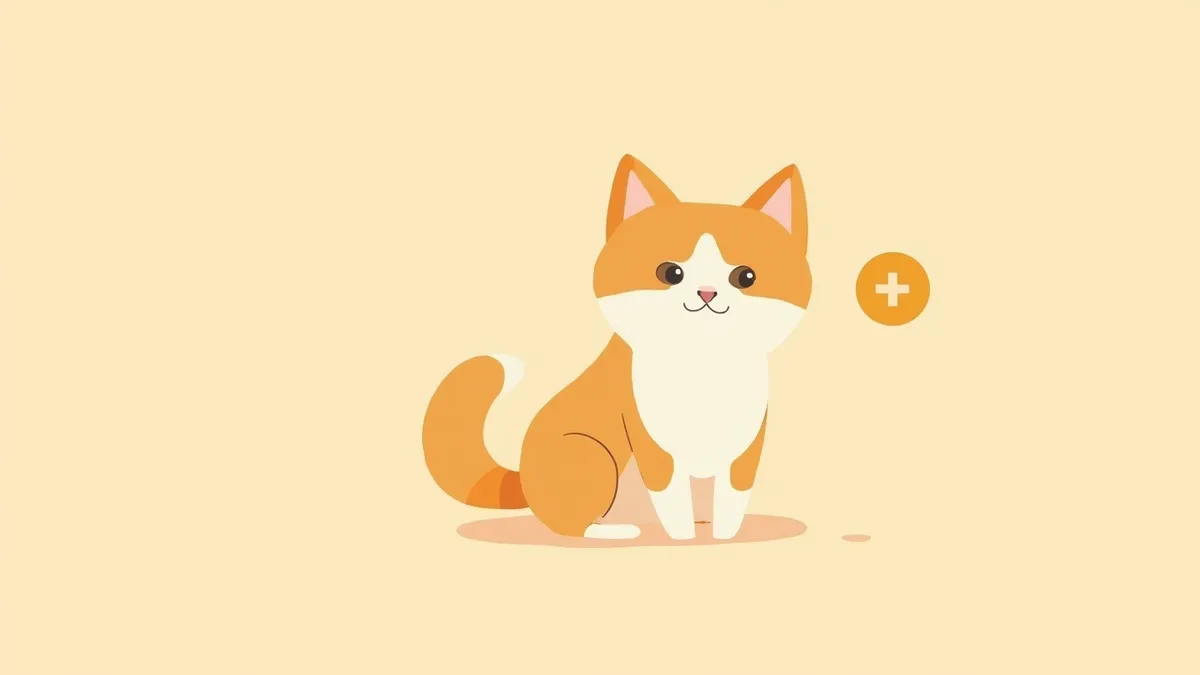
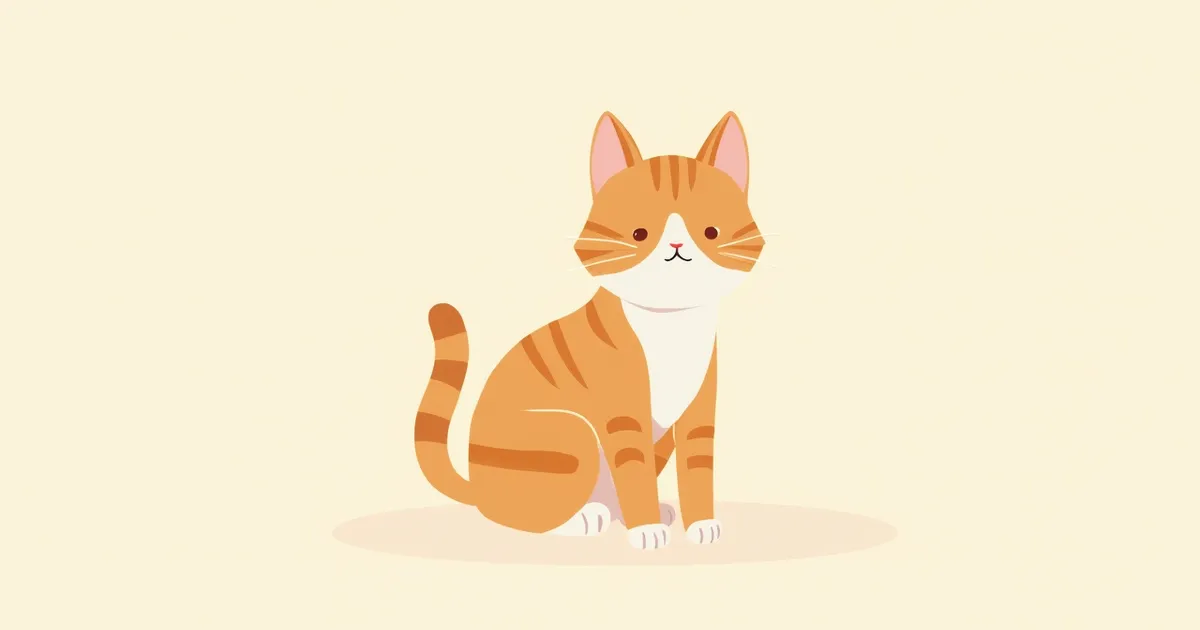
An illustration of a Scottish Fold cat, known for its folded ears.
The folded ears of Scottish Folds are a distinctive trait caused by a cartilage abnormality. This breed carries a genetic predisposition from birth that affects cartilage and bone development, making them particularly susceptible to joint and ear diseases. Even if you were drawn in by their appearance, don’t worry. With proper understanding and management of their health risks, you can enjoy a long, happy life with your cat. Here’s a summary of essential health care tips for Scottish Fold owners, focusing on their joints and ears.

4 Diseases Scottish Folds Must Be Particularly Cautious About

Here are some common health conditions seen in Scottish Folds.
Osteochondrodysplasia: This is the hallmark genetic disorder of the Scottish Fold. Abnormal development of cartilage and bone leads to stiff joints, and in severe cases, significant difficulty with movement.
Otitis Externa: Cats can develop inflammation in the outer ear canal due to bacterial or yeast overgrowth. Because their folded ears make it difficult to visually inspect the inner ear, regular checks are recommended.
Hypertrophic Cardiomyopathy: This condition involves abnormal thickening of the heart muscle walls. Early stages are often asymptomatic, so detection typically relies on routine veterinary examinations.
Kidney Disease: Cats may develop conditions that cause a gradual decline in kidney function. Since symptoms are often subtle or absent in the early stages, early detection through regular blood and urine tests is crucial.

Osteochondrodysplasia: Caused by the Same Gene Responsible for Folded Ears
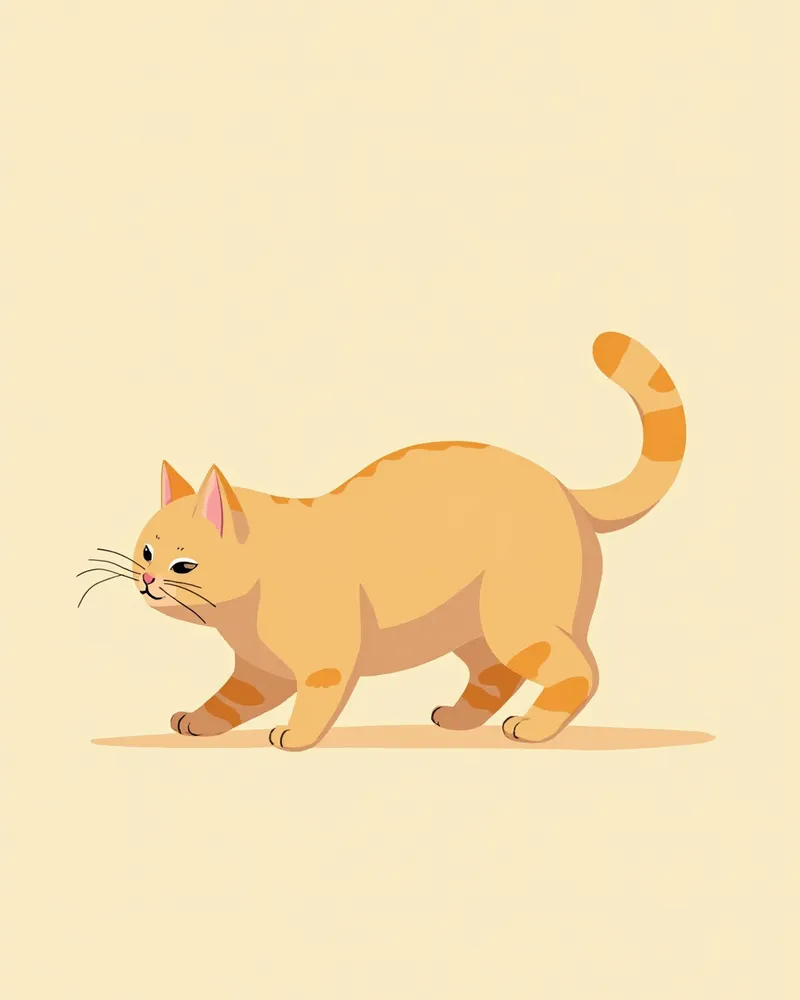
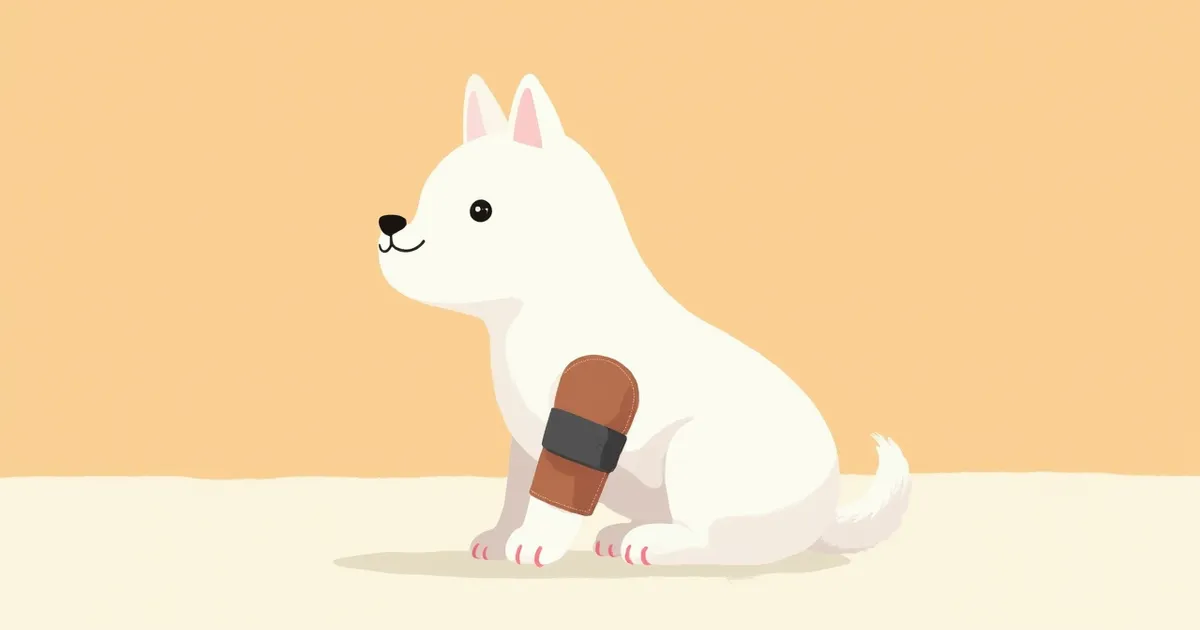
Osteochondrodysplasia is caused by the same gene responsible for the folded ears in Scottish Folds. According to veterinary internal medicine textbooks, this gene affects not only ear cartilage but also the development of cartilage and bones throughout the body. Symptoms typically appear over several months to years after birth. Abnormal bone growth occurs in the hind limb joints, particularly the ankles and tail, causing the joints to gradually stiffen. If your pet has difficulty climbing to high places or appears stiff when walking, this condition should be suspected. As a progressive disease, a complete cure is difficult; however, early detection allows for pain management and treatments that can slow disease progression.
An illustration of a Scottish Fold with the hind leg joint area highlighted

Suspect Joint Issues If You Notice These Behaviors

If your Scottish Fold exhibits any of the following behaviors, it may indicate joint issues. Please visit a veterinary clinic promptly. • Suddenly stops jumping or is unable to jump • Appears stiff in the hind legs when walking • Shows pain when the tail is touched, or has a short, thickened tail • Assumes an unnatural posture when sitting or lying down • Shows a noticeable decrease in activity compared to usual

Why Folded Ears Are Vulnerable to Otitis Externa
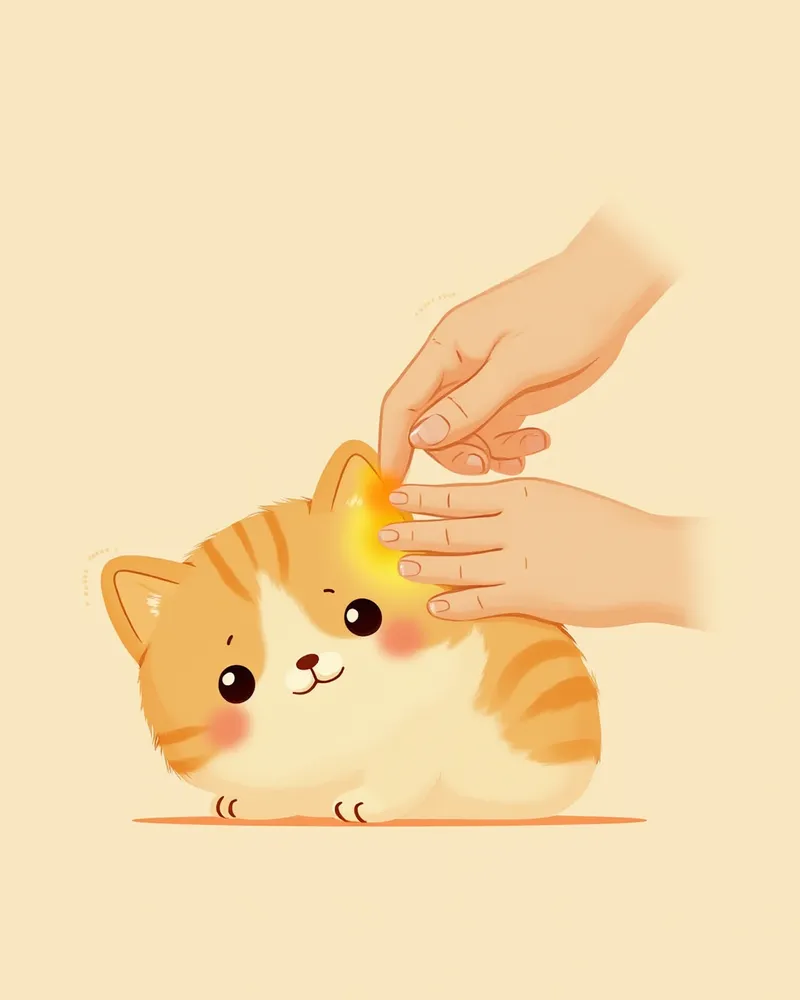
Because Scottish Folds have ears that fold forward, it can be difficult to visually inspect the inside of their ears. Otitis externa is an inflammation caused by the proliferation of bacteria or yeast in the external ear canal, and it may be hard to detect in its early stages if you cannot easily check the inner ear. When otitis externa develops, your pet may frequently scratch at their ears, tilt their head to one side, or have an odor coming from their ears. A change in earwax color to black or yellow is also a warning sign. It is recommended to check the inside of the ears once or twice a week and gently clean them with an ear cleanser recommended by your veterinarian. Avoid inserting cotton swabs deep into the ear canal, as this can cause damage; instead, use gauze or a soft cloth.
Illustration of a Scottish Fold undergoing an ear examination

Regularly Check the Heart and Kidneys as Well

One heart condition to watch for in Scottish Folds is hypertrophic cardiomyopathy, a disease in which the heart walls thicken and impair the heart’s ability to pump blood effectively. In the early stages, there are often no visible symptoms. If your cat suddenly starts panting or shows a decrease in activity level, it’s a good idea to have a cardiac exam. Kidney disease is another concern. Cats can develop conditions that cause a gradual decline in kidney function. Drinking more water than usual or changes in urine output may be warning signs. Early detection is key for both conditions. We recommend consulting with your veterinarian for regular comprehensive health checkups, including an echocardiogram and blood and urine tests.

Daily Health Care Points for Scottish Folds
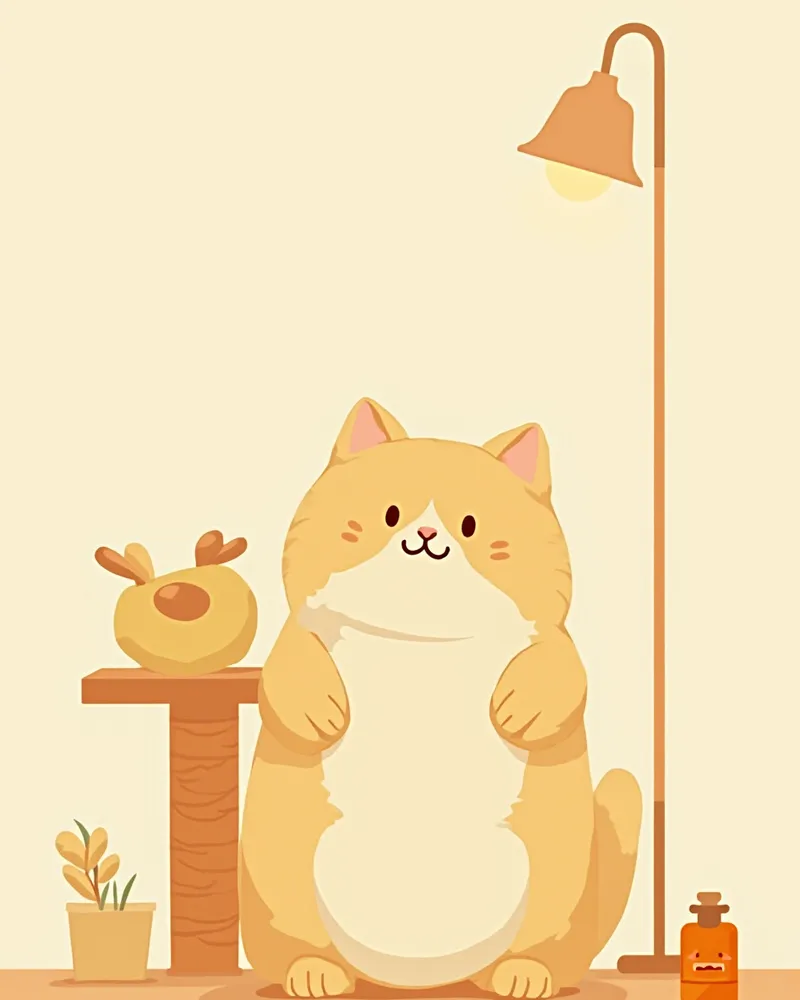
Here are the key care points to keep your Scottish Fold healthy.
Weight Management: Maintaining an ideal body weight is crucial to reduce stress on the joints. Obesity can accelerate the progression of joint disease.
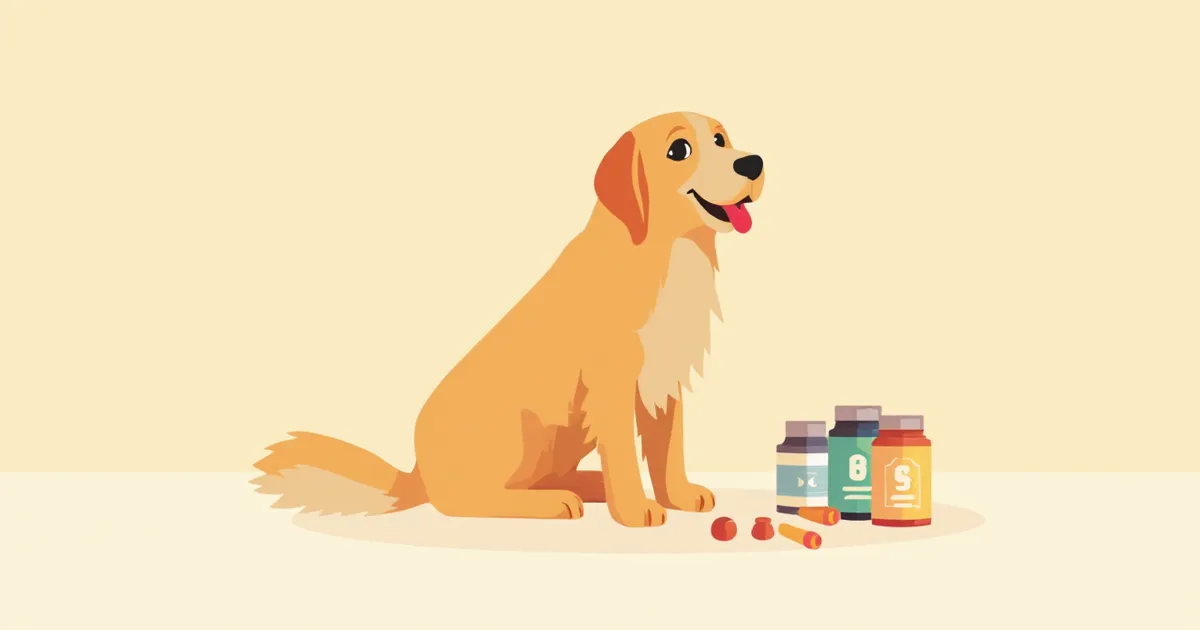
Joint Supplements: After consulting with your veterinarian, providing nutritional supplements that support joint health can be beneficial. Always discuss with your vet to determine which ingredients and products are most suitable for your cat.
Environmental Modifications: Lower the height of cat trees or install ramps and steps to create an environment where your cat doesn’t need to jump excessively.
Ear Care Routine: Check your cat’s ears once or twice a week. If you notice any abnormalities, clean them using a solution recommended by your veterinarian.
An illustration of a Scottish Fold cat in a safe indoor environment with a low cat tower.

A Breed for Which Regular Check-ups Are Especially Important

Scottish Folds are a breed prone to several genetic conditions. Even if your cat appears healthy on the outside, underlying diseases may be progressing internally. It’s important to have regular comprehensive check-ups at intervals recommended by your veterinarian, based on your cat’s age and health status. As your cat gets older, increasing the frequency of these check-ups becomes even more important, so work with your vet to create an appropriate screening plan. Be sure to include joint X-rays, cardiac ultrasound, and blood tests in these evaluations.

Reviewed by a veterinarian

Dr. Tony — Punnawat Phongkittirak

Dr. Tony — Punnawat Phongkittirak

Veterinarian

A veterinarian who majored in veterinary medicine at Khon Kaen University, Thailand, and completed the IVSA program at North Carolina State University in the United States. Drawing on clinical experience at animal hospitals, he works in the pet healthcare field and is dedicated to building a digital care environment that connects pet parents with veterinarians.

Frequently Asked Questions

Do all Scottish Folds develop joint disease?
Scottish Folds, with their characteristic folded ears, carry the gene for osteochondrodysplasia. While the severity can vary, most are affected to some degree in their joints. In contrast, Scottish Straights, whose ears stand upright, do not carry this gene and therefore have a lower risk.
Will giving joint supplements help improve osteochondrosis?
Supplements that support joint health can help maintain cartilage health. However, they cannot reverse hip dysplasia that has already progressed. Early intervention is key, so be sure to consult your veterinarian to choose the most appropriate supplement for your pet.
How often should you clean your pet’s ears?
Check your pet’s ears once or twice a week. If you notice excessive earwax or an unpleasant odor, gently clean them with a veterinary-recommended ear cleaner. If the ears are already clean, there’s no need to clean them every time—over-cleaning can actually cause irritation.
Is it not recommended to breed Scottish Folds with other Scottish Folds?
Absolutely not. If a kitten inherits the folded-ear gene from both parents, it will develop a much more severe form of osteochondrodysplasia. Many countries prohibit breeding two Scottish Folds together, and they must always be bred with a straight-eared cat.

Share

Related Guides

References

[1] The Cat, Clinical Medicine and Management, 2nd Edition — Musculoskeletal Disorders: Osteochondrodysplasia in Scottish Fold Cats

[2] Clinical Medicine of the Dog and Cat, 4th Ed — Chapter 15: Osteochondrodysplasia

[3] Malik R, et al. (1999) Osteochondrodysplasia in Scottish Fold cats. Australian Veterinary Journal, 77(2), 85-92

[4] Takanosu M, et al. (2008) Incomplete dominant osteochondrodysplasia in heterozygous Scottish Fold cats. Journal of Small Animal Practice, 49(4), 197-199

This information is based on veterinary literature and does not replace diagnosis or treatment. Please consult a veterinarian for specific health concerns.

Metapet Co., Ltd. | CEO: Park Sung-yong | Business Reg. No. 417-88-02562 | Seoul, South Korea | Customer Center

Scottish Fold Health: Joint & Ear Disease Prevention | Meongsiljang