Like
Share
멍실장
메인쿤 정기 검진 일정 완벽 가이드

Maine Coon Regular Checkup Schedule — Age-Specific Checklist for Common Conditions Such as Hypertrophic Cardiomyopathy

ImmunityBreed HealthMeongsiljang Veterinary Advisory Board

Maine Coons are at higher risk for hypertrophic cardiomyopathy, polycystic kidney disease, and hip dysplasia, making age-specific regular check-ups essential. We’ve outlined the recommended tests for each life stage, from 1 year old to 8 years and beyond.

What Is a Maine Coon Regular Checkup?
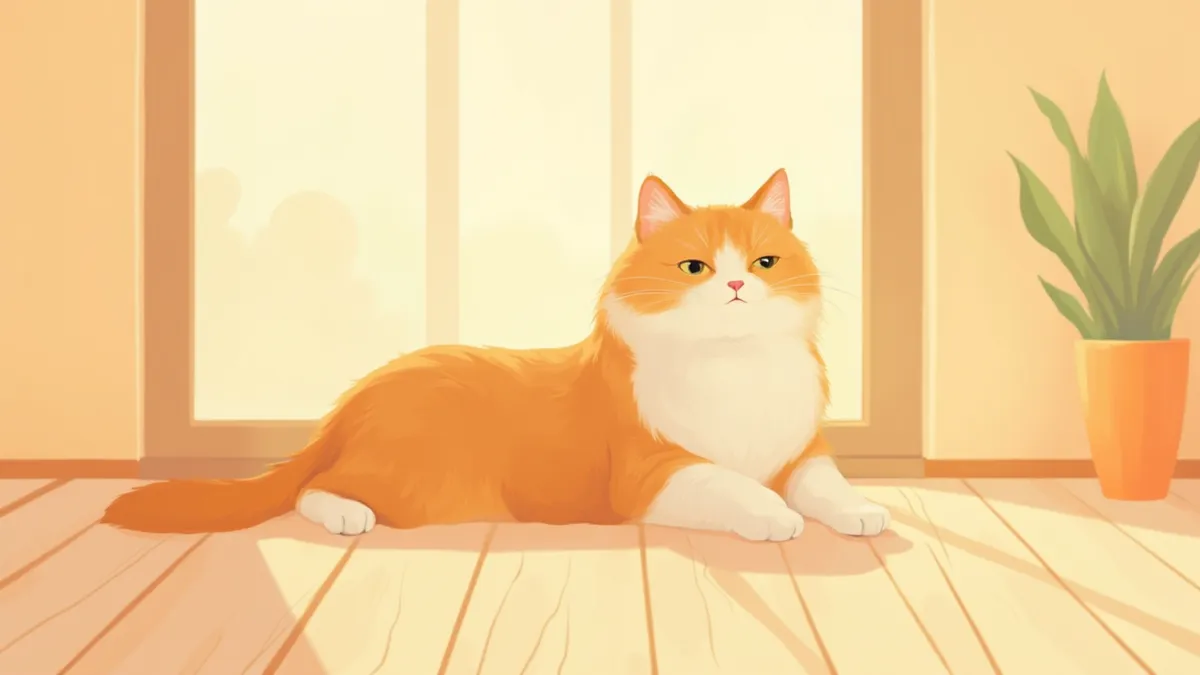
A Maine Coon sitting comfortably in the sunlight.
Maine Coons are a large breed prone to specific conditions such as hypertrophic cardiomyopathy (HCM), hip dysplasia, and spinal muscular atrophy, making age-appropriate veterinary check-ups essential. HCM is a particularly well-known hereditary condition in this breed, and early detection is key. Even if your cat shows no symptoms, annual cardiac ultrasounds are recommended between the ages of one and three, with additional screenings at five and eight years old to identify risks early. Staying on top of these check-up schedules is the cornerstone of keeping your Maine Coon healthy.

Why Maine Coons Require Special Care

Maine Coons are a large breed, typically weighing 6–8 kg on average. Their substantial size can place significant stress on the heart and joints, and the breed is known to be prone to specific genetic conditions. - Hypertrophic Cardiomyopathy (HCM): A genetic disorder characterized by thickening of the heart muscle, primarily seen in Maine Coons and Ragdolls. It is inherited in an autosomal dominant pattern with incomplete penetrance. - MYBPC3 mutation (A31P): A representative genetic mutation associated with HCM in Maine Coons. - Hip dysplasia and spinal muscular atrophy: Joint and neuromuscular issues reported in large cat breeds. - Chronic kidney disease: A renal condition commonly seen in senior Maine Coons. While genetic testing for Polycystic Kidney Disease (PKD) is available, it is a breed-specific test primarily significant for Persian-type cats. Because these conditions often present with few early symptoms, they can only be detected through regular veterinary check-ups.

Age-Specific Key Symptom Checklist

If you notice any of the following symptoms, please bring your pet in for an early check-up before their next scheduled appointment: - Changes in breathing: Breathing faster than usual or panting with an open mouth - Decreased activity: Suddenly refusing to jump or play - Weakness in the hind legs: An awkward gait or frequent sitting - Changes in water intake: Drinking significantly more or less water than usual - Weight changes: Rapid weight gain or loss over a period of 1–2 months - Gum color: Pale or bluish gums
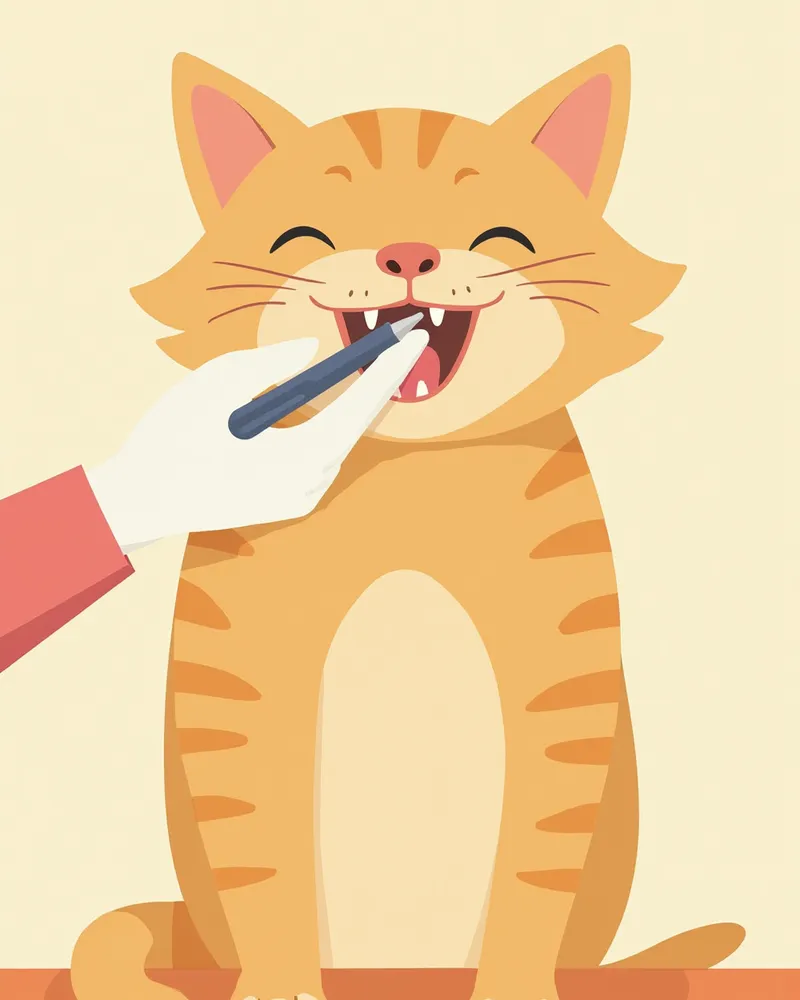
A Maine Coon undergoing a dental and gum examination.

Emergency Warning Signs

If your cat shows any of the following symptoms, do not wait for a routine checkup—seek veterinary care within 24 hours: open-mouth breathing with labored respiration, sudden hindlimb paralysis, altered consciousness or fainting, complete refusal of food and water for more than 24 hours, or pale or blue-tinged gums. Thromboembolism caused by hypertrophic cardiomyopathy can be fatal in Maine Coons.

Maine Coon Age-Specific Checkup Schedule

Item1–3 years (entering adulthood)4–7 years (stable adult)8+ years (senior)
EchocardiographyOnce a yearOnce at 5 years (additional if needed)Once a year from 8 years
Blood/biochemistry testOnce a yearOnce a yearOnce every 6 months
Kidney exam (including ultrasound)Once at 1 yearAs neededOnce a year
Genetic testOnce before 1 yearSkip if already doneSkip if already done
Hip X-rayWhen symptomaticWhen symptomaticWhen symptomatic
Dental checkupOnce a yearOnce a yearOnce every 6 months

The echocardiography schedule follows the Maine Coon screening recommendations in veterinary cardiology textbooks (annually at 1–3 years, rechecks at 5 and 8 years), and the remaining items are based on general preventive medicine recommendations. The exact interval is adjusted at the veterinarian's discretion.

When and What Genetic Testing Should Be Done?
Maine Coons only need to undergo genetic testing once, before they reach one year of age. The most critical test is for the MYBPC3 mutation (A31P), which causes hypertrophic cardiomyopathy (HCM). According to veterinary cardiology textbooks, approximately 34% of asymptomatic Maine Coons carry this mutation. However, even among those with the mutation, about 88% showed no signs of hypertrophy on echocardiograms around the age of five. In other words, many cats with a positive genetic test result may still appear normal on an echocardiogram, while those with a negative result can still develop HCM later in life. Therefore, the standard of care is to perform both genetic testing and regular cardiac echocardiograms. Genetic test results must be interpreted in the context of the specific breed. For example, tests for polycystic kidney disease (PKD) are primarily significant for certain breeds, such as Persians and their related lines. It is best to consult with your veterinarian to determine which testing panel is most appropriate for your cat.
Collecting a genetic test sample from a Maine Coon

Cardiac Examination — The Most Important Item

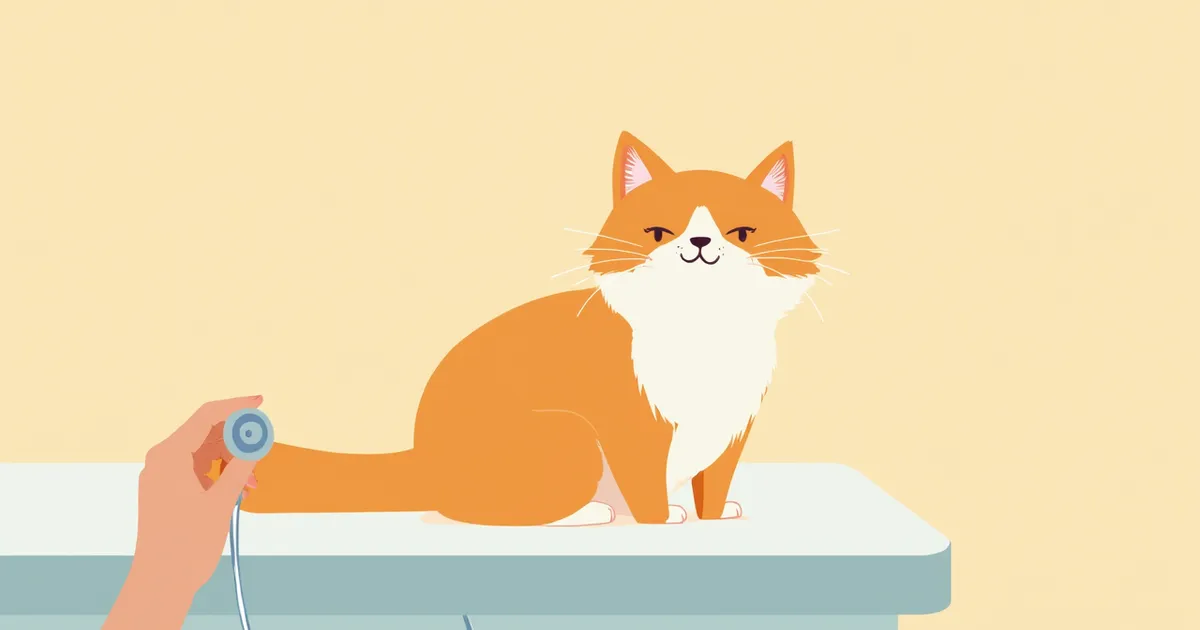
The cornerstone of a Maine Coon’s regular checkup is an echocardiogram. It’s difficult to detect early-stage hypertrophic cardiomyopathy with a stethoscope alone. Veterinary cardiology textbooks recommend echocardiograms for Maine Coons—whether bred or not—annually between ages 1 and 3, and again at ages 5 and 8. The procedure involves parting a small section of chest fur and takes about 10 to 20 minutes without anesthesia. Based on the results, your veterinarian will adjust the interval for future screenings to either one or two years.

Owner Preparation Before the Checkup

A 12-hour fast is required the day before the check-up to ensure accurate blood test results. You can continue providing water as usual. On the day of the visit, please bring a list of any regular medications or supplements your pet takes, along with notes on recent changes in water intake, food consumption, and weight. Since Main Coons can become highly stressed in cramped carriers, it’s best to bring a spacious carrier and a familiar blanket to help keep them comfortable.

Home Care and Daily Monitoring Points

There’s a lot you can monitor at home between regular check-ups. - Respiratory rate: Count the number of breaths your pet takes in one minute while they are sleeping or resting comfortably, and note if their breathing seems faster or more labored than usual. - Weight tracking: Measure your pet’s weight once a month at the same time of day. - Water intake: Use the markings on the water bowl to check how much water they drink each day. - Activity changes: Keep a note of any changes in how often they jump or use stairs. - Coat and skin condition: Record any changes, such as excessive grooming or hair loss. Consistently tracking these numbers and changes will help your veterinarian accurately assess trends during the next check-up.

Commonly Overlooked Items in Maine Coon Checkups

Many owners assume that because Maine Coons are large cats, a standard feline wellness checkup is sufficient. However, in addition to routine exams, Maine Coons require cardiac ultrasound, genetic testing, and hip X-rays. For seniors aged eight years and older, thyroid function tests should also be included. It’s a good idea to ask your veterinarian in advance whether they offer a Maine Coon-specific health screening package.

Reviewed by a veterinarian

Dr. Tony — Punnawat Phongkittirak

Dr. Tony — Punnawat Phongkittirak

Veterinarian

A veterinarian who majored in veterinary medicine at Khon Kaen University, Thailand, and completed the IVSA program at North Carolina State University in the United States. Drawing on clinical experience at animal hospitals, he works in the pet healthcare field and is dedicated to building a digital care environment that connects pet parents with veterinarians.

Frequently Asked Questions

When should I take my Maine Coon for its first veterinary checkup?
We recommend having your puppy undergo a basic health checkup along with genetic testing within two weeks of adoption. Formal cardiac ultrasound screening should begin at one year of age.
If the genetic test is negative, can I skip the echocardiogram?
Not necessarily. Even if your pet tests negative for the genetic mutation, they can still develop hypertrophic cardiomyopathy later in life, so regular cardiac ultrasounds are still essential.
If the cost of a full checkup feels overwhelming, how should I prioritize which tests to do first?
The top priority is an echocardiogram, followed by blood and kidney function tests. Genetic testing only needs to be done once before the age of one, and the results can be used for life.
Should neutered Maine Coons follow the same check-up schedule?
Yes, regardless of whether your pet is spayed or neutered, the risk of breed-specific diseases remains the same. It’s best to stick to the same schedule for check-ups.
What should I do if my pet is diagnosed with early-stage hypertrophic cardiomyopathy during a checkup?
The veterinarian will determine the appropriate medication and follow-up examination schedule based on the disease stage. As a pet owner, start keeping a daily log of your pet's respiratory rate and activity level, and reduce strenuous exercise.

Share

Related Guides

References

[1] Textbook of Cardiovascular Medicine in Dogs and Cats - Screening Programs for Hereditary Cardiomyopathies

[2] The Cat, Clinical Medicine and Management, 2nd Edition - Genetic Diseases in Pedigree Cats

[3] Clinical Medicine of the Dog and Cat, 4th Ed - Feline Health Screening Recommendations

This information is based on veterinary literature and does not replace diagnosis or treatment. Please consult a veterinarian for specific health concerns.

Metapet Co., Ltd. | CEO: Park Sung-yong | Business Reg. No. 417-88-02562 | Seoul, South Korea | Customer Center

Maine Coon Checkup Schedule by Age: HCM & Common Risks | Meongsiljang