
Himalayan Regular Check-up Schedule — Age-Specific Management for Polycystic Kidney Disease and Respiratory Issues
Himalayans are at higher risk for genetic conditions common in Persians, so regular, stage-specific checkups from kittenhood through senior years are essential. Here’s a breakdown of recommended exams by age and timing.
Why Check-ups Are Especially Important for Himalayans
Top 4 Conditions Himalayans Should Be Particularly Watchful For
Age-Specific Regular Check-up Schedule for Himalayans
| Item | Kitten (0–1 yr) | Adult (1–7 yr) | Senior (7+ yr) |
|---|---|---|---|
| Basic physical exam | Once a month | 1–2 times a year | 2–3 times a year |
| Vaccination | Initial 3 doses + booster | Once a year | Once a year + antibody titer test |
| PKD gene/ultrasound | Once at 6–12 months | Once every 2–3 years | Once a year |
| Blood & urine tests | Baseline at 1 year | Once a year | Twice a year |
| Ophthalmic exam | Once a year | Once a year | Twice a year |
| Dental exam | Once every 6 months | Once a year | 1–2 times a year + scaling |
Frequency may be adjusted based on the veterinarian's clinical assessment
Polycystic Kidney Disease (PKD) Testing Is the Top Priority
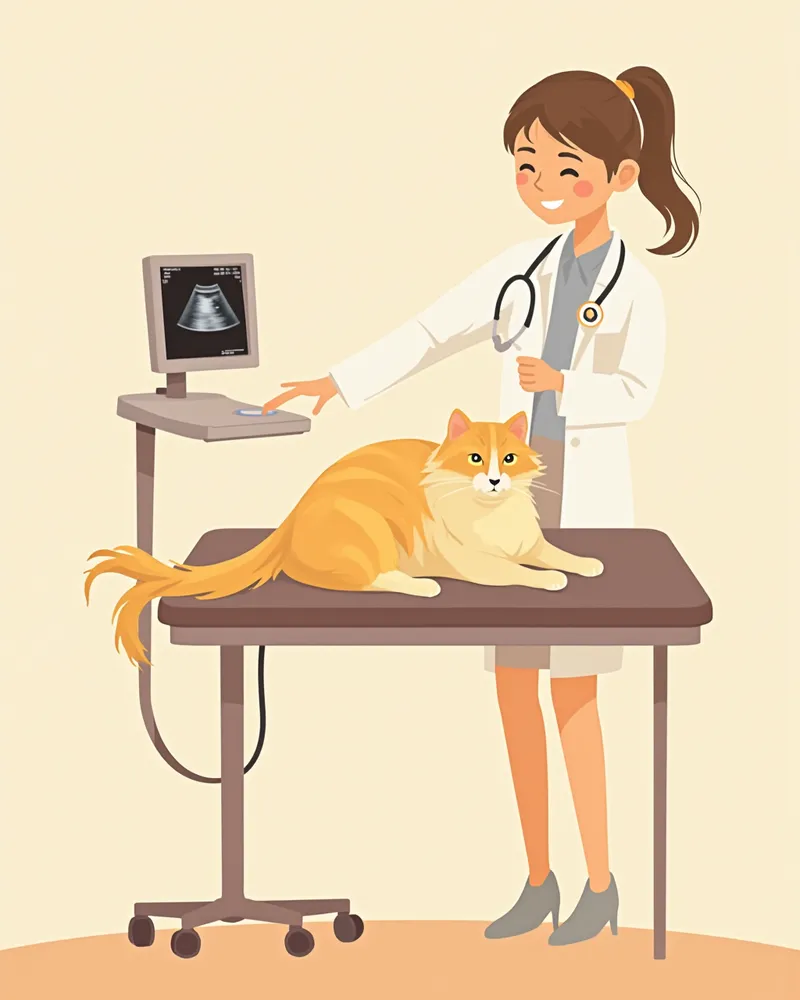
Go to the Vet Immediately If You See These Signs
In addition to regular check-ups, if you notice the following symptoms, suspect progression of kidney or respiratory disease and seek veterinary care promptly. A classic warning sign is a significant increase in water consumption and urine output—more than 1.5 times the normal amount—along with decreased appetite and weight loss. If your cat develops a pronounced gurgling sound when breathing or begins panting with an open mouth, it may indicate worsening respiratory distress, which is particularly concerning in brachycephalic breeds. Frequent vomiting or an ammonia-like odor from the mouth can also signal late-stage kidney failure.
Respiratory and Eye Exams Are Essential Due to Brachycephalic Structure

Step Up Check-ups in Senior Years (7 Years and Older)
It’s Important to Verify PKD Test Results for Parent Cats Before Adoption
PKD is an autosomal dominant genetic condition, meaning that if only one parent carries the gene, there is approximately a 50% chance of passing it on to kittens. Before adopting a Himalayan, be sure to request the PKD genetic test results for both parents from the breeder. If you have already adopted your cat, having a single genetic test performed between 6 and 12 months of age is sufficient to determine a lifelong management plan. Even if the result is positive, early dietary and veterinary care can delay the progression of kidney failure, so there is no need to worry excessively.
Reviewed by a veterinarian

Dr. Tony — Punnawat Phongkittirak
VeterinarianA veterinarian who majored in veterinary medicine at Khon Kaen University, Thailand, and completed the IVSA program at North Carolina State University in the United States. Drawing on clinical experience at animal hospitals, he works in the pet healthcare field and is dedicated to building a digital care environment that connects pet parents with veterinarians.
Reviewed 2026-04-30
Frequently Asked Questions About Himalayan Check-ups
At what age is it best to have the PKD genetic test performed?
What should I do if the genetic test comes back positive?
Can Himalayan cats follow the same vaccination schedule as regular cats?
If the cost of a full check-up feels overwhelming, are there certain tests that should be prioritized?
Share
Related Guides

Primary vs. Secondary Veterinary Hospitals: A Comparison
5 Easy-to-Raise Cat Breeds for First-Time Owners — Grooming Difficulty Comparison

Top 7 Short-Legged Dog Breeds

Labrador Retriever Health Care – The Complete Guide to Joints, Ears, and Obesity

Border Collie Health Care Guide – Prevention and Management of Joint and Genetic Diseases

Norwegian Forest Cat Health Care — Prevention and Management of Heart and Joint Diseases
Sphynx Cat Health Care — Skin and Heart Conditions to Watch For and Management Tips

Ragdoll Health Care Guide — Prevention and Management of Heart and Urinary Diseases
Persian Cat Health Care — Eye, Kidney, and Respiratory Conditions to Watch For and Prevention Methods
Dachshund Health Care Guide – Preventing Disc Disease and Obesity
References
[1] Little SE, The Cat: Clinical Medicine and Management, 2nd Edition, Chapter 52 Genetics of Feline Diseases and Traits, 2020
[2] Schaer M, Clinical Medicine of the Dog and Cat, 4th Edition, Chapter 13 Urinary Disorders, 2017
[3] Rodan I, A Professional's Guide to Feline Behaviour: Understanding, Improving and Resolving Problems, Chapter 6, 2022