Like
Share
멍실장
스핑크스 정기 검진 일정 — 연령별 한눈에 보는 가이드

Sphynx Regular Check-ups: Age-Specific Checklists and Management of Age-Related Common Diseases

ImmunityBreed HealthMeongsiljang Veterinary Advisory Board

The Sphynx is a breed for which heart (HCM), skin, and dental care are key. We’ve put together a complete guide to age-specific regular check-up schedules and essential items.

What Are Sphynx Regular Check-ups?
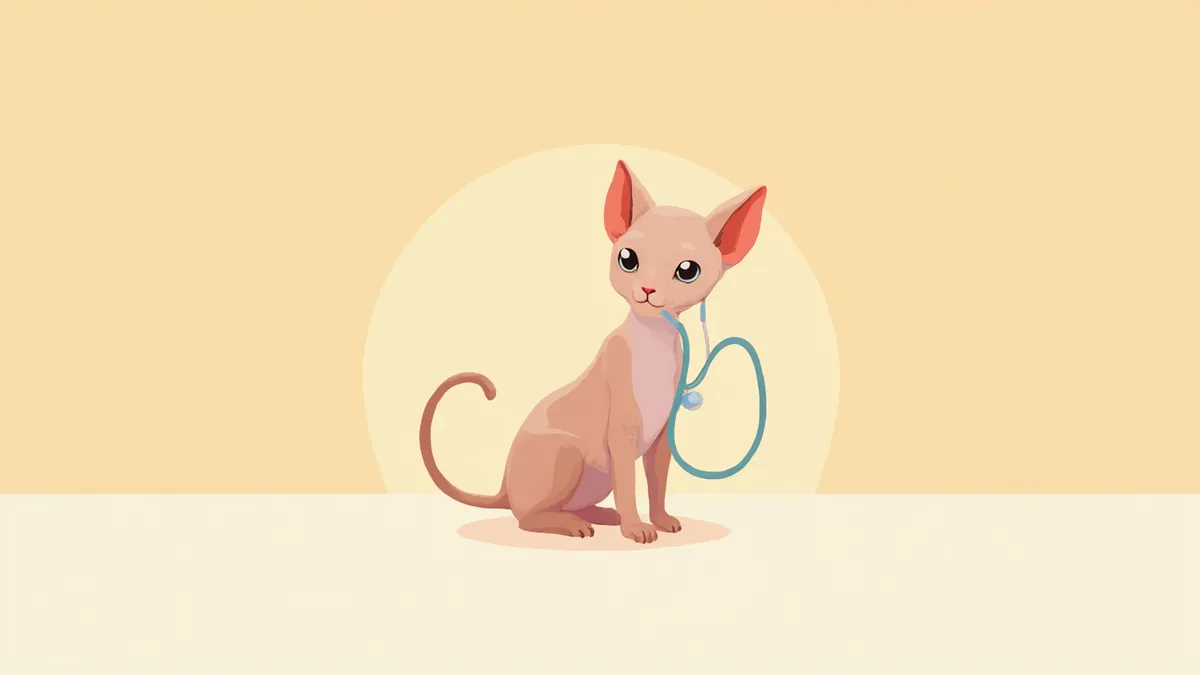
A Sphynx cat undergoing a stethoscope examination by a veterinarian
The Sphynx is a hairless breed that is particularly susceptible to hypertrophic cardiomyopathy (HCM), seborrhea, and periodontal disease. The cornerstone of regular check-ups is the periodic, age-appropriate monitoring of the heart via echocardiography, as well as skin and dental health. Even if your cat appears healthy, heart disease often progresses without symptoms, so it is crucial to rely on regular echocardiograms rather than just a stethoscope exam. Echocardiographic screening is recommended for Sphynx cats and certain other breeds starting at one year of age. The specific frequency of these exams should be determined in consultation with your veterinarian, taking into account your cat’s individual health status and family history.

Why Sphynx Cats Require More Frequent Health Checks

There are clear reasons why Sphynx cats require more frequent health checks than other breeds.
Hypertrophic Cardiomyopathy (HCM): This is a common heart condition for which echocardiographic screening is recommended in Sphynx cats and several other breeds.
Seborrhea: Due to excessive sebum production, they are prone to folliculitis and acne.
Thermoregulation challenges: Their lack of fur makes them highly susceptible to both cold and heat.
Periodontal disease: Gingivitis and tooth resorption lesions often appear at a young age.
Allergies and skin reactions: Various skin reactions have been reported, making regular skin checks essential.

Age-Specific Check-up Schedules at a Glance

Sphynx cats require different check-up frequencies and items depending on their life stage. During kittenhood, the focus is on vaccinations and parasite control. Once they reach adulthood at one year of age, the standard is to have a regular check-up at least once a year. While textbooks classify ages 7 to 10 as middle-aged and those over 10 as senior, it is recommended to include physical exams and blood and urine tests at least once a year starting at age 7, and to increase the frequency to twice a year after age 10. Please refer to the table below for the recommended schedule by life stage.

Recommended Check-up Items by Age

ItemKitten (0–12 months)Adult (1–6 years)Senior (7 years+)
Basic physical examEvery 3–4 weeksOnce a yearOnce a year (twice a year after age 10)
EchocardiographyWhen recommended by the vetOnce a year recommended (screening at ages 1–3)Interval determined after consulting the vet (e.g., ages 5 and 8)
Blood/urine testsWhen recommended by the vetOnce a yearOnce a year (twice a year after age 10)
Skin/ear checkMonthly home checkOnce a year + weekly at home1–2 times/year + weekly at home
Dental examWhen recommended by the vetOnce a yearOnce a year + scaling if needed
VaccinationInitial vaccinationsBoosters per the vet's scheduleProceed after consulting the vet

Textbook screening programs recommend annual echocardiography from ages 1–3 in breeds such as the Sphynx, followed by re-examination at ages 5 and 8, and the veterinarian may adjust the frequency according to the individual's condition.

Echocardiography Is Essential Annually Starting at One Year of Age

In Sphynx cats, hypertrophic cardiomyopathy (HCM) often progresses silently before suddenly manifesting as respiratory distress, syncope, or hindlimb paralysis. Because early changes are difficult to detect with routine auscultation or radiographs, echocardiography (cardiac ultrasound) is the most sensitive and standard diagnostic test. Screening programs for Sphynx and other breeds recommend annual echocardiographic evaluations from ages 1 to 3, followed by re-evaluations at ages 5 and 8. If there is a family history or if HCM has been diagnosed in the cat’s parents, consult your veterinarian about scheduling more frequent examinations.

Skin Checks: Perform Weekly at Home

Sphynx cats produce a lot of sebum, which can easily accumulate as brownish oily residue in their skin folds, between their toes, and under their chin. Therefore, it’s helpful to regularly check their skin condition and perform routine care by bathing them in lukewarm water or wiping them down with a lukewarm damp cloth about once every 2 to 4 weeks (cats with higher sebum production may need more frequent care). Here are the areas to check during home inspections:
Armpits and belly folds: Look for rashes or redness
Between the toes: Remove any black sebum buildup
Inside the ears: Check the amount of brown discharge
Chin: Look for acne (black spots)
Gently wiping the wrinkles on a Sphynx cat's skin

Key Points for Dental and Periodontal Exams

Sphynx cats are prone to periodontal disease and feline odontoclastic resorptive lesions (FORLs) from a young age. Veterinary textbooks note that oral diseases are common in cats and that consistent at-home oral care can prevent or even reverse issues like gingivitis. Therefore, it is recommended that cats aged one year and older receive an oral examination during their annual check-ups. Signs such as red or inflamed gums, bad breath, or chewing on only one side should be treated as immediate warnings to seek veterinary attention. Since the frequency of professional dental cleanings under anesthesia varies significantly depending on each cat’s dental condition, please coordinate with your veterinarian to tailor the schedule for dental exams and cleanings to your pet’s specific needs.

Seek Immediate Veterinary Care for These Signs, Regardless of Check-up Schedule

Even if your pet is up to date on regular checkups, don’t wait for the next appointment if you notice any of the following signs—seek veterinary care immediately: • Resting breathing that is faster than usual or open-mouth breathing • Sudden hindlimb paralysis or fainting • Loss of appetite and lethargy lasting more than 24 hours • Widespread red spots, discharge, or foul odor on the skin • Bleeding gums or a strong foul odor from the mouth In particular, abnormal breathing can be an emergency sign of hypertrophic cardiomyopathy, so prompt veterinary attention is critical. Keeping track of your pet’s resting respiratory rate at home can help you detect sudden increases more easily.

5-Minute Weekly Home Assessment
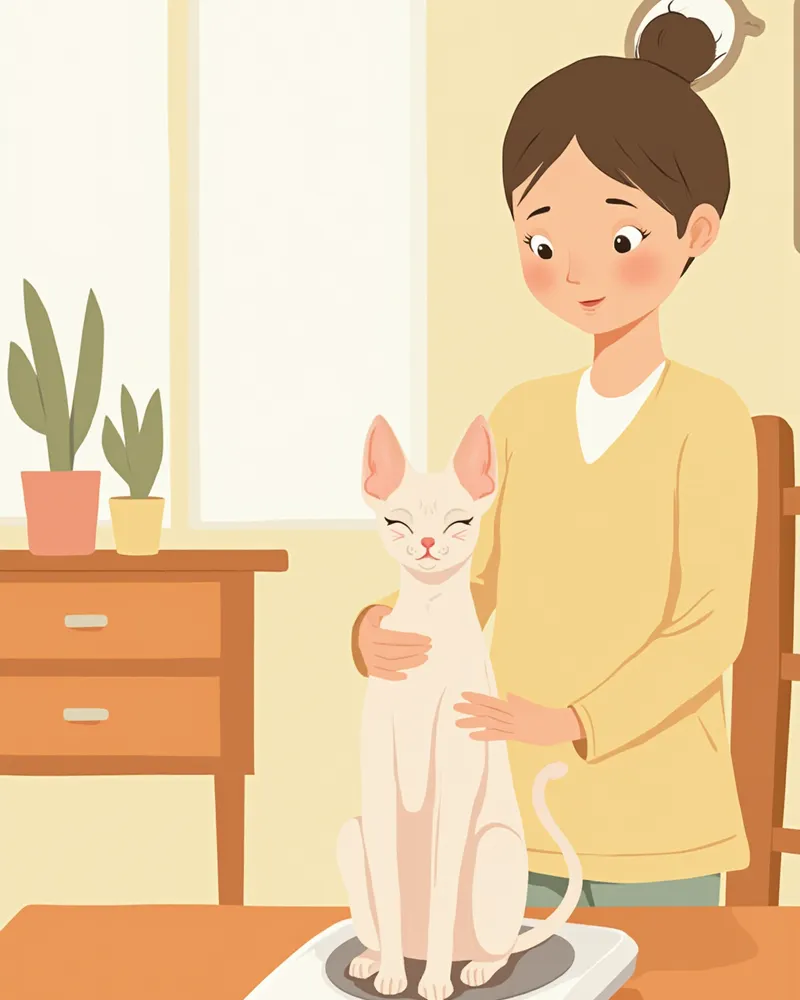
In addition to regular veterinary checkups, brief weekly home assessments by pet owners can help catch warning signs early.
Weight: Measure once a week at the same time; monitor if it deviates from the norm.
Respiratory rate: Record the rate while resting or sleeping; monitor if it suddenly increases.
Water intake and urine output: A sudden increase may signal kidney issues.
Skin temperature: Asymmetrical warmth on either side may indicate inflammation.
Mobility: Reluctance to jump or use stairs may warrant heart or joint evaluation.
Taking monthly photos of the skin and body condition makes it easier to track changes over time.
A pet owner measuring their Sphynx cat’s weight at home

Reviewed by a veterinarian

Dr. Tony — Punnawat Phongkittirak

Dr. Tony — Punnawat Phongkittirak

Veterinarian

A veterinarian who majored in veterinary medicine at Khon Kaen University, Thailand, and completed the IVSA program at North Carolina State University in the United States. Drawing on clinical experience at animal hospitals, he works in the pet healthcare field and is dedicated to building a digital care environment that connects pet parents with veterinarians.

Frequently Asked Questions

At what age should a Sphynx cat start having heart ultrasounds?
For breed-specific screening, we recommend starting echocardiographic evaluations after the cat turns one year old, typically performing annual exams between ages 1 and 3, followed by rechecks at ages 5 and 8. However, if either parent has hypertrophic cardiomyopathy or if a heart murmur is detected, consult your veterinarian about beginning screening earlier and more frequently.
Should I have an echocardiogram even if my pet looks healthy?
Yes, hypertrophic cardiomyopathy often progresses without symptoms. Early changes can be missed by relying solely on physical appearance and auscultation, so imaging tests like echocardiography are the most sensitive diagnostic methods.
How often should I bathe my pet?
While bathing once every two to four weeks is generally recommended, pets with excessive sebum buildup may require more frequent baths. Please use lukewarm water and a low-irritation shampoo specifically formulated for cats.
How should I increase the frequency of health check-ups for a senior Sphynx cat?
Veterinary guidelines typically classify dogs aged 7 to 10 as middle-aged and those over 10 as senior. Starting at age 7, we recommend at least one annual check-up that includes physical, blood, and urine tests. After age 10, increase this to twice a year. Echocardiograms should also be scheduled at intervals tailored to your pet’s specific condition.
Are there any additional tests needed besides vaccinations?
In senior years, it’s a good idea to have regular kidney function checks (urine and blood tests). Depending on your pet’s individual health and family history, you can also discuss with your vet whether additional tests—such as genetic screening for hypertrophic cardiomyopathy or thyroid function tests—might be beneficial.

Share

Related Guides

References

[1] Little SE, The Cat: Clinical Medicine and Management, 2nd Edition, Chapter 25 Dermatology

[2] Jackson HA, Marsella R, BSAVA Manual of Canine and Feline Dermatology, 4th Edition

[3] Vitale CB, Ihrke PJ, Olivry T et al., Feline urticaria pigmentosa in three related Sphinx cats, Veterinary Dermatology 7, 227-233, 1996

[4] Côté E, MacDonald KA, Meurs KM, Feline Cardiology, Wiley-Blackwell

This information is based on veterinary literature and does not replace diagnosis or treatment. Please consult a veterinarian for specific health concerns.

Metapet Co., Ltd. | CEO: Park Sung-yong | Business Reg. No. 417-88-02562 | Seoul, South Korea | Customer Center

Sphynx Check-ups: Age-by-Age Checklist for Heart & Skin | Meongsiljang