
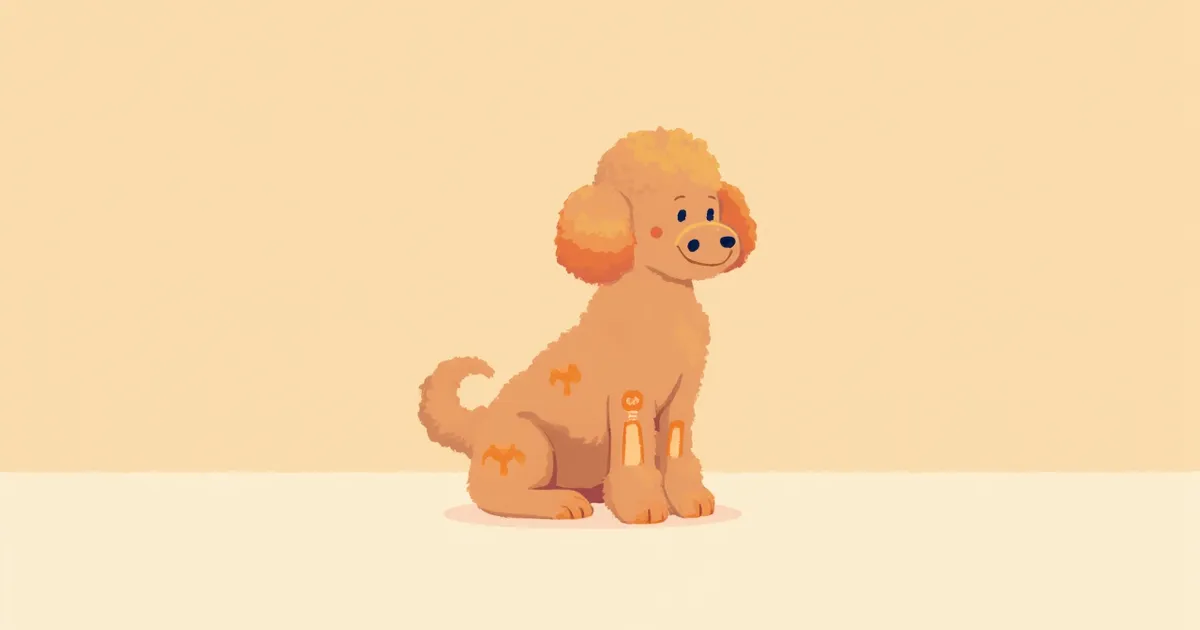
Poodle Patellar Luxation — A Complete Guide from Symptoms and Grading to Surgery and Rehabilitation
Poodles have a particularly high incidence of patellar luxation among small-breed dogs. Here’s a comprehensive overview covering breed-specific traits, stage-by-stage symptoms, and key points for surgery and postoperative care.
Why Are Poodles Particularly Prone to Patellar Luxation?

Top 3 Joint and Orthopedic Issues Poodles Need to Watch For
The 4 Stages of Patellar Luxation: What Stage Is Your Dog In?

Comparison Table of the 4 Stages of Patellar Luxation
| Item | Grade 1 | Grade 2 | Grade 3 | Grade 4 |
|---|---|---|---|---|
| Symptoms | Normal usually, intermittent skipping | Frequently luxates and reduces | Almost always luxated, occasionally reduces | Permanently luxated |
| Pain | Almost none | Intermittent pain | Frequent limping | Difficulty walking itself |
| Need for surgery | Usually monitor progression | Consider if symptoms are severe | Surgery usually recommended | Surgery essential |
| Prognosis | Very good | Good | Good with surgery | Good with early surgery |
Based on Textbook of Veterinary Orthopaedic Surgery (Ch.11); individual variation exists.
Early Signs Commonly Seen in Poodles

Signs That Require Immediate Veterinary Attention
If your pet suddenly holds one leg completely off the ground and refuses to put weight on it, or if the knee area is swollen and extremely painful to the touch, it may not be a simple dislocation but rather a cruciate ligament injury or a locked dislocation. If symptoms persist or the pain worsens, please seek veterinary care at a clinic equipped for orthopedic treatment without delay.
Diagnosis and Treatment — When Should You Consider Surgery?
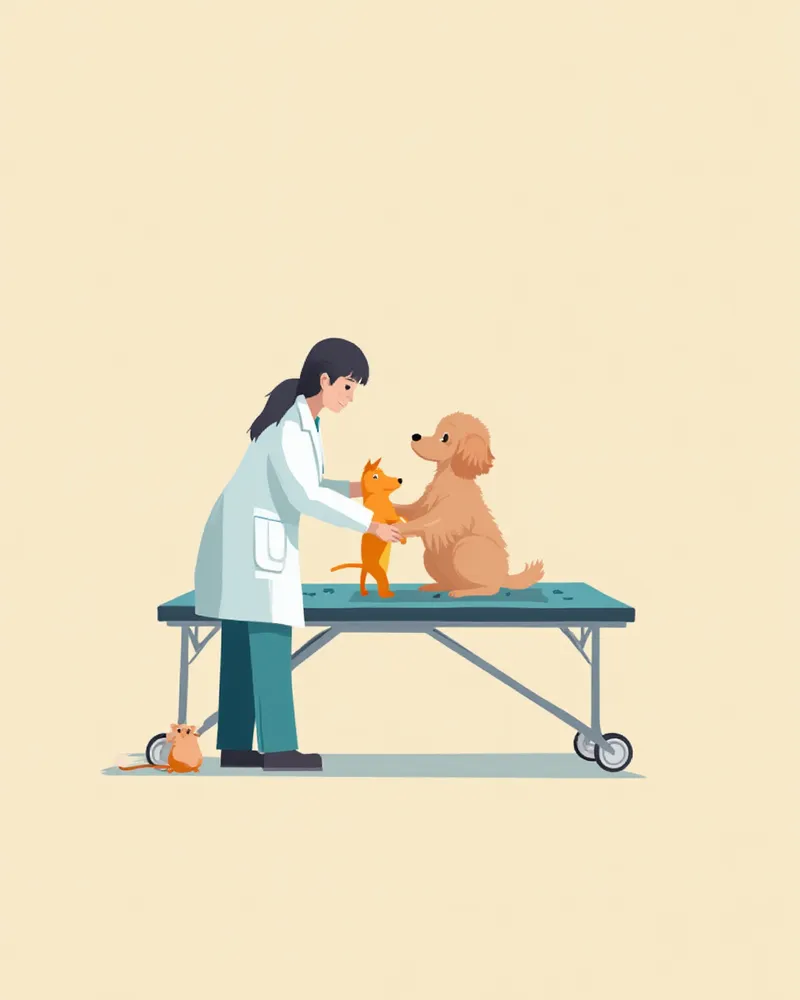
Key Points for Joint Care at Home
Important Considerations Due to Poodle Breed Characteristics
Poodles are a breed prone to patellar luxation due to a combination of factors, including genetics. Even in Stage 1, where no symptoms are present, it’s best to consult with your veterinarian and have regular check-ups to monitor the condition. When acquiring a puppy from a breeder, checking the orthopedic health history of the parent dogs is the first step in prevention.
Reviewed by a veterinarian

Dr. Tony — Punnawat Phongkittirak
VeterinarianA veterinarian who majored in veterinary medicine at Khon Kaen University, Thailand, and completed the IVSA program at North Carolina State University in the United States. Drawing on clinical experience at animal hospitals, he works in the pet healthcare field and is dedicated to building a digital care environment that connects pet parents with veterinarians.
Reviewed 2026-04-26
Frequently Asked Questions
At what age is it best to perform patellar luxation surgery on a Poodle?
Can it be managed with supplements alone, without surgery?
Which breed looks better, the Toy Poodle or the Standard Poodle?
Do both knees need surgery?
What is the likelihood of the condition recurring after surgery?
Share
Related Guides
Top 5 Patellar Support Braces for Dogs — Stage-by-Stage Size Guide
Curcumin Efficacy and Anti-inflammatory/Joint Support

Top 5 Recommended Joint Supplements for Dogs in 2026
Siamese Cat Health Care Guide — A Complete Overview of Respiratory and Dental Diseases

Himalayan Cat Health Care – A Complete Guide to Key Conditions and Management

American Curl Cat Health Care Guide
Birman Cat Health Care Guide

Siberian Cat Health Care Guide — Conditions to Watch For and Breed-Specific Care
Bombay Cat Health Care Guide

Abyssinian Health Management – Guide to Preventing Renal and Dental Diseases
References
[1] Textbook of Veterinary Orthopaedic Surgery, Chapter 11 — Stifle Joint Disorders
[2] Clinical Medicine of the Dog and Cat, 4th Ed — Patellar Luxation
[3] 100 Top Consultations in Small Animal General Practice, Ch.45
[4] Piermattei, Flo & DeCamp, Handbook of Small Animal Orthopedics and Fracture Repair