
Labrador Double-Coat Grooming: Complete Guide to Shedding, Brushing, and Seasonal Care
We’ve compiled the essential grooming tips every Labrador Retriever owner should know, including insights into their double-coat structure, seasonal shedding patterns, and proper brushing, bathing, and skin care techniques.
What Is a Labrador’s Double Coat?

Why Do Double Coats Shed So Much?
5 Key Grooming Points
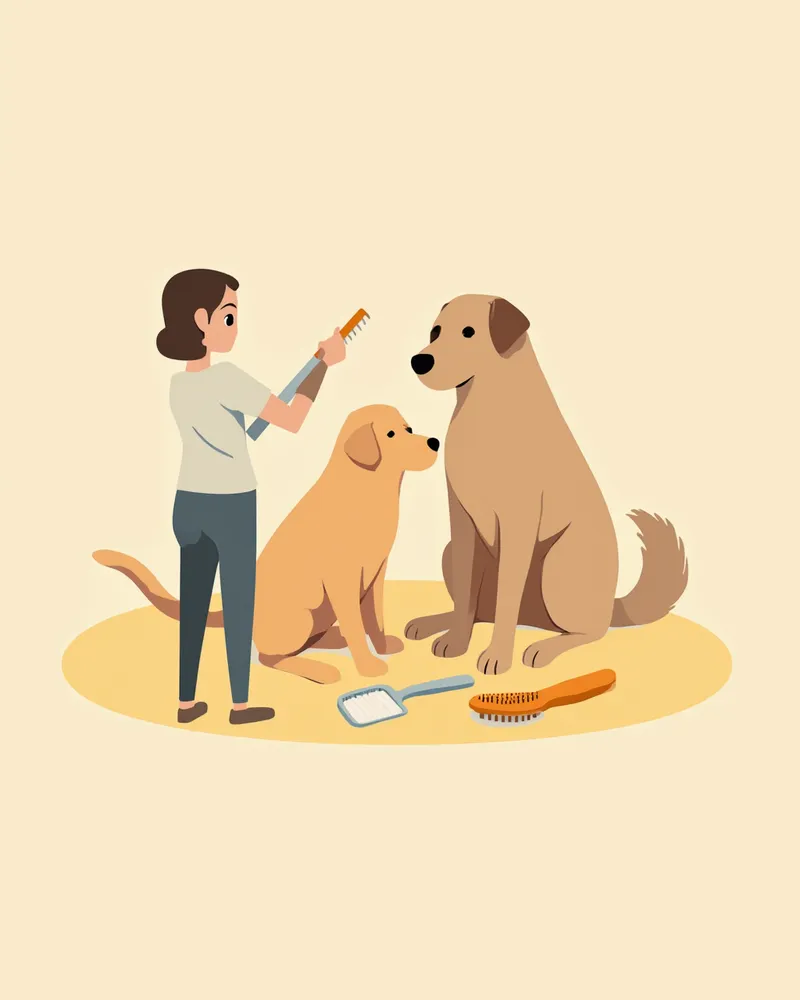
Intensive Care During Shedding Season
Stop Grooming and See a Vet If You See These Symptoms
If you notice any of the following signs while brushing your dog, it may indicate a skin condition rather than a simple grooming issue: coin-shaped patches of hair loss, red and inflamed skin, yellow discharge or scabs, and strong odor accompanied by itching. Labrador Retrievers are particularly prone to atopic dermatitis and pyoderma, so these conditions can worsen rapidly if left untreated.
Guide to Choosing the Right Brush
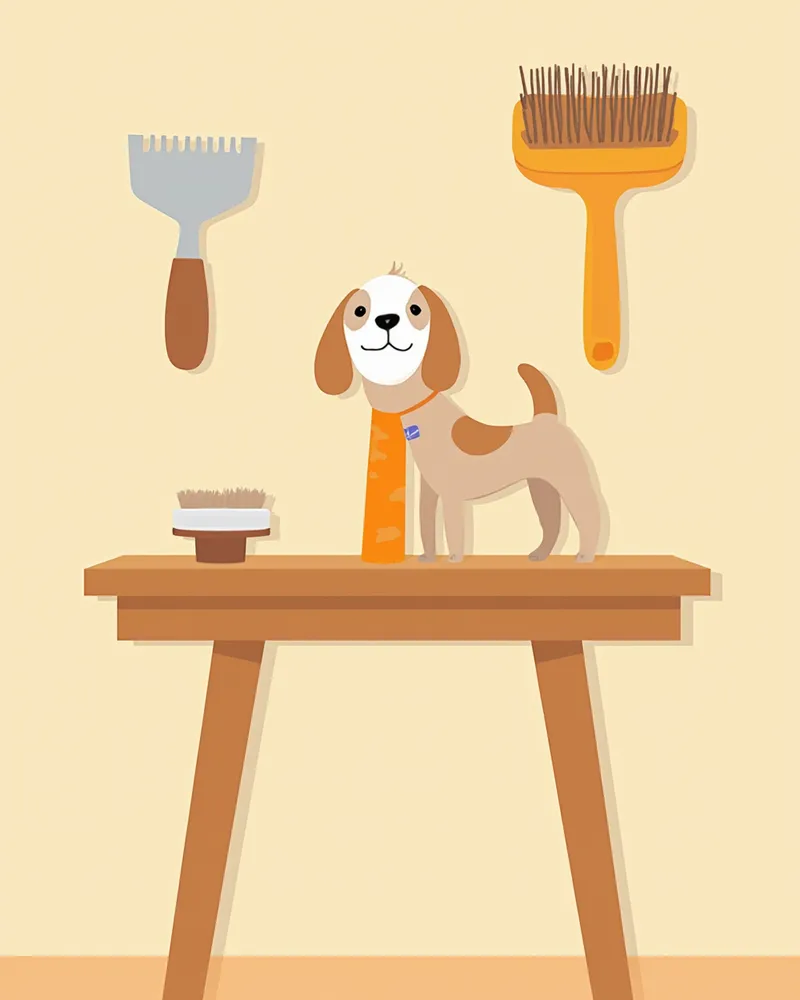
Comparison of Brush Types
| Item | Slicker brush | Undercoat rake | Deshedding tool |
|---|---|---|---|
| Main use | Removing topcoat tangles | Combing the undercoat deeply | Bulk removal during shedding season |
| Recommended frequency of use | 2–3 times a week | 3–4 times a week during shedding season | 1–2 times a week during shedding season |
| Everyday use | True | True | False |
| Recommended for first-time owners | True | True | False |
The tools are most effective when used in combination rather than alone
How to Bathe and Dry Your Dog
Skin Areas Where Labradors Are Particularly Vulnerable
Labradors are prone to skin issues in skin folds, such as the ears, between the toes, the armpits, and the groin. Their ears, in particular, have a high incidence of otitis externa due to their floppy shape and abundant hair, which restricts airflow. Please make it a habit to check these areas for any unusual odor, redness, or stickiness during every grooming session.
Reviewed by a veterinarian

Dr. Tony — Punnawat Phongkittirak
VeterinarianA veterinarian who majored in veterinary medicine at Khon Kaen University, Thailand, and completed the IVSA program at North Carolina State University in the United States. Drawing on clinical experience at animal hospitals, he works in the pet healthcare field and is dedicated to building a digital care environment that connects pet parents with veterinarians.
Reviewed 2026-04-30
Frequently Asked Questions
Is it okay to shave my Labrador’s coat short?
My pet is shedding a lot of hair after flea treatment. Is this normal?
How often should I bathe my pet?
Is it true that chocolate Labrador Retrievers experience more skin issues than yellow or black Labs?
My dog really hates grooming. What should I do?
Share
Related Guides
Top 5 Medicated Dog Shampoos — For Pyoderma and Bacterial Infections

Veterinarian-Recommended Top 5 Medicated Shampoos for Canine Yeast Dermatitis — Relieves Itching and Greasiness
Top 5 Medicated Cat Shampoos Recommended by Veterinarians — Fungal Dermatitis and Fungal Care
Korean Shorthair Health Care
Jindo Dog Health Care — Prevention and Management of Hip and Skin Diseases

Toy Poodle Health Care — Patellar Luxation, Tear Staining, and Dental Tartar Guide

Lamkin Cat Health Care Guide

British Longhair Health Care Guide — From Key Diseases to Age-Specific Care
Labrador Retriever Health Care – The Complete Guide to Joints, Ears, and Obesity
Border Collie Health Care Guide – Prevention and Management of Joint and Genetic Diseases
References
[1] Hnilica KA, Patterson AP, Small Animal Dermatology: A Color Atlas and Therapeutic Guide, 4th Ed, 2017
[2] Miller WH, Griffin CE, Campbell KL, Muller and Kirk's Small Animal Dermatology, 7th Ed, 2013
[3] Case LP et al., Canine and Feline Nutrition: A Resource for Companion Animal Professionals, 3rd Ed, 2011