
7-Point Checklist for Bengal Cat Genetic Diseases — Complete Guide to Lifelong Care
We’ve put together a clear, easy-to-understand guide for pet parents on the five most common genetic diseases in Bengal cats, along with when to consider genetic testing and regular health check-ups.
What Genetic Diseases Are Bengals Prone To?
Top 5 Genetic Conditions Every Owner Must Know
Understanding Hypertrophic Cardiomyopathy (HCM)
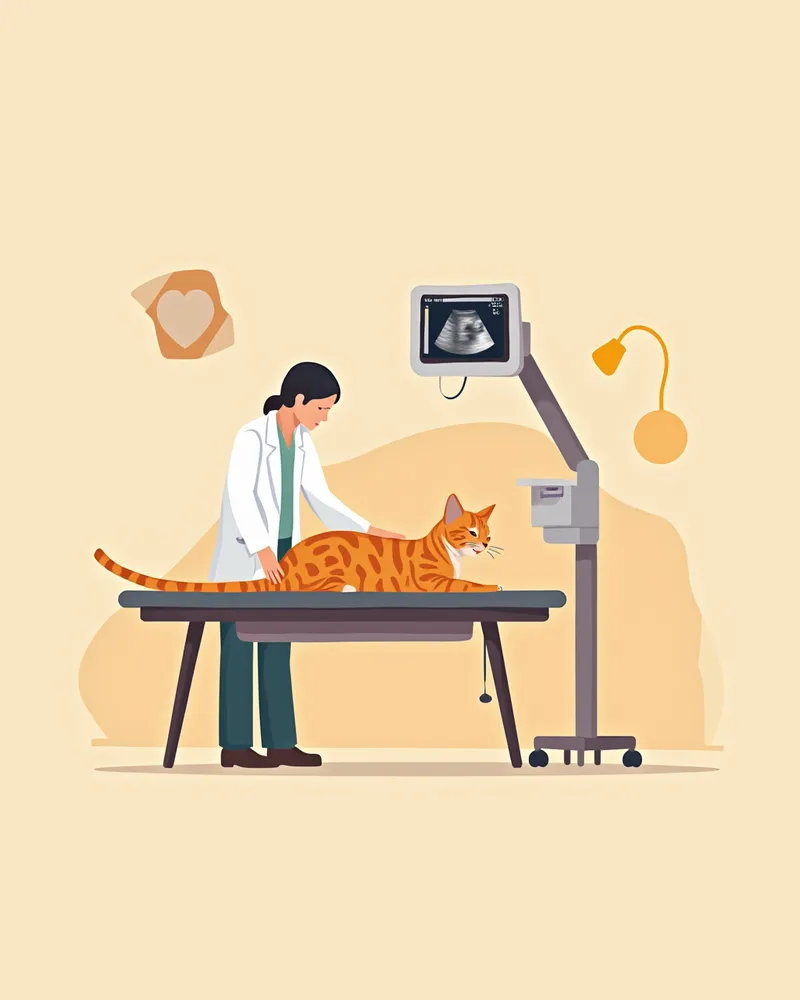
Why Pyruvate Kinase Deficiency (PK Deficiency) Is Dangerous
Comparison of Testing and Management for Major Genetic Diseases
| Item | Hypertrophic cardiomyopathy | Erythrocyte deficiency (pyruvate kinase deficiency) | Progressive retinal atrophy |
|---|---|---|---|
| Test method | Echocardiogram + genetic test | DNA genetic test | DNA genetic test + fundus exam |
| Recommended timing of first test | Age 1 | Right after adoption | Age 1–2 |
| Retest interval | Once every 1–2 years | One test is sufficient | Retest if needed |
| Possibility of early detection | True | True | True |
| Treatability | Symptom management only | Symptom management only | Not treatable |
The timing of testing may vary at the veterinarian's discretion
Don’t Forget Progressive Retinal Atrophy and Neuropathy

Genetic Testing Before and After Adoption Is Essential, Not Optional
Before adopting a Bengal, always request the parents’ genetic test results, which should include at least three tests: for hypertrophic cardiomyopathy (HCM), pyruvate kinase deficiency (PK Deficiency), and progressive retinal atrophy type b (PRA-b). If you already have a Bengal at home, you can have it tested in a single visit to the vet using an oral mucosal swab kit. Although the cost may seem steep, it’s far more reasonable when you consider the potential financial and emotional burden of treating these conditions later. Plus, you only need to get the test done once in your cat’s lifetime.
4 Key Management Points for Raising a Healthy Cat

Go to the Vet Immediately If You See These Signs
The following symptoms may indicate the onset of a genetic disease. We recommend visiting an animal hospital within 24 hours. - When breathing becomes noticeably faster than usual or when panting with an open mouth - When there is sudden weakness in the hind legs or when dragging them while walking - When the gums or tongue appear pale or yellow - When frequently bumping into objects in the dark or having difficulty focusing vision - When activity levels drop to less than half of normal
Reviewed by a veterinarian

Dr. Tony — Punnawat Phongkittirak
VeterinarianA veterinarian who majored in veterinary medicine at Khon Kaen University, Thailand, and completed the IVSA program at North Carolina State University in the United States. Drawing on clinical experience at animal hospitals, he works in the pet healthcare field and is dedicated to building a digital care environment that connects pet parents with veterinarians.
Reviewed 2026-04-30
Frequently Asked Questions
Where can I get a Bengal cat genetic test?
The genetic test showed that my pet is a carrier. Will they develop the disease?
Can hypertrophic cardiomyopathy be prevented?
Do Bengal cats have a shorter lifespan than regular cats?
Can genetic testing be performed on young Bengal kittens?
Share
Related Guides

Primary vs. Secondary Veterinary Hospitals: A Comparison

5 Easy-to-Raise Cat Breeds for First-Time Owners — Grooming Difficulty Comparison

Top 7 Short-Legged Dog Breeds

Cockapoo Health Care (Ears, Eyes, Joints)

Jack Russell Terrier Health Management — Complete Guide to Lens Luxation and Joint Disorders

Siberian Husky Health Guide (Skin, Eyes, Thyroid)

Papillon Health Management: A Complete Guide to the Top 3 Concerns — Patellar Luxation, Heart Disease, and Dental Tartar

Miniature Pinscher Health Care: From Symptoms of Patellar Luxation and Heart Disease to Prevention

Samoyed Health Care (Skin & Heart)

Shiba Inu Health Care: Complete Guide to Allergies, Skin Diseases, and Patellar Luxation
References
[1] BSAVA Manual of Canine and Feline Dermatology, 4th Edition - Genetic Skin Diseases Chapter
[2] August's Consultations in Feline Internal Medicine, 7th Edition - Inherited Diseases of Purebred Cats
[3] Ettinger SJ, Feldman EC, Côté E. Textbook of Veterinary Internal Medicine, 8th Edition - Hypertrophic Cardiomyopathy
[4] Grahn RA et al., Erythrocyte Pyruvate Kinase Deficiency Mutation Identified in Multiple Breeds of Domestic Cats, BMC Veterinary Research, 2012