Like
Share
멍실장
렉돌 건강 관리 가이드 — 심장·비뇨기 질환 예방과 관리

Ragdoll Health Care Guide — Prevention and Management of Heart and Urinary Diseases

HeartBreed HealthMeongsiljang Veterinary Advisory Board

Ragdolls are genetically predisposed to hypertrophic cardiomyopathy and urinary tract diseases. Here’s a summary of key information for maintaining their health through regular check-ups and daily care.

What Health Issues Are Ragdolls Vulnerable To?
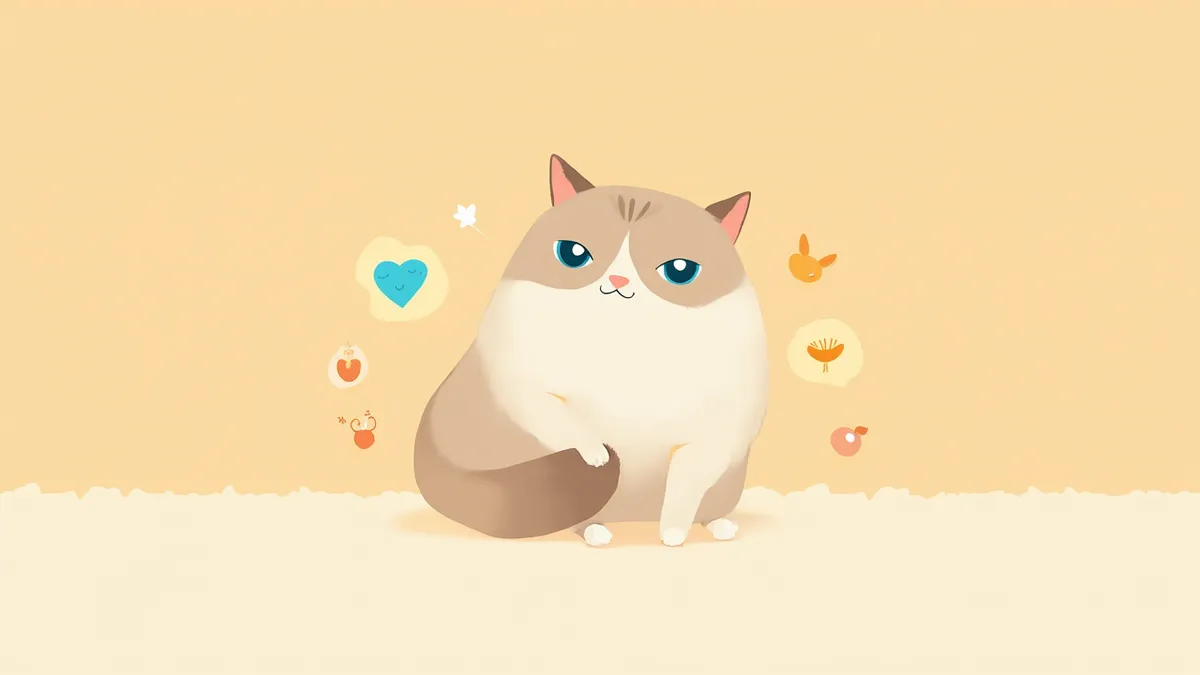
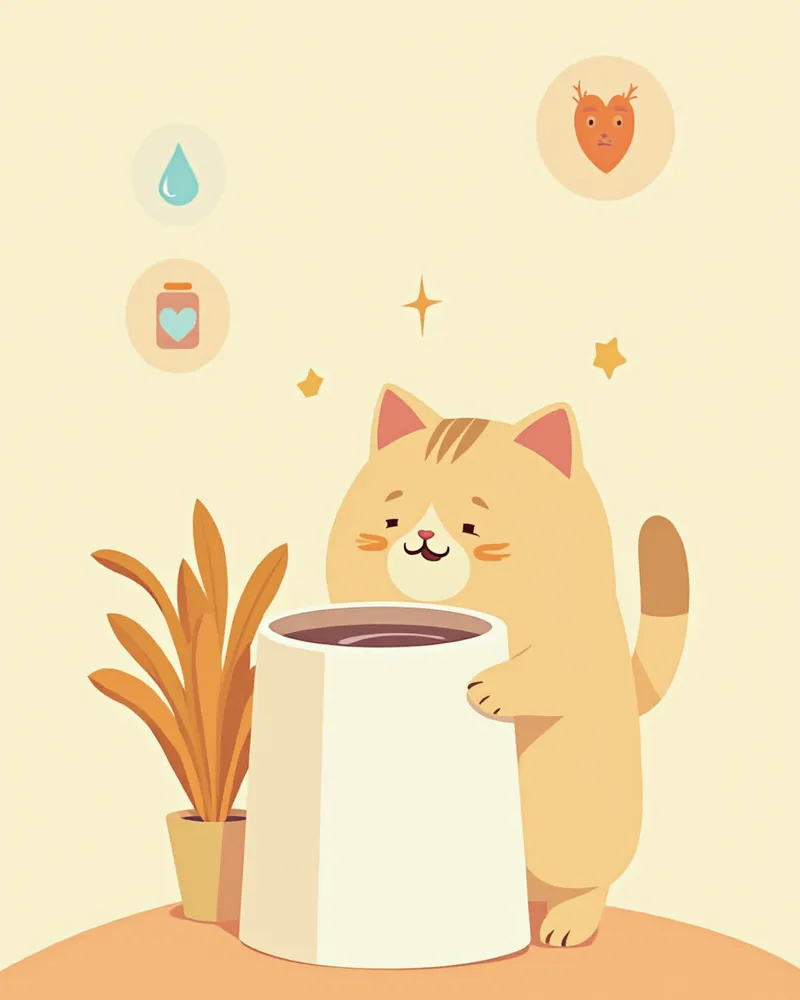
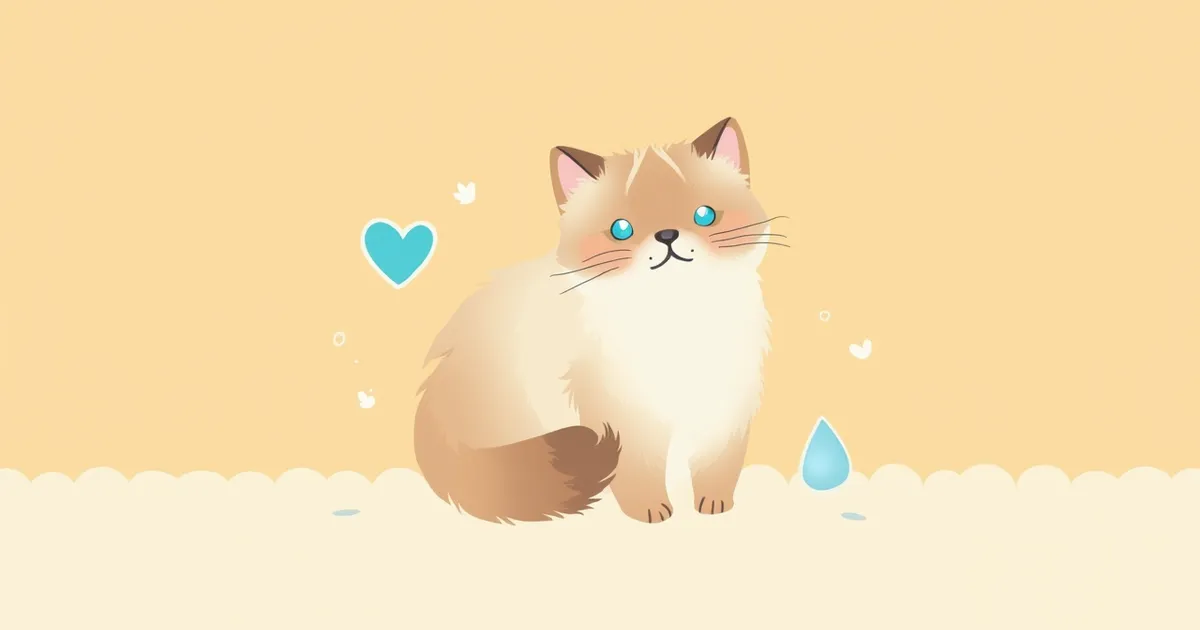
Illustration of a Ragdoll cat alongside heart and urinary health icons
Ragdolls are a large cat breed genetically predisposed to hypertrophic cardiomyopathy (HCM). The key areas of focus are the heart and the urinary system. Ragdolls are genetically susceptible to HCM, a condition characterized by abnormal thickening of the heart muscle. Additionally, lower urinary tract diseases such as cystitis and urinary stones are common across all cats, so Ragdolls should be monitored for these issues as well. According to veterinary cardiology textbooks, HCM is the most common form of cardiomyopathy in cats, with Maine Coons and Ragdolls being the breeds most frequently reported. Ragdolls have a confirmed genetic predisposition due to a specific mutation (R820W) in the cardiac muscle protein gene (MYBPC3), making them particularly vulnerable and requiring close attention.

Top 3 Conditions Ragdolls Should Watch For

Hypertrophic Cardiomyopathy: This is a genetic condition in which the heart walls abnormally thicken. It is the most critical condition to monitor in Ragdolls, as early stages often show few or no symptoms, making regular veterinary check-ups essential.
Lower Urinary Tract Disease: This refers to a range of urinary tract issues, including cystitis, urinary stones, and idiopathic cystitis. These conditions are relatively common in Ragdolls.
Polycystic Kidney Disease: This is a genetic disorder characterized by the formation of fluid-filled cysts in the kidneys. It is known to occur genetically in certain breeds. However, based on current veterinary textbook references, the specific incidence rate in Ragdolls is not clearly established. If you have concerns, please consult your veterinarian for appropriate diagnostic testing.

Why Is Hypertrophic Cardiomyopathy Particularly Dangerous in Ragdolls?
Hypertrophic cardiomyopathy (HCM) is a condition in which the heart muscle thickens abnormally, impairing the heart’s ability to pump blood effectively. According to veterinary cardiology textbooks, Ragdolls may carry a specific mutation (R820W) in the gene responsible for producing the heart muscle protein MYBPC3. Cats with two copies of this mutation (homozygous) are at high risk of developing severe heart disease at a young age. Cats with only one copy (heterozygous) have a relatively low risk of developing the disease before 4–5 years of age, but the risk remains after that point, so vigilance is essential. The challenge is that early-stage HCM typically presents with few or no symptoms. Echocardiography is the standard non-invasive method for sensitively detecting structural changes in the heart before clinical signs appear, making regular check-ups crucial.
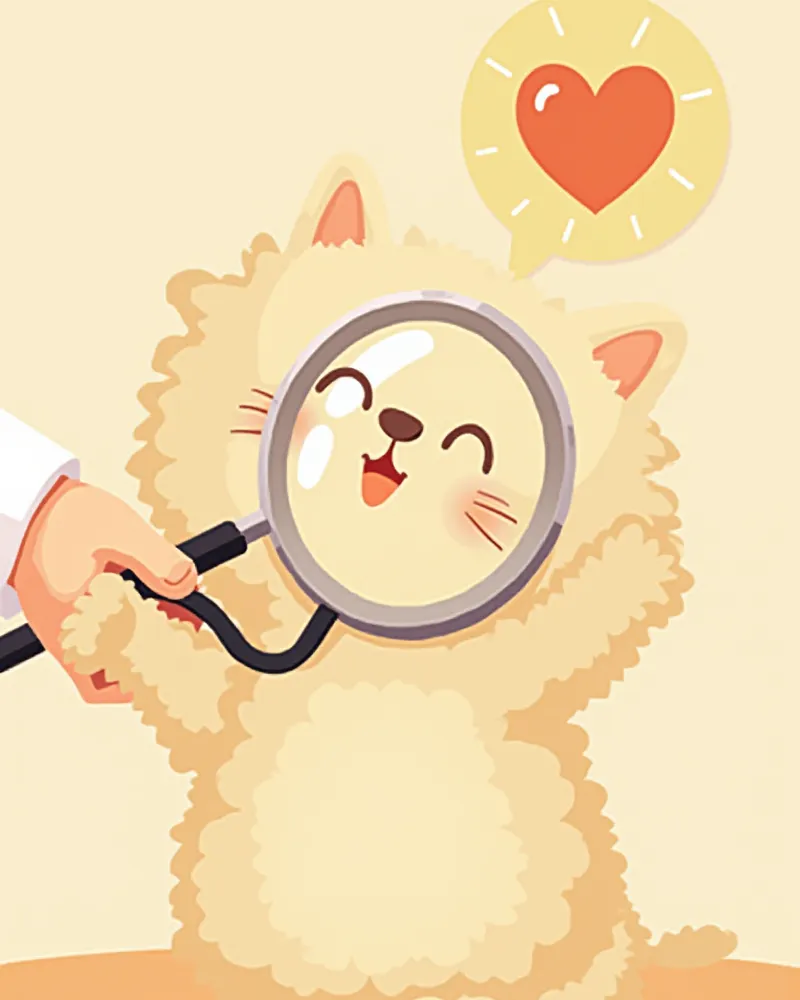
An illustration of a Rex doll cat undergoing a heart examination with a stethoscope.

Go to the Vet Immediately If You See These Symptoms

As hypertrophic cardiomyopathy progresses, your pet may suddenly begin breathing rapidly or panting with an open mouth. If pleural effusion (fluid accumulation in the chest cavity) or pulmonary edema develops, this can lead to a life-threatening emergency with rapidly worsening respiratory distress. Additionally, sudden hindlimb dragging or signs of severe pain are critical warning signals that require immediate emergency veterinary care. If you notice any of these symptoms, please visit an animal hospital without delay.

How to Identify Urinary Tract Diseases in Ragdolls
Urinary tract diseases are very common in cats, including Ragdolls. If you notice any of the following symptoms, suspect a urinary issue.
Frequent trips to the litter box: Your cat goes to the litter box often but produces only small amounts of urine or none at all.
Vocalizing while urinating: Your cat cries out or whimpers due to pain during urination.
Blood in the urine: The urine appears pink or reddish.
Accidents outside the litter box: Your cat suddenly starts urinating in places other than the litter box.
Excessive grooming of the genital area: Your cat frequently licks the genital region due to urinary discomfort.
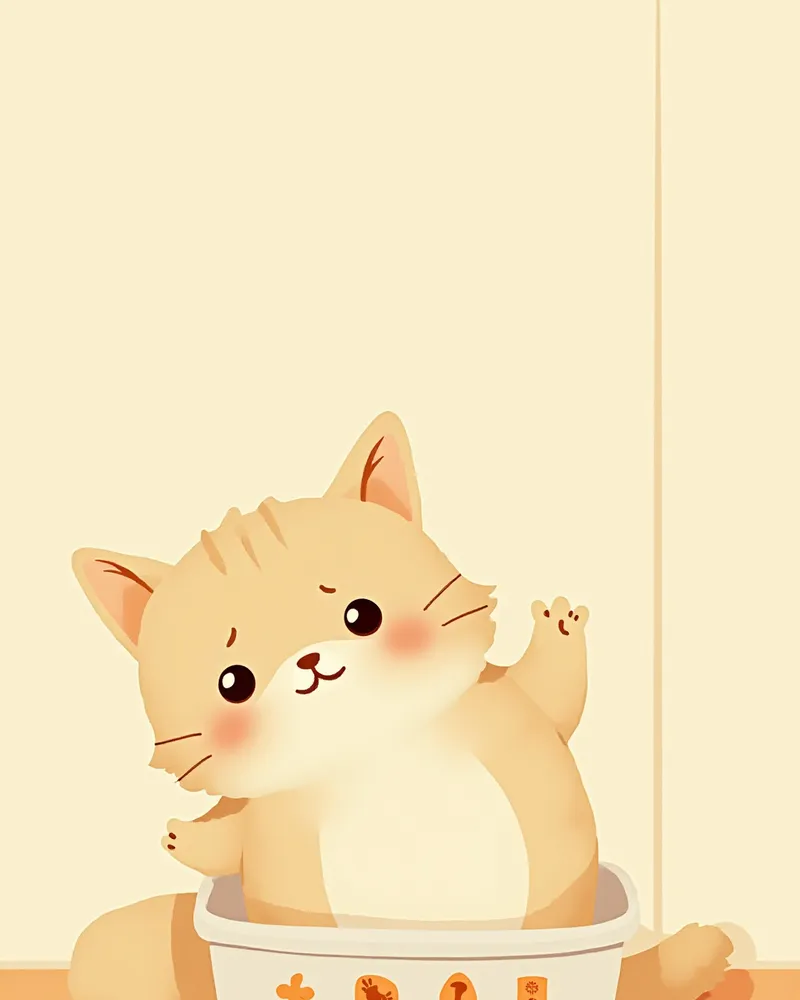
An illustration of a Ragdoll cat near the litter box, accompanied by icons representing urinary symptoms.

Male Cat Owners Should Pay Special Attention

Male cats have narrow urethras, making them susceptible to complete urethral obstruction caused by urinary stones or inflammation. If a cat is unable to urinate at all, this condition can rapidly escalate into a life-threatening emergency. If your cat is straining in the litter box without producing urine, seek emergency veterinary care immediately.

Regular Check-ups Are the Key to Ragdoll Health

Since early symptoms of heart disease in Ragdolls are often subtle, regular check-ups are the most important preventive measure.
Genetic testing: This can detect mutations in the MYBPC3 gene, which codes for a cardiac muscle protein. It’s also a good idea to ask breeders for the test results of the kitten’s parents.
Echocardiogram: This is the most accurate way to directly assess heart wall thickness and function. Even cats with heterozygous mutations may develop the disease after age 4–5, so discuss with your veterinarian to determine the appropriate timing and frequency of screenings based on genetic test results and clinical findings.
Urinalysis: Include a urine test during routine health check-ups to help detect urinary tract issues early.
Blood pressure monitoring: Cats with heart disease may experience changes in blood pressure, so it’s wise to monitor this as well.

Daily Health Care Tips for Ragdolls

Regular check-ups are important, but so is daily care.
Adequate hydration: This is key to urinary health. If your cat prefers running water, consider using a water fountain, and increasing the proportion of wet food in their diet can also help.
Maintaining a healthy weight: Obesity puts strain on the heart and increases the risk of urinary diseases. Please follow feeding guidelines appropriate for your cat’s age and activity level.
Stress management: Feline urinary diseases are closely linked to stress. Provide a quiet litter box environment, ensure plenty of playtime, and maintain a stable daily routine.
Litter box monitoring: While cleaning the litter box daily, naturally observe the volume, color, and frequency of urination. This allows you to address any changes early on.
An illustration of a healthy Ragdoll drinking water from a water dispenser.

Reviewed by a veterinarian

Dr. Tony — Punnawat Phongkittirak

Dr. Tony — Punnawat Phongkittirak

Veterinarian

A veterinarian who majored in veterinary medicine at Khon Kaen University, Thailand, and completed the IVSA program at North Carolina State University in the United States. Drawing on clinical experience at animal hospitals, he works in the pet healthcare field and is dedicated to building a digital care environment that connects pet parents with veterinarians.

Frequently Asked Questions

Where can I get a Rex gene test done?
You can request genetic testing at a veterinary clinic by submitting oral mucosal swabs or blood samples. Specifically, ask for a test that checks for genetic mutations in cardiac muscle proteins. It’s also important to review the parents’ test results when adopting a kitten from a breeder.
How often should a Ragdoll cat undergo an echocardiogram?
It’s important for Ragdolls to have regular cardiac ultrasound exams, given their genetic predisposition. Even if they carry a heterozygous mutation, there’s still a risk of developing the condition after age 4–5, so it’s best to consult with your veterinarian to determine the appropriate timing and frequency of screenings based on genetic test results and clinical findings.
My Ragdoll doesn’t drink enough water. What can I do to encourage them to drink more?
Using a cat-specific water fountain often encourages them to drink more. You can also increase the proportion of wet food in their diet or add a little water to their dry kibble. Place multiple water bowls in locations separate from their food bowls.

Share

Related Guides

References

[1] Textbook of Cardiovascular Medicine in Dogs and Cats — Chapter 11: Hypertrophic Cardiomyopathy

[2] Small Animal Critical Care Medicine, 3rd Ed — Chapter: Classification and Etiology of Feline Cardiomyopathy

[3] Blackwell's Five-Minute Veterinary Consult: Canine and Feline, 7th Ed — Feline Lower Urinary Tract Disease

[4] Bonne G et al. (1998) — Sarcomeric protein mutations in hypertrophic cardiomyopathy

This information is based on veterinary literature and does not replace diagnosis or treatment. Please consult a veterinarian for specific health concerns.

Metapet Co., Ltd. | CEO: Park Sung-yong | Business Reg. No. 417-88-02562 | Seoul, South Korea | Customer Center

Ragdoll Health Guide: Heart & Urinary Disease Prevention | Meongsiljang