Like
Share
멍실장
토이푸들 건강 관리 — 슬개골·눈물·치석 가이드

Toy Poodle Health Care — Patellar Luxation, Tear Staining, and Dental Tartar Guide

Eye HealthBreed HealthMeongsiljang Veterinary Advisory Board

We’ve compiled the causes and symptoms of patellar luxation, tear staining, and dental tartar—common issues in Toy Poodles—along with at-home care tips.

What Health Issues Should Toy Poodle Owners Watch For?
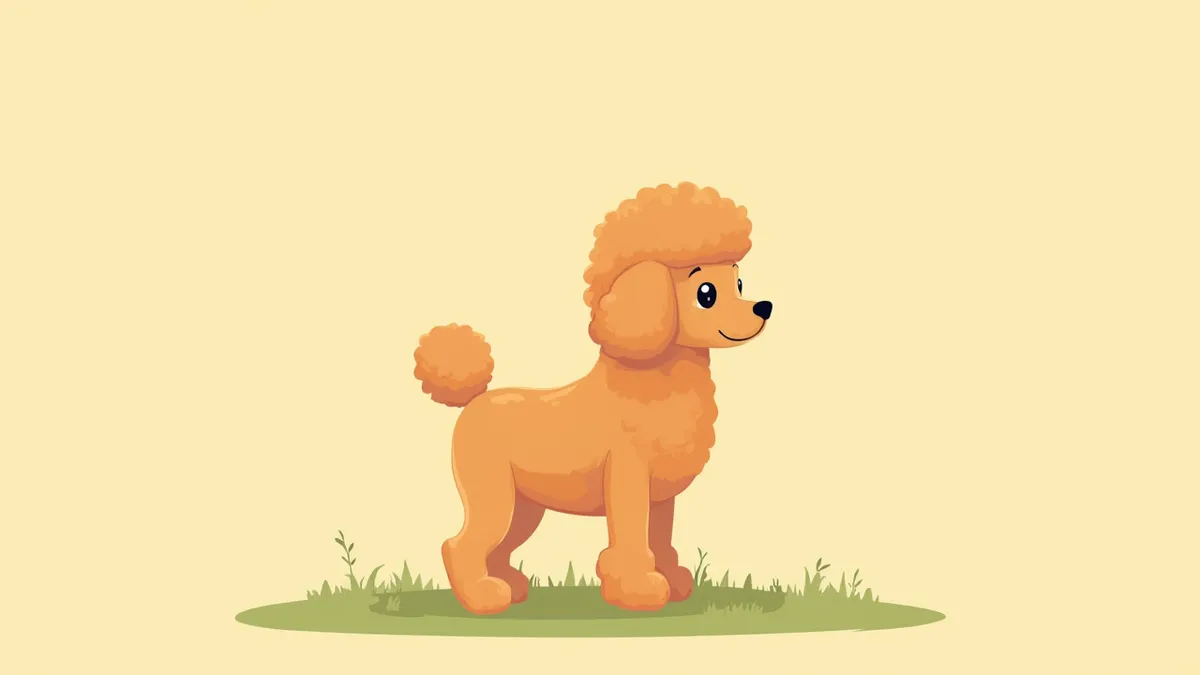
A healthy apricot-colored toy poodle standing on the grass in a park
Toy Poodles are a breed that requires special attention to small-dog-specific health issues such as patellar luxation, tear staining, and dental tartar. Their light body weight and slender hind leg bones make their knee joints prone to strain, while their facial structure and small jaw predispose them to tear and dental problems. The most important thing to remember is that all three of these conditions can often be managed without surgery or tooth extraction if detected early. Let’s go through the essential health care points every Toy Poodle owner should know.

Three Major Health Concerns in Toy Poodles

Patellar Luxation: This is a joint condition in which the kneecap (patella) slips out of its normal position toward the inside of the leg. Among small-breed dogs, Toy Poodles are particularly prone to this condition. If left untreated, it can lead to damage of the cruciate ligaments.
Tear Staining: This occurs when excessive tearing causes the fur beneath the eyes to discolor, turning brown or reddish-brown. It is often caused by narrow or blocked nasolacrimal ducts, which are the passages that normally drain tears.
Tartar and Periodontal Disease: Due to their small jaws, these dogs have tightly packed teeth, making it easy for food debris to become trapped. As tartar builds up, it can lead to gingivitis and, if unchecked, cause teeth to become loose or fall out.

Patellar Luxation — Symptoms and Management by Grade
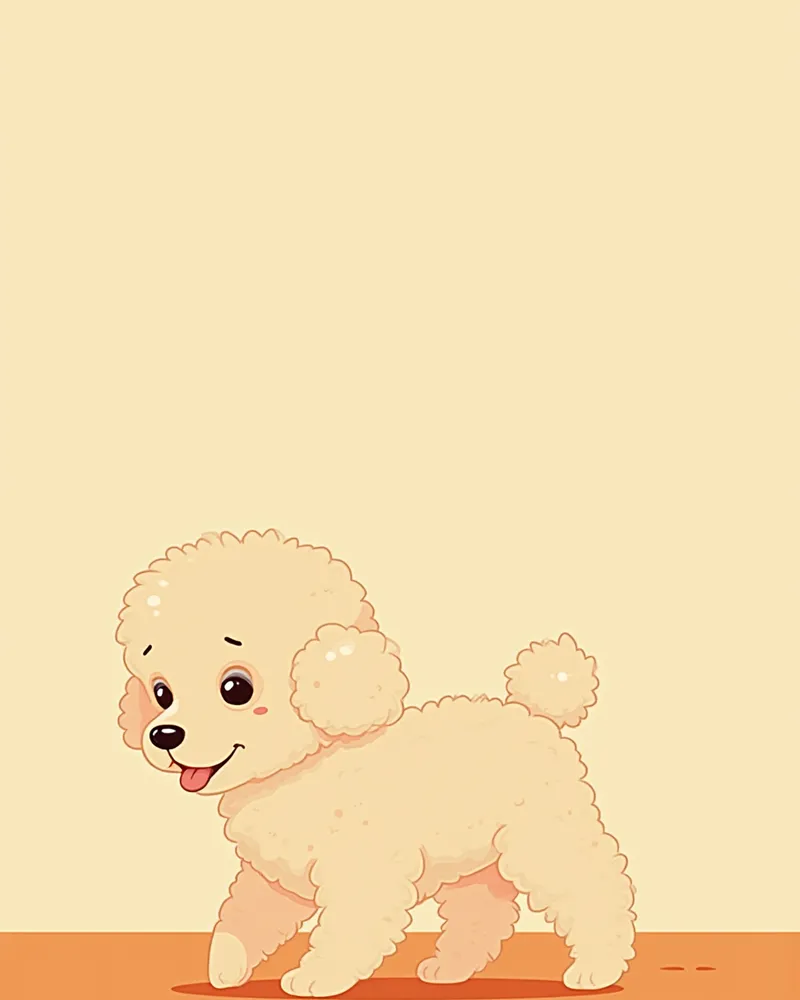
Patellar luxation is classified into four grades, from 1 to 4, based on severity.
Grade 1: The kneecap can be manually displaced but returns to its normal position immediately. Symptoms are rarely noticeable in daily life.
Grade 2: The dog may intermittently exhibit a "skip" or "hop" gait, suddenly lifting one hind leg while walking.
Grade 3: The kneecap is mostly dislocated, causing noticeable limping. Surgical intervention should be considered.
Grade 4: The kneecap is permanently dislocated and cannot be manually repositioned. Surgery is required.
For Grade 1 and 2 cases, progression can be slowed through weight management and muscle-strengthening exercises. For Grade 3 and above, please consult your veterinarian to determine the appropriate timing for surgery.
A toy poodle walking on a non-slip indoor floor.

Seek Veterinary Care Immediately If You Notice These Symptoms

If your dog refuses to put weight on its hind legs, suddenly collapses and is unable to move, or shows noticeable swelling around the knee, it may indicate a grade 3 or higher injury. It’s important to seek veterinary orthopedic care before the pain worsens.

Tear Staining — Causes and At-Home Care
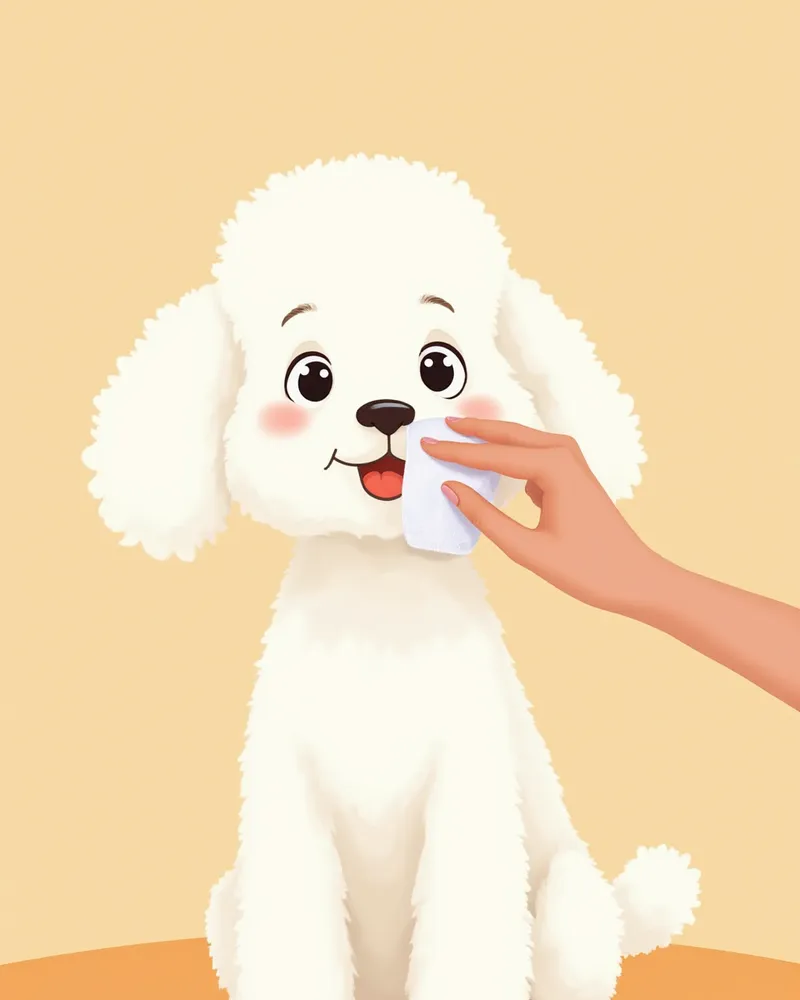
Toy Poodles have shallow eye sockets and narrow nasolacrimal ducts (the passages that drain tears), which makes it difficult for tears to drain into the nose and causes them to easily overflow onto the face. Although tears are naturally colorless, when they overflow due to conditions like nasolacrimal duct obstruction and continuously soak into the fur around the eyes, they gradually stain the hair brown or reddish-brown over time. This type of tear staining is so common in Poodles that it is often considered a syndrome.
Care Tips:
- Gently wipe the area around the eyes 1–2 times daily with sterile saline solution. - Regularly groom the hair around the eyes to prevent it from irritating the eyes. - Always provide plenty of clean water and maintain overall health and hygiene around the eyes. - If the eye discharge is yellow or greenish, it may indicate a bacterial infection, so please visit your veterinarian.
The owner gently wipes around the eyes of a white Toy Poodle.

Dental Tartar and Periodontal Disease — Prevention Is Key
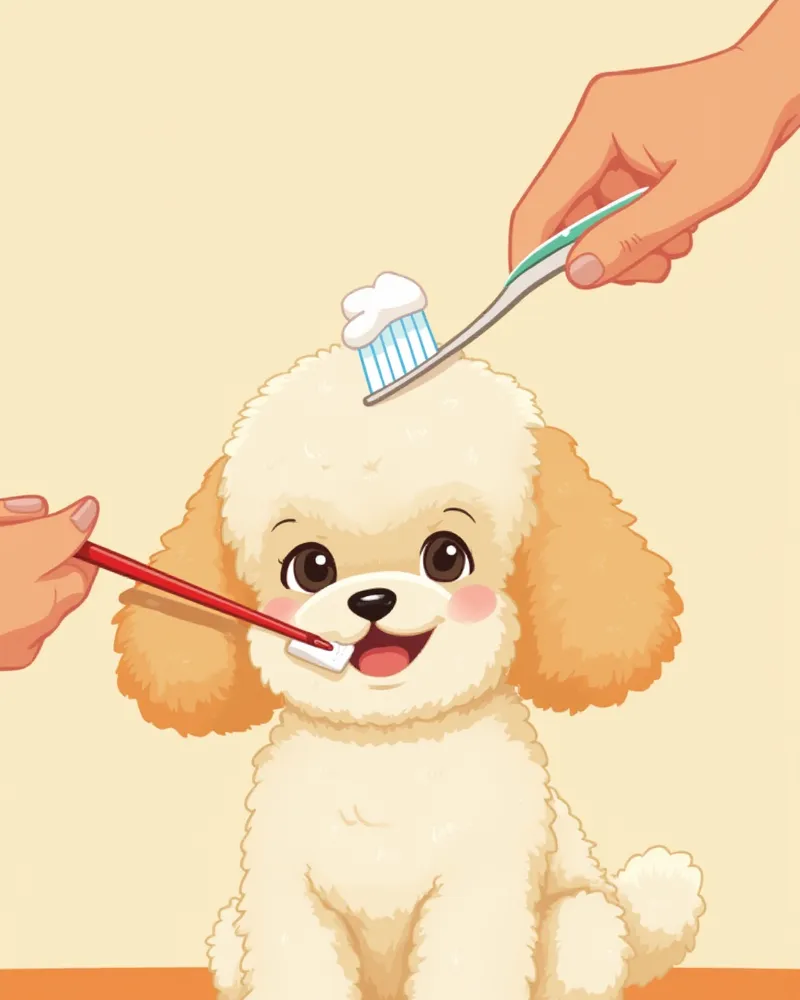
Toy Poodles have small jaws, which often leads to crowded or misaligned teeth. This structure makes it easy for food debris and bacterial plaque to accumulate. As plaque hardens into tartar, it builds up in layers and can easily compromise gum health. Acquired dental diseases, such as periodontal disease, are more common in small-breed dogs under 5 kg and increase with age. If left untreated, gingivitis can progress to gum bleeding, loose or lost teeth, and even severe local or surrounding complications like mandibular fractures or damage around the eyes, making early prevention crucial.
Care Tips:
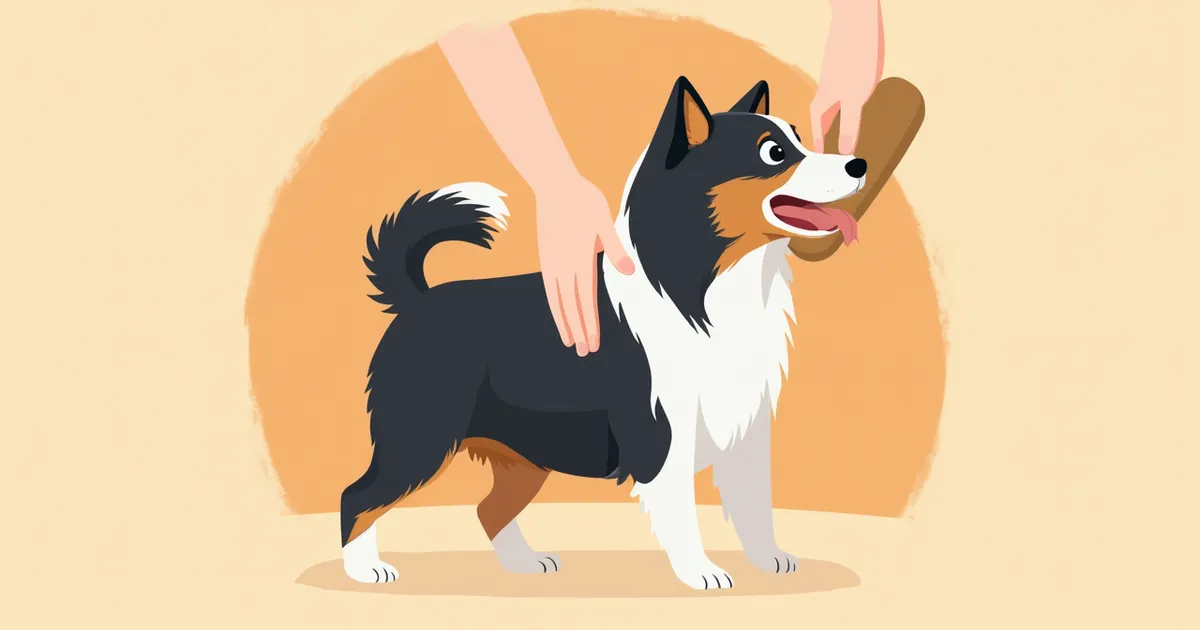
- Daily brushing is the most effective method. Use a toothbrush and toothpaste specifically designed for dogs. Never use human toothpaste, as it can be toxic to animals. - If brushing is difficult, start with dental wipes or a finger brush. - Have your dog undergo a professional dental cleaning and examination at a veterinary clinic at least once a year. - Bad breath or dropping food while eating may be signs of periodontal disease.
A guardian brushing a toy poodle's teeth.

Daily Health Care Checklist for Toy Poodles

Weight Management: Maintaining an ideal weight (2.5–4 kg) is the first step toward patellar health. Treats should account for no more than 10% of your pet’s daily caloric intake.
Slip Prevention: Place rugs or non-slip mats on hardwood or tiled floors to prevent slipping, which can cause the patella to dislocate.
No Jumping from Heights: Jumping off sofas or beds places significant impact on the knees. Provide stairs or ramps instead.
Regular Check-ups: Scheduling patellar palpation along with dental and ophthalmic exams once or twice a year helps catch issues early.

Common Oversights by Toy Poodle Owners

Toy Poodles tend to hide pain well. With grade 1–2 patellar luxation, the characteristic “skipping” gait often resolves quickly, which can lead owners to mistakenly assume everything is fine. Additionally, they frequently continue eating even when experiencing dental pain, so it’s important to closely monitor for subtle changes such as bad breath or drooling.

Reviewed by a veterinarian

Dr. Tony — Punnawat Phongkittirak

Dr. Tony — Punnawat Phongkittirak

Veterinarian

A veterinarian who majored in veterinary medicine at Khon Kaen University, Thailand, and completed the IVSA program at North Carolina State University in the United States. Drawing on clinical experience at animal hospitals, he works in the pet healthcare field and is dedicated to building a digital care environment that connects pet parents with veterinarians.

Frequently Asked Questions

How much does patellar surgery cost for a Toy Poodle?
Costs can vary significantly depending on the clinic, location, and service tier, so it's difficult to provide a one-size-fits-all price. We recommend getting a detailed estimate after consulting with a veterinarian and comparing options.
Is it safe to use tear-stain remover?
You can use products specifically designed for dogs. However, if the underlying cause (such as a blocked tear duct or allergies) isn’t addressed, the issue is likely to recur. In severe cases, it’s best to have a vet check for the root cause first.
My pet hates brushing its teeth. How should I start?
Don’t start by putting a toothbrush in your pet’s mouth. Instead, begin by applying a small amount of toothpaste to your finger and gently rubbing the gums. Over the course of 2 to 3 weeks, gradually introduce a finger brush first, then transition to a regular toothbrush to help your pet become comfortable and reduce resistance.
Will giving my dog a patellar supplement eliminate the need for surgery?
Joint supplements support cartilage health. They can be helpful for early-stage management (grades 1–2), but if the condition has progressed to grade 3 or higher, supplements alone cannot resolve structural issues. A veterinarian’s assessment should always come first.

Share

Related Guides

References

[1] Piermattei DL et al., Brinker, Piermattei, and Flo's Handbook of Small Animal Orthopedics and Fracture Repair, 5th Ed, Ch. 18 The Stifle Joint, 2006

[2] Tobias KM & Johnston SA, Veterinary Surgery: Small Animal, 2nd Ed, Ch. 62 Patellar Luxation, Elsevier, 2018

[3] Nelson RW & Couto CG, Small Animal Internal Medicine, 6th Ed, Elsevier, 2019

[4] Bellows J et al., 2019 Global Dental Guidelines, Journal of Veterinary Dentistry, 2019

[5] Gelatt KN, Veterinary Ophthalmology, 6th Ed, Wiley-Blackwell, 2021

This information is based on veterinary literature and does not replace diagnosis or treatment. Please consult a veterinarian for specific health concerns.

Metapet Co., Ltd. | CEO: Park Sung-yong | Business Reg. No. 417-88-02562 | Seoul, South Korea | Customer Center

Toy Poodle Health: Patella, Tear Stains, and Tartar | Meongsiljang