Like
Share
멍실장
스핑크스 무모종 피부·목욕 관리 완벽 가이드

The Ultimate Guide to Sphynx Hairless Cat Skin and Bathing Care

Skin & CoatBreed HealthMeongsiljang Veterinary Advisory Board

Sphynx cats, being hairless, produce more sebum, so regular bathing and skin care are essential. We’ll share the right bathing schedule, how to choose products, and key daily care tips.

Why Is Sphynx Skin Care Special?
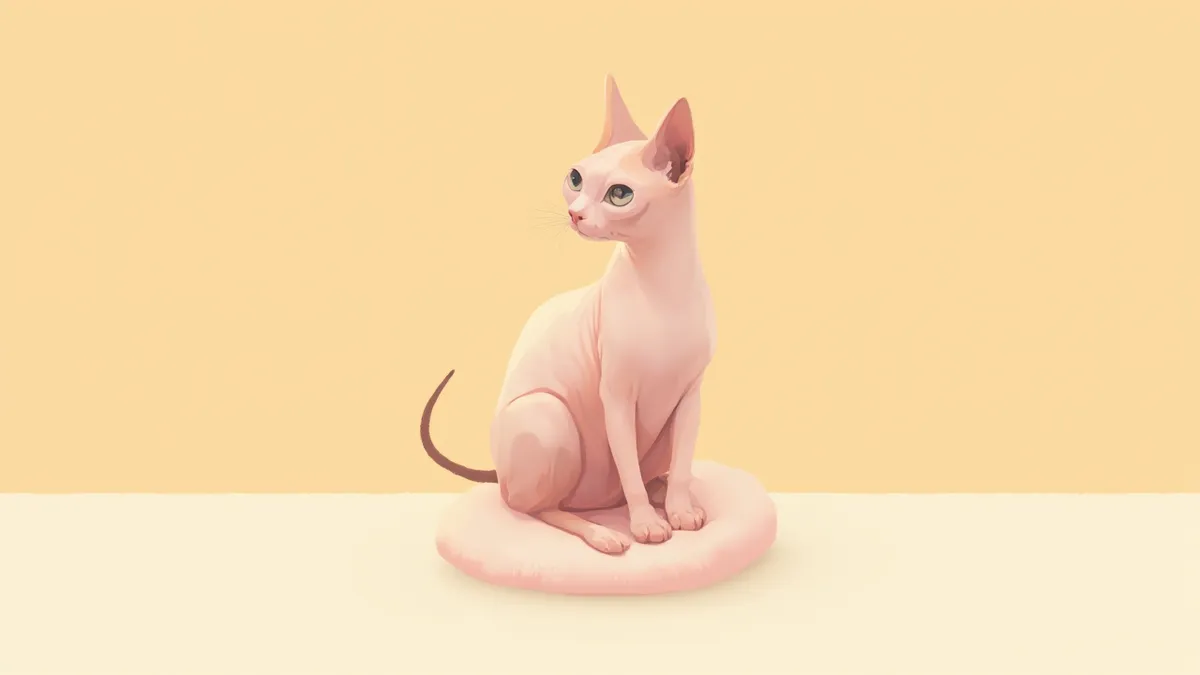
The appearance of a Sphynx cat with healthy skin
The Sphynx is a hairless cat breed with very little fur, so sebum accumulates directly on the skin surface. The most important thing is regular bathing and daily skin care. While regular cats have fur that absorbs and naturally disperses sebum, Sphynx cats experience direct buildup of sebum on their skin, which can appear as brownish oily residue and lead to folliculitis or acne. Your proactive care is half the battle for their health.

Why Sphynx Cats Produce More Sebum

Sphynx cats are a hairless breed with very little fur, so they lack the natural medium that helps absorb and distribute sebum. As a result, the sebum they produce tends to remain on the skin’s surface, often becoming sticky and taking on a brownish tint. This buildup is especially common in areas where skin folds or secretions can accumulate, such as the back of the neck, armpits, between the toes, and at the base of the tail. Additionally, without the protective barrier of fur, their skin is directly exposed to external irritants, making it more sensitive and prone to reacting even to minor stimuli. Therefore, it’s important to regularly check their skin condition and provide gentle, consistent care.

Common Skin Problems in Sphynx Cats

Inadequate grooming can lead to a variety of skin issues.
Seborrheic dermatitis: An excessive buildup of sebum results in a greasy, foul-smelling condition.
Feline acne: Begins as black spots or scales on the chin and can progress to inflammation.
Brown discharge around the claws: Sebum accumulates between the toes, forming sticky brown residue.
Folliculitis: The combination of sebum and bacteria leads to the formation of small pustules.
Sunburn: Prolonged exposure to sunlight can cause red rashes and burns.
Guide to Skin Problem Areas in Sphynx Cats

When to Visit the Vet

If you notice any of the following symptoms, which indicate more than just simple sebum buildup, a veterinary consultation is necessary: pus or discharge from pustules, red rashes and swelling on the skin, a strong foul odor from brown discharge around the nails, repeated scratching or licking of the skin, or peeling skin with thick scabs. These signs may suggest a fungal infection or bacterial dermatitis, so an accurate diagnosis should take priority over home treatment.

How to Determine the Right Bathing Frequency

For Sphynx cats, bathing frequency should be tailored to each individual’s sebum production and daily skin condition rather than following a fixed schedule. Bathing too often can damage the skin barrier and stratum corneum, so caution is advised. Conversely, going too long between baths can lead to sebum buildup, causing stickiness and unpleasant odors. Since many cats find full-body baths stressful, it’s safer to base bathing decisions on actual signs, such as sticky skin or brown residue transferring to cloth. In the meantime, gently wiping specific areas with a soft cloth or specialized wipes is a well-tolerated and helpful routine for most cats.
A Sphynx cat bathing in warm water

Choosing Shampoo and Bathing Methods

For Sphynx cats, it’s safest to use a gentle, cat-specific shampoo. Human or dog shampoos can irritate or dry out feline skin because they’re not formulated for cats. If you suspect dermatitis or a bacterial infection, don’t self-diagnose—have a vet perform a cytology test to confirm the presence of infection, then use a medicated shampoo only as prescribed. For superficial pyoderma, chlorhexidine shampoo at 2–4% concentration is a well-supported, evidence-based choice. Lather the shampoo and let it remain on the skin for 10–15 minutes to ensure adequate contact time. Then rinse thoroughly with lukewarm water to remove all residue, and gently pat the skin dry with a soft towel.

Comparison of Sphynx Shampoo Types

ItemGeneral hypoallergenic shampooMedicated shampooOatmeal/ceramide shampoo
UseEveryday bathingBacterial dermatitis/pyoderma managementDry/sensitive skin
Frequency of useDepending on skin conditionFollow veterinarian's instructionsDepending on skin condition
Prescription requiredNot requiredRequired (after confirming infection with cytology)Not required
Recommended timingRoutineWhen infection is confirmedWinter/dry season

Consultation with a veterinarian is strongly recommended before choosing a product and before using a medicated shampoo.

Daily Skin Care Tips Beyond Bathing

Even between baths, your pet needs gentle daily care.
Daily Wiping: Gently wipe your pet with a soft cloth dampened with warm water or alcohol-free pet wipes.
Ear Cleaning: Sebum can build up inside the ears, so clean them once or twice a week with a specialized ear cleanser.
Nail Trimming: Gently remove any brown discharge around the nails with a cotton swab, and trim the nails every two to three weeks.
Warmth: Since your pet lacks fur and struggles to maintain body temperature, keep the indoor temperature between 24°C and 26°C.
Sun Protection: Avoid exposing your pet to direct sunlight, such as near windows.
A caregiver gently wiping a Sphynx cat’s skin with a cloth

Mistakes to Avoid When Caring for Sphynx Cats

Here are some common mistakes that can harm your pet’s skin health. Bathing daily can compromise the skin barrier. Using human body wash or soap can cause pH imbalance. Rubbing vigorously with a rough towel can create micro-tears, increasing the risk of infection. Wiping the skin with alcohol or hydrogen peroxide is also too harsh and should be avoided. Additionally, failing to dry your pet thoroughly after bathing increases the risk of folliculitis. Lastly, do not apply human acne cream based on your own judgment.

Reviewed by a veterinarian

Dr. Tony — Punnawat Phongkittirak

Dr. Tony — Punnawat Phongkittirak

Veterinarian

A veterinarian who majored in veterinary medicine at Khon Kaen University, Thailand, and completed the IVSA program at North Carolina State University in the United States. Drawing on clinical experience at animal hospitals, he works in the pet healthcare field and is dedicated to building a digital care environment that connects pet parents with veterinarians.

Frequently Asked Questions

Are Sphynx cats truly hypoallergenic?
Not at all. Although they have no fur, their skin flakes and saliva contain the allergenic protein Fel d 1, so they can trigger allergic reactions similar to those caused by regular cats. It’s important for potential adopters to undergo an allergy test before bringing one home.
My cat gets extremely stressed during bath time. What can I do?
It’s helpful to gradually acclimate your pet to lukewarm water through short, step-by-step training sessions starting from a young age. If this proves difficult, you can increase the frequency of grooming by using pet-specific cleansing wipes instead of medicated shampoo. If strong resistance persists, we recommend consulting a veterinarian.
Should I reduce the frequency of baths during winter?
In winter, skin tends to become drier, so it’s best to slightly extend the bathing interval to once every two to three weeks and switch to a moisturizing shampoo. However, for pets with oily skin, you should assess their skin condition rather than strictly following a set schedule.
Do Sphynx cats need to wear clothes?
Many pet owners dress their pets in thin, breathable clothing to help maintain body temperature and block UV rays. However, it is important to change the clothes frequently and only use clean, washed garments to prevent sebum buildup inside. Avoid clothing that is too tight, as it can cause skin friction.
Is it okay to leave the brown substance between my pet’s toes untreated?
If it’s just a buildup of sebum, gently wiping the area with a soft cotton swab and lukewarm water should suffice. However, if there’s a strong odor or the skin becomes red and swollen, it could indicate folliculitis or a fungal infection, in which case a veterinary visit is necessary.

Share

Related Guides

References

[1] Little SE, The Cat: Clinical Medicine and Management, 2nd Edition, Elsevier, 2020

[2] Miller WH et al., Muller and Kirk's Small Animal Dermatology, 7th Edition, Saunders, 2013

[3] Heath S, A Professional's Guide to Feline Behaviour, CABI, 2024

This information is based on veterinary literature and does not replace diagnosis or treatment. Please consult a veterinarian for specific health concerns.

Metapet Co., Ltd. | CEO: Park Sung-yong | Business Reg. No. 417-88-02562 | Seoul, South Korea | Customer Center

The Complete Guide to Sphynx Hairless Cat Skin & Bathing Care | Meongsiljang