
British Shorthair Health Care — Essential Facts on Heart Disease and Obesity
British Shorthairs are particularly prone to hypertrophic cardiomyopathy and obesity. We’ve compiled key information on these conditions, including early symptoms, essential points for regular check-ups, and weight management strategies, all based on veterinary textbooks.
Key Points for Raising a Healthy British Shorthair
Conditions British Shorthairs Should Be Cautious About
Why Hypertrophic Cardiomyopathy Is Dangerous
Go to the Vet Immediately If You See These Symptoms
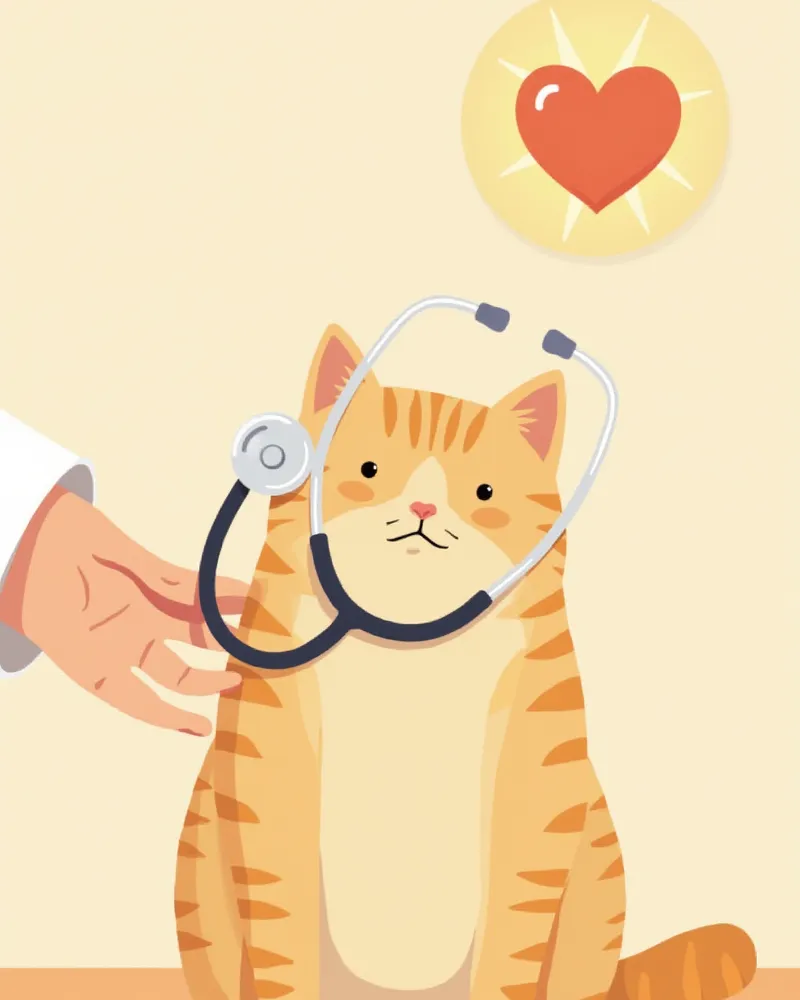
The following are emergency warning signs of heart disease: - Sudden open-mouth breathing, rapid respiration, or panting - Sudden inability to use the hind legs, dragging them, accompanied by severe crying - Gums or tongue turning purple or blue - Sudden fainting or decreased level of consciousness In particular, hind limb paralysis may indicate that a blood clot formed in the heart has blocked a blood vessel. This is a medical emergency requiring immediate treatment, as every minute counts.
Why Obesity Is Particularly Dangerous for British Shorthairs

How to Manage Weight
| Management Item | Specific Method |
|---|---|
| Dietary Control | Measure food precisely using a measuring cup according to the veterinarian’s recommended serving size. |
| Treat Restriction | Limit treats to no more than 10% of daily caloric intake. |
| Playtime | Ensure adequate activity with at least 15–20 minutes of daily hunting-style play using toys such as wands or balls. |
| Weight Monitoring | Weigh your cat every two weeks and record any changes in weight trends. |
| Food Selection | Choose high-protein, low-carbohydrate food to help maintain muscle mass. |
Regular Check-ups: When and What to Check
Echocardiogram: Auscultation Alone Is Not Enough
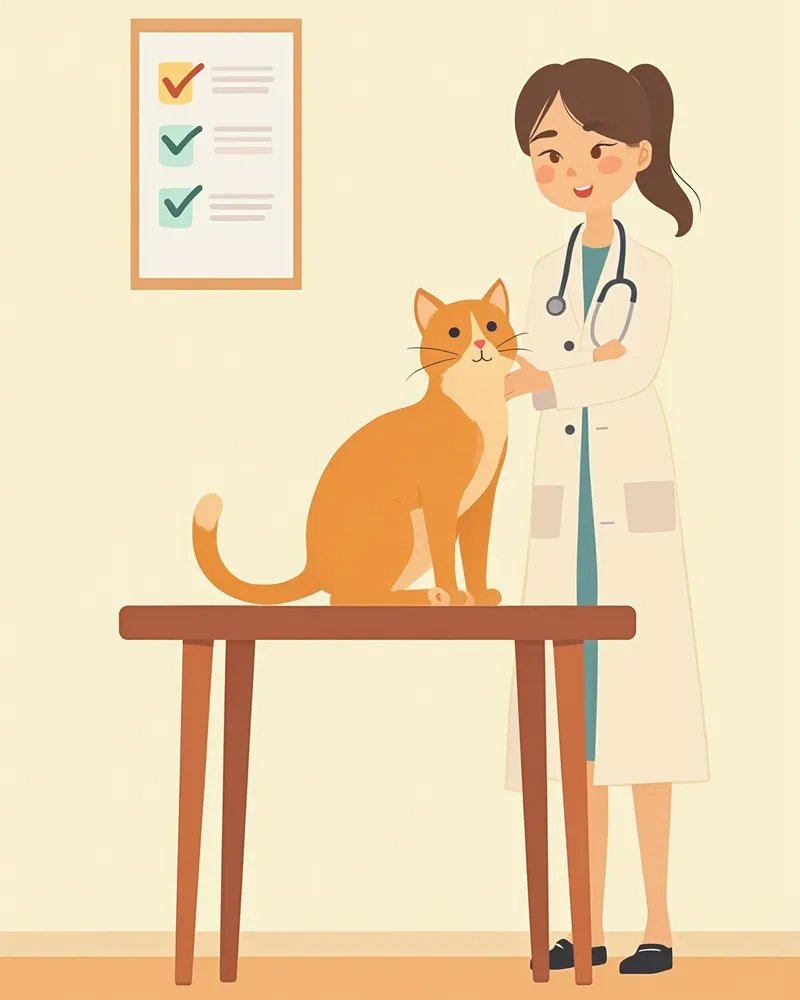
Even with hypertrophic cardiomyopathy, heart murmurs are often absent. Since cats can appear healthy on the surface, it is difficult to confirm the condition without an echocardiogram. Therefore, we recommend that British Shorthairs undergo at least one echocardiogram after reaching one year of age. If you are planning to breed your cat, pre-breeding screening is essential.
Reviewed by a veterinarian

Dr. Tony — Punnawat Phongkittirak
VeterinarianA veterinarian who majored in veterinary medicine at Khon Kaen University, Thailand, and completed the IVSA program at North Carolina State University in the United States. Drawing on clinical experience at animal hospitals, he works in the pet healthcare field and is dedicated to building a digital care environment that connects pet parents with veterinarians.
Reviewed 2026-04-13
Frequently Asked Questions
What is the ideal weight range for a British Shorthair?
Can hypertrophic cardiomyopathy be detected in advance through genetic testing?
Is treatment available for dogs with hypertrophic cardiomyopathy?
Does neutering make pets more prone to obesity?
Share
Related Guides

Coenzyme Q10 Benefits and Administration Guide

Dog Pulmonary Edema Warning — 7 Best Diuretics (Furosemide) for Heart Management

7 Best Prescription Diets for Feline Heart Disease Recommended by Veterinarians — Criteria for Choosing Low-Sodium Food

Yorkshire Terrier Tracheal Collapse: From Cough Signals to Stage-by-Stage Management

Complete Guide to Dachshund Genetic Conditions — A Checklist from Disc Disease to Eye Conditions

Dachshund Grooming by Coat Type (Smooth, Longhaired, Wirehaired)

Cocker Spaniel Ear Care (Prone to Otitis Externa)

7 Hereditary Conditions in Shih Tzus: Symptoms, Causes, and Lifelong Care Guide

The Ultimate Guide to Shih Tzu Long-Hair Grooming — From Brushing to Grooming Schedules

Golden Retriever Regular Check-up Schedule
References
[1] Textbook of Cardiovascular Medicine in Dogs and Cats — Chapter 11: Hypertrophic Cardiomyopathy
[2] Small Animal Critical Care Medicine, 3rd Ed — Classification and Etiology of Feline Cardiomyopathy
[3] Small Animal Internal Medicine, 6th Ed — Chapter 7: Myocardial Diseases of the Cat
[4] Textbook of Veterinary Internal Medicine, 8th Ed — Obesity in Cats