Like
Share
멍실장
미니 푸들 슬개골 — 4단계별 관리와 수술 결정 가이드

Miniature Poodle Patellar Luxation: A Guide to 4-Stage Symptoms and Surgical Timing

JointBreed HealthMeongsiljang Veterinary Advisory Board

Miniature Poodles are prone to patellar luxation due to their shallow trochlear groove and femoral deformities. Here’s a summary of the grading criteria for stages 1–4, along with key considerations for management and surgical decisions at each stage.

What Is Patellar Luxation in Miniature Poodles?
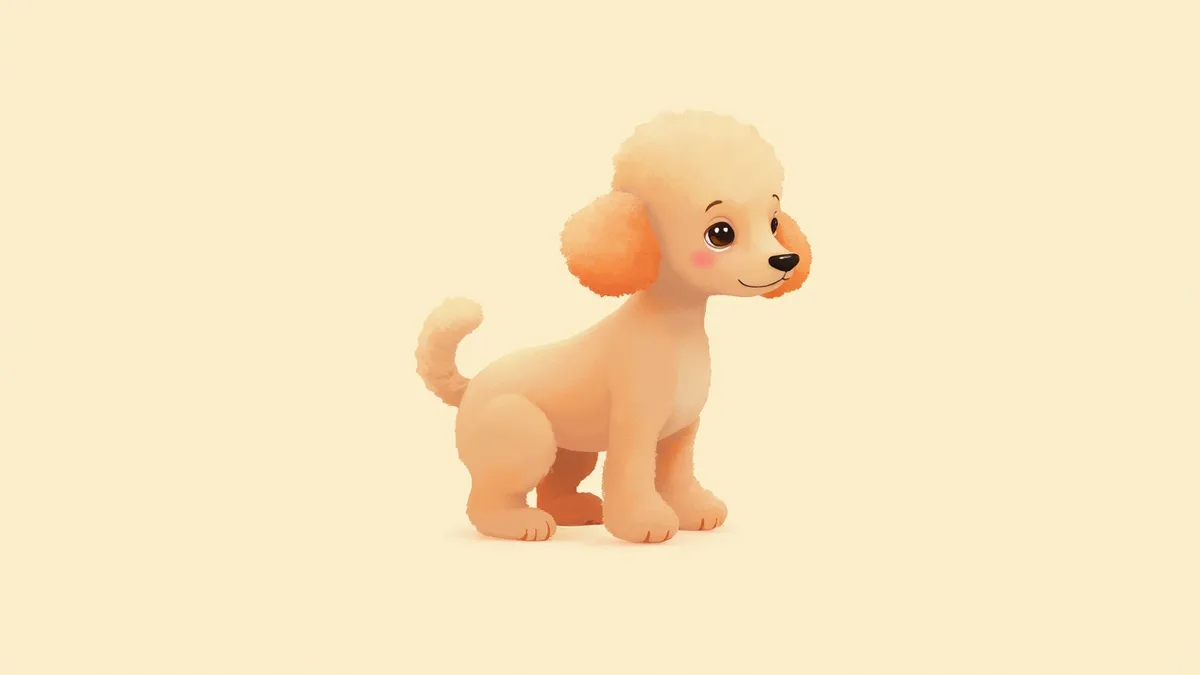
Illustration of the knee anatomy in Miniature Poodles
Patellar luxation in Miniature Poodles is an orthopedic condition in which the kneecap (patella) slips out of its normal position, either medially or laterally. Medial luxation is more common than lateral. Early detection and accurate staging are key. Stages 1 and 2 are typically managed conservatively without surgery, with close monitoring of progression, whereas stages 3 and 4 usually require surgical intervention. This condition is more prevalent in small-breed dogs, particularly those with shallow trochlear grooves and underdeveloped structures that stabilize the knee. Therefore, if one knee is diagnosed with patellar luxation in a small breed, it is advisable to also examine the opposite knee.

Why Miniature Poodles Are Prone to Patellar Issues

Patellar luxation in Miniature Poodles is not caused by a single factor, but rather by a combination of several developmental abnormalities. - Shallow Trochlear Groove: The groove where the kneecap sits is too shallow, causing it to slip out easily. - Femoral Varus: The thigh bone curves inward, misaligning the knee joint. - Tibial Tuberosity Displacement: The position of the tibial tuberosity is shifted inward, pulling the kneecap medially. - Weakened Support Structures: Soft tissue support structures, such as ligaments and muscles that stabilize the knee, are underdeveloped, resulting in insufficient holding strength. Since this condition arises from overlapping developmental abnormalities during growth, it is helpful to monitor your puppy’s knee health from an early age and review the orthopedic history of their littermates and parents.

The 4 Stages of Patellar Luxation at a Glance
According to the classification system used in veterinary surgery textbooks, patellar luxation is divided into four stages, from 1 to 4. As the stage increases, the kneecap remains dislocated for longer periods, and the shape of the patella itself becomes deformed. Miniature Poodles are most commonly diagnosed at stages 1 or 2, but if left untreated, the condition can progress to stages 3 or 4. Please refer to the table below to compare the characteristics of each stage.
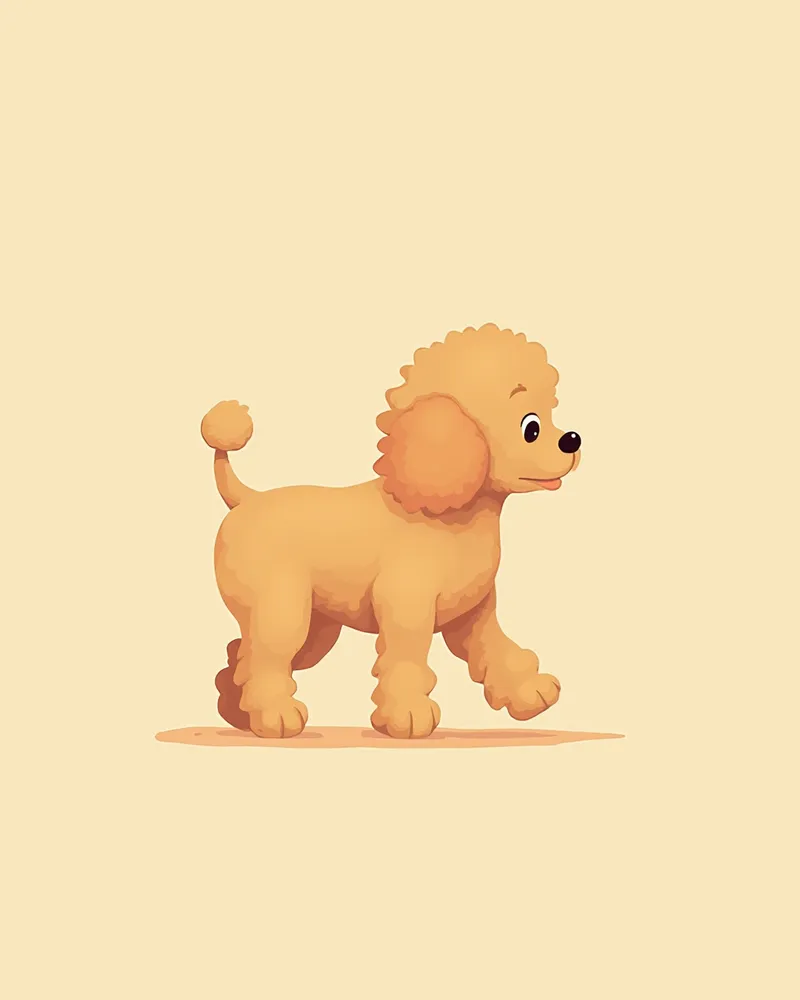
A mini Poodle slightly lifting its hind leg

Comparison of Stages 1–4 of Patellar Luxation

ItemGrade 1Grade 2Grade 3Grade 4
Luxation frequencyLuxates only when pushed by handOccasionally luxates on its ownAlmost always luxatedAlways luxated and does not reduce
Gait abnormalityAlmost noneIntermittent hopping gaitPersistent limpingSevere limping, hind-leg flexion
Trochlear groove depthNormal–slightly shallowShallowVery shallow or flatSevere deformity
Conservative treatment efficacyEffectiveLimited effectAlmost noneNone
Surgery recommendation levelUnnecessary (observe)Consider if symptomaticRecommendedRequired

Grade determination must be confirmed by a veterinarian through palpation and imaging.

Signs Owners Can Check at Home

If you notice any of the following signs, your pet may have patellar luxation: - Intermittent limping or skipping: Suddenly lifts one hind leg and hops while walking - Leg shaking or stretching: Extends the leg backward and then places it back down (a self-reduction motion to reposition the kneecap) - Avoiding stairs or jumping: Reluctant to jump or climb stairs - Twisting a leg when sitting: Sits with one leg splayed out to the side - Limping after exercise: Drags a leg or limps after a walk If any of these symptoms recur for more than a week, please consult your veterinarian.

Signs Requiring Immediate Veterinary Care

If your dog is completely unable to put weight on the leg, or if the knee is swollen and extremely painful to the touch, it may indicate a ligament tear (complete rupture of the cranial cruciate ligament) rather than a simple dislocation. In fact, studies report that approximately 15–20% of dogs with patellar luxation eventually develop cranial cruciate ligament rupture over time. If a dog with chronic luxation suddenly begins limping more severely, a cruciate ligament tear should be suspected first. If the dog cannot use the leg for more than 24 hours or if swelling is severe, visit a veterinary clinic within the same day.

Conservative Management for Stages 1–2: Slowing Progression
For Miniature Poodles in stages 1–2, the goal is to manage the condition without surgery while reducing stress on the knees. - Weight management: As weight increases, so does the burden on the knees, so it is important to maintain an ideal body weight. - Slip prevention: Place mats or rugs on hardwood floors and keep the hair between the paw pads trimmed short. - Jumping restrictions: Use pet stairs instead of allowing your dog to jump on and off sofas or beds. - Muscle-maintaining walks: Encourage regular, light walks on flat ground and avoid sudden changes in direction. - Joint supplements: Supplements such as glucosamine and chondroitin may be used, but they are strictly supportive measures; environmental management remains more critical. Regularly reassess any changes in symptoms or disease progression to adjust the management plan accordingly.
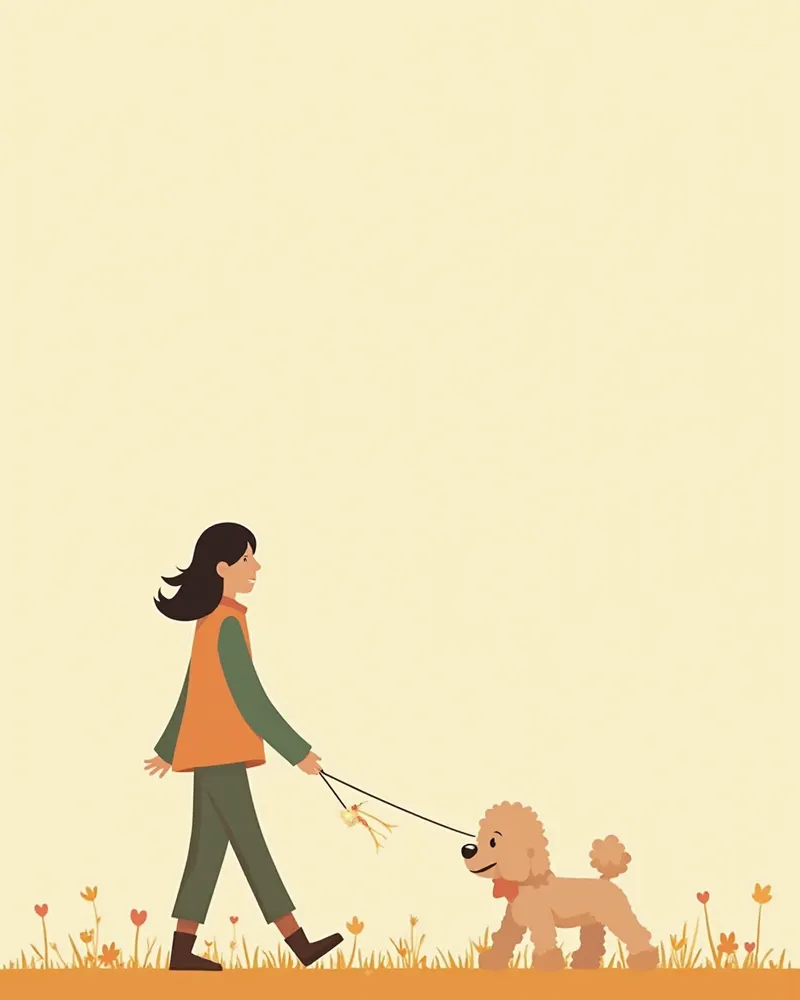
A mini Poodle taking a leisurely walk with its owner

Criteria for Surgery: When to Make the Decision

We don’t decide on surgery based solely on the stage of the condition. Surgery should be strongly considered when any of the following factors are present: - Stage 3 or higher: The patella is nearly dislocated, and deformity of the kneecap is progressing. - Stage 2 with daily pain: Limping persists for more than a month, or there is a noticeable decrease in activity level. - Bilateral progression: Both knees are worsening simultaneously, making compensatory gait difficult. - Concurrent cruciate ligament injury: The patellar luxation has also damaged the ligaments. - Progressive changes detected at a young age: If the condition is already at an advanced stage with clear symptoms in a young dog, the likelihood of progression should also be taken into account. Surgical options may include trochleoplasty (deepening the shallow trochlear groove), tibial tuberosity transposition (repositioning the tibial tuberosity), and soft tissue realignment, often used in combination. Since soft tissue procedures alone are often insufficient, bone-based procedures are typically key to successful outcomes.

The First 8 Weeks Post-Surgery Determine the Outcome

The success of patellar surgery depends more on post-operative care than the procedure itself. For the first two weeks after surgery, strict rest and cage confinement are essential. Gradual rehabilitation can begin with short, leashed walks starting in weeks 3 to 4. Allowing jumping, stair climbing, or running before the 8-week mark significantly increases the risk of recurrence. The most common mistake owners make is during weeks 5 to 6, when their pet seems to have improved considerably. It is crucial to maintain activity restrictions during this period.

Reviewed by a veterinarian

Dr. Tony — Punnawat Phongkittirak

Dr. Tony — Punnawat Phongkittirak

Veterinarian

A veterinarian who majored in veterinary medicine at Khon Kaen University, Thailand, and completed the IVSA program at North Carolina State University in the United States. Drawing on clinical experience at animal hospitals, he works in the pet healthcare field and is dedicated to building a digital care environment that connects pet parents with veterinarians.

Frequently Asked Questions

Is patellar luxation in Miniature Poodles hereditary?
Patellar luxation is a condition that arises from a combination of developmental abnormalities, such as a shallow trochlear groove or weak structures that stabilize the knee, during the growth process. It is more common in small breeds, so we recommend checking the orthopedic and patellar examination history of the parent dogs before adoption.
Is it okay to just give nutritional supplements for stage 1?
Supplements are only supportive and cannot stop progression on their own. Environmental management, such as weight control, anti-slip measures, and limiting jumping, is more important. While supplements like glucosamine and chondroitin may be used together, it's best to view them as supportive measures.
Will my pet return to completely normal after surgery?
Surgery cannot fully reverse a knee cap that has already shifted out of place. Procedures that involve reshaping the bone, such as trochleoplasty or tibial tuberosity transposition, are the mainstay of correction. With proper recovery, many pets regain a gait that is nearly normal. The goal of sur
Do I need to have surgery on both sides, or just one?
If both sides are at a similar stage, we typically proceed with one side every 6 to 8 weeks. Since the opposite leg bears more weight while the first side recovers, it’s safer to monitor the recovery progress before addressing the other side.
How much does the surgery cost?
Costs vary significantly depending on the clinic, location, and surgical complexity. When including hospitalization and rehabilitation, the price for one knee can span a wide range. The exact cost is determined after a consultation with your veterinarian, based on the results of imaging tests conducted during the examination.

Share

Related Guides

References

[1] Textbook of Veterinary Orthopaedic Surgery, Chapter 11 Stifle Joint Disorders

[2] Clinical Medicine of the Dog and Cat, 4th Edition, Patellar Luxation Pathophysiology

[3] 100 Top Consultations in Small Animal General Practice, Patellar Luxation

[4] Piermattei DL, Flo GL, DeCamp CE, Brinker, Piermattei and Flo's Handbook of Small Animal Orthopedics and Fracture Repair, 5th Edition

This information is based on veterinary literature and does not replace diagnosis or treatment. Please consult a veterinarian for specific health concerns.

Metapet Co., Ltd. | CEO: Park Sung-yong | Business Reg. No. 417-88-02562 | Seoul, South Korea | Customer Center

Mini Poodle Patellar Luxation — 4 Grades & Surgery Timing | Meongsiljang