Like
Share
멍실장
아비시니안 유전질환 체크리스트

Abyssinian Genetic Disease Checklist

ImmunityBreed HealthMeongsiljang Veterinary Advisory Board

We’ve compiled information on kidney amyloidosis, PK deficiency, PRA, and dental diseases—conditions commonly seen in Abyssinian cats—and introduced a regular check-up schedule starting from age one.

Abyssinian Breed Health Characteristics
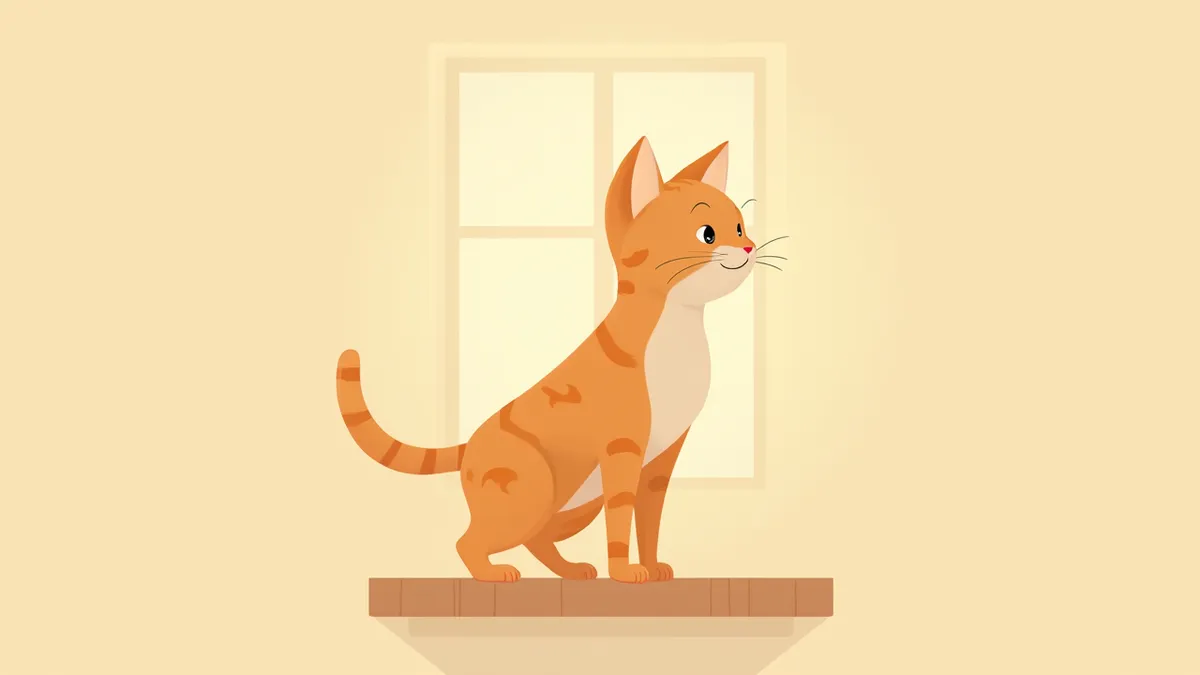
A healthy Abyssinian cat standing on a shelf
Abyssinians are a short-haired breed that requires careful monitoring for genetic conditions such as renal amyloidosis and pyruvate kinase deficiency. Early detection is key. Starting regular blood and urine tests at one to two years of age allows for the early identification of kidney and blood disorders. Given their high energy levels and strong curiosity, Abyssinians can live an average of 12 to 15 years with proper health care.

Four Common Genetic Diseases in Abyssinians

The four most commonly reported health concerns in Abyssinian cats are:
Renal amyloidosis: A hereditary kidney disease in which amyloid proteins accumulate in the kidneys, gradually impairing kidney function; this condition has been documented in Abyssinian bloodlines.
Pyruvate kinase deficiency (PK Deficiency): A hereditary blood disorder that causes premature destruction of red blood cells, leading to anemia; it has been reported in Abyssinian and Somali cats.
Progressive retinal atrophy (PRA): A retinal degenerative disease in which the retina is gradually damaged, resulting in progressive vision loss.
Tooth resorption and periodontal disease: Tooth resorption is not specific to any single breed but is commonly reported in 25–75% of cats overall, so Abyssinians should also be monitored for these dental issues.

Renal Amyloidosis: The Condition to Watch Most Closely
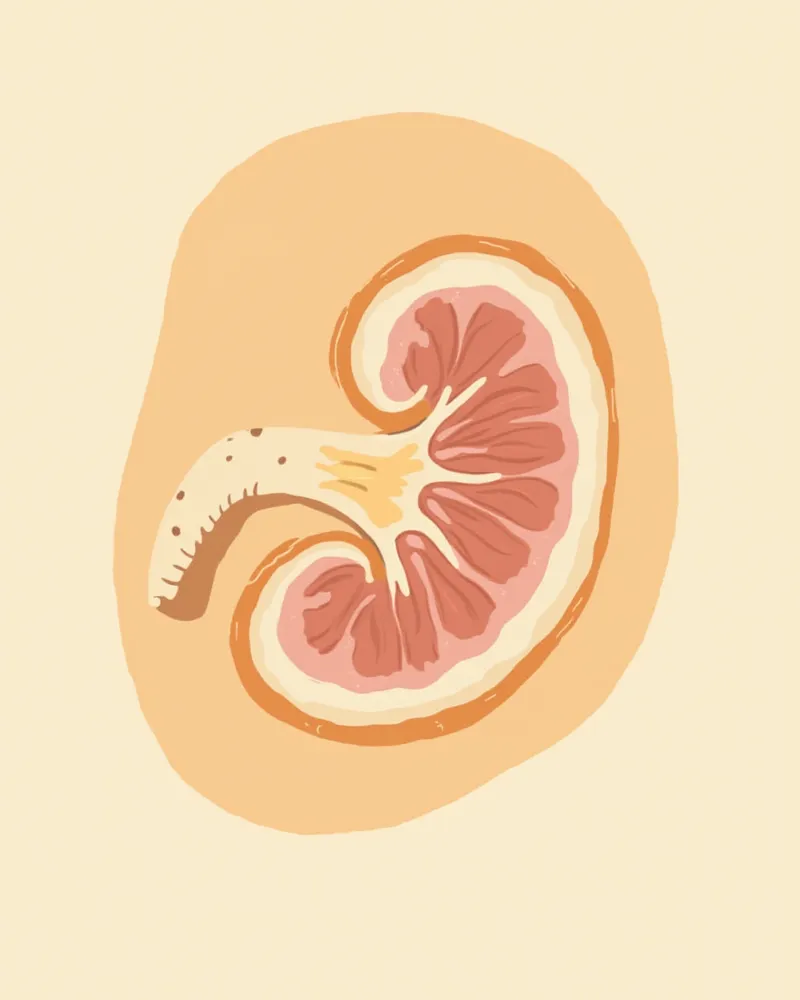
Renal amyloidosis is a representative hereditary kidney disease with a documented family history in Abyssinian cats. Amyloid proteins accumulate in the glomeruli and interstitium, gradually impairing kidney function. The more amyloid deposits in the glomeruli, the more pronounced proteinuria becomes. Early signs include increased water consumption, increased urine output, and decreased body weight and appetite. Because the age of onset varies among individuals, regular check-ups are essential for ongoing monitoring. Familial renal amyloidosis in Abyssinian cat lineages was first formally reported in veterinary pathology research by Boyce and colleagues in 1984.
Medical illustration of a cross-section of a cat's kidney

Recommended Regular Check-up Schedule for Abyssinians

For Abyssinians, it’s recommended to start annual blood tests for kidney and liver function, along with urinalysis (specific gravity and urine protein), from age one. After age five, these tests should be performed every six months. If protein is detected in the urine (proteinuria) or if urine specific gravity is low, amyloidosis of the kidneys should be suspected. Serum amyloid A (SAA) is an acute-phase protein associated with inflammation and amyloid deposition; while not used for definitive diagnosis on its own, it can serve as a supportive indicator.

Pyruvate Kinase Deficiency: Presents as Anemia

Pyruvate kinase deficiency is a genetic disorder that causes chronic anemia by making red blood cells break down earlier than normal. You should suspect it if your cat’s gums look pale, it tires easily with minimal activity, or you notice jaundice. Fortunately, genetic testing can identify carriers and affected cats in advance. The most reliable prevention is to obtain the genetic test results of the kitten’s parents before adoption.

Progressive Retinal Atrophy: Can Lead to Vision Loss
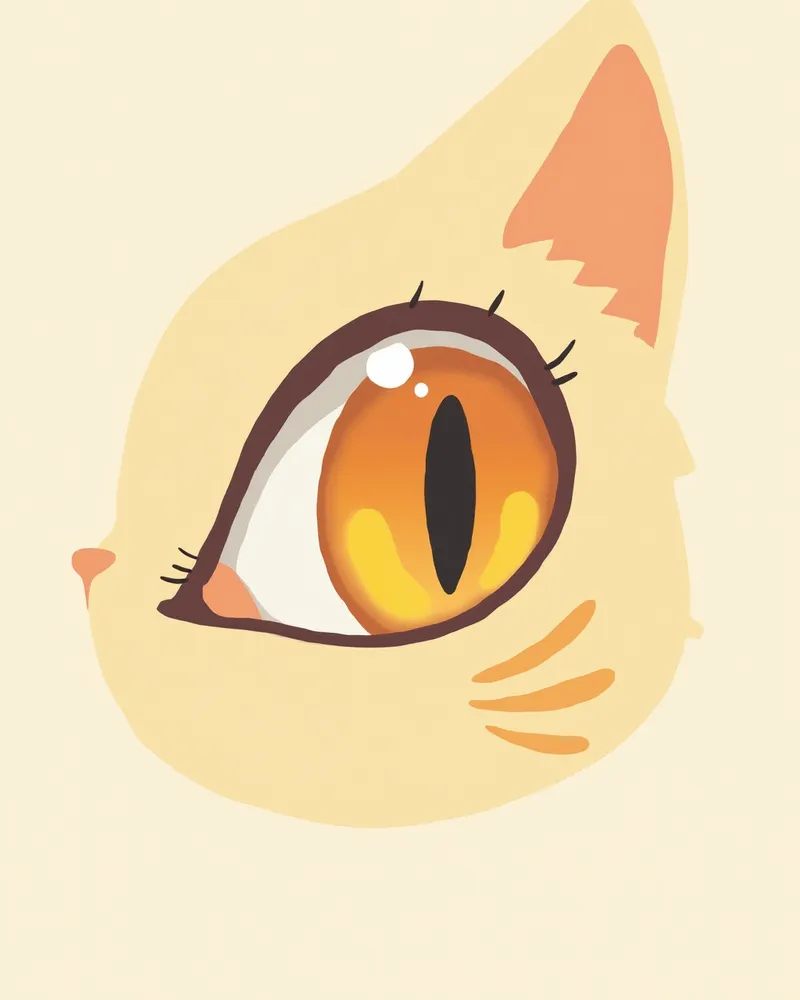
Progressive Retinal Atrophy (PRA) is a degenerative retinal disease in which the photoreceptor cells of the retina gradually die off, leading to the initial loss of night vision. Fundoscopic examination reveals hyper-reflectivity of the tapetum lucidum and attenuated, atrophic retinal blood vessels. Genetic mutations have been reported in certain breeds, such as Abyssinians, and the age of onset varies among individuals. If your pet frequently bumps into objects in dim lighting or maintains abnormally dilated pupils, an ophthalmic examination is necessary. PRA can be identified early or pre-symptomatically through fundoscopic and genetic testing.
A medical illustration highlighting the cat's retina.

Periodontal Disease and Tooth Resorption Lesions Are Also Common

Abyssinians can also develop periodontal disease and tooth resorption lesions, where the tooth surface erodes from the inside out. Tooth resorption is not limited to specific breeds and is commonly reported in 25–75% of cats overall. If you notice bad breath, chewing on only one side, or dropping food, your cat should have an oral examination. It’s best to start daily brushing at one year of age and schedule dental checkups at least once a year. For painful resorption lesions, tooth extraction is often the recommended treatment.

Testing Methods and Onset Age by Genetic Disease

ItemRenal amyloidosisPK deficiencyProgressive retinal atrophy (PRA)Tooth resorption lesions
Main testsBlood/urine tests + kidney biopsyGenetic testing + blood testGenetic testing + fundus examinationDental X-ray + oral examination
Age of first onsetVaries by individual (track with regular exams)Possible from a young agePossible from a relatively young ageCommon in adulthood
Prior genetic testingFalseTrueTrueFalse
Manageable if detected earlyTrueTrueTrueTrue

Adjust the screening schedule in consultation with your veterinarian according to the individual's condition.

Lifelong Health Care Points

While genetic diseases are difficult to cure, early detection can help slow their progression.
Regular blood and urine tests: Begin at one year of age, then every six months after age five.
Genetic testing: Can be used to check for PK deficiency and PRA in advance.
Low-protein, low-phosphorus diet: Consider switching to a prescription diet once kidney values begin to decline.
Oral care: Brush teeth daily and schedule a dental checkup once a year.
Ensure adequate activity: Provide a sufficient exercise environment with cat wheels and cat trees.
An Abyssinian cat playing on a cat tower

Signs Requiring Immediate Veterinary Care

If you notice any of the following symptoms, seek veterinary care within 24 hours. Excessive thirst (drinking more than twice the usual amount) accompanied by weight loss, pale gums, rapid breathing, or sudden collisions with furniture or walls may indicate kidney, blood, or vision problems. Additionally, if your pet’s loss of appetite persists for more than three days, prompt examination is necessary.

Reviewed by a veterinarian

Dr. Tony — Punnawat Phongkittirak

Dr. Tony — Punnawat Phongkittirak

Veterinarian

A veterinarian who majored in veterinary medicine at Khon Kaen University, Thailand, and completed the IVSA program at North Carolina State University in the United States. Drawing on clinical experience at animal hospitals, he works in the pet healthcare field and is dedicated to building a digital care environment that connects pet parents with veterinarians.

Frequently Asked Questions

When is the best time to have an Abyssinian cat undergo genetic testing?
It’s best to check the health test results of the kitten’s parents before adopting. If you’re already living with your cat, consider getting a comprehensive health checkup and genetic testing for PK deficiency and PRA (progressive retinal atrophy) around the age of one. This information can serve as a lifelong reference for your cat’s health.
Is there a test that can detect renal amyloidosis in advance?
A definitive diagnosis can only be made through a kidney biopsy, but early clues can be found in routine blood and urine tests, such as decreased urine specific gravity, proteinuria, and elevated BUN and creatinine levels. Recently, serum amyloid A (SAA) levels are also being used as a supplementary indicator.
Can I still get pet insurance if my pet has a genetic condition?
While policies vary by insurer, you can often enroll your pet before a diagnosis is made. After a diagnosis, the condition may be excluded from coverage, so it’s advantageous to consider enrolling right after adoption.
How should I choose the right pet food?
During healthy periods, a standard adult cat food is sufficient. However, if routine check-ups show a slight increase in kidney values, switching early to a renal prescription diet with adjusted protein and phosphorus levels can help slow disease progression.
How much does genetic disease testing cost?
Costs vary widely depending on the clinic and the specific tests performed. For the most accurate pricing, we recommend contacting your veterinarian or the genetic testing company directly.

Share

Related Guides

References

[1] Boyce, J.T., DiBartola, S.P., Chew, D.J. et al. Familial renal amyloidosis in Abyssinian cats. Vet. Pathol. 21: 33–38, 1984.

[2] Chew, D.J., DiBartola, S.P., Schenck, P.A. Urinalysis in the Dog and Cat (Glomerular amyloidosis chapter).

[3] Little, S.E. The Cat: Clinical Medicine and Management, 2nd Edition (Amyloidosis section).

This information is based on veterinary literature and does not replace diagnosis or treatment. Please consult a veterinarian for specific health concerns.

Metapet Co., Ltd. | CEO: Park Sung-yong | Business Reg. No. 417-88-02562 | Seoul, South Korea | Customer Center

Abyssinian Genetic Diseases: 4 Conditions & Check-up Plan | Meongsiljang