Like
Share
멍실장
노르웨이숲 정기 검진 일정 완벽 가이드

The Ultimate Guide to Norwegian Forest Cat Checkup Schedules

ImmunityBreed HealthMeongsiljang Veterinary Advisory Board

Norwegian Forest Cats are a large breed prone to hypertrophic cardiomyopathy and hip dysplasia. We’ve outlined age-appropriate checkup schedules and essential tests for this breed.

Why Are Regular Checkups Important for Norwegian Forest Cats?
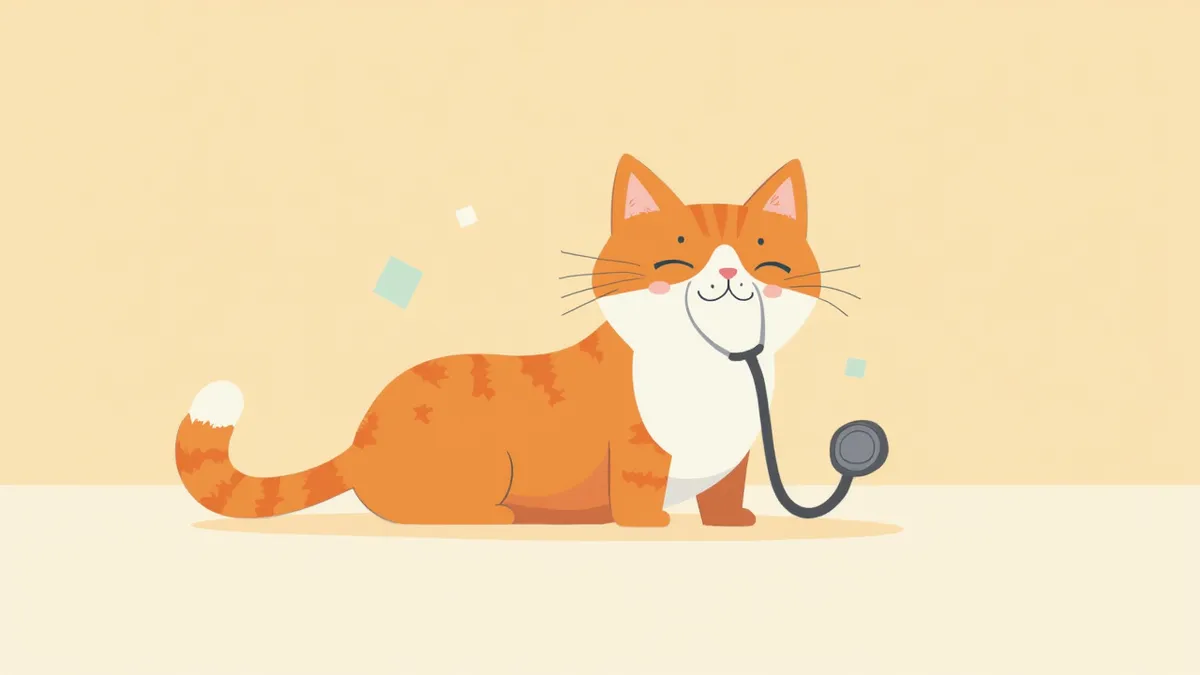
A Norwegian Forest Cat undergoing a stethoscope examination by a veterinarian.
Norwegian Forest Cats are a large, long-haired breed, making regular health check-ups especially important. Cats have a natural tendency to hide signs of illness or pain, which often makes it difficult for owners to notice something is wrong. That’s why early detection—identifying issues before symptoms become apparent—is so crucial. Hypertrophic cardiomyopathy (HCM), the most common heart muscle disease in cats, often progresses without obvious outward signs. Regular screenings, such as cardiac ultrasounds, allow you to monitor your cat’s heart health and begin preventive care before the disease develops. Once your cat reaches adulthood, the key is to ensure they receive a comprehensive health check-up at least once a year.

Top 3 Conditions Norwegian Forest Cats Need to Watch For

Here are the key health screening items to consider for Norwegian Forest Cats:
Hypertrophic Cardiomyopathy (HCM): This is the most common heart muscle disease in cats, characterized by thickening of the ventricular walls. It is a hereditary condition linked to genetic mutations in sarcomere (muscle contraction) proteins, so cats with a suspected family history should be monitored more closely.
Joint Health: As a large, long-haired breed, Norwegian Forest Cats can be prone to weight-related stress on their joints. Regular checks of gait and joint condition are recommended to prepare for degenerative joint diseases that may arise in their senior years.
Hereditary Metabolic and Cardiac Diseases: If the cat’s origins are unclear or there are concerns about family history, genetic testing can help assess potential risks early. Since symptoms can appear at a young age, early screening is advisable.

Age-Appropriate Checkup Schedule

Item~6 months (kitten)1–6 years (adult cat)7 years and older (senior)
Basic physical examAt 1, 3, and 6 monthsOnce a yearTwice a year
Blood test (CBC & biochemistry)Once at 6 monthsOnce a yearTwice a year
Cardiac ultrasound (HCM screening)Once at 12 months recommendedOnce every 1–2 yearsOnce a year
Joint imagingOnce around 12 monthsAs neededImmediately if gait abnormality
Genetic testing (HCM-related gene panel)Once at 6–12 monthsSkip if already done
Dental checkupOnce a yearOnce or twice a year

Advisory panel recommendation. A veterinarian may adjust this based on each individual's health condition.

Checklist of Essential Checkup Items
Here are the essential items to include in a Norwegian Forest Cat health checkup:
Cardiac auscultation and echocardiography: The most reliable way to detect asymptomatic hypertrophic cardiomyopathy (HCM).
Thyroid hormone (T4): Necessary to rule out hyperthyroidism in senior cats.
Renal values (BUN, creatinine, SDMA): Helpful for the early detection of chronic kidney disease.
Gait and joint assessment: To check for hindlimb limping or avoidance of jumping.
Body weight and Body Condition Score (BCS): As a large breed, obesity places direct stress on their joints.
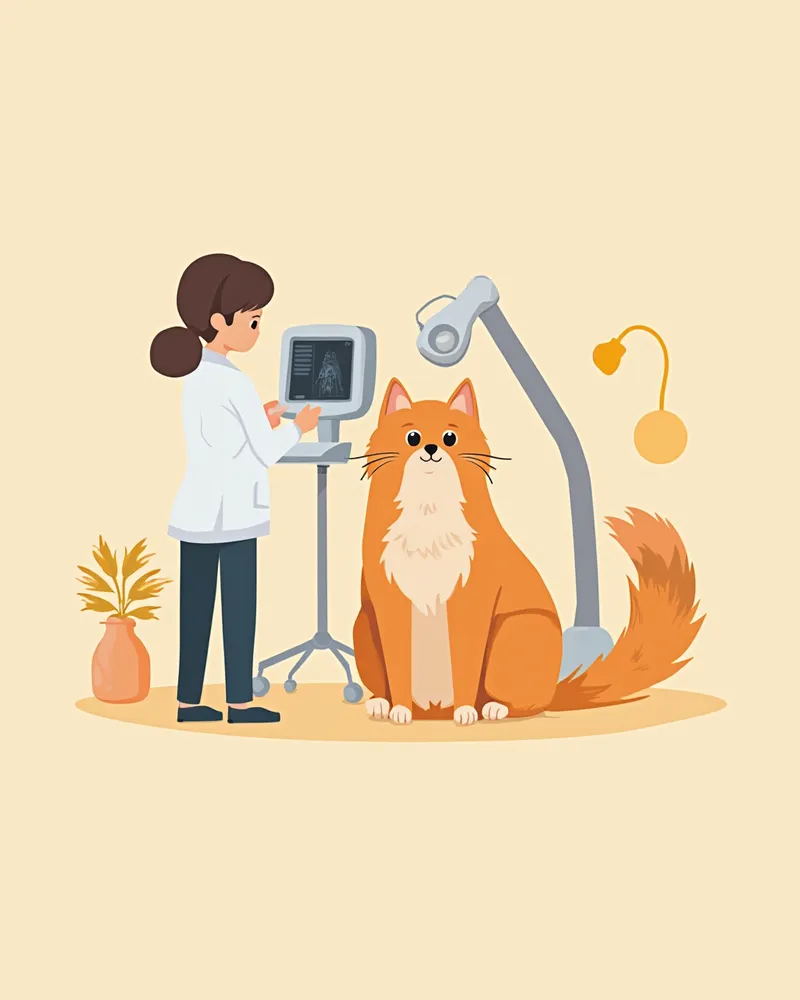
A veterinarian performing an echocardiogram on a Norwegian Forest Cat

See These Signs? Bring Your Cat In for an Early Checkup

If you notice any of the following signs, don’t wait for your next scheduled check-up—visit the clinic immediately. • Breathing faster than usual or panting with an open mouth • Sudden weakness or coldness in the hind legs (possible blood clot) • Avoiding jumps or reluctance to climb stairs • Loss of appetite lasting more than a week or sudden weight loss • Pale or purplish gums In particular, abnormal breathing and hind limb paralysis may indicate arterial thromboembolism, a complication of hypertrophic cardiomyopathy (HCM), which is a medical emergency.

A Closer Look at Cardiac Screening (HCM Screening)
The most important part of a Norwegian Forest Cat’s cardiac screening is checking for hypertrophic cardiomyopathy (HCM). HCM is the most common heart muscle disease in cats and, according to veterinary cardiology textbooks, is a hereditary condition involving genetic mutations in sarcomere proteins of the heart muscle. The most sensitive non-invasive diagnostic test is an echocardiogram (echo), which allows the veterinarian to directly assess ventricular wall thickness and rule out other causes such as hyperthyroidism and hypertension. The first screening is best performed around one year of age, and if no abnormalities are found, it should be repeated every one to two years. As the cat ages, the screening interval should be shortened, with annual checks recommended after seven years of age for safety.
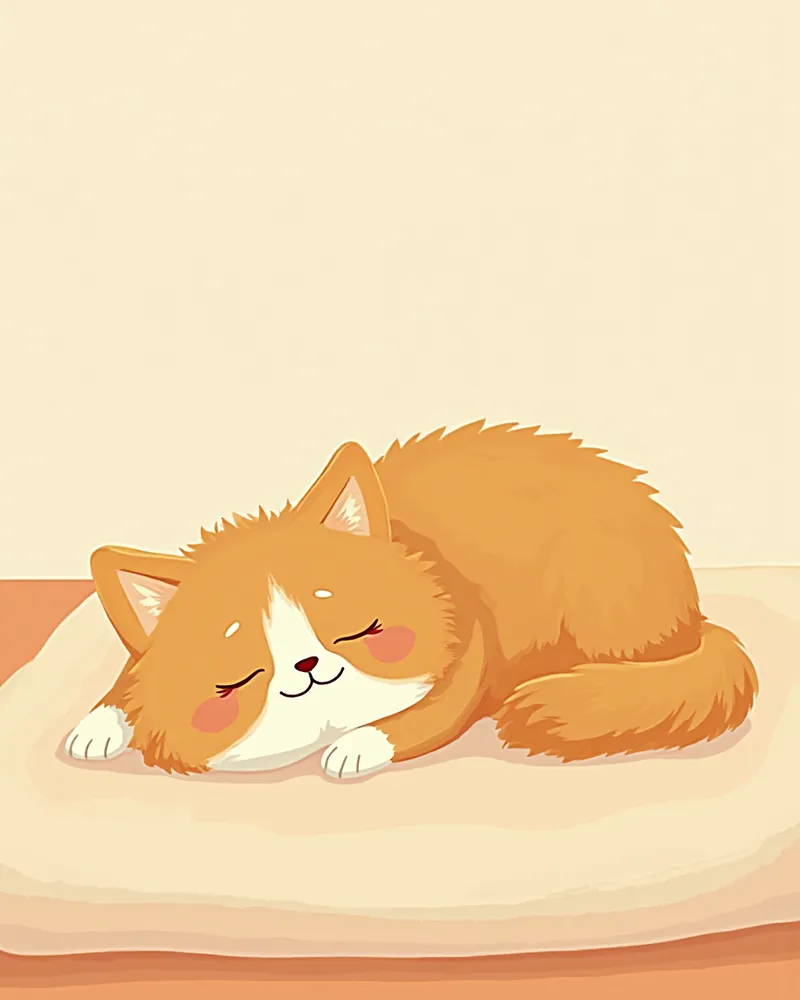
A Norwegian Forest Cat resting comfortably on an examination blanket.

Hip and Joint Exams and Genetic Testing

Norwegian Forest Cats are a large, long-haired breed, so it’s wise to prioritize joint health early on. Having an X-ray of the hips and joints around the age of one allows you to establish a proactive management plan for degenerative joint disease (arthritis) in their senior years. Since cats are adept at hiding pain, it’s important to regularly monitor for subtle signs such as changes in gait or reluctance to jump. Genetic testing is a one-time procedure that requires only a single cheek swab or blood sample. Breed-specific panels, commonly used to screen for genetic variants associated with hypertrophic cardiomyopathy, provide lifelong reference data when performed during kittenhood.

Don’t Forget Vaccines, Parasite Prevention, and Dental Care

Here are some key items to review during your cat’s regular check-ups. Core Vaccines (FVRCP and Rabies): After the initial three-dose series in kittenhood, administer a booster one year later, then follow with boosters every three years. Heartworm and External Parasite Prevention: Even indoor cats can be exposed to mosquitoes and fleas, so monthly preventive treatment is recommended for safety. Dental Check-ups: Schedule an oral examination once a year. If tartar buildup is detected, plan for professional scaling under anesthesia. Weight Monitoring: Weigh your cat at home once a month and record the results. This makes it easier to analyze weight trends during veterinary visits.

Genetic Testing Is Valid for Life After One Test

If you’ve adopted a Norwegian Forest Cat or are unsure of its lineage, a single genetic test can reveal whether your cat carries a predisposition to hypertrophic cardiomyopathy (HCM) and glycogen storage disease type IV. A positive result doesn’t mean the disease will develop immediately; instead, treat it as a cue for close monitoring. Even with a negative result, continue regular cardiac ultrasounds, as HCM can also arise from acquired or environmental factors beyond genetic mutations.

Reviewed by a veterinarian

Dr. Tony — Punnawat Phongkittirak

Dr. Tony — Punnawat Phongkittirak

Veterinarian

A veterinarian who majored in veterinary medicine at Khon Kaen University, Thailand, and completed the IVSA program at North Carolina State University in the United States. Drawing on clinical experience at animal hospitals, he works in the pet healthcare field and is dedicated to building a digital care environment that connects pet parents with veterinarians.

Frequently Asked Questions

At what age should Norwegian Forest cats begin regular veterinary check-ups?
For kittens, we recommend administering vaccines and conducting basic health checks at 1, 3, and 6 months of age, followed by their first comprehensive health examination—including blood tests and an echocardiogram—around 12 months of age. After that, annual check-ups are recommended for cats aged 1 to 6 years, while biannual check-ups are advised for cats aged 7 years and older.
Do I need to have an echocardiogram every time?
For adult cats aged 1 to 6, an echocardiogram every one to two years is sufficient. However, once they enter their senior years at age 7 and beyond, annual screenings are recommended for safety. That said, if your cat has a family history of hypertrophic cardiomyopathy or tests positive for the associated genetic mutation, we strongly advise annual check-ups.
Where can I get a genetic test done?
The test is performed at a veterinary clinic or specialized genetic testing facility using saliva or blood samples. Breed-specific panels that screen for genetic mutations associated with hypertrophic cardiomyopathy (HCM) are commonly used. The cost typically ranges from $70 to $100, depending on the specific tests included.
I’m worried about the cost of the checkup. Is there a priority order I should follow?
If I had to choose just one, I’d recommend an echocardiogram around the age of one. Hypertrophic cardiomyopathy often progresses silently and can suddenly manifest, making early detection crucial. After that, prioritize blood tests, followed by genetic testing.
Even if my pet lives indoors, do they still need vaccinations and parasite prevention?
Yes, it’s necessary. Viruses and parasites can be brought in on your clothing or shoes. Core vaccinations and monthly external parasite prevention are recommended even for indoor cats.

Share

Related Guides

References

[1] Côté E. et al., Textbook of Cardiovascular Medicine in Dogs and Cats, Chapter 11 Hypertrophic Cardiomyopathy, 2021

[2] Little S.E., The Cat: Clinical Medicine and Management, 2nd Edition, Chapter on Feline Cardiomyopathy, 2020

[3] Fossum T.W., Small Animal Surgery, Chapter on Hip Dysplasia in Cats, 5th Edition, 2019

[4] Ettinger S.J. & Feldman E.C., Textbook of Veterinary Internal Medicine, 8th Edition, 2017

This information is based on veterinary literature and does not replace diagnosis or treatment. Please consult a veterinarian for specific health concerns.

Metapet Co., Ltd. | CEO: Park Sung-yong | Business Reg. No. 417-88-02562 | Seoul, South Korea | Customer Center

Norwegian Forest Cat Checkup Schedule: Age-Specific Health Checklist | Meongsiljang