

Persian Skin Tumors: A Complete Guide — From Causes to Lifelong Skin Care
Persians are a breed with a higher incidence of skin tumors due to their long hair and brachycephalic (flat-faced) characteristics. We’ve compiled essential information for pet owners, including the most common types of tumors, key checkpoints for early detection, and lifelong skin care practices.
Why Are Persian Cats More Prone to Skin Tumors?

Top 4 Common Skin Tumors in Persians
Clinical Features of Each Tumor at a Glance
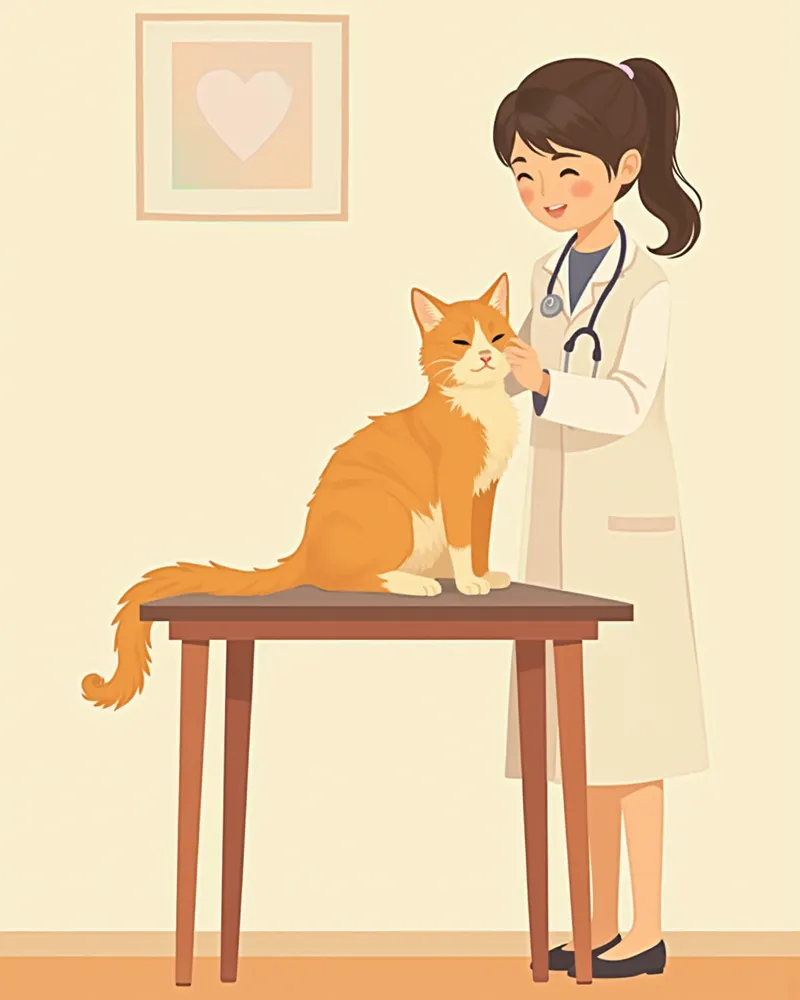
Comparison of Common Skin Tumors in Persians
| Item | Squamous cell carcinoma | Basal cell tumor | Mast cell tumor | Fibrosarcoma |
|---|---|---|---|---|
| Main sites | Nose/ear tips/eyelids | Head/neck/back | Skin of head/neck | Subcutaneous trunk/flank |
| Appearance | Ulcer/scab/bleeding | Firm round nodule | Pink/red nodule | Firm mass |
| Benign/malignant | Malignant | Mostly benign | Requires confirmation by testing | Malignant |
| Main risk factors | UV light/low-pigment coat | Old age | Unknown cause | Unknown cause |
Individual diagnosis must always be confirmed by a veterinarian's cytology/biopsy.
See a Vet Immediately for These Changes
If you notice any of the following changes, we recommend visiting a veterinary clinic within 24 to 48 hours. Skin tumors have a much better prognosis when surgically removed while still small. - Scabs or ulcers on the nose or ear tips that fail to heal for more than two weeks - A nodule that has visibly grown within the past month - A mass that bleeds or discharges fluid when touched - Sudden redness and swelling at the site of a skin nodule after it is touched (suggestive of mast cell tumor) - A firm lump developing at a previous injection site
Monthly At-Home Skin Check Checklist for Owners

Lifelong Skin Tumor Prevention and Care Tips
Persian Routine Health Check-ups — Recommended Intervals by Age
Persians are prone to developing tumors and kidney disease at a faster rate than other cats, so it is advisable to shorten the interval between health check-ups. - 0–6 years: Annual health check-up + monthly skin checks by the owner - 7–10 years: Check-ups every six months, including blood tests and abdominal ultrasound - 10+ years: Check-ups every six months, with immediate fine-needle aspiration (FNA) for any suspicious nodules Since Persians are also a breed predisposed to polycystic kidney disease (PKD), it is efficient to include a renal ultrasound during tumor screening.
Reviewed by a veterinarian

Dr. Tony — Punnawat Phongkittirak
VeterinarianA veterinarian who majored in veterinary medicine at Khon Kaen University, Thailand, and completed the IVSA program at North Carolina State University in the United States. Drawing on clinical experience at animal hospitals, he works in the pet healthcare field and is dedicated to building a digital care environment that connects pet parents with veterinarians.
Reviewed 2026-05-07
Frequently Asked Questions
I can feel a small lump on my Persian cat's skin. Does it need to be removed right away?
Are only white Persians at high risk for squamous cell carcinoma?
Is it a vaccine-associated sarcoma, or could it be a fibrosarcoma regardless of the injection site?
At what age do Persian cats begin to have an increased risk of developing tumors?
A tumor has already been diagnosed. Should we also check for other diseases commonly seen in Persians?
Share
Related Guides

Comprehensive Guide to Recommended Hospice Care and Quality of Life Management for Cats with Tumors

7 Factors Determining Prognosis and Life Expectancy in Dogs with Tumors, According to Veterinarians
7 Key Management Points for Canine Transitional Cell Carcinoma (Bladder Cancer) Recommended by Veterinarians — From Symptoms to Care

Maltese Grooming and Coat Care Guide

The Complete Guide to Scottish Fold Osteochondrodysplasia
Maine Coon HCM Screening — When and How to Get It

Stage-Specific Management of Shiba Inu Allergies

The Ultimate Guide to Mental Stimulation Activities for Border Collies

Golden Retriever Hip Guide: From Hip Dysplasia Prevention to Management
The Complete Guide to Dachshund IVDD Prevention Exercises and Environmental Management
References
[1] Little S., The Cat: Clinical Medicine and Management, 2nd Edition, Chapter 35 (Feline Renal & Skin Disorders)
[2] Ettinger SJ, Feldman EC, Cote E., Textbook of Veterinary Internal Medicine, 8th Edition
[3] Withrow & MacEwen's Small Animal Clinical Oncology, 6th Edition (Skin Tumors of Cats)
[4] Rodaski S. et al., Feline Cutaneous Neoplasia: Retrospective Study, Veterinary Dermatology