Like
Share
멍실장
시베리안 유전질환 체크리스트

7 Genetic Conditions in Siberian Cats — From Symptoms to Lifelong Care

ImmunityBreed HealthMeongsiljang Veterinary Advisory Board

We’ve compiled five genetic conditions that Siberian cats should be monitored for. We’ll focus on hypertrophic cardiomyopathy and polycystic kidney disease, sharing early warning signs and recommended screening timelines.

Why You Should Know About Genetic Conditions in Siberian Cats in Advance

A healthy Siberian cat sitting by the window
Siberians are a large, long-haired breed originating from Russia, and they require careful monitoring for genetic conditions such as hypertrophic cardiomyopathy and polycystic kidney disease. The most important step is early screening. Even if your cat appears healthy, getting an echocardiogram and a renal ultrasound around the age of one can help detect abnormalities while they are still asymptomatic. With an average lifespan of 12 to 15 years, Siberians are considered a long-lived breed, so establishing baseline health records in their youth provides valuable reference points for comparing changes as they age.

Top 5 Genetic Conditions to Watch for in Siberians

The Siberian is a naturally developed breed from Russia and is considered to have relatively good genetic diversity compared to many other breeds. While they are not considered extremely vulnerable to specific genetic diseases, it’s helpful for owners to be aware of the following points:
Hypertrophic Cardiomyopathy (HCM): This is the most common heart muscle disease in cats and has a genetic basis.
Polycystic Kidney Disease (PKD): Fluid-filled cysts develop in the kidneys, which can lead to decreased kidney function in older cats.
Regular Kidney Check-ups: Since cystic kidney disease has been reported in Siberians, regular monitoring of kidney health is recommended.
Weight and Joint Care: As a large long-haired breed, obesity can put strain on the heart and joints.
Oral Care: Dental and gum care is an important part of daily health maintenance for all cats.

Hypertrophic Cardiomyopathy (HCM), the Condition to Most Closely Monitor in Siberians
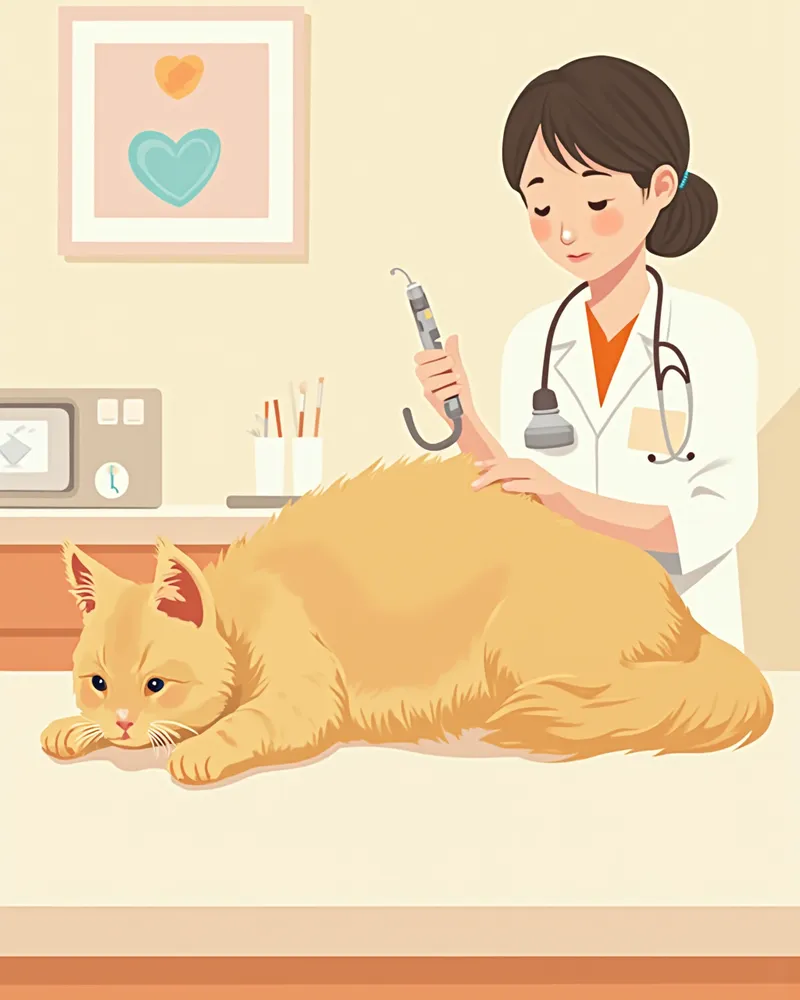
Hypertrophic cardiomyopathy is a condition in which the wall of the left ventricle of the heart becomes abnormally thick, impairing the heart’s ability to pump effectively. According to veterinary cardiology textbooks, feline hypertrophic cardiomyopathy follows an autosomal dominant inheritance pattern with incomplete penetrance and variable expression, and the breeds most commonly reported to have a high incidence are the Maine Coon and the Ragdoll. Although the condition can also occur in other breeds, including the Siberian, there is insufficient evidence to definitively conclude that the incidence is higher in Siberians. In Maine Coons and Ragdolls, individuals homozygous for the causative mutation are at risk of severe disease progression at a young age; by the time signs such as rapid breathing, lethargy, or hindlimb paralysis appear, the disease may already be advanced. Therefore, the most reliable approach is early screening via cardiac echocardiography around one year of age, while the cat is still asymptomatic.
A Siberian cat undergoing an echocardiogram

Seek Immediate Veterinary Care If You See These Signs

The following symptoms indicate that hypertrophic cardiomyopathy has progressed or that an acute complication has developed. Seek immediate care at a 24-hour veterinary hospital. • Open-mouth panting (mouth breathing) • A resting respiratory rate exceeding 40 breaths per minute • Sudden weakness or coldness in the hind limbs (thromboembolism) • Severe lethargy and purple discoloration of the gums • Sudden collapse or fainting

Polycystic Kidney Disease (PKD), Requires Monitoring Through Senior Years

Polycystic kidney disease (PKD) is a genetic disorder in which fluid-filled sacs (cysts) gradually enlarge within the kidney tissue, impairing renal function. It is most common in Persian-type cats and is inherited in an autosomal dominant pattern, with cases of the PKD2 variant also reported in Siberians. Affected cats often appear normal in their youth, but after reaching maturity, they may develop signs of chronic kidney disease, such as loss of appetite, weight loss, and increased thirst and urination. The presence of cysts can be confirmed via renal ultrasound. Since there is currently no specific curative treatment, it is essential to provide supportive management for the associated chronic kidney disease and to undergo regular follow-up examinations.
An elderly Siberian cat resting beside its water bowl

Siberian Genetic Disease Screening Timelines at a Glance

ItemHypertrophic cardiomyopathyPolycystic kidney disease (ultrasound)Polycystic kidney disease (genetic)
Testing methodEchocardiographyRenal ultrasoundDNA genetic test (PKD2)
Timing of first testAround 12 months of ageFrom a young ageRight after adoption
Retesting interval1–2 years1–2 yearsOnce is sufficient
Manageable with early detectionTrueTrueTrue

Test costs and schedules may vary by animal hospital

Fel d1 and the "Hypoallergenic" Misconception About Siberians

Siberians are known to produce lower levels of the allergenic protein Fel d1 compared to other breeds, but they are not completely safe "hypoallergenic" cats. The American Academy of Allergy, Asthma & Immunology states that all cats produce Fel d1, with significant individual variation. The most reliable approach is for prospective owners to spend at least 30 minutes interacting with a Siberian before adoption to check for any allergic reactions. If any family members have asthma or atopic dermatitis, we recommend undergoing an allergy test before bringing the cat home.

Health Care Points to Keep in Mind in Daily Life

In addition to genetic disease testing, there are several key care points for Siberian cat owners to keep in mind in their daily routine.
Respiratory Rate Check: Measure your cat’s breathing rate while sleeping once a month to ensure it stays at 30 breaths per minute or less.
Weight Management: Although they are a large breed, obesity can put undue strain on the heart and joints.
Adequate Hydration: To reduce the burden on the kidneys, use automatic water fountains and wet food.
Grooming: Brush your cat’s coat two to three times a week to prevent hairballs, given their triple-layered fur.
Dental Care: Establish a tooth-brushing routine from an early age to prevent periodontal disease.
A guardian gently brushing a Siberian cat

Documents to Verify Before Adoption

When adopting from a reputable cattery, be sure to request the following documents. If there is no genetic disease screening record for the parent cats, further evaluation may be necessary. • Echocardiogram results for hypertrophic cardiomyopathy in the parent cats • Ultrasound or DNA test results for polycystic kidney disease in the parent cats • DNA test results for pyruvate kinase deficiency • Pedigree certificates from recognized registries such as TICA or CFA • Vaccination and deworming records

Reviewed by a veterinarian

Dr. Tony — Punnawat Phongkittirak

Dr. Tony — Punnawat Phongkittirak

Veterinarian

A veterinarian who majored in veterinary medicine at Khon Kaen University, Thailand, and completed the IVSA program at North Carolina State University in the United States. Drawing on clinical experience at animal hospitals, he works in the pet healthcare field and is dedicated to building a digital care environment that connects pet parents with veterinarians.

Frequently Asked Questions

Are Siberians truly hypoallergenic?
No cat is truly hypoallergenic. Some cats simply produce less Fel d1, but reactions vary from person to person. It’s safest to meet the cat in person before deciding to adopt.
When should screening for hypertrophic cardiomyopathy begin?
I recommend the first echocardiogram around the age of one. If no abnormalities are found, follow-up exams should be done every one to two years, with shorter intervals as the dog ages.
What is the average lifespan of a Siberian cat?
The average lifespan is generally considered to be around 12 to 15 years. However, with early management of genetic conditions and proper healthcare, some dogs may live even longer.
What kind of food should I feed my pet?
High-quality, low-sodium food that reduces the burden on the heart and kidneys is recommended. After the age of one, add wet food at least once a day to ensure adequate hydration.
How much does a genetic test cost?
The cost for a DNA test for hypertrophic cardiomyopathy ranges from $40 to $70, an echocardiogram from $100 to $200, and a renal ultrasound from $70 to $100. Please note that prices may vary depending on the clinic.

Share

Related Guides

References

[1] August's Consultations in Feline Internal Medicine, Volume 7

[2] The Cat: Clinical Medicine and Management, 2nd Edition - Susan Little

[3] Textbook of Cardiovascular Medicine in Dogs and Cats - Feline HCM Chapter

[4] Feline Emergency and Critical Care Medicine, 2nd Edition

[5] Gandolfi B et al., A novel mutation in CMAH is associated with blood type AB in Ragdoll cats, 2016

This information is based on veterinary literature and does not replace diagnosis or treatment. Please consult a veterinarian for specific health concerns.

Metapet Co., Ltd. | CEO: Park Sung-yong | Business Reg. No. 417-88-02562 | Seoul, South Korea | Customer Center

7 Genetic Diseases in Siberian Cats: Symptoms and Lifelong Care | Meongsiljang