
Cocker Spaniel Ear Care (Prone to Otitis Externa)
Cocker Spaniels are highly prone to otitis externa due to their floppy ears and excessive glandular secretions. We’ve put together essential ear care tips for owners, covering everything from daily cleaning routines to recognizing emergency warning signs.
Why Is Ear Care Especially Important for Cocker Spaniels?
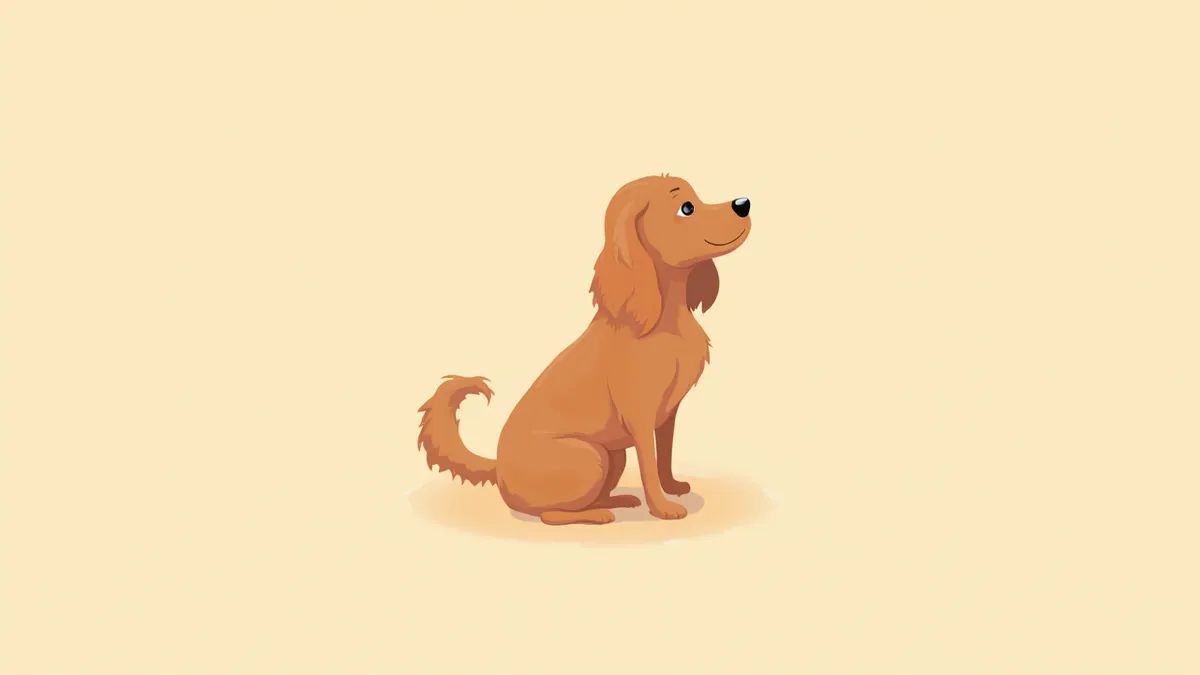
Characteristics of the Cocker Spaniel Ear Structure
Checklist for Early Signs of Otitis Externa
When to Visit the Vet Immediately
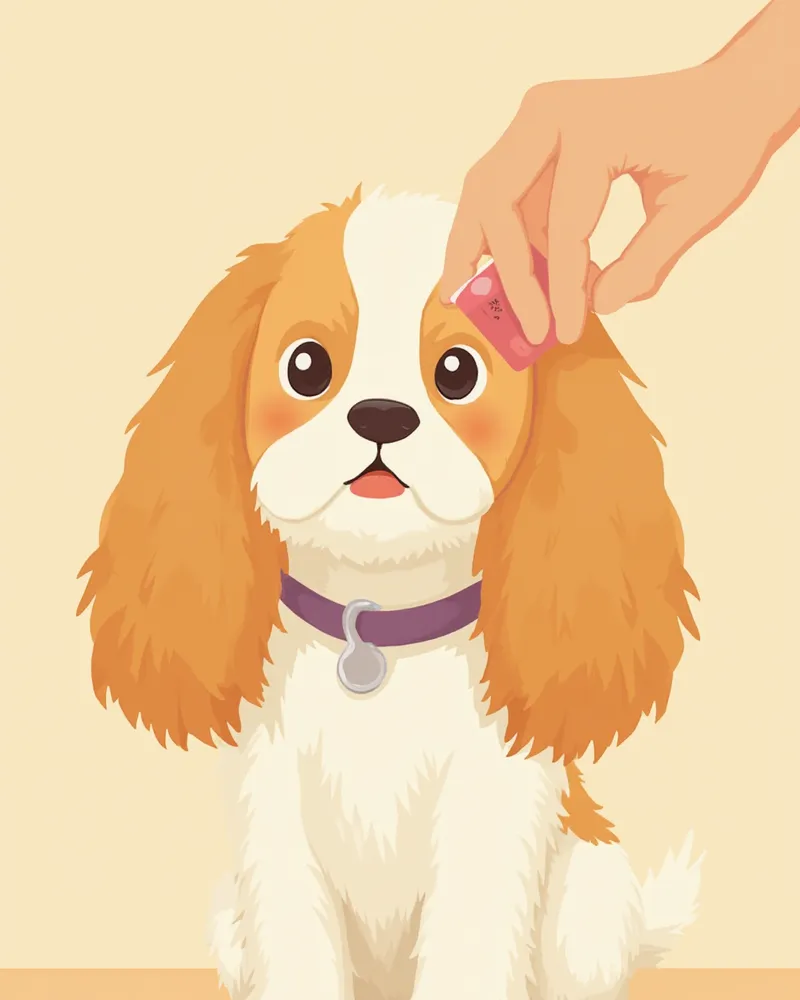
If you notice any of the following symptoms, stop home care and visit a veterinary clinic immediately. Delaying treatment can lead to progression to otitis media or otitis interna, or result in hearing loss. - Pus-like discharge (yellow, sticky pus) is present - Bleeding from the ear or a severe foul odor is noticeable - The head is tilted to one side or the pet is staggering - The pet screams or becomes aggressive when the ear is touched - Ear symptoms are accompanied by fever and loss of appetite
Comorbidities to Watch Out For
Proper Ear Cleaning Method (1–2 Times Weekly)
Never Use Cotton Swabs
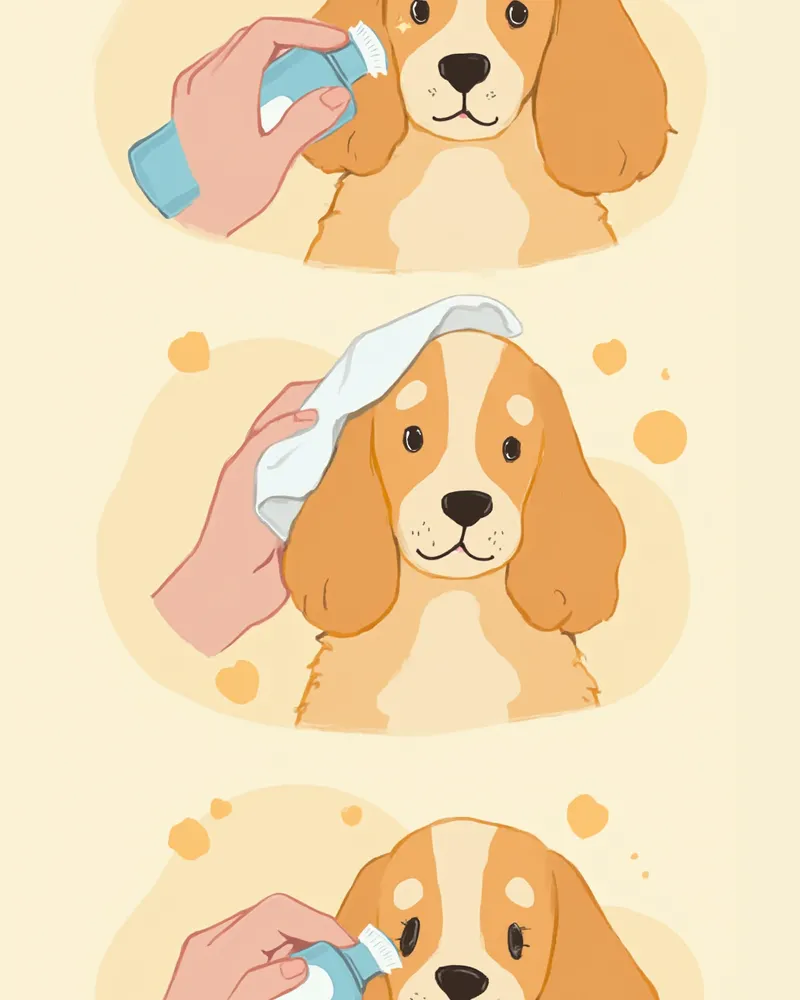
Inserting cotton swabs into the ear canal can push earwax deeper, worsening otitis externa and potentially damaging the eardrum in severe cases. Clean only the visible outer ear with a cotton ball or gauze, and use a specialized ear cleaner along with gentle massage to draw out debris from the inner ear. Never use irritating liquids such as alcohol, hydrogen peroxide, or undiluted vinegar.
Daily Prevention Habits
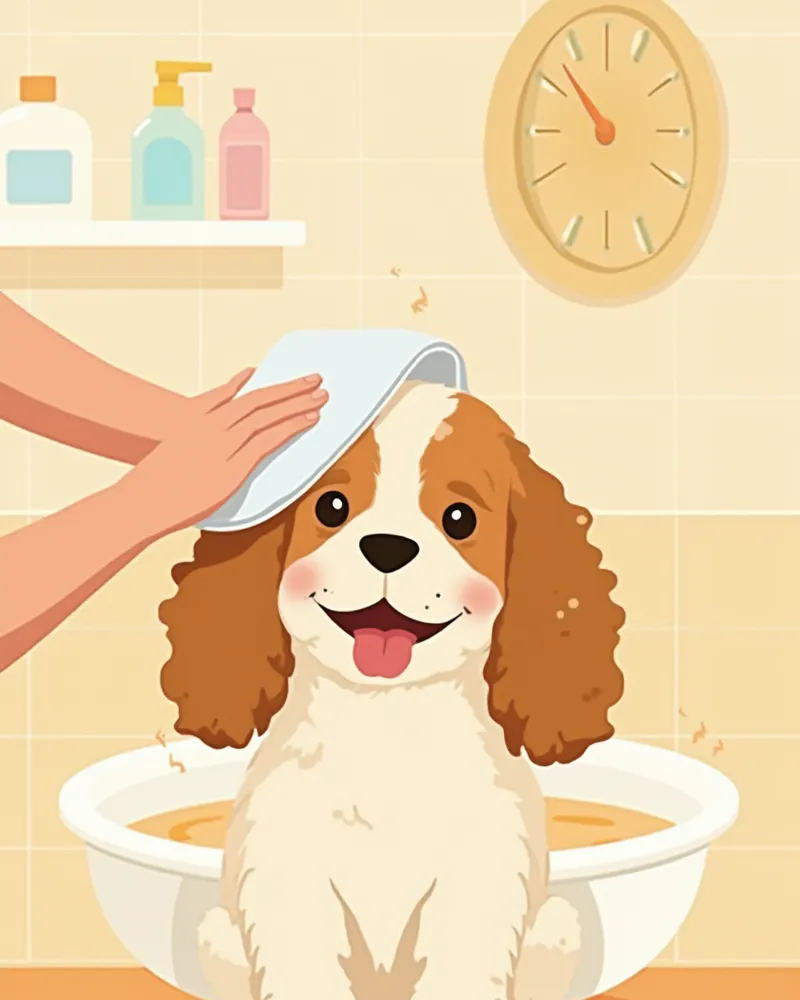
If Recurrence Is Frequent, Find the Underlying Cause
Chronic otitis externa in Cocker Spaniels is rarely just a hygiene issue; it often stems from underlying causes such as allergies, hormonal imbalances, or glandular hyperplasia. If the condition keeps recurring despite repeated prescriptions of the same medication, it’s essential to identify the root cause through skin allergy testing, cytology of ear discharge, and elimination diet trials. We recommend consulting a veterinary dermatologist.
Reviewed by a veterinarian

Dr. Tony — Punnawat Phongkittirak
VeterinarianA veterinarian who majored in veterinary medicine at Khon Kaen University, Thailand, and completed the IVSA program at North Carolina State University in the United States. Drawing on clinical experience at animal hospitals, he works in the pet healthcare field and is dedicated to building a digital care environment that connects pet parents with veterinarians.
Reviewed 2026-04-30
Frequently Asked Questions
How often should you clean a Cocker Spaniel’s ears?
Should I pluck the hair from my pet’s ears?
I’ve finished the ear infection medication, but it’s come back. Why is that happening?
Can I clean with commercially available vinegar or alcohol?
Is it okay to let them swim?
Share
Related Guides
Top 5 Medicated Dog Shampoos — For Pyoderma and Bacterial Infections

Veterinarian-Recommended Top 5 Medicated Shampoos for Canine Yeast Dermatitis — Relieves Itching and Greasiness
Top 5 Medicated Cat Shampoos Recommended by Veterinarians — Fungal Dermatitis and Fungal Care

Golden Retriever Hip Guide: From Hip Dysplasia Prevention to Management
The Complete Guide to Dachshund IVDD Prevention Exercises and Environmental Management
The Complete Guide to Respiratory Care for Brachycephalic Shih Tzus

Differences by Poodle Coat Color (Apricot, Black, Silver)
Poodle Patellar Luxation — A Complete Guide from Symptoms and Grading to Surgery and Rehabilitation

Maltese Eye Conditions (PRA and Corneal Ulcers)
American Shorthair Health Care (HCM & Obesity)
References
[1] BSAVA Manual of Canine and Feline Dermatology, 4th Edition - Otitis Externa Chapter
[2] Clinical Atlas of Canine and Feline Ophthalmic Disease, 2nd Edition
[3] The Veterinary Workbook of Small Animal Clinical Cases - Case 30