Like
Share
멍실장
러시안블루 비만 관리 (호발 품종)

Russian Blue Obesity Management (Prone Breed)

WeightBreed HealthMeongsiljang Veterinary Advisory Board

Russian Blues are prone to obesity due to their strong appetite and low activity levels. Here’s a summary of their ideal weight, along with diet and exercise management tips.

What is Obesity in Russian Blues?
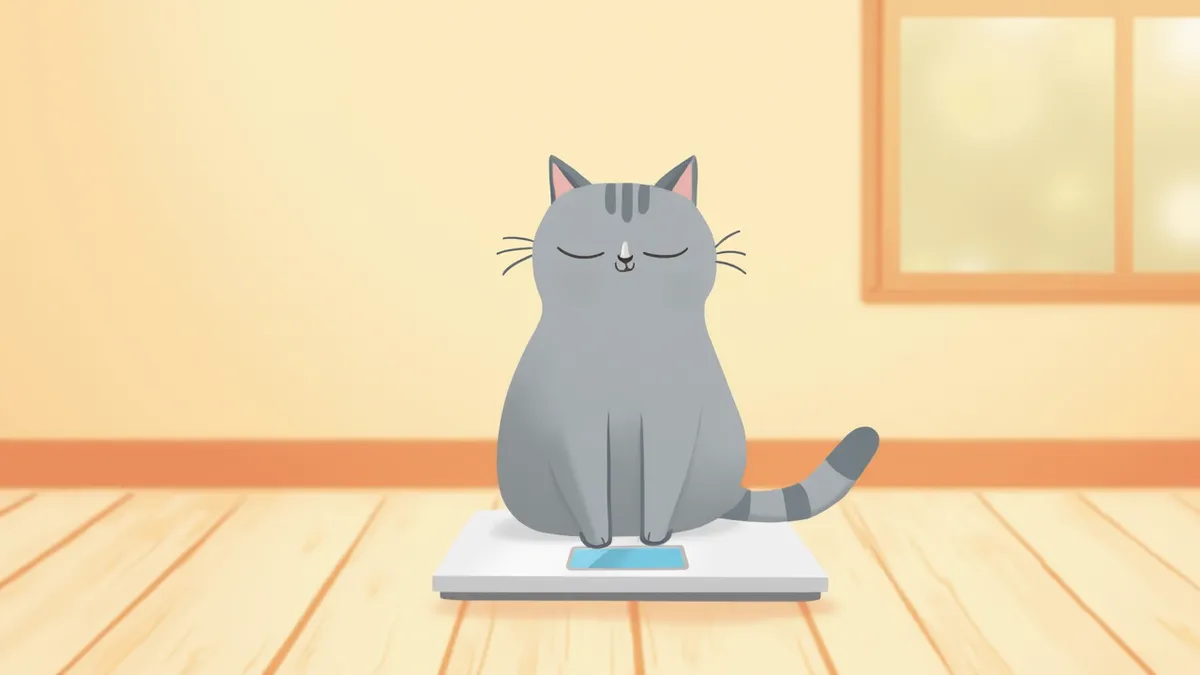
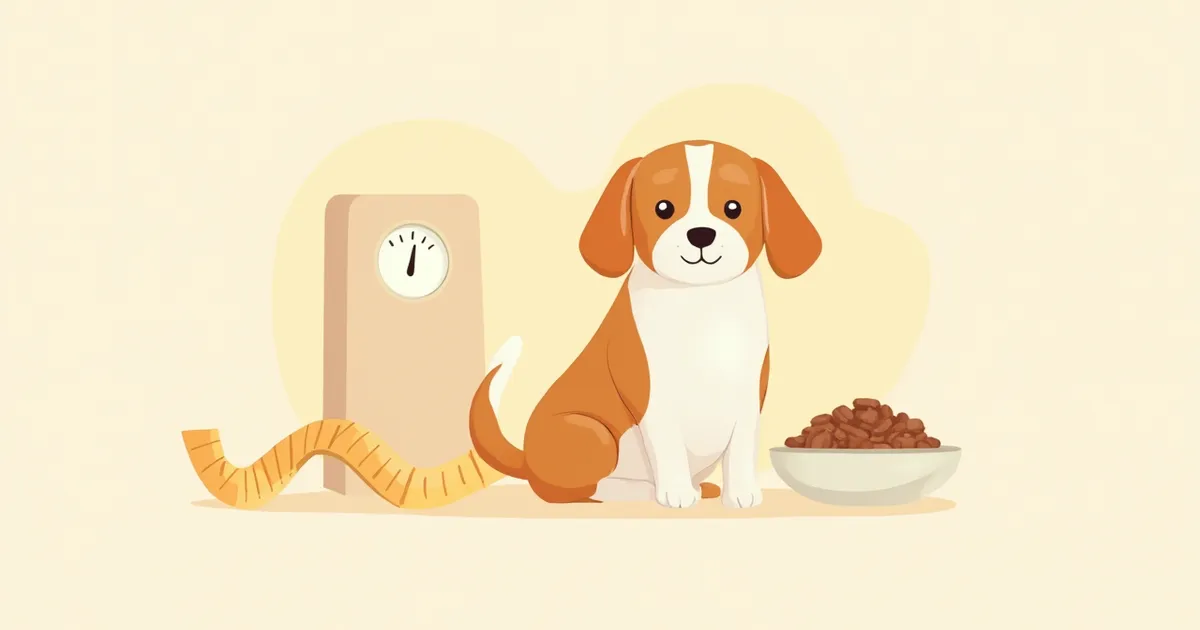
A Russian Blue cat sitting on a scale
Obesity in Russian Blues occurs when calorie intake consistently exceeds calorie expenditure, leading to excessive fat accumulation. Generally, a cat is considered overweight if it exceeds its ideal body weight by 10–20%, and obese if it exceeds it by more than 20%. Weight management is key. However, rather than relying solely on the number on the scale, a Body Condition Score (BCS) assessment—feeling for the ribs with your hands and observing the waistline from above—provides a more accurate evaluation. Obesity is not merely about being overweight; it can lead to serious health issues such as diabetes, joint disease, and cardiovascular strain. Therefore, it is important to weigh your cat monthly and adjust their diet to consistently maintain an ideal body condition.

Why Russian Blues Are Prone to Obesity

It’s difficult to confirm with veterinary textbooks that Russian Blues have a significantly higher obesity rate than other short-haired breeds. However, obesity occurs when excessive calorie intake and insufficient activity coincide, and these factors commonly apply to Russian Blues as well. First, free-feeding can lead them to eat more than necessary, easily exceeding their caloric needs. Second, their calm and quiet nature often results in limited indoor activity. Third, their dense double coat can mask weight gain, making it easy for owners to overlook obesity until it’s advanced. Therefore, it’s important to assess body condition by feeling the ribs rather than relying solely on visual inspection.

Ideal Weight and Obesity Signs in Russian Blues
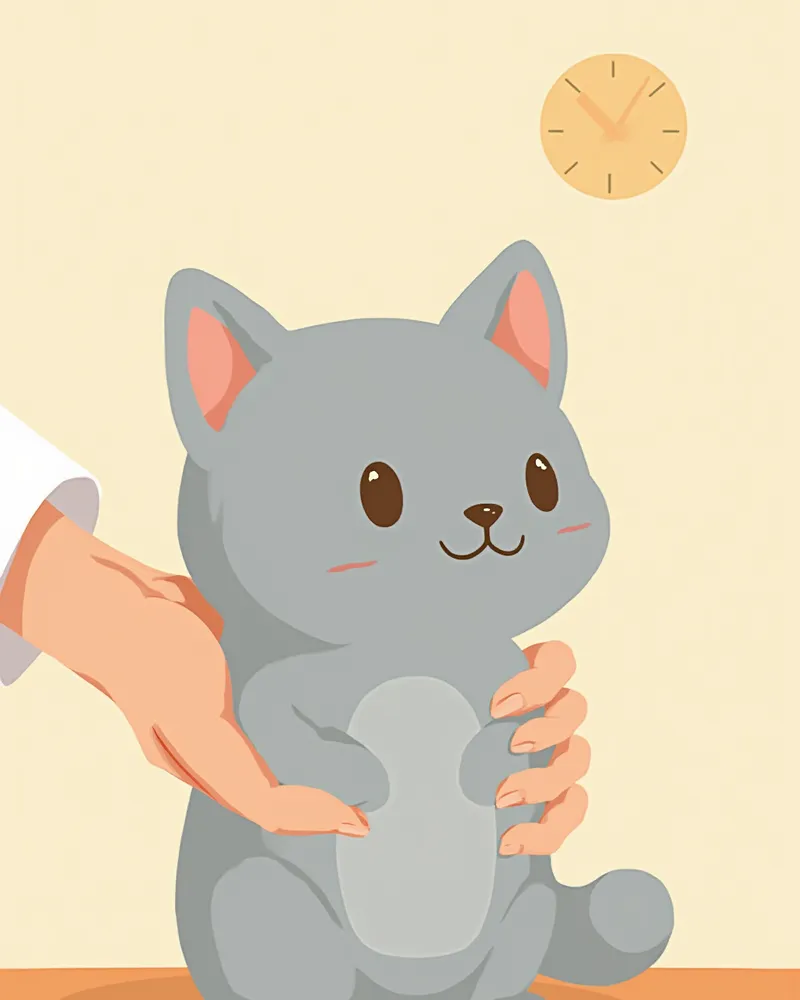
Adult Russian Blues typically weigh 3.0–4.5 kg for females and 4.0–5.5 kg for males, but because individual variation in skeletal structure and body build is significant, relying solely on weight figures to determine obesity can be misleading. Therefore, a hands-on visual body condition score (BCS) assessment is more accurate. Consider the possibility of obesity if you notice any of the following signs: - Difficulty palpating ribs: The ribs are covered by a layer of fat and are not easily felt when you run your hand along the sides. - Loss of waistline: When viewed from above, there is no visible waist taper behind the ribs; instead, the silhouette appears straight or rectangular. - Abdominal distension and sagging: When viewed from the side, the abdomen appears rounded and hangs down, with a thick layer of abdominal fat. - Grooming difficulties: The cat struggles to reach its back or hindquarters for grooming, resulting in matted fur.
Palpating the ribs of a Russian Blue cat

Go to the Vet Immediately If You See These Signs

If an overweight Russian Blue refuses food for more than 24 hours, the risk of fatty liver disease (hepatic lipidosis) is very high. Additionally, if a male cat frequently visits the litter box but cannot urinate, it is a medical emergency indicating urethral obstruction. Obesity in cats can also lead to diabetes, arthritis, and increased cardiac strain, so seek veterinary care immediately if you notice excessive thirst or labored breathing.

Common Diseases in Russian Blues Caused by Obesity

Obesity isn’t just about extra weight; it’s a chronic condition that affects the entire body. Overweight cats have a higher risk of developing type 2 diabetes compared to cats with a healthy body condition, and they may progress from metabolic syndrome to increased cardiovascular strain. Excess weight also puts stress on the joints, making degenerative joint disease more likely—one study even found that obese cats are more prone to limping than their normal-weight counterparts. Poor grooming can lead to skin and coat issues, and even a few days of reduced appetite can significantly increase the risk of fatty liver disease (hepatic lipidosis), so vigilance is key. Since obesity can impact overall health and lifespan, proactive weight management is essential.

BCS Criteria by Body Condition Stage for Russian Blues

ItemUnderweight (BCS 3)Ideal (BCS 5)Overweight (BCS 7)Obese (BCS 9)
RibsClearly visibleEasily palpableThick fat layerNearly impossible to palpate
WaistlineExcessively tuckedModerately tuckedBarely presentCompletely absent
AbdomenSeverely tucked upSlightly tucked upLevel or saggingSeverely sagging
ActionWeight gain neededMaintainReduce weight 5–10%Consult a veterinarian

BCS (Body Condition Score) is based on the 9-point scale.

Key Points for Russian Blue Diet Management
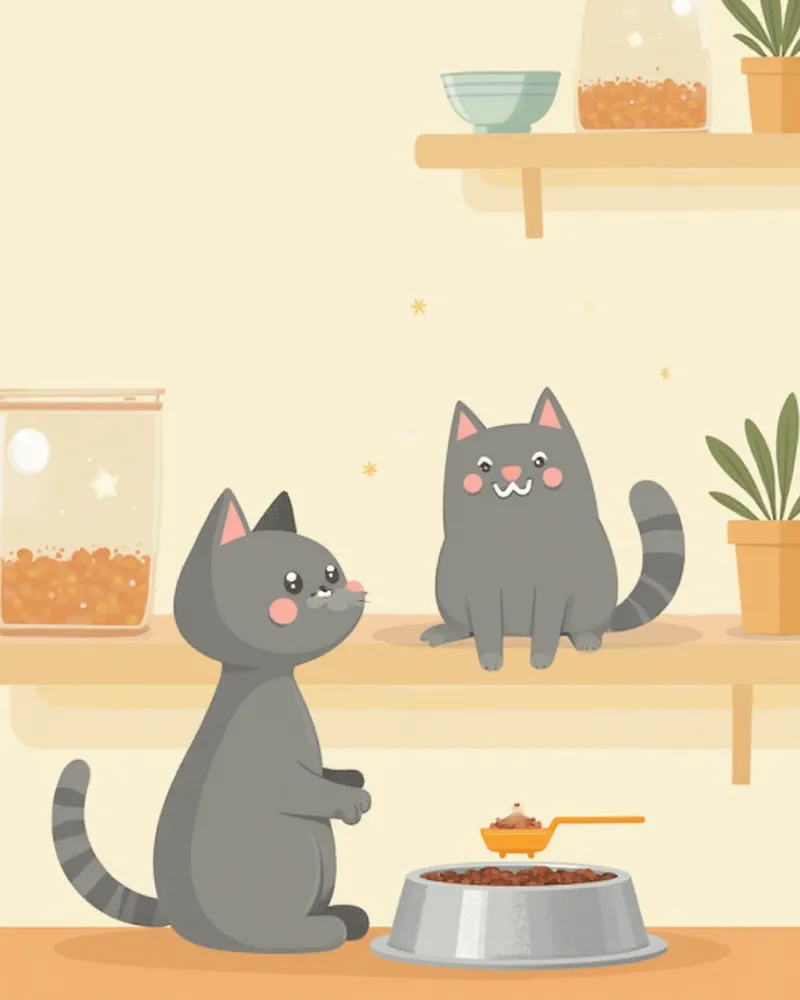
Avoid free-feeding and instead establish a daily caloric target, dividing the total into two to three measured meals. - Calorie calculation: Determine the daily caloric requirement based on your pet’s ideal body weight and activity level, but consult your veterinarian to pinpoint the exact portion size. - For weight loss: Begin with a calorie intake slightly below maintenance levels, then adjust gradually while monitoring weight changes. - Low-carbohydrate focus: Diets with a reduced carbohydrate content can support weight and blood sugar management. - Treat limitation: Keep treats to no more than 10% of the daily total caloric intake. - Automatic feeders: Using an automatic feeder to dispense measured portions at set times can effectively prevent overeating.
Measuring out kibble for portion-controlled feeding

Creating an Indoor Environment to Increase Activity

Russian Blues are naturally agile and curious, so providing an enriched environment will encourage them to be more active on their own. We recommend a cat tower at least 1.5 meters tall with multiple levels for jumping. Placing food bowls on top of the cat tower or in a different room can also stimulate their natural hunting instincts. Playing with feather wands or laser pointers for 10–15 minutes, twice a day, helps burn calories and reduce stress.

Rapid Weight Loss Can Be Dangerous

Cats can develop fatty liver disease if they suddenly stop eating or experience a rapid drop in calorie intake. For Russian Blues, a safe weight loss rate is 0.5–1% of body weight per week, or about 1–2% per month. For a 5 kg cat, losing 50–100 g per month is appropriate. Always consult your veterinarian to monitor weight and body fat, and use prescription diet food for a safe weight management plan.

Reviewed by a veterinarian

Dr. Tony — Punnawat Phongkittirak

Dr. Tony — Punnawat Phongkittirak

Veterinarian

A veterinarian who majored in veterinary medicine at Khon Kaen University, Thailand, and completed the IVSA program at North Carolina State University in the United States. Drawing on clinical experience at animal hospitals, he works in the pet healthcare field and is dedicated to building a digital care environment that connects pet parents with veterinarians.

Frequently Asked Questions

At what weight in kilograms is a Russian Blue considered obese?
Because ideal body weight varies significantly among individual dogs, it’s difficult to set a strict cutoff point for obesity based solely on kilograms. Generally, a dog is considered overweight if they exceed their ideal weight by 10–20%, and obese if they exceed it by more than 20%. However, the most accurate approach is to assess body condition using the Body Condition Score (BCS), which evaluates whether the ribs can be easily felt and whether the waist appears tapered when viewed from above, rather than relying on weight numbers alone.
I switched to a diet food, but my cat keeps meowing and asking for more food.
Russian Blues have a strong appetite and may become insistent if their food portions are reduced. Try decreasing the amount per meal while increasing the frequency (4–5 times daily), or use a prescription diet high in dietary fiber to enhance satiety. Redirecting their attention through play can also help.
My pet has a personality that dislikes exercise. How can I increase their activity level?
Environmental enrichment is more effective than forced exercise. Encourage your cat to move naturally by providing a cat tree, a sunny spot by the window, and puzzle feeders. Short, engaging play sessions with feather toys that stimulate their hunting instincts are ideal.
It seems like my pet is gaining more weight after being neutered.
That's right. After neutering, your cat's energy requirements (basal metabolic rate) decrease, making it easier to gain weight even when eating the same amount of food. Therefore, it's a good idea to slightly reduce the portion size right after the procedure and monitor weight changes to adjust calorie intake accordingly. If needed, using a diet specifically formulated for neutered cats can also be helpful.
Is it okay to give my pet small amounts of human food?
Even just one or two pieces of human food can easily exceed 10% of a 5 kg cat’s daily caloric needs. Seasonings and salt also put extra strain on the kidneys. If you want to give treats, offer only small amounts of unflavored, additive-free options like freeze-dried chicken breast.

Share

Related Guides

References

[1] Little, S.E., The Cat: Clinical Medicine and Management, 2nd Edition, 2024

[2] Ettinger, S.J., Clinical Medicine of the Dog and Cat, 4th Edition

[3] Courcier EA, Mellor DJ, Pendlebury E, et al., An investigation into the epidemiology of feline obesity

[4] Horwitz, D.F., Introduction to Animal Behavior and Veterinary Behavioral Medicine

This information is based on veterinary literature and does not replace diagnosis or treatment. Please consult a veterinarian for specific health concerns.

Metapet Co., Ltd. | CEO: Park Sung-yong | Business Reg. No. 417-88-02562 | Seoul, South Korea | Customer Center

Russian Blue Obesity Management: A Prone Breed's Weight | Meongsiljang