Like
Share
멍실장
저먼 셰퍼드 고관절·팔꿈치 이형성 — 평생 관리와 검진 시점

German Shepherd Hip and Elbow Dysplasia — From Screening Timing to Lifelong Management

JointBreed HealthMeongsiljang Veterinary Advisory Board

German Shepherds are a large working breed genetically predisposed to hip and elbow dysplasia. Early screening starting at four months of age, along with lifelong management of weight, exercise, and nutrition, is key to slowing joint degeneration.

German Shepherds and Joint Dysplasia: Why Lifelong Management Is Important
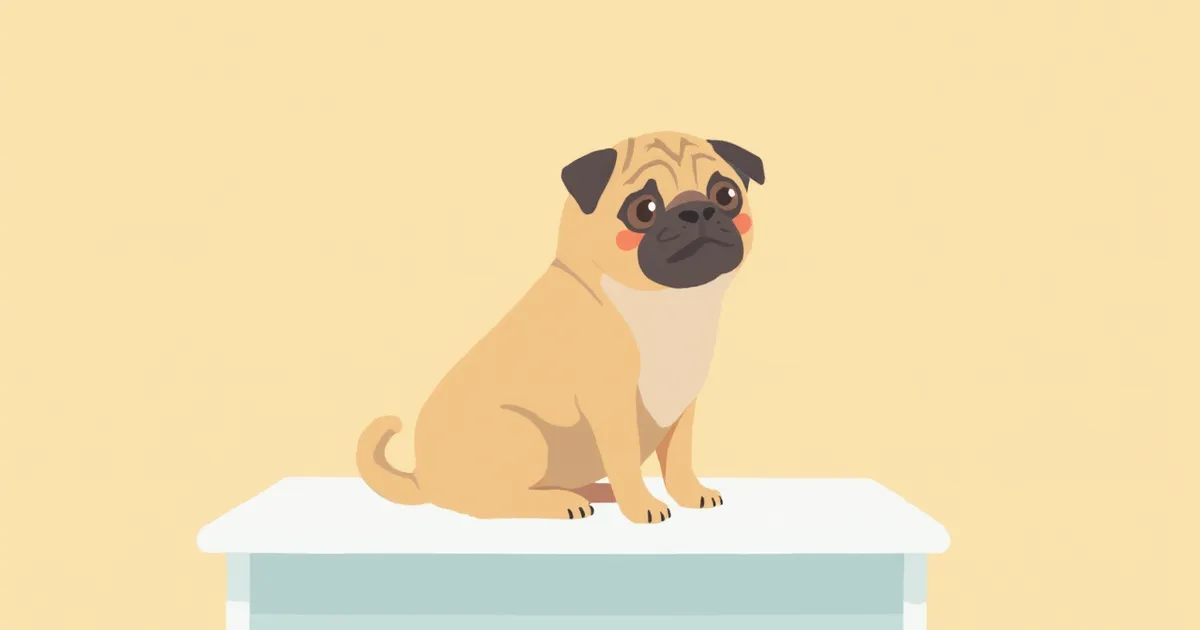
A young German Shepherd sitting in a veterinary clinic examination room
German Shepherds are large-breed dogs that require careful monitoring for developmental joint disorders such as hip and elbow dysplasia. Hip dysplasia is a progressive degenerative condition in which the structures supporting the joint become loose, gradually leading to osteoarthritis and pain. Clinical signs typically become apparent between 4 and 12 months of age and again after 5 years of age, making it essential to have a veterinary orthopedic evaluation of joint health from an early age. Managing weight, exercise, and nutrition together can help reduce joint stress and slow the progression of pain, meaning that early intervention by the owner plays a crucial role in determining the dog’s quality of life throughout its lifespan.

Why Do German Shepherds Have a High Incidence of Dysplasia?

German Shepherds are large-breed dogs, and hip dysplasia is a condition commonly seen in large and giant breeds. This disorder occurs when the muscles, connective tissues, and ligaments supporting the hip joint become lax, leading to subluxation of the joint. The resulting abnormal wear and erosion cause osteoarthritis and pain. While genetic predisposition plays a foundational role, non-genetic factors such as nutritional status, rapid growth rate, body conformation, exercise level, and muscle mass also contribute to the onset and progression of the disease. In particular, free-feeding puppies and allowing them to grow too rapidly increases the risk, whereas maintaining a lean body condition helps reduce it.

Signs of Hip Dysplasia

Symptoms of hip dysplasia vary by stage. Catching the signs early can help slow the progression. - Bunny hopping: A gait where the hind legs are held together and the pet hops like a rabbit - Difficulty standing: Trembling or hesitation when rising from a lying position - Avoiding stairs and jumps: Suddenly refusing to climb stairs or jump onto furniture, such as sofas, that were previously used without issue - Hind limb muscle atrophy: Noticeable thinning of the thigh muscles on one side - Asymmetrical gait: A waddling walk that appears to swing one hip during walks
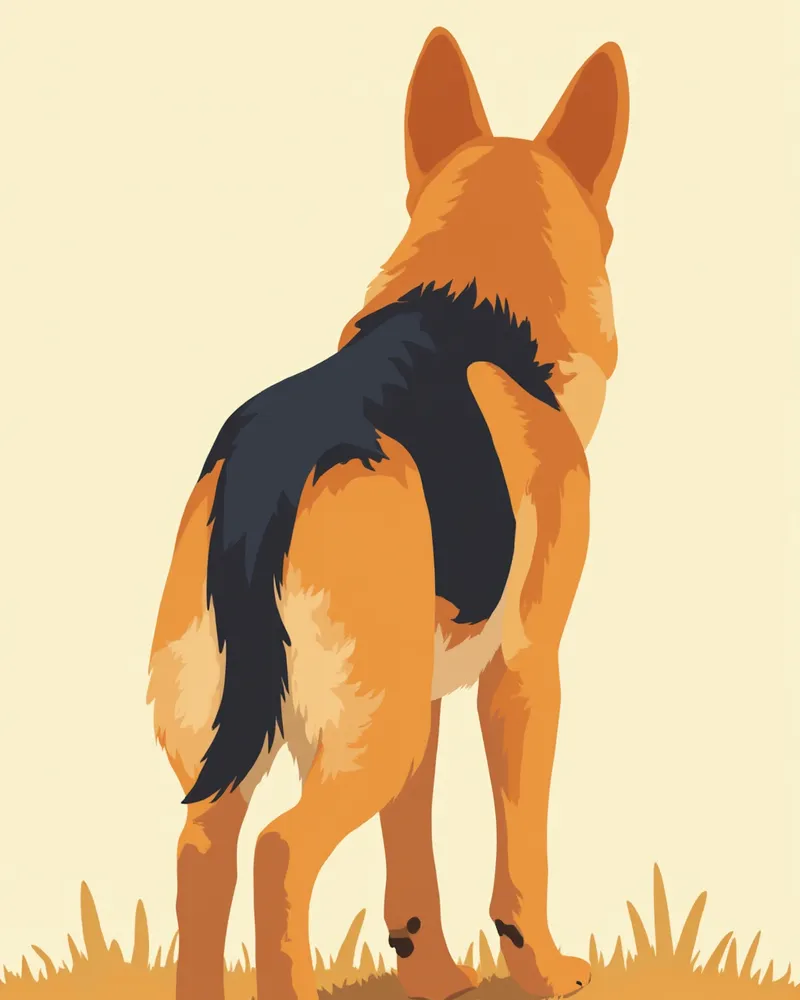
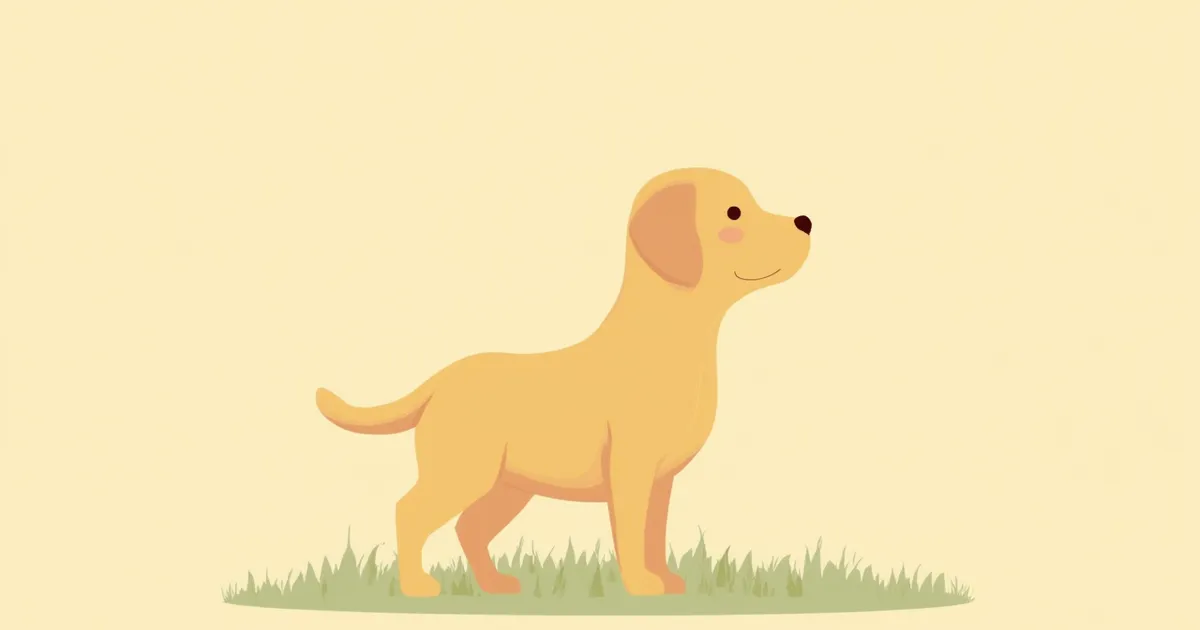
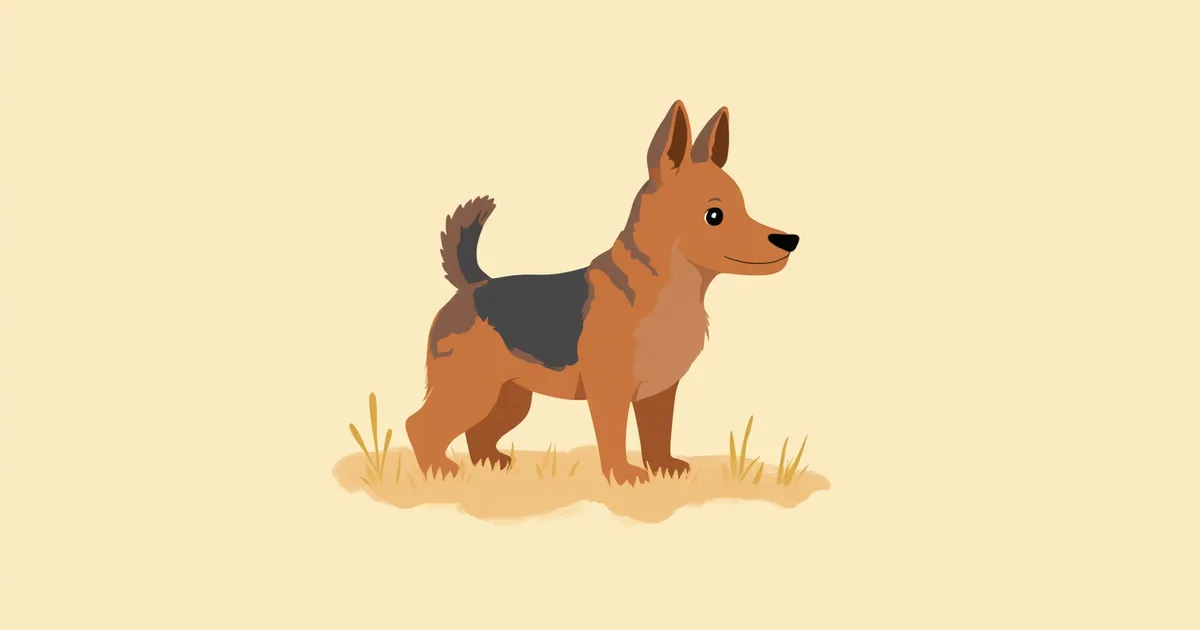
The hind limb gait of a German Shepherd walking on a grassy field

Signs Requiring Immediate Orthopedic Care

If any of the following signs persist for more than 24 hours in a young German Shepherd, seek immediate orthopedic care: non-weight-bearing lameness (lifting one leg completely while walking), vocalizing or biting when touched due to pain, and fever accompanied by loss of appetite. These symptoms may indicate not only hip dysplasia but also fractures or joint infections.

Elbow Dysplasia Should Also Be Screened

Elbow dysplasia is an umbrella term for a group of developmental disorders in which the bones that make up the front elbow joint fail to develop and articulate normally. It occurs in large-breed dogs and is best evaluated alongside hip dysplasia, so we recommend screening both joints in large breeds such as German Shepherds. Early signs include sitting or standing with the front legs splayed outward, limping on one or both front legs, reluctance to play, and frequent lying down. As the condition becomes chronic, noticeable loss of muscle mass in the front legs may occur.

Hip Dysplasia vs. Elbow Dysplasia — At a Glance

ItemHip dysplasiaElbow dysplasia
Main symptomsBunny hopping, difficulty rising, hip swayForeleg limping, forepaw abduction
Affected siteHip joint (femoral head + acetabulum)Elbow joint (humerus + radius + ulna)
Diagnostic methodPhysical exam (Ortolani test) + radiographs (ventrodorsal, distraction positions)Radiographs (flexed lateral), CT, arthroscopy
Timing of examinationGrading becomes clearer as the skeleton maturesDiagnosable after about 5 months (20 weeks) of age
Main factorsGenetic predisposition + non-genetic factors such as nutrition, growth rate, body size, and exerciseDevelopmental disease of abnormal bone union (genetic predisposition involved)

For large breeds like Shepherds, it's best to evaluate both joints together. Check both the hip and elbow in a single examination.

Screening Timing — Starting at Four Months
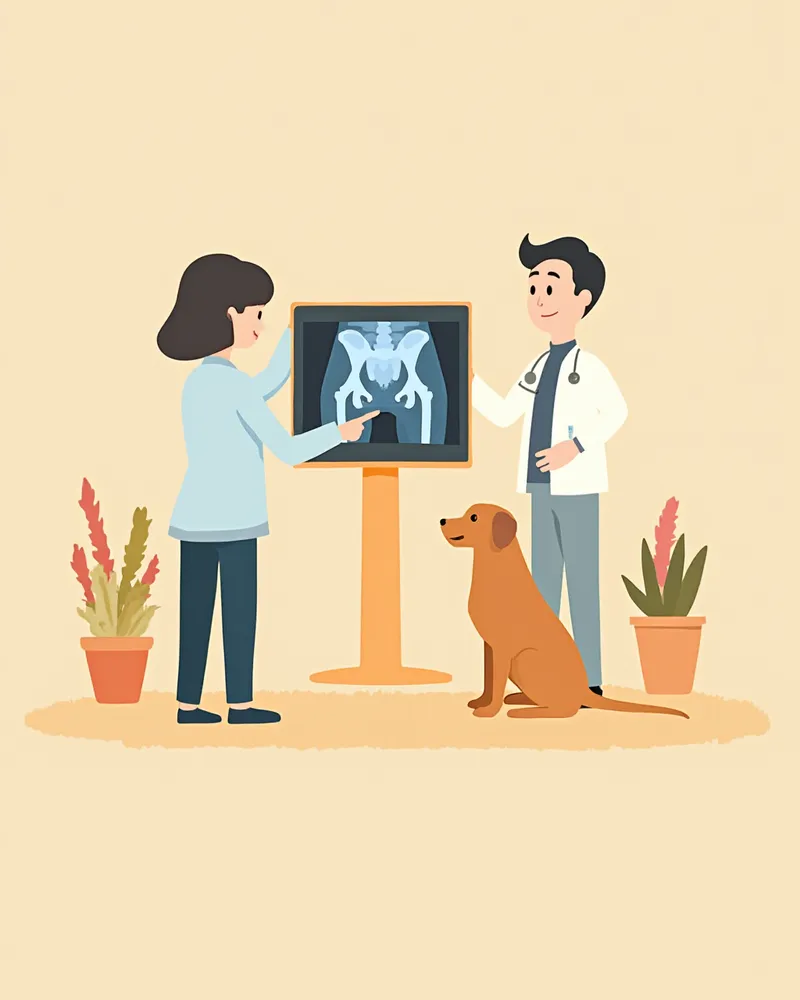
For large breeds like German Shepherds, it’s wise to monitor orthopedic health from puppyhood to help prevent developmental joint disorders. - Puppy stage: Conduct orthopedic physical exams to check for joint laxity and muscle development (using the Ortolani test for the hips). - Around 5 months (20 weeks) of age: This is when elbow dysplasia can be diagnosed using flexion lateral radiographs and CT scans. - Skeletal maturity stage: As growth plates close and the skeleton matures, radiographic grading becomes more definitive. Hip evaluation combines physical examination with radiographs (dorsal-ventral and distraction positions). Since osteoarthritis can progress rapidly, it’s best to have your dog examined promptly if symptoms appear, regardless of age.
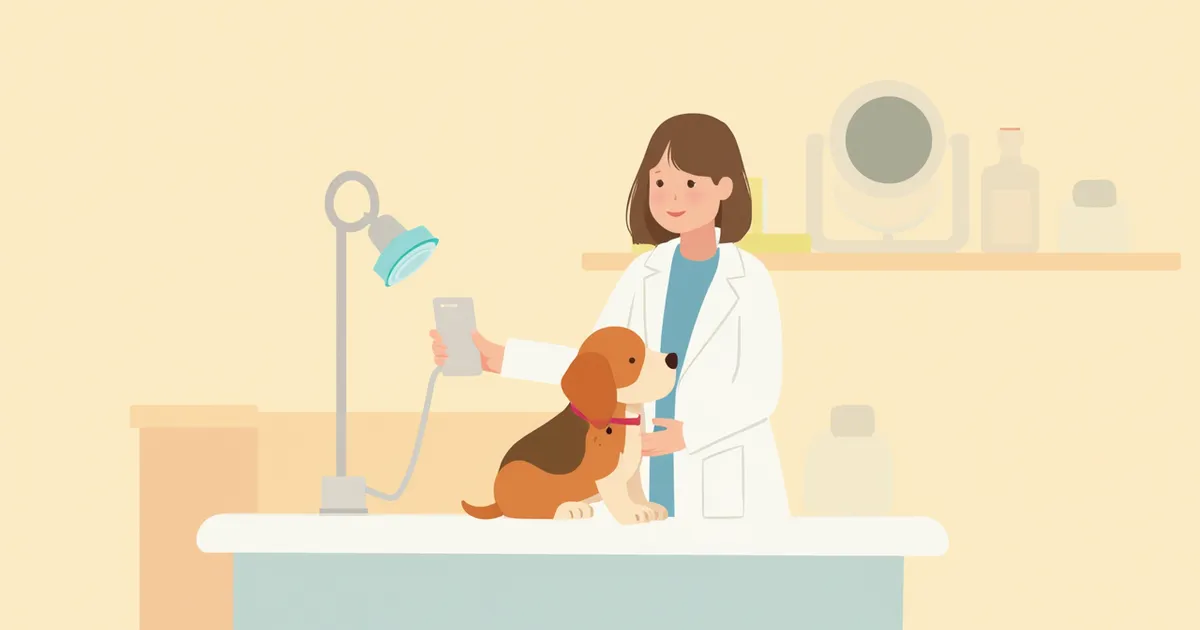
A veterinarian examining hip X-rays at an animal hospital

Lifelong Management Points — Maintaining Quality of Life Through Conservative Care

Even with a diagnosis of dysplasia, you can help your pet maintain a high quality of life for a long time through conservative management. - Weight Management: Prioritize a lean body condition where the ribs are lightly palpable (BCS 4/9). - Low-Impact Exercise: Recommend swimming and walking on flat ground; avoid jumping, sudden stops, and running on slippery surfaces. - Joint Supplements: Administer glucosamine, chondroitin, and omega-3 fatty acids at the dosage recommended by your veterinarian. - Physical Therapy: Alleviate pain using underwater treadmills and cold or hot compresses. - Diet: Utilize joint-prescription diets formulated specifically for large-breed dogs.

Surgical Options to Consider When Conservative Management Is Insufficient

If pain isn’t controlled with conservative management or if the condition progresses rapidly in a young animal, surgery may be considered. The choice of surgical procedure depends on the animal’s age, the pathological state of the joint, the desired level of function, the owner’s financial situation, and the surgeon’s expertise. For large-breed dogs with significant body weight, such as German Shepherds, it’s essential to accurately assess the joint’s condition through imaging studies before deciding on the surgical approach. Both conservative treatment and surgery have their pros and cons, so the decision should always be made after thorough consultation with a board-certified veterinary orthopedic specialist, based on imaging results.

Reviewed by a veterinarian

Dr. Tony — Punnawat Phongkittirak

Dr. Tony — Punnawat Phongkittirak

Veterinarian

A veterinarian who majored in veterinary medicine at Khon Kaen University, Thailand, and completed the IVSA program at North Carolina State University in the United States. Drawing on clinical experience at animal hospitals, he works in the pet healthcare field and is dedicated to building a digital care environment that connects pet parents with veterinarians.

Frequently Asked Questions

Should I always check the parents’ health screening results when adopting a Shepherd puppy?
Yes, the most reliable way to prevent this condition is to choose a breeder who discloses the hip and elbow evaluation results of the parent dogs. Since dysplasia is a disease with a genetic predisposition, it is difficult to reduce the risk by relying solely on pedigree records.
Is it true that you shouldn’t let young dogs walk too much?
That's right. Rough, uncontrolled, and intense exercise and jumping during puppyhood can increase stress on the joints. On the other hand, controlled walks on a leash can help strengthen the muscles around the joints, improving stability. Playing moderately on grass or dirt paths is the safest option.
When is the best time to start giving joint supplements?
Supplements like glucosamine and chondroitin (cartilage protectants) are used as adjunctive therapy for degenerative joint disease, but the evidence supporting their efficacy is not yet clearly established. If your pet is already on a prescription joint-support diet, avoid overlapping supplementation, and consult your veterinarian to determine the appropriate time to start.
Will my pet be able to walk normally again after surgery?
In many cases, conservative management alone is sufficient, as clinical signs tend to diminish with skeletal maturity, allowing pets to resume normal daily activities. The extent of recovery and range of motion after surgery vary depending on age, joint condition, and surgical technique, so please consult with an orthopedic veterinarian to determine the appropriate rehabilitation plan.
When the cost of a checkup feels overwhelming, how should you prioritize?
If your budget is limited, start with an orthopedic physical exam to check for joint laxity and pain, then add radiographs as needed. When symptoms are clear, don’t delay imaging.

Share

Related Guides

References

[1] Piermattei DL et al., Textbook of Veterinary Orthopaedic Surgery, Chapter 9: Hip Dysplasia

[2] Schaefer SL et al., Clinical Medicine of the Dog and Cat, 4th Ed., Hip Dysplasia chapter

[3] Smith GK et al., PennHIP Distraction Index and Hip Dysplasia in Dogs, JAVMA, 2012

[4] Orthopedic Foundation for Animals (OFA) Hip & Elbow Statistics by Breed

This information is based on veterinary literature and does not replace diagnosis or treatment. Please consult a veterinarian for specific health concerns.

Metapet Co., Ltd. | CEO: Park Sung-yong | Business Reg. No. 417-88-02562 | Seoul, South Korea | Customer Center

German Shepherd Hip & Elbow Dysplasia: Screening to Care | Meongsiljang