
Chow Chow Hip, Skin, and Eye Health — Common Conditions and Care Guide
Chow Chows are a breed that requires special attention to genetic health issues such as hip dysplasia, skin diseases, and entropion. Here’s a summary of their main health concerns and key points for lifelong care.
What kind of breed is the Chow Chow?
Top 4 Conditions Chow Chows Need to Watch For
Hip Dysplasia — The Most Common Hereditary Condition
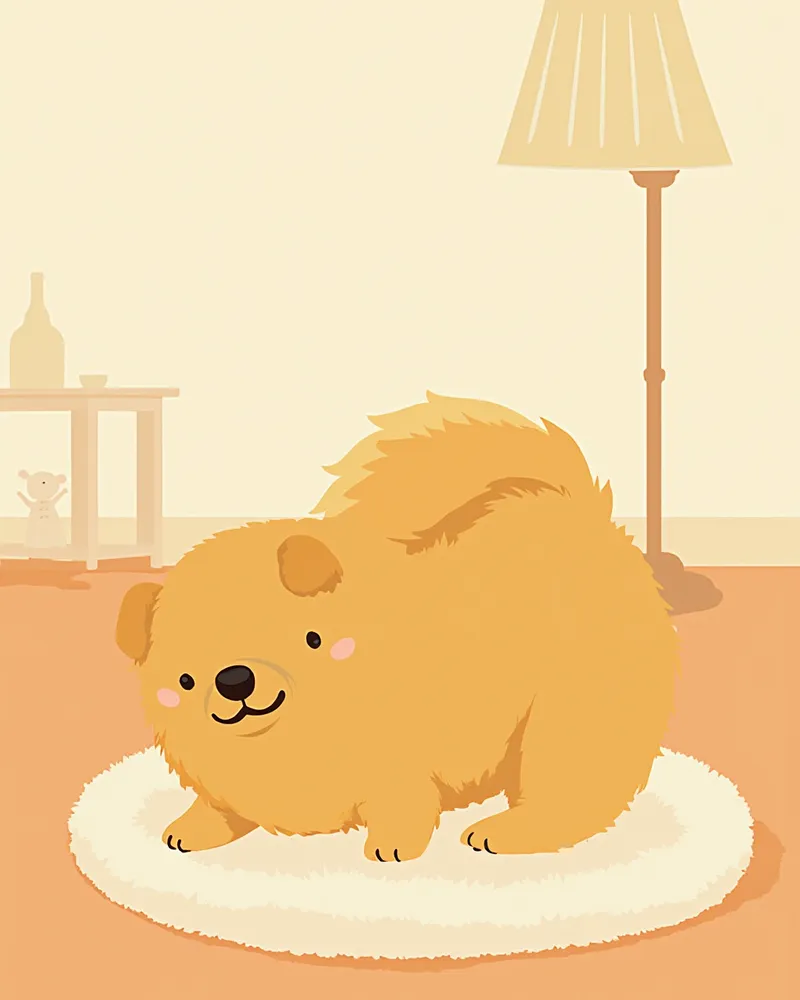
Skin Fold and Double Coat Care Is a Lifelong Commitment
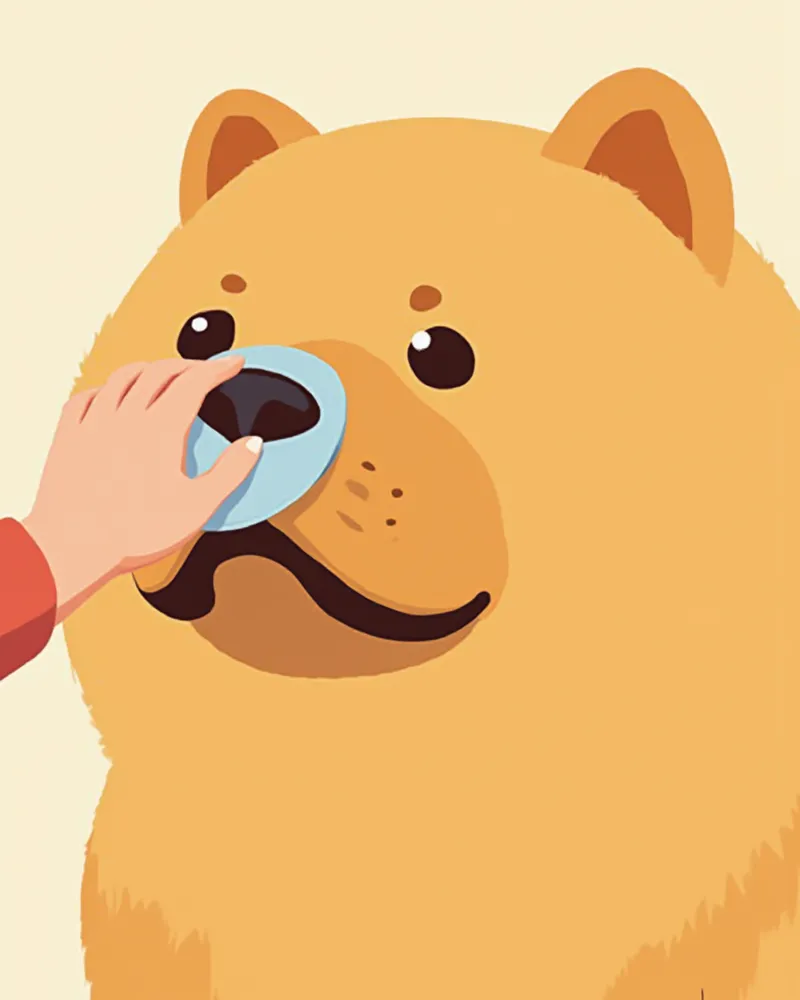
Eye Health — Early Surgery Is the Answer for Entropion
Entropion is a structural condition in which the eyelid rolls inward, causing the eyelashes to continuously irritate the cornea. If left untreated, this persistent irritation can lead to serious secondary ocular complications. Chow Chows are known to have a high incidence of entropion due to their facial wrinkles. Frequent blinking, excessive eye discharge, or tearing warrants a veterinary ophthalmic examination. Once diagnosed, the standard treatment is surgical correction, typically performed after the face has matured, generally at 6 to 12 months of age or older.
Chow Chow Health Checkpoints by Life Stage
| Item | Puppyhood (~12 months) | Adulthood (1–7 years) | Senior (7 years+) |
|---|---|---|---|
| Hip examination | Preliminary checkup around 6 months | Annual radiographic exam recommended | Pain and gait check every 6 months |
| Skin care | Check wrinkles and between toes daily | Brushing and wrinkle cleaning 2–3 times a week | Early response to skin disease |
| Eye care | Check for entropion | Regular ophthalmic checkups | Check for cataracts and keratoconjunctivitis sicca |
| Weight management | No overfeeding (joint burden) | Maintain BCS 4–5 | Maintain muscle mass, low-fat diet |
Please adjust the checkup schedule through consultation with your veterinarian.
Daily and Weekly Health Routines
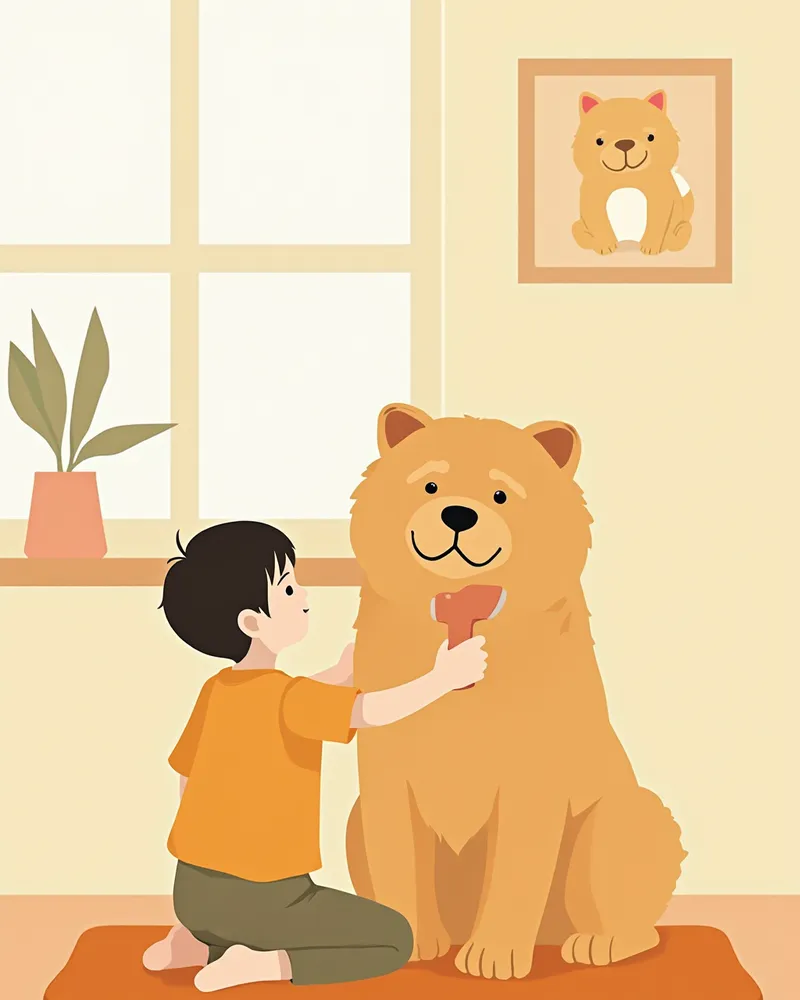
Chow Chow Specific Constitution — Caution with Anesthesia and Heat
Chow Chows have a sensitive temperament and a thick double coat that limits heat dissipation, so they require special care in hot, humid summer conditions. Heavy panting, excessive drooling, or red gums may signal heatstroke. Before any procedure requiring anesthesia, such as surgery or dental scaling, always inform your veterinarian about the breed’s specific traits and insist on pre-anesthetic blood tests for safety. In the height of summer, schedule walks for early morning or late evening when the asphalt has cooled down.
Reviewed by a veterinarian

Dr. Tony — Punnawat Phongkittirak
VeterinarianA veterinarian who majored in veterinary medicine at Khon Kaen University, Thailand, and completed the IVSA program at North Carolina State University in the United States. Drawing on clinical experience at animal hospitals, he works in the pet healthcare field and is dedicated to building a digital care environment that connects pet parents with veterinarians.
Reviewed 2026-04-21
Frequently Asked Questions About Chow Chow Health
Are Chow Chows particularly sensitive to heat?
How can I prevent skin inflammation in the skin folds?
How early can hip dysplasia be detected?
Do Chow Chows really need to go for walks?
Share
Related Guides
Top 5 Medicated Dog Shampoos — For Pyoderma and Bacterial Infections

Veterinarian-Recommended Top 5 Medicated Shampoos for Canine Yeast Dermatitis — Relieves Itching and Greasiness

Top 5 Medicated Cat Shampoos Recommended by Veterinarians — Fungal Dermatitis and Fungal Care

Abyssinian Renal Amyloidosis — Screening Guide for Predisposed Breeds

Rottweiler Osteosarcoma and Cruciate Ligament Rupture — Guide to Common Conditions in Large Breeds

Pekingese Disc and Spinal Disease — Lifelong Care Checklist for Brachycephalic Breeds

Yorkshire Terrier Patellar Luxation — A Complete Guide to Stage-by-Stage Symptoms and Regular Screening
Burmese Cat Diabetes Susceptibility — Diet and Weight Management Guide
Miniature Schnauzer Diabetes and Pancreatitis: A Complete Guide to Symptoms, Diagnosis, and Dietary Management
Persian Skin Tumors: A Complete Guide — From Causes to Lifelong Skin Care
References
[1] Textbook of Veterinary Orthopaedic Surgery, Chapter: Canine Hip Dysplasia
[2] Clinical Medicine of the Dog and Cat, 4th Ed, Hip Dysplasia section
[3] Muller and Kirk's Small Animal Dermatology, 7th Ed
[4] Slatter's Fundamentals of Veterinary Ophthalmology, 5th Ed