Like
Share
멍실장
비글 단모 그루밍 가이드 — 빠지는 털·귀 관리 완전정복

Beagle Short-Hair Grooming Guide — Mastering Shedding and Ear Care

Skin & CoatBreed HealthMeongsiljang Veterinary Advisory Board

Beagles have short coats but shed heavily, and their floppy ears make them prone to frequent ear infections. Brushing two to three times a week and checking their ears once a week are essential.

What Is Beagle Grooming?

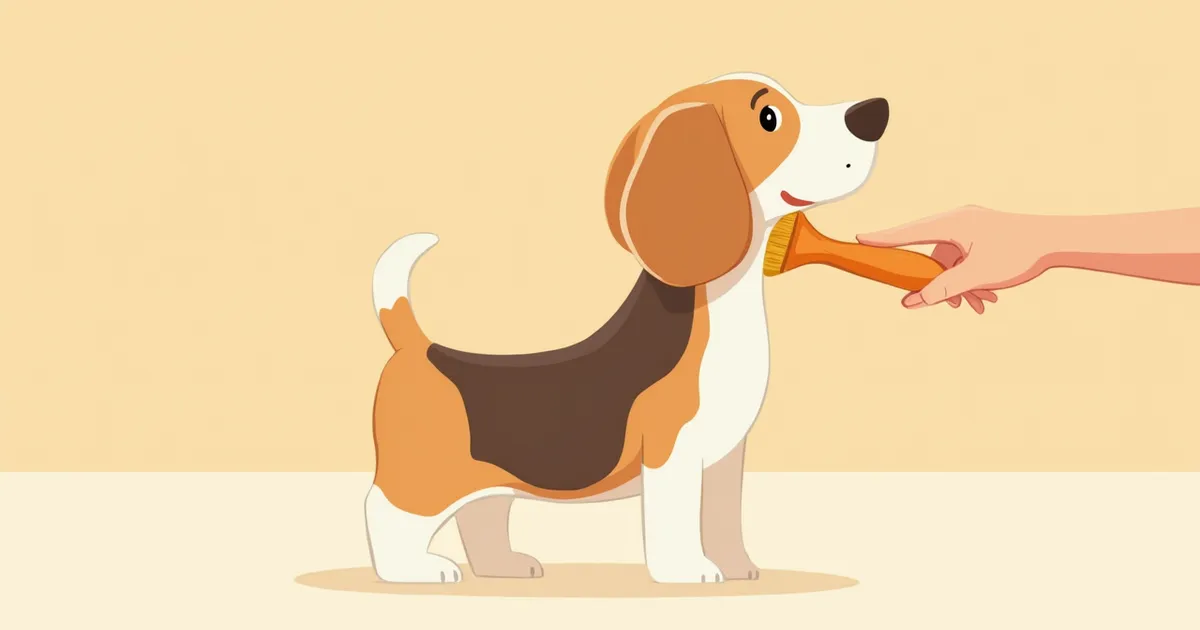
A beagle being brushed on a grooming table
Beagle grooming is a daily care routine that addresses shedding, floppy ears, and sebum production in this short-haired breed, which is often described as having a double coat. The most important thing is to dispel the misconception that short-haired dogs require little maintenance. Beagles consistently shed their undercoat despite its short length, and their long, floppy ears are prone to otitis externa. Otitis externa is a multifactorial disease caused by a combination of predisposing and exacerbating factors, so consistent care, such as brushing two to three times a week and checking the ears once a week, helps prevent skin and ear issues and reduces the risk of recurrence.

Know the Characteristics of Beagle Skin and Coat

Beagles are classified as short-haired dogs, but they are commonly described as having a double coat consisting of a coarse outer layer and a soft undercoat. As a result, shedding of the undercoat tends to increase during molting seasons. - Double-coat structure: Even though the hair is short, the undercoat sheds regularly, so consistent grooming is necessary. - High sebum production: Beagles are a breed documented in veterinary textbooks as prone to seborrheic skin changes due to increased sebum production, which can lead to a characteristic "doggy odor." - Floppy ears: The ear canal is deeply covered, making it easy for secretions to accumulate and increasing the risk of otitis externa. - High activity level: Dirt and plant debris easily stick to their paws, belly, and ears after walks.

Brushing Two to Three Times a Week Is Essential
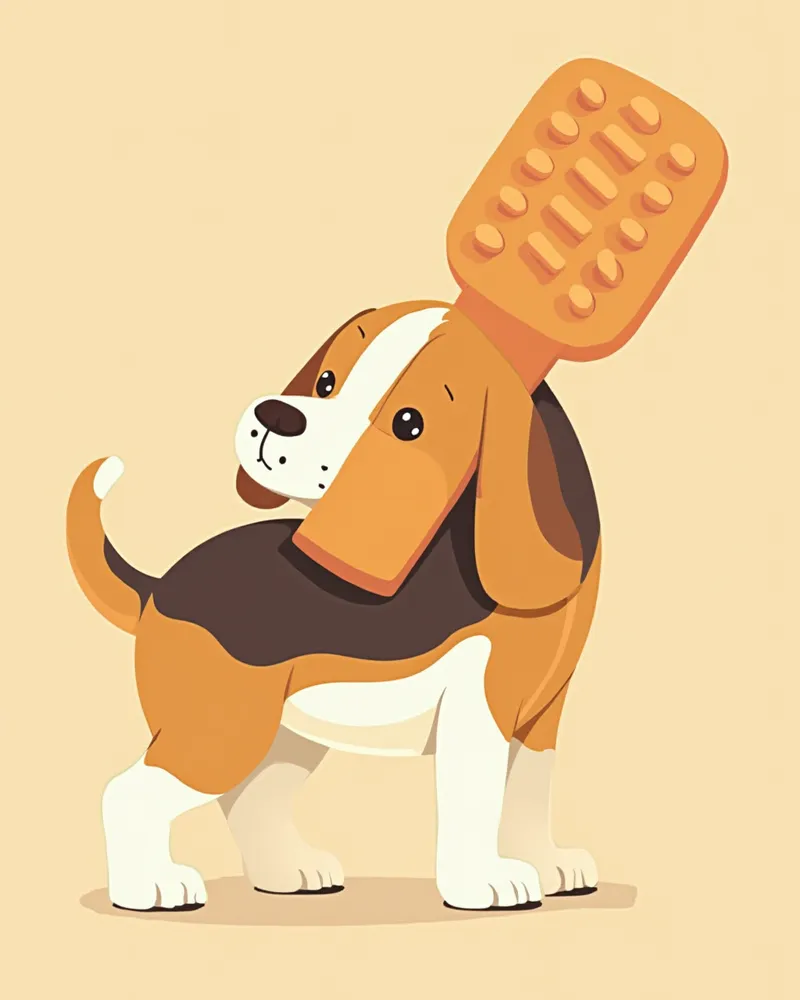
For Beagles, brushing accounts for half of their grooming routine. Even though they have short coats, skipping brushing means shed undercoat ends up on your clothes and sofa, while dead hair accumulates on the skin and causes itching. - Rubber brush (grooming mitt): Most effective for removing loose undercoat - Bristle brush (hog bristle): For finishing; distributes natural oils to the tips for a healthy shine - Frequency: 2–3 times per week normally; daily for 5 minutes during seasonal changes - Direction: Brush gently in the direction of hair growth, avoiding any scratching of the skin
Using a rubber brush to remove the loose undercoat from a Beagle

Comparing Brushes Suitable for Beagles

ItemRubber brushBristle brushSlicker brush
UseRemoving shed undercoatAdding shine and distributing sebumRemoving tangles (not recommended for Beagles)
Suitability for BeaglesVery goodGoodLow
Frequency of use2–3 times a weekOnce a week for finishingRarely needed
PrecautionsDon't press too hardLittle direct skin irritationCan irritate short-coated skin

Beagles rarely get tangles, so a slicker brush is seldom used

Bathing Once Every 3–4 Weeks Is Sufficient
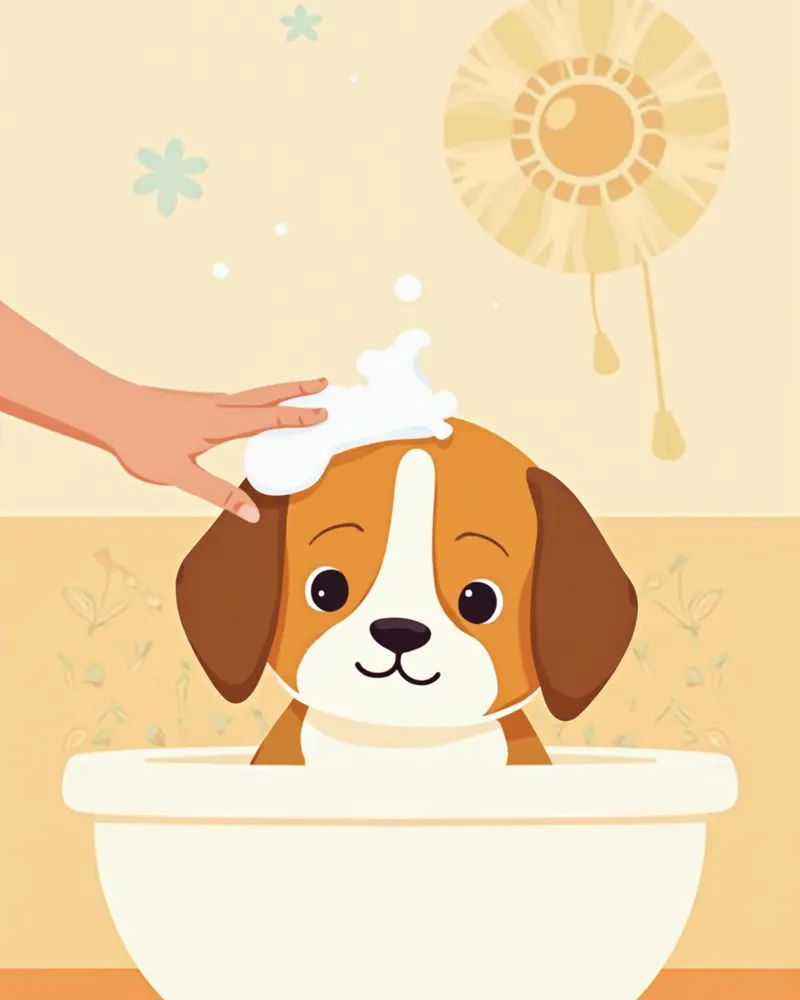
Beagles produce a lot of sebum, so you might feel tempted to bathe them often. When their skin is healthy, bathing every 3–4 weeks is fine. However, for breeds like Beagles that are prone to seborrheic (excessive sebum) skin conditions, more frequent baths with cleansing or medicated shampoos during periods of itching or skin lesions can actually help by reducing irritation, allergens, and microbes. - Frequency: Normally once every 3–4 weeks; when skin issues arise, bathe more frequently (e.g., 1–2 times per week) with cleansing or medicated shampoos as directed by your veterinarian. - Shampoo: Use a low-irritation, dog-specific shampoo containing moisturizing ingredients (such as fatty acids, urea, or glycerin). For recurrent pyoderma or Malassezia infections, use antibacterial shampoos containing chlorhexidine or miconazole. - Water temperature: Use lukewarm water close to the dog’s body temperature. - Drying: Dry thoroughly, including inside the ears. Leaving them wet can lead to otitis externa. Veterinary dermatology textbooks also list Beagles as a breed reported to have seborrheic skin (excessive sebum) changes, and regular bathing with cleansing or antibacterial shampoos is recommended when itching or lesions are present.
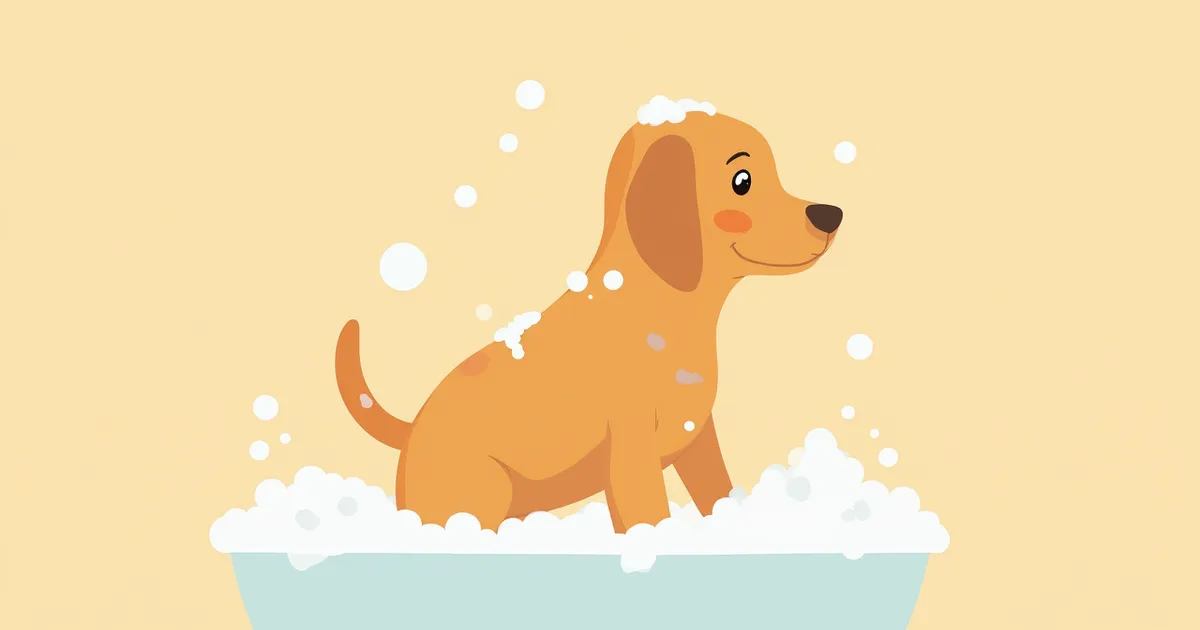
A beagle being bathed in a tub with a low-irritation shampoo.

Otitis Externa in Beagles Is a 'Breed Predisposition'

Beagles have ear structures that make them prone to otitis externa due to their floppy ears and sebum secretion. Otitis externa is a multifactorial disease caused by multiple predisposing and aggravating factors rather than a single cause, making it easy to recur once it occurs. If you notice any of the following signs, stop cleaning your pet's ears at home and visit a veterinarian: - Frequently shaking their head or tilting it to one side - Sour smell or dark brown discharge coming from the ears - The inside of the ear is red and painful to touch - Constantly scratching the ear entrance with their paws

How to Clean Beagle Ears
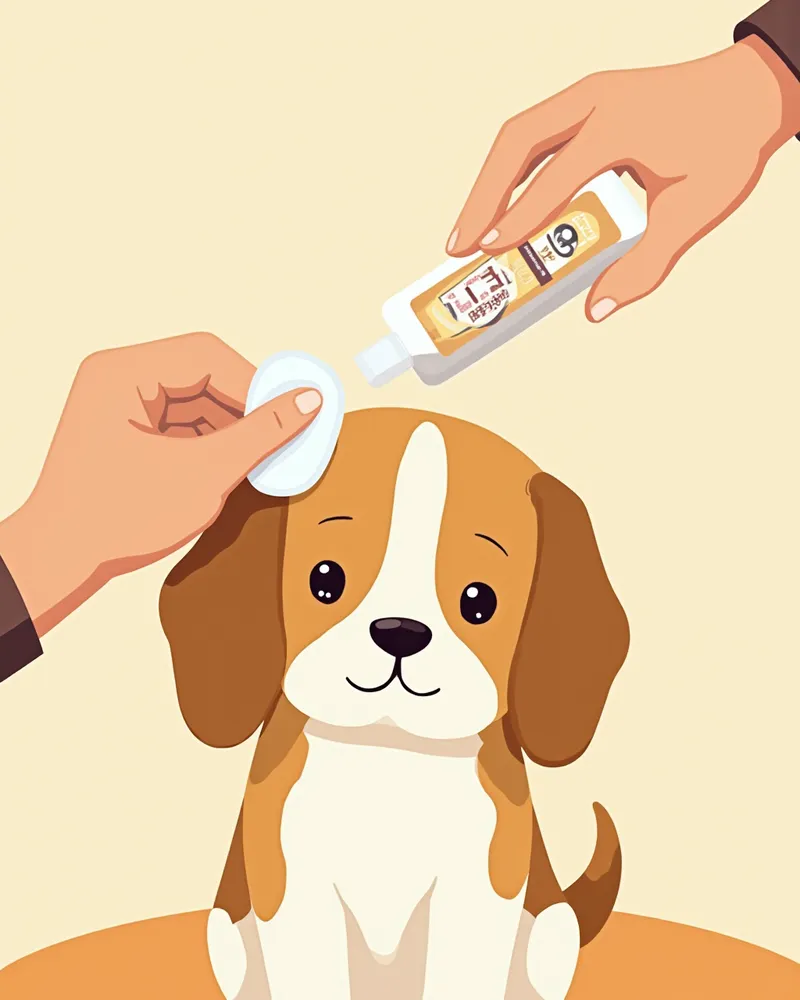
Aim to check your dog’s ears once a week and clean them every two weeks. The key is to avoid inserting cotton swabs deep into the ear canal, as this can push earwax further inward. - What you’ll need: Dog-specific ear cleaner, cotton pads (no cotton swabs) - How to do it: Squeeze the cleaner into the ear canal, then massage the base of the ear for 30 seconds. Let your dog shake its head to bring debris out, then gently wipe away only the visible parts with a cotton pad. - Caution: Stop immediately if you notice dark, sticky earwax or any bleeding. - Drying: Always dry the inside of the ears after walks, swimming, or baths to remove any moisture.
Lifting a beagle's floppy ears to clean them with an ear cleaner

Don’t Forget Nails, Teeth, and Paw Pads

Beagles are active dogs, so their paw pads and nails tend to wear down quickly. However, Beagles that spend most of their time indoors often have nails that grow in longer. - Nails: Trim every 2–3 weeks, before they touch the floor and start clicking. - Paw pad hair: If the hair between the pads gets too long, it can cause slipping, so gently trim just the hair between the pads. - Teeth: Periodontal disease is one of the most common issues in dogs, so daily brushing is recommended. - Anal glands: Express once a month. If you're unsure how to do it yourself, a groomer or vet can help. Be careful not to cut the nails too short, as you may nick the quick (the blood vessel inside the nail). When starting out, trim just 1–2 mm at a time.

Remember That Obesity and Hypothyroidism Can Cause Skin Issues

Keep in mind that systemic conditions like obesity or hypothyroidism can directly affect skin and coat health. Hypothyroidism, in particular, can cause symptoms in the skin, coat, and various other organs. - If you notice symmetrical hair loss (alopecia), darkening of the skin (hyperpigmentation), poor regrowth in shaved areas, along with dandruff and weight gain, hypothyroidism should be suspected. - In overweight pets, skin folds can become irritated and develop frictional dermatitis. - If you notice any unusual signs on your pet’s skin during grooming, don’t dismiss them as mere cosmetic issues—seek veterinary care.

Reviewed by a veterinarian

Dr. Tony — Punnawat Phongkittirak

Dr. Tony — Punnawat Phongkittirak

Veterinarian

A veterinarian who majored in veterinary medicine at Khon Kaen University, Thailand, and completed the IVSA program at North Carolina State University in the United States. Drawing on clinical experience at animal hospitals, he works in the pet healthcare field and is dedicated to building a digital care environment that connects pet parents with veterinarians.

Frequently Asked Questions

Is it okay to have a Beagle’s coat clipped short at the groomer?
We generally don’t recommend it. Clipping double coats short can alter how the fur grows back, so we suggest a “shed control” service focused on removing loose hair instead. If you notice that hair isn’t growing back properly in the clipped areas, it could be a sign of a hormonal issue like hypothyroidism, so it’s worth having it checked.
My pet is losing a lot of fur. Can supplements help?
Skin supplements can be helpful as a supportive measure, but their effectiveness varies from dog to dog. Most importantly, if you notice a sudden increase in hair loss, it’s crucial to first rule out underlying conditions such as hypothyroidism or allergies (like atopic dermatitis). These conditions can lead to hair loss and secondary skin infections.
Can a beagle’s characteristic odor be eliminated through grooming?
It’s difficult to eliminate the odor completely. Beagles are a breed known for their tendency toward seborrhea due to excessive sebum production, which can result in a characteristic smell. Regular brushing, routine bathing, and proper anal gland care can help reduce the odor to some extent. If the smell is particularly strong or accompanied by skin lesions, medicated or cleansing shampoos may be beneficial.
How can I help my pet get used to grooming from a young age?
Start with short 1–2 minute sessions once a day from 8 to 12 weeks of age, offering treats to keep the experience positive. Gradually increase the duration as your puppy becomes accustomed to the sounds of the brush and dryer, which will help minimize resistance when they reach adulthood.
Is it okay to wash my dog’s paws after every walk?
Instead of washing with water every time, gently wipe your pet’s paws with a towel dampened with lukewarm water and make sure to dry them thoroughly, including between the toes. It’s important to leave no moisture behind, as constantly wet paws can cause the skin between the toes to become macerated.

Share

Related Guides

References

[1] BSAVA Manual of Canine and Feline Dermatology, 4th Ed

[2] Clinical Medicine of the Dog and Cat, 4th Ed - Chapter 2.15 Breeds with predisposition

[3] The Dog Care Handbook, Things I Wish My Vet Had Told Me

[4] Hnilica & Patterson, Small Animal Dermatology, 4th Ed

This information is based on veterinary literature and does not replace diagnosis or treatment. Please consult a veterinarian for specific health concerns.

Metapet Co., Ltd. | CEO: Park Sung-yong | Business Reg. No. 417-88-02562 | Seoul, South Korea | Customer Center

Beagle Grooming Guide: Shedding, Ear Care & Skin Health | Meongsiljang