Like
Share
멍실장
페르시안 장모 매일 그루밍 가이드

Daily Grooming Guide for Persian Longhairs

Skin & CoatBreed HealthMeongsiljang Veterinary Advisory Board

Persian cats are a long-haired breed that requires daily grooming. We’ve compiled the essential care tips every owner should know, including brushing, managing tear stains, and bathing.

What Breed Are Persians?
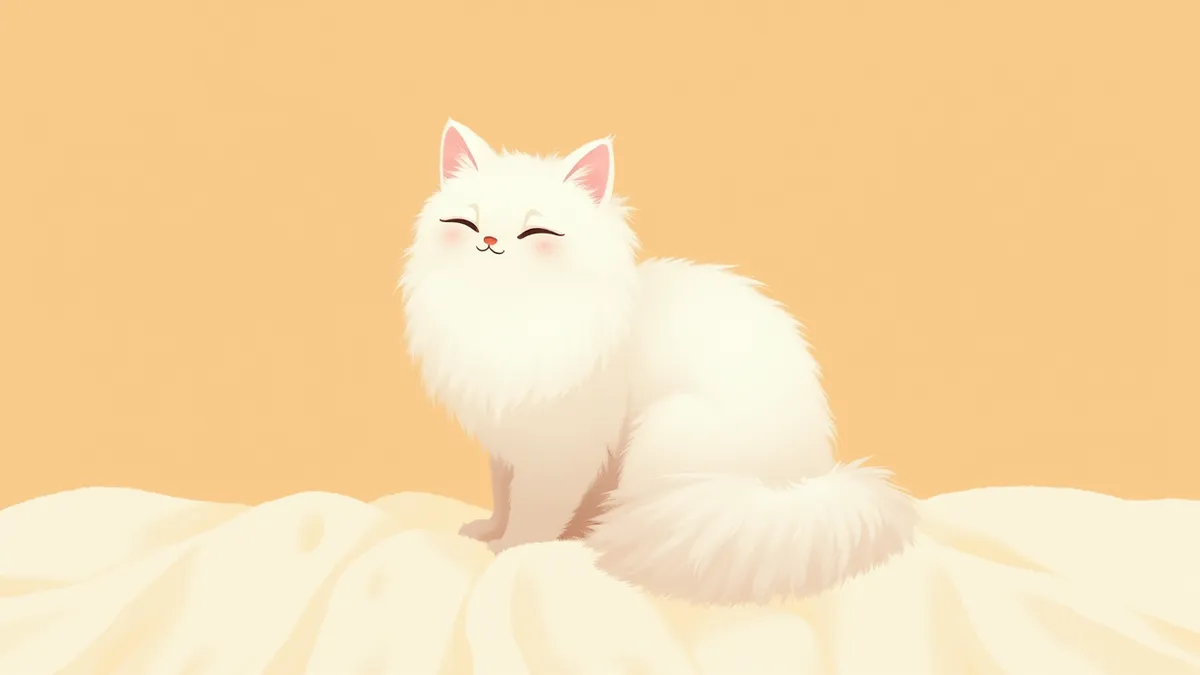
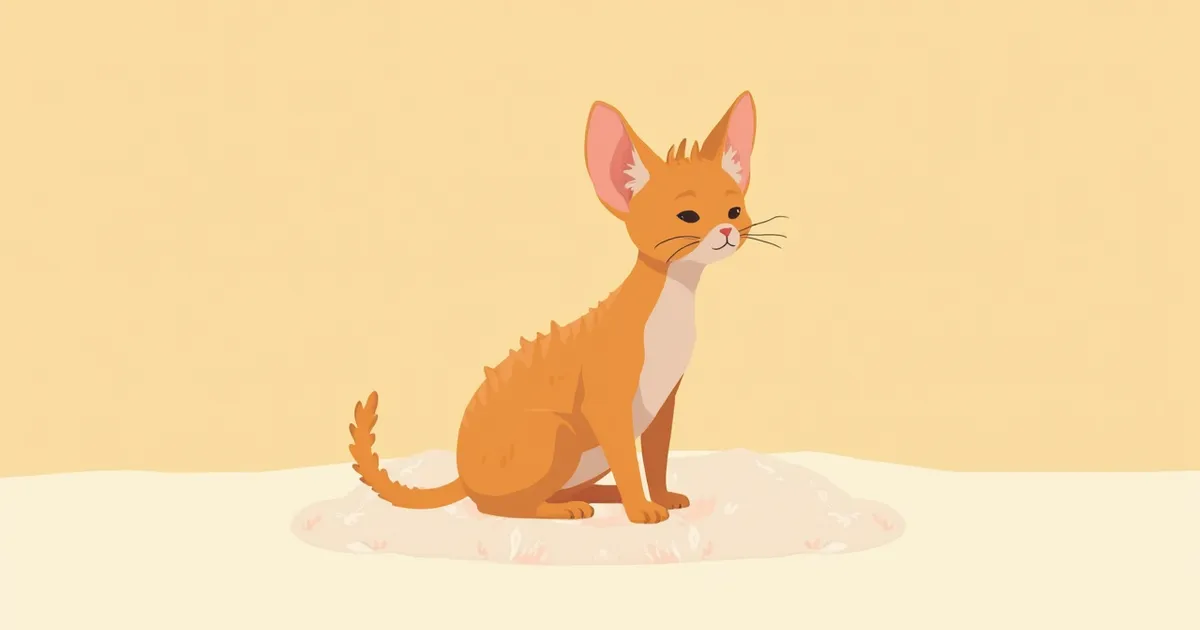
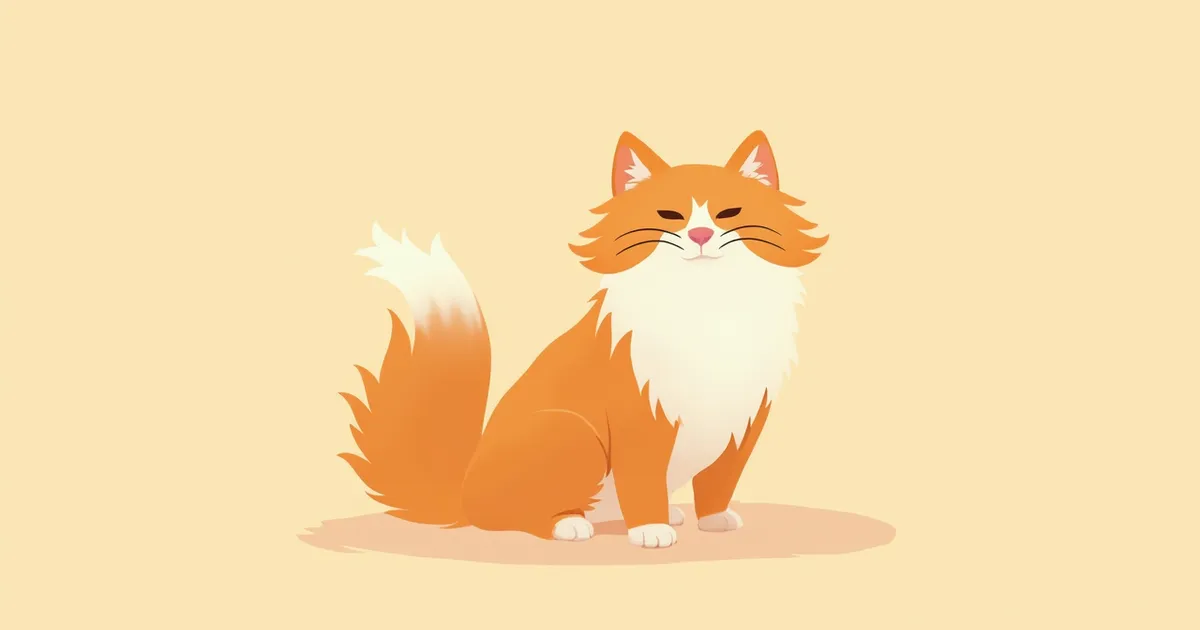
Persian cats, known for their flat faces and luxurious long coats
Persians are a long-haired breed that requires daily brushing, and their brachycephalic facial structure makes special care around the eyes and nose particularly important. The key is to treat grooming not as a weekly professional session, but as a daily 5–10 minute routine. Their long hair and dense undercoat can quickly form mats (tangled clumps) if brushing is skipped for just one day, and their flattened facial structure causes excessive tearing, which can lead to dermatitis if left untreated.

Why Persians Need Daily Grooming

Understanding the Persian cat’s coat structure and facial features makes it easy to see why daily care is essential. - Double coat: A dense undercoat lies beneath the guard hairs, so skipping brushing for just one day can cause tangles to form from the inside out. - Long hair: As a long-haired breed, Persians are prone to food and fecal matter sticking to their fur, which easily leads to matting from the inside out. - Brachycephalic face: Their short-nosed (brachycephalic) facial structure often results in curved or narrow tear ducts (nasolacrimal ducts), causing frequent tearing. - Limitations of self-grooming: While cats use the barbs on their tongues to groom themselves, Persians have so much fur that tongue grooming alone is insufficient to keep their coat properly maintained.

5-Step Daily Brushing Routine

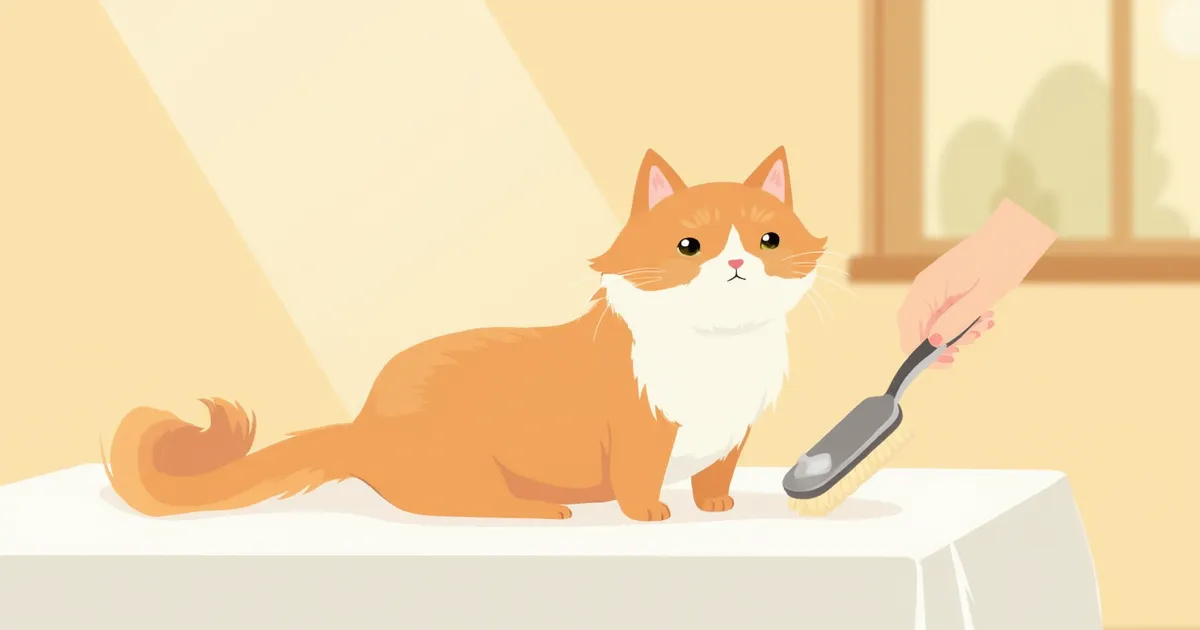
Five to ten minutes a day is plenty. Following a consistent routine helps keep your cat calm and reduces stress. 1. Start by petting the chin and chest: Don't rush to use the brush right away. Spend a minute gently petting with your hands to help your cat relax. 2. Brush the back and sides: Use a slicker brush, following the direction of the fur from top to bottom. 3. Check the belly and armpits: These areas are prone to matting. Gently work through them with a pin brush. 4. Brush the tail and inner hind legs: Check for any fecal matter while brushing these areas. 5. Finish around the face: Use a small brush to carefully groom around the eyes and nose.

Comparison of Brush Types for Persians

ItemSlicker brushPin brushSteel combMat breaker
Main useUndercoat groomingOuter-coat brushingFinal checkDetangling
Frequency of useDailyDailyOnce every 2–3 daysWhen tangles occur
Use on sensitive areasTrueTrueFalseFalse
Recommended for beginnersTrueTrueTrueFalse

Rather than using just one, a slicker + pin brush combination is the most efficient

What Never to Do When You Find Mats

Cutting tangled fur directly with scissors is extremely dangerous. Persian cats have very thin skin, which can easily get caught in mats and be accidentally cut, leading to frequent laceration injuries. If a mat is larger than two fingers or tightly adhered to the skin, do not attempt to remove it yourself. Instead, have it safely removed using clippers at a veterinary clinic or a cat-specialized grooming salon.

How to Wipe Tear Stains Daily
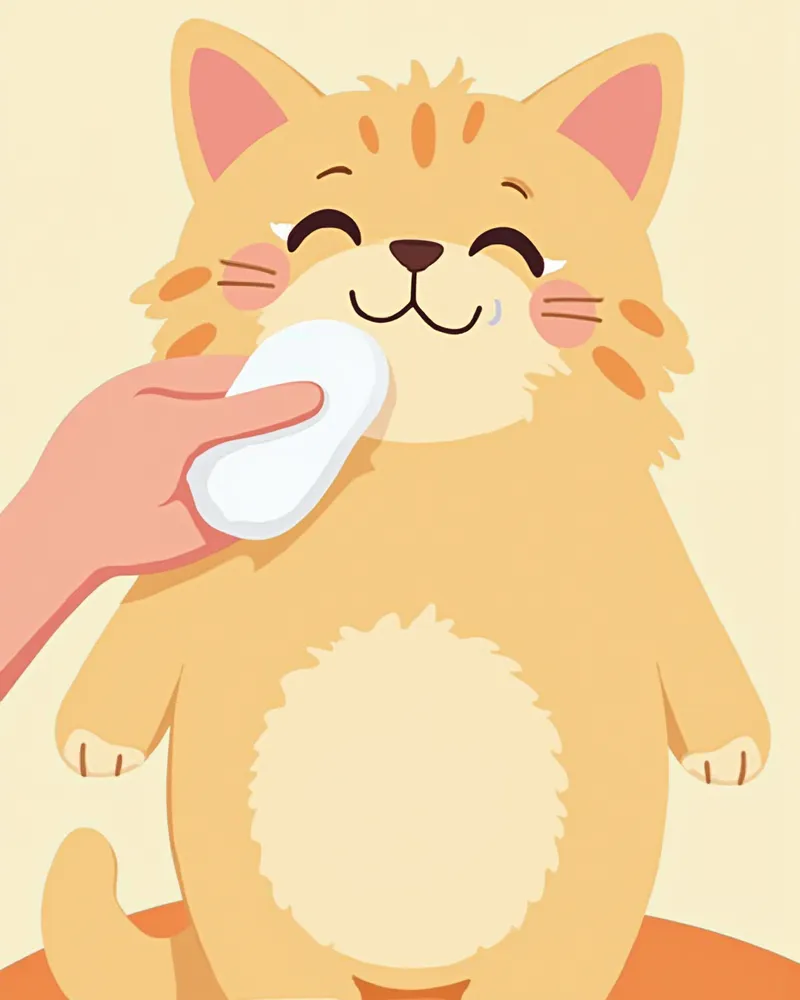
Tear stains in Persians aren’t just a cosmetic concern—they can signal the onset of dermatitis. Due to their brachycephalic facial structure, the tear ducts (nasolacrimal ducts) are often curved or narrowed, preventing tears from draining properly into the nose and causing them to overflow onto the facial fur. - When to clean: Twice daily, in the morning and evening. - Tools to use: Soft gauze moistened with lukewarm water or alcohol-free pet-safe water wipes. - Technique: Wipe gently from the eye toward the nose using a single stroke per wipe; never reuse the same side of the gauze or wipe. - Drying: After wiping, gently pat the area dry with a clean, dry gauze pad.
Gently wiping away tear stains with a soft gauze pad

How Often Should You Bathe Your Cat?

The bathing schedule should be tailored to your cat’s individual skin condition. Bathing too frequently can strip away natural skin oils, leading to dryness, while bathing too infrequently can allow sebum to build up. However, if your cat has a skin condition requiring medicated shampoo, veterinary dermatology guidelines may recommend bathing as often as once or twice a week. To ensure safety, consult your veterinarian to determine the ideal bathing frequency for your pet. - Shampoo: Use only low-irritant, cat-specific shampoo. Never use human or dog shampoo. - Water Temperature: Use lukewarm water between 36°C and 38°C. - Drying: Thorough drying is the most critical step. If the undercoat is not completely dried, it can lead to fungal skin infections (dermatophytosis), so ensure your cat is fully dried. - Pre-bath Brushing: Always detangle mats before bathing.
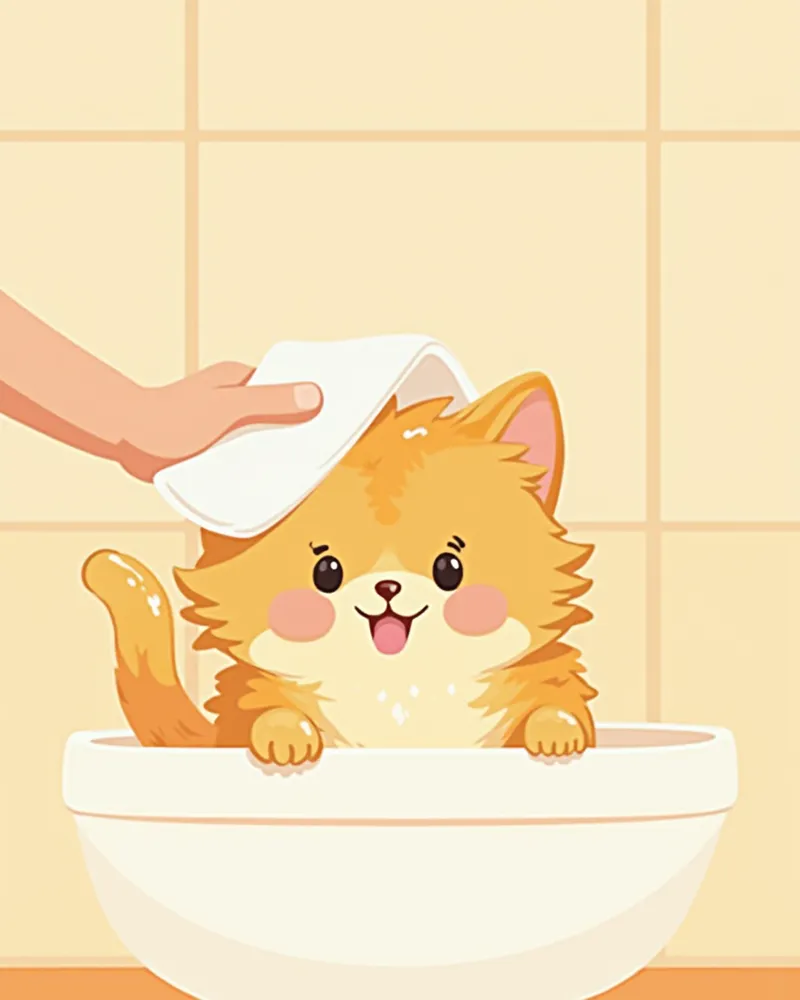
A Persian cat being gently towel-dried after a bath.

Checklist for Easily Overlooked Areas

Even if your cat is used to being brushed, there are areas that are often overlooked. Try checking these spots separately once a week: - Inside the ears: Persians have a lot of hair around the ear openings, which can easily trap earwax. - Between the paw pads: Hair can grow long enough to cause slipping or get caught in litter. - Around the anus: Long-haired cats are prone to fecal matter sticking to this area, so it needs to be kept short and clean. - Under the chin: This is a common spot for feline acne (chin sores). - Groin and armpits: These are the areas where mats form most frequently.

When to Visit the Vet

Persians are one of the breeds where skin and kidney issues can often be detected earliest during grooming. In particular, Polycystic Kidney Disease (PKD) is a genetically prevalent condition in Persians, so if you notice any of the following signs, it may be more than just a cosmetic concern. - Sudden increase in tearing or nasal discharge on only one side of the face - Black spots or scabs appearing under the chin, accompanied by swelling - Noticeably more dandruff or flaking than usual during brushing - Asymmetrical swelling felt along the sides or abdomen - Increased water consumption and larger urine volume

Reviewed by a veterinarian

Dr. Tony — Punnawat Phongkittirak

Dr. Tony — Punnawat Phongkittirak

Veterinarian

A veterinarian who majored in veterinary medicine at Khon Kaen University, Thailand, and completed the IVSA program at North Carolina State University in the United States. Drawing on clinical experience at animal hospitals, he works in the pet healthcare field and is dedicated to building a digital care environment that connects pet parents with veterinarians.

Frequently Asked Questions

How many minutes of daily grooming are sufficient for a Persian cat?
Brushing your pet for 5–10 minutes daily can help prevent matting. However, during seasonal shedding periods (spring and fall), you should increase brushing time to 15–20 minutes to effectively manage the loss of undercoat.
When should I start brushing a Persian kitten?
We recommend starting with short sessions using a soft pin brush from around 8 weeks of age. Getting your kitten accustomed to grooming early on will help ensure they remain cooperative and stress-free during care even as an adult cat.
Is it normal for tear stains to appear as dark brown marks?
It’s natural for brachycephalic Persians to develop some tear staining. However, if the stains suddenly darken or become significantly worse on just one side, it could indicate conjunctivitis, a corneal ulcer, or a blocked nasolacrimal duct, so a veterinary examination is necessary.
Is it okay to cut out mats with scissors?
Absolutely not. Persian cats have very thin skin, so when mats form, the skin can easily get caught in the tangles and lead to accidental cuts during grooming. For small mats, use a mat splitter to gently work through the tangles along the direction of the hair growth. For larger mats, it's best to have them removed by a professional groomer at a veterinary clinic using specialized tools.
Persians groom themselves, so don’t they need brushing?
Persians have so much fur that they can’t groom it all with their tongues. In fact, swallowed hair often forms hairballs that cause gastrointestinal issues, so regular brushing by their owners is essential.

Share

Related Guides

References

[1] Little S., The Cat: Clinical Medicine and Management, 2nd Edition, Chapter 35 Urinary System, Elsevier

[2] Schroll S., Dehasse J., A Professional's Guide to Feline Behaviour: Understanding, Improving and Resolving Problems, 5M Publishing

[3] Ettinger S.J. et al., Clinical Medicine of the Dog and Cat, 4th Edition, Chapter on Feline Renal Disease, Wiley-Blackwell

This information is based on veterinary literature and does not replace diagnosis or treatment. Please consult a veterinarian for specific health concerns.

Metapet Co., Ltd. | CEO: Park Sung-yong | Business Reg. No. 417-88-02562 | Seoul, South Korea | Customer Center

Persian Cat Grooming Guide: Daily Brushing to Tear Stain Care | Meongsiljang