Like
Share
멍실장
노르웨이숲 고양이 건강 관리 — 심장·관절 질환 예방과 관리

Norwegian Forest Cat Health Care — Prevention and Management of Heart and Joint Diseases

HeartBreed HealthMeongsiljang Veterinary Advisory Board

We’ve compiled the symptoms, screening methods, and daily care tips for hypertrophic cardiomyopathy and hip dysplasia, two conditions Norwegian Forest Cats are especially prone to.

What Health Problems Are Norwegian Forest Cats Vulnerable To?
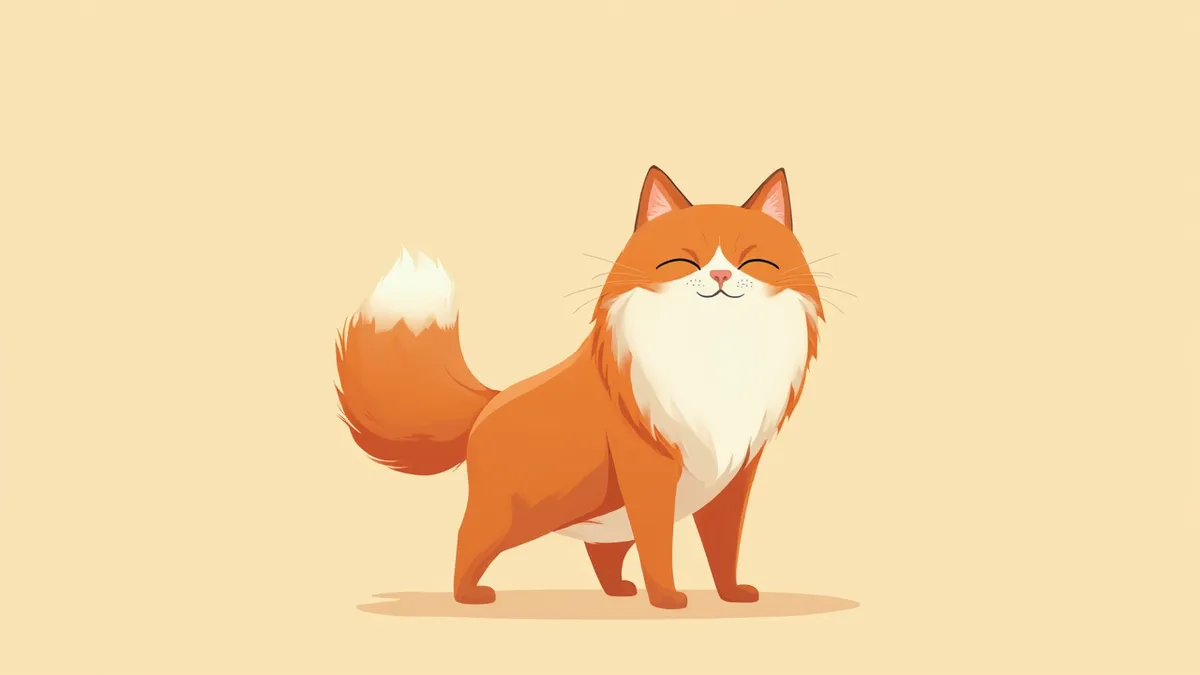
Norwegian Forest Cats with healthy, lush coats
Norwegian Forest Cats are a breed that requires particular attention for hypertrophic cardiomyopathy and hip dysplasia. Although they have a luxurious coat and appear healthy, these two conditions often show no obvious symptoms in the early stages, making early detection through regular check-ups crucial. Heart disease has a genetic predisposition, and due to their large size, these cats are also prone to joint stress. With a little extra care from pet owners, these issues can be detected and managed early on.

Representative Conditions Norwegian Forest Cats Should Watch For

Hypertrophic cardiomyopathy: This is a condition in which the heart walls become abnormally thick, and it is the most common form of heart disease in cats. Early stages often show few symptoms, so the condition can worsen suddenly.
Hip dysplasia: This is a structural issue where the bones and joints of the hip do not fit together properly. It is more frequently seen in larger breeds.
Glycogen storage disease type IV: This is a genetic disorder related to glycogen metabolism. The exact risk and progression can vary from individual to individual, so it can be helpful to conduct genetic testing before breeding to check for carriers.
Among these, hypertrophic cardiomyopathy and hip dysplasia can significantly improve quality of life with consistent management.

Hypertrophic Cardiomyopathy — A Heart Disease That Arrives Silently
Hypertrophic cardiomyopathy is a condition in which the heart muscle thickens, narrowing the space inside the ventricles. This prevents the heart from pumping enough blood, leading to various complications. According to veterinary cardiology textbooks, this disease is largely influenced by genetic and familial factors, and is associated with various gene mutations that encode sarcomeric proteins. Based on this, regular cardiac screening programs are recommended for several large cat breeds, including Maine Coons, Ragdolls, and Norwegian Forest cats. In the early stages, there may be no noticeable symptoms, but as the disease progresses, signs such as rapid breathing, reluctance to play, or even hind limb paralysis in severe cases may appear.
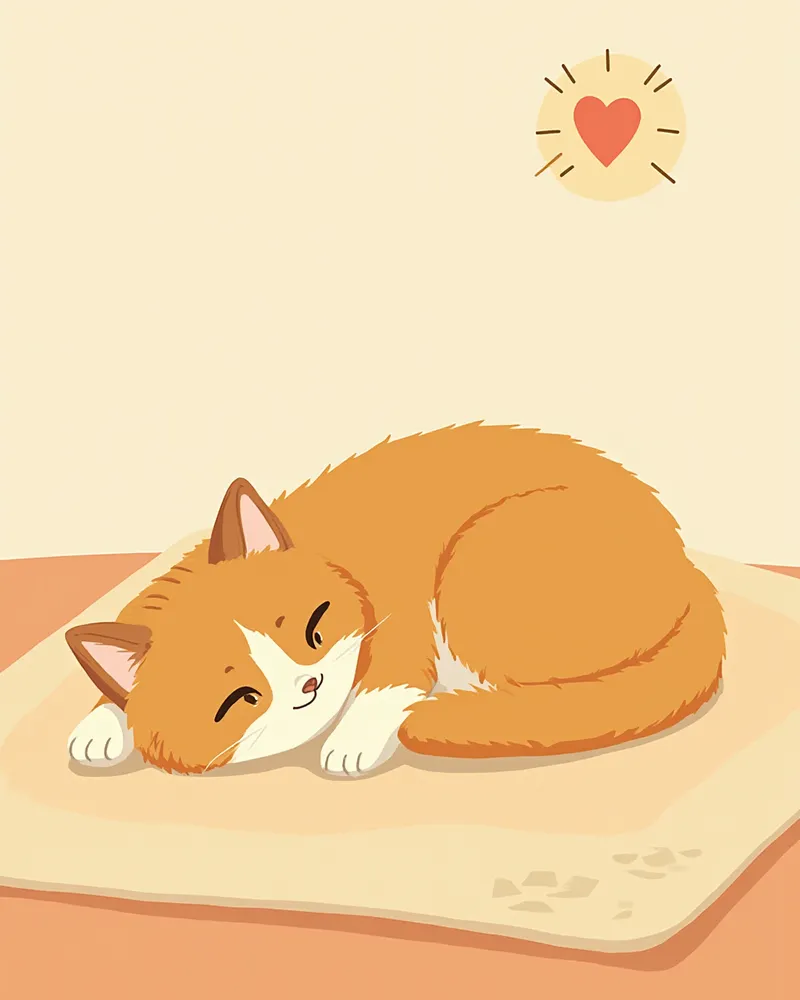
A Norwegian Forest cat resting, accompanied by an icon representing heart health.

Hip Dysplasia — A Joint Issue in Large Cat Breeds
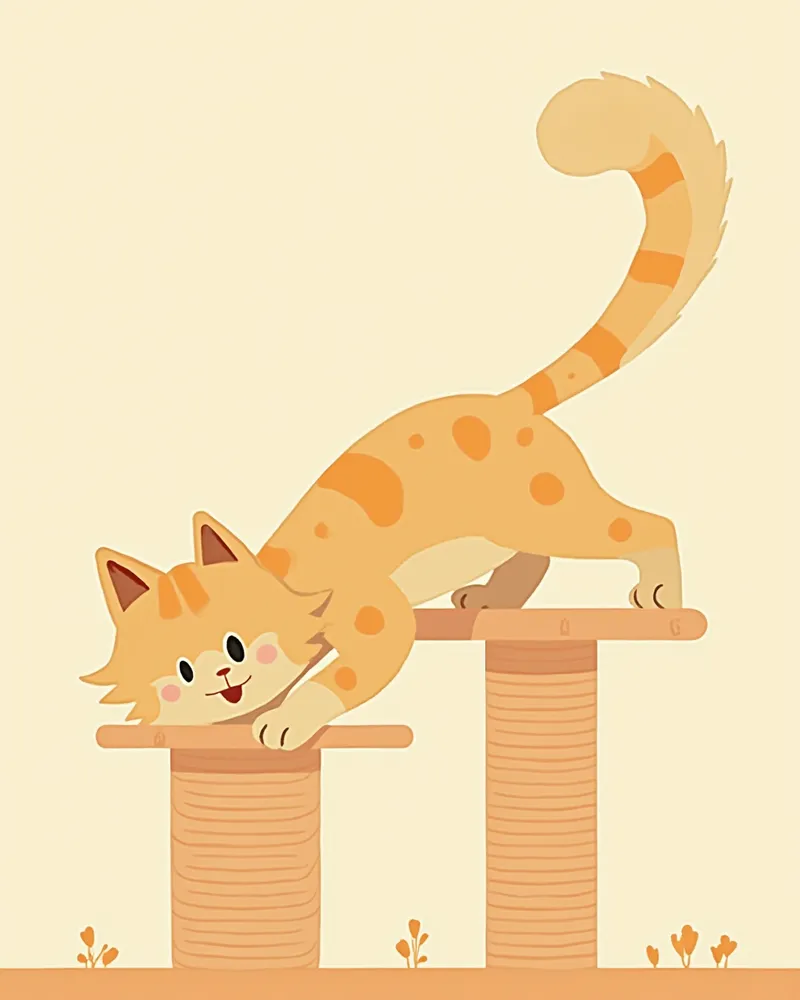
Hip dysplasia is a condition in which the head of the femur does not fit properly into the pelvic socket, resulting in joint instability. It is more commonly seen in larger breeds, such as the Norwegian Forest Cat. Common signs include reluctance to jump onto high surfaces, limping on the hind legs, or difficulty standing up after sitting. Because cats tend to hide pain, even a decrease in activity level should raise suspicion of a joint problem. Diagnosis is made through X-ray imaging, and management depends on the severity of the condition, typically involving weight control, joint supplements, and physical therapy.
A Norwegian Forest Cat carefully descending from a cat tower

Go to the Vet Immediately If You See These Symptoms

Sudden open-mouthed panting or labored breathing, dragging of the hind legs with cold paw pads, or a sharp decline in appetite may indicate an emergency. As hypertrophic cardiomyopathy progresses, acute cardiovascular complications can occur alongside heart failure. In particular, symptoms such as sudden difficulty breathing or impaired hind limb function may be critical signs requiring immediate veterinary intervention, making prompt action essential upon symptom onset. If you notice these symptoms, take your pet to an animal hospital without delay.

Regular Check-ups Are the Best Prevention
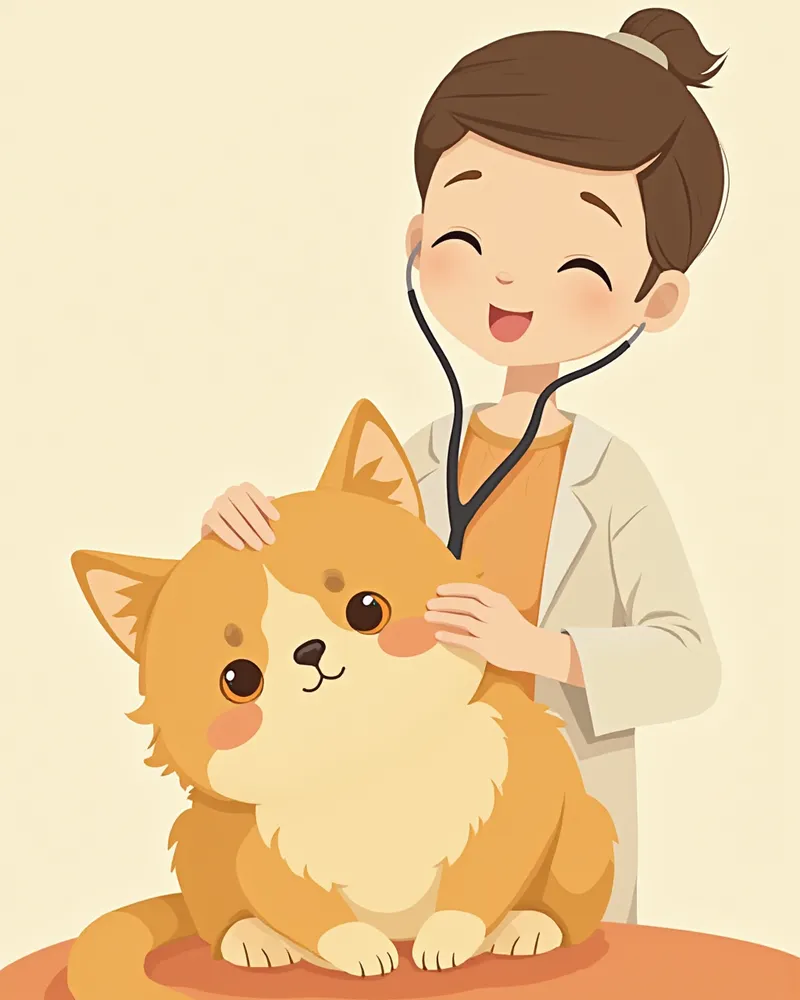
Since both hypertrophic cardiomyopathy and hip dysplasia often show no obvious symptoms in their early stages, early detection through regular check-ups is essential.
Echocardiogram: This is the most accurate non-invasive method for assessing heart wall thickness and function. According to veterinary cardiology textbooks, breeding cats are recommended to undergo annual screenings between the ages of 1 and 3, with follow-up exams at ages 5 and 8. However, the specific screening schedule for your individual cat should be determined in consultation with your veterinarian.
X-ray: This allows for evaluation of the hip joints. It is advisable to have an X-ray taken once around 1 to 2 years of age, when growth is complete.
Cardiac Biomarker Blood Test: This blood test provides an indirect assessment of heart health. It yields more accurate results when used in conjunction with an echocardiogram.
A Norwegian Forest cat undergoing a stethoscope examination by a veterinarian

Health Care Practices to Implement in Daily Life

Weight Management: Norwegian Forest cats show considerable individual variation in adult weight, with males typically ranging from 5 to 9 kg and females from 4 to 6 kg. Because obesity places strain on both the heart and joints, it is important to consult your veterinarian to determine and maintain an ideal body weight.
Appropriate Exercise: Help your cat maintain a moderate level of activity using cat trees and toys. However, avoid environments that encourage jumping from excessive heights, as this can stress the joints.
Install Stepped Platforms: Placing a set of steps next to beds or cat trees can significantly reduce joint strain when your cat climbs up and down.

Glycogen Storage Disease Type IV — Check in Advance with Genetic Testing

Glycogen storage disease type IV, a rare genetic condition in Norwegian Forest Cats, can vary in progression among individuals. It’s advisable to conduct genetic testing before breeding to identify carriers. When acquiring a kitten from a breeder, it’s safest to review the genetic test results of both parent cats.

Reviewed by a veterinarian

Dr. Tony — Punnawat Phongkittirak

Dr. Tony — Punnawat Phongkittirak

Veterinarian

A veterinarian who majored in veterinary medicine at Khon Kaen University, Thailand, and completed the IVSA program at North Carolina State University in the United States. Drawing on clinical experience at animal hospitals, he works in the pet healthcare field and is dedicated to building a digital care environment that connects pet parents with veterinarians.

Frequently Asked Questions

At what age should Norwegian Forest cats begin having heart screenings?
According to veterinary cardiology textbooks, breeding cats are recommended to undergo an annual cardiac ultrasound screening between the ages of 1 and 3, followed by re-screening at ages 5 and 8. Because hypertrophic cardiomyopathy can develop at any age, it is important to consult with your veterinarian to determine an appropriate examination schedule tailored to your cat’s individual needs.
Is surgery always necessary for hip dysplasia?
Surgery isn’t always necessary. In mild cases, weight management, joint supplements, and environmental modifications can be enough to manage the condition effectively. If symptoms are severe, consult your veterinarian about whether surgery is appropriate.
Can hypertrophic cardiomyopathy be detected in advance through genetic testing?
Genetic testing is used as a diagnostic aid in several breeds, including Maine Coons and Ragdolls. However, since no specific genetic mutations have been identified in Norwegian Forest Cats, early detection through echocardiography is the most effective approach.
What is the ideal weight for a Norwegian Forest cat?
For adult cats, the typical weight range is 5–9 kg for males and 4–6 kg for females. However, since there can be significant individual variation, it’s best to consult with your veterinarian to determine the ideal weight for your cat’s specific body type.

Share

Related Guides

References

[1] Textbook of Cardiovascular Medicine in Dogs and Cats — Chapter 11: Hypertrophic Cardiomyopathy

[2] The Cat, Clinical Medicine and Management, 2nd Edition — Cardiac Myosin-Binding Protein C and HCM

[3] The Veterinary Workbook of Small Animal Clinical Cases — Case 38: Feline HCM with ATE

[4] Textbook of Small Animal Orthopaedics — Hip Dysplasia in Cats

This information is based on veterinary literature and does not replace diagnosis or treatment. Please consult a veterinarian for specific health concerns.

Metapet Co., Ltd. | CEO: Park Sung-yong | Business Reg. No. 417-88-02562 | Seoul, South Korea | Customer Center

Norwegian Forest Cat Health: Heart & Joint Disease Care | Meongsiljang