Like
Share
멍실장
포메라니안 건강 관리 가이드 — 기관허탈·슬개골 탈구 예방과 관리

Pomeranian Health Care Guide — Prevention and Management of Tracheal Collapse and Patellar Luxation

RespiratoryBreed HealthMeongsiljang Veterinary Advisory Board

Pomeranians are the breed most susceptible to tracheal collapse and patellar luxation. We’ve summarized the symptoms, prevention methods, and daily care tips for both conditions based on veterinary textbooks.

What Health Issues Are Pomeranians Vulnerable To?
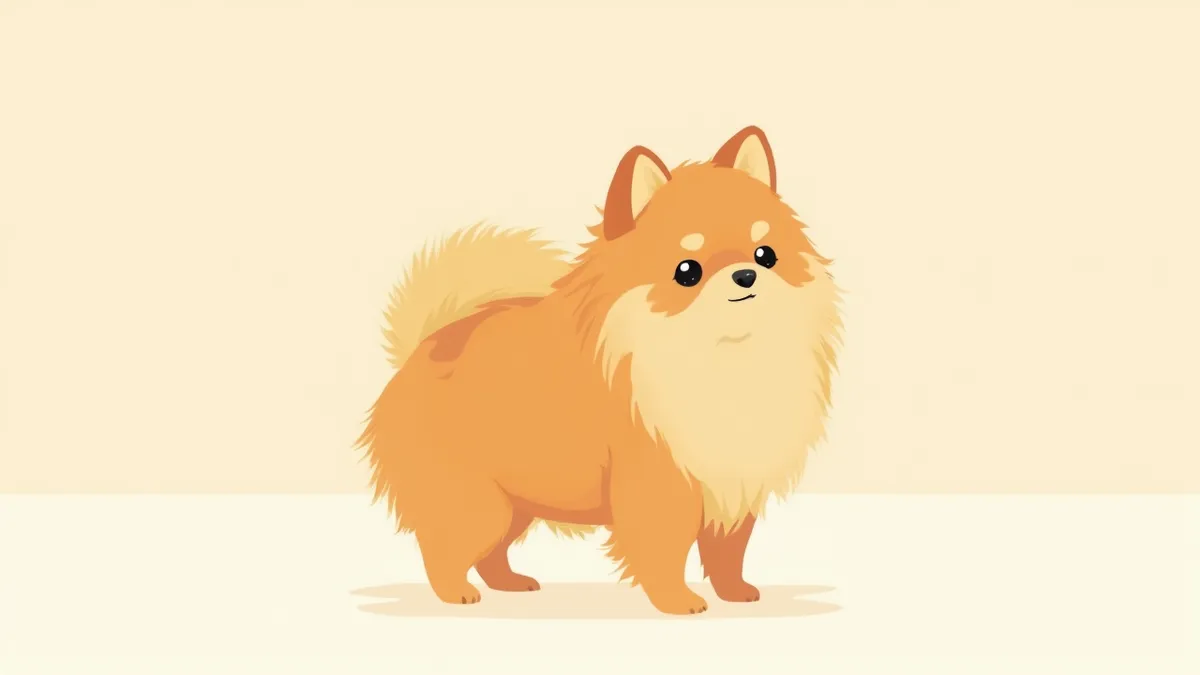
A healthy Pomeranian standing upright
Pomeranians are one of the breeds particularly prone to tracheal collapse and patellar luxation. Despite their small size, they are quite active, and small-breed dogs are known to be susceptible to degenerative changes that gradually weaken the cartilage in the trachea. Additionally, the patella can easily dislocate due to accumulated stress on their small joints. Early detection and weight management are key to managing both of these conditions. Here are essential health care tips that Pomeranian owners should know.

Top 5 Conditions Pomeranians Should Watch Out For

Tracheal Collapse: This condition occurs when the cartilage in the trachea weakens, causing the airway to narrow. A hallmark symptom is a cough that sounds like a goose honk.
Patellar Luxation: This is a condition where the kneecap slips out of its normal position. It is one of the most common orthopedic issues in small-breed dogs.
Dental Disease: Due to crowded teeth in their small jaws, these dogs are prone to tartar buildup and gum disease. Regular dental cleanings are essential.
Alopecia: This is an idiopathic hair loss condition frequently seen in Pomeranians. Hormonal imbalance is suspected to be the underlying cause.
Hypoglycemia: Because of their small size, skipping meals can cause blood sugar levels to drop rapidly. This is especially dangerous for puppies.

What Symptoms Indicate Tracheal Collapse?
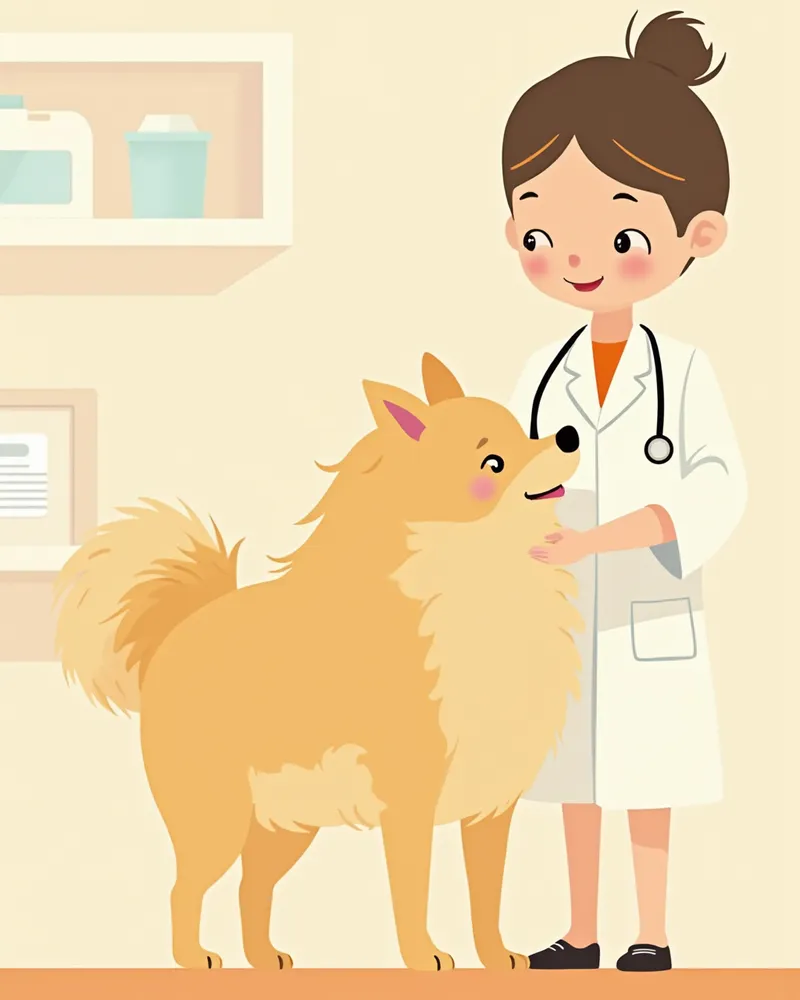
Tracheal collapse is a progressive, degenerative condition in which the cartilage rings that support the trachea gradually flatten, narrowing the airway. It is commonly seen in older small-breed and toy-breed dogs, particularly small breeds such as Pomeranians. According to veterinary internal medicine textbooks, tracheal collapse is classified into stages (grades) based on endoscopic findings. The characteristic honking cough, resembling a goose’s honk, is often triggered by activity or excitement, when pressure is applied to the trachea (such as when pulling on a leash), or while drinking water. As the condition progresses, coughing and difficulty breathing may occur even at rest, and in severe cases, cyanosis—bluish discoloration of the mucous membranes—may develop. Symptoms often worsen in hot weather, in overweight dogs, or during periods of excitement.
A Pomeranian undergoing a bronchial examination at a veterinary clinic

Visit the Vet Immediately If You See These Symptoms

If your dog’s coughing persists without stopping, their tongue and gums turn blue, or they have severe wheezing while breathing, it’s an emergency. Especially in hot weather, if your dog is panting excessively and coughing, you should visit the vet immediately. In stages 3 to 4 of tracheal collapse, oxygen supplementation may be necessary.

Why Is Patellar Luxation Common in Pomeranians?
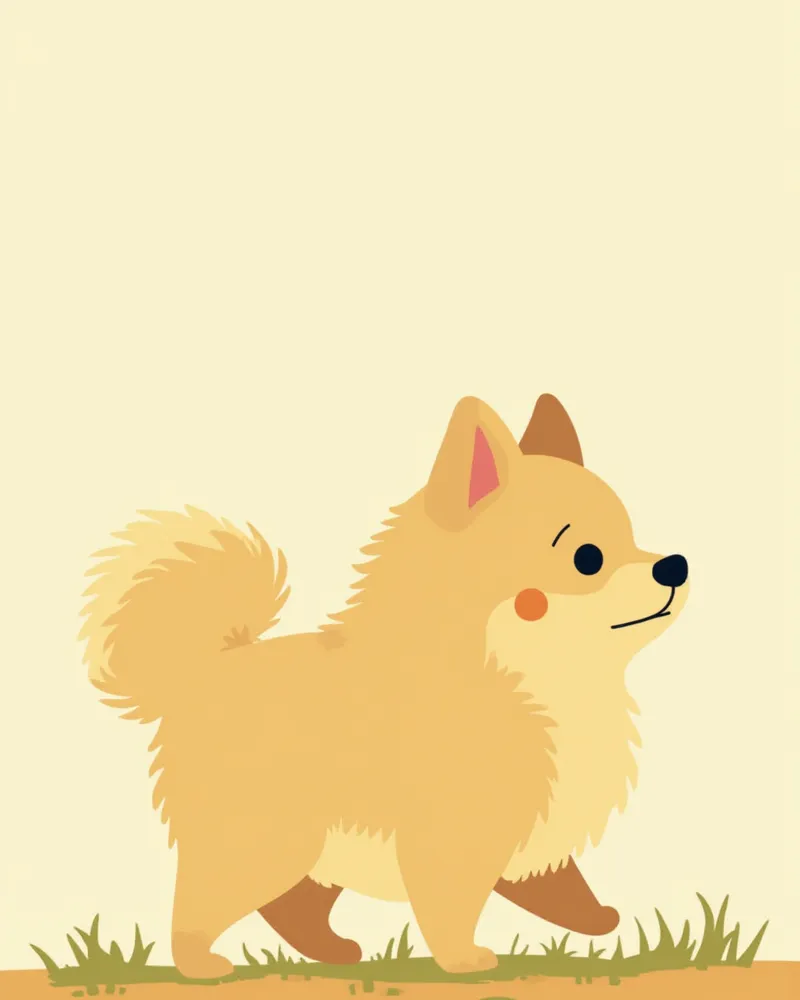
Patellar luxation is a condition in which the kneecap (patella) slips out of its normal position, either inward or outward. According to veterinary orthopedic textbooks, small-breed dogs are prone to this issue because they often have a shallow femoral groove and misaligned tibial structures, making the patella more likely to dislocate. In Grade 1, the kneecap can be manually pushed out of place but returns to its normal position on its own. In Grade 2, the dog may occasionally lift its leg while walking, and the kneecap spontaneously returns to place. In Grades 3 and 4, the kneecap remains dislocated or does not return to its proper position, requiring surgical intervention. Pomeranians are genetically predisposed to being born with Grade 1 or 2 patellar luxation. If you’d like to learn more about the symptoms of patellar luxation, please refer to our Patellar Luxation Symptoms Guide.
A side view of a Pomeranian walking in the park

How to Manage Tracheal Collapse

Tracheal collapse is difficult to cure completely, but with proper management, symptoms can be significantly reduced.
Weight management: Obesity is the biggest factor that worsens tracheal collapse. Simply maintaining an appropriate weight can help reduce coughing.
Use a harness: Using a chest harness instead of a collar can reduce pressure on the trachea.
Environmental management: Avoid respiratory irritants such as cigarette smoke, dust, and scented candles.
Temperature management: On hot days, reduce outdoor walks and keep indoor temperatures cool.
If symptoms become severe, your veterinarian may prescribe cough suppressants, sedatives, or steroids.

Prevention and Management of Patellar Luxation

While patellar luxation is largely congenital, proper daily care can help prevent it from worsening.
Weight Management: Excess weight puts strain on the knee joint and can exacerbate luxation. Consult your veterinarian to determine your dog’s ideal weight.
Slip Prevention: Slippery floors are a common trigger for worsening patellar luxation. Use carpets or non-slip mats to provide better traction.
Appropriate Exercise: Low-impact exercises that strengthen the muscles around the knee can be beneficial. Avoid activities that involve jumping down from heights.
Regular Check-ups: Even in stages 1 and 2, regular veterinary check-ups ensure you won’t miss the signs of progression. If surgery becomes necessary, refer to our Patellar Surgery Guide.
A Pomeranian walking on a non-slip mat

Don’t Forget Dental Care and Hypoglycemia Prevention

Pomeranians have small mouths with tightly packed teeth, making them prone to tartar buildup and gum disease. It’s recommended to have them professionally cleaned at a veterinary clinic at least once a year, and daily brushing helps maintain long-term dental health. Hypoglycemia is especially dangerous in Pomeranians under six months of age. Skipping meals can cause blood sugar levels to drop rapidly, leading to weakness, tremors, and in severe cases, seizures. The key to prevention is feeding small, frequent meals.

When Tracheal Collapse and Patellar Luxation Occur Simultaneously

Pomeranians frequently suffer from both tracheal collapse and patellar luxation. If you completely restrict exercise due to coughing, muscle weakness can worsen the patellar luxation. Conversely, excessive or strenuous exercise can exacerbate symptoms of tracheal collapse. It is important to consult with your veterinarian to develop an exercise regimen and management plan that carefully balances the needs of both conditions.

Reviewed by a veterinarian

Dr. Tony — Punnawat Phongkittirak

Dr. Tony — Punnawat Phongkittirak

Veterinarian

A veterinarian who majored in veterinary medicine at Khon Kaen University, Thailand, and completed the IVSA program at North Carolina State University in the United States. Drawing on clinical experience at animal hospitals, he works in the pet healthcare field and is dedicated to building a digital care environment that connects pet parents with veterinarians.

Frequently Asked Questions

Can tracheal collapse in Pomeranians be cured with surgery?
Surgical interventions for tracheal collapse, such as tracheal stent placement, are considered in severe cases. While surgery can significantly improve symptoms, it should be viewed as a means of managing the condition rather than a cure. Always consult with your veterinarian to determine whether surgery is appropriate for your pet.
When is the best time to perform patellar luxation surgery?
The timing of surgery is determined by your veterinarian based on the severity of symptoms and the degree of impairment in daily activities. In mild cases, management often involves weight control and muscle strengthening. If your pet frequently lifts its leg or experiences severe limping, it is advisable to consult with your veterinarian about the appropriate timing for surgery.
Can Pomeranian hair loss be treated?
Hair loss in Pomeranians is often difficult to treat because the underlying cause is not always clear. However, we can identify the cause through hormone tests and other diagnostics, then attempt appropriate treatment. In most cases, the skin itself is healthy.
How often should a Pomeranian have a health checkup?
For adult dogs, we recommend regular check-ups once or twice a year. If your dog has been diagnosed with tracheal collapse or patellar luxation, it’s best to follow up with check-ups every three to six months, as advised by your veterinarian.

Share

Related Guides

References

[1] Clinical Medicine of the Dog and Cat, 4th Ed — Chapter 15: Musculoskeletal Disorders (Patellar Luxation)

[2] Textbook of Veterinary Orthopaedic Surgery — Chapter 11: Patellar Luxation

[3] Small Animal Internal Medicine, 6th Ed (Nelson & Couto) — Chapter 20: Tracheal Collapse

[4] BSAVA Manual of Canine and Feline Dentistry and Oral Surgery, 4th Ed — Dental Disease in Small Breeds

This information is based on veterinary literature and does not replace diagnosis or treatment. Please consult a veterinarian for specific health concerns.

Metapet Co., Ltd. | CEO: Park Sung-yong | Business Reg. No. 417-88-02562 | Seoul, South Korea | Customer Center

Pomeranian Health Guide: Tracheal Collapse & Patella | Meongsiljang