Like
Share
멍실장
메인쿤 HCM 검진 일정: 언제·어떻게 받아야 할까?

Maine Coon HCM Screening — When and How to Get It

HeartBreed HealthMeongsiljang Veterinary Advisory Board

Maine Coons are genetically predisposed to hypertrophic cardiomyopathy (HCM). We’ve compiled an easy-to-read guide covering age-specific screening schedules, genetic testing, and key points to check during echocardiograms.

Why Regular Screening Is Essential for Maine Coons and HCM

A healthy Maine Coon cat sitting in the examination room.
Maine Coons are a large breed with a genetically higher risk of hypertrophic cardiomyopathy (HCM). The key is to detect it early with an echocardiogram, even in the absence of symptoms. HCM is the most common heart muscle disease in cats, and in Maine Coons, the A31P mutation in the MYBPC3 (myosin-binding protein C) gene is considered a primary cause. However, the disease can still develop with age even in cats without this mutation, so genetic testing alone isn’t enough to rule out HCM. Regular echocardiograms are essential.

What Is Maine Coon HCM?

Hypertrophic cardiomyopathy (HCM) is a condition in which the left ventricular wall thickens, impairing the heart’s ability to relax properly. According to veterinary cardiology textbooks, HCM is the most common myocardial disease in cats, and Maine Coons are known to carry it in an autosomal dominant pattern. However, because penetrance is incomplete, not every kitten with the genetic mutation will develop the disease. Conversely, HCM can also arise from other causes even in the absence of the mutation. Therefore, we use both genetic testing and echocardiography.

Age-Specific Screening Schedule (Recommended Intervals)
The table below outlines the general recommended screening intervals for Maine Coon owners. If your cat has already tested positive for a genetic mutation or has a family history of the condition, more frequent screenings are advised. Please consult your veterinarian to determine the most appropriate schedule for your pet.
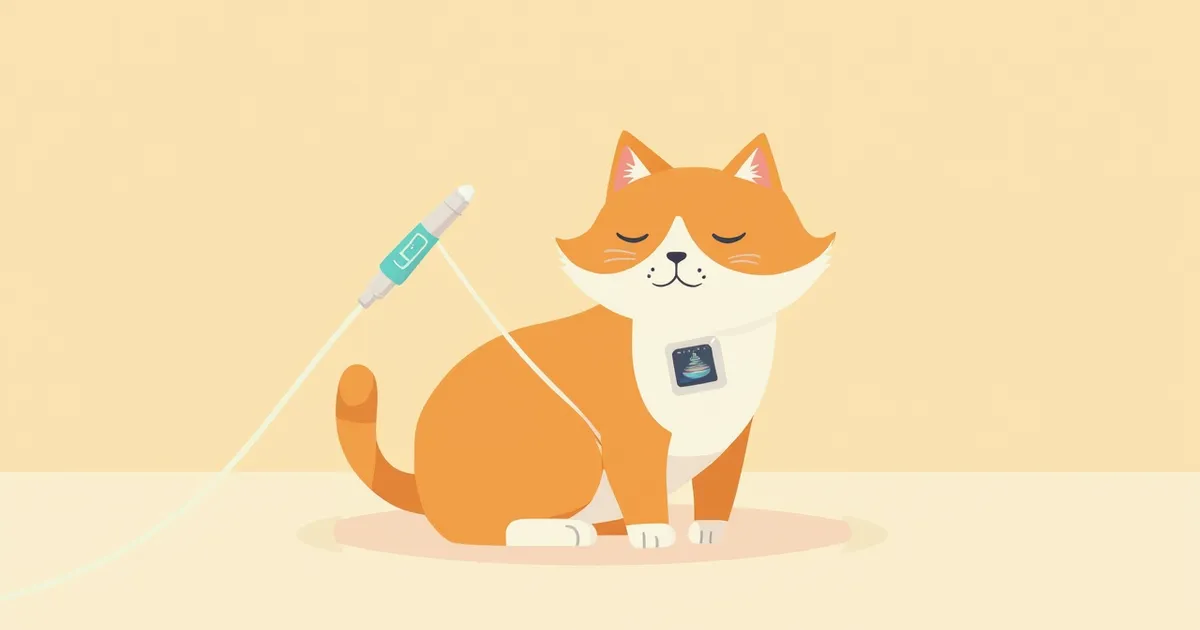
A Maine Coon undergoing an echocardiogram examination.

Recommended Screening Intervals for Maine Coon HCM

ItemUnder 1 year1–3 years4–6 years7 years and older
Genetic test (MYBPC3)Once (once in a lifetime)
Echocardiogram (baseline)Once around 12 monthsYearlyYearlyYearly to every 6 months
Auscultation/blood pressureAt vaccination visitsOnce a yearOnce a yearTwice a year
NT-proBNP (blood test)As neededAs neededConsider once a yearOnce a year recommended

If mutation-positive or there is a family history, set shorter intervals. Determine the final schedule with your attending veterinarian.

See These Signs? Go to the Vet Immediately, Regardless of Schedule!

HCM often shows few symptoms in its early stages but can deteriorate suddenly. If you notice noticeably rapid breathing or open-mouth breathing, sudden coldness and paralysis in the hind legs (suspected thromboembolism), or fainting and collapse, do not wait for a scheduled appointment—seek emergency veterinary care immediately. Cats have a tendency to hide pain and difficulty breathing, so by the time signs appear, the condition is often already critical.

How Is the Screening Conducted?

The screening consists of three main components: - Genetic testing: This checks for the MYBPC3 A31P mutation using a cheek swab or a small blood sample. Since genes do not change over a lifetime, a single test is sufficient. - Echocardiogram: This is the most sensitive and standard non-invasive test for diagnosing HCM in cats, as it directly assesses left ventricular wall thickness and diastolic function. It is often performed while the cat is awake and without sedation; however, because the patterns of hypertrophy in HCM vary widely and handling cats can be challenging, the experience of a skilled specialist is crucial. - Blood test (NT-proBNP): This serves as a supplementary blood marker to help assess cardiac stress. However, this test alone cannot confirm an HCM diagnosis, as echocardiography remains the cornerstone of diagnosis. Therefore, your veterinarian will determine whether to perform this test and how to interpret the results.
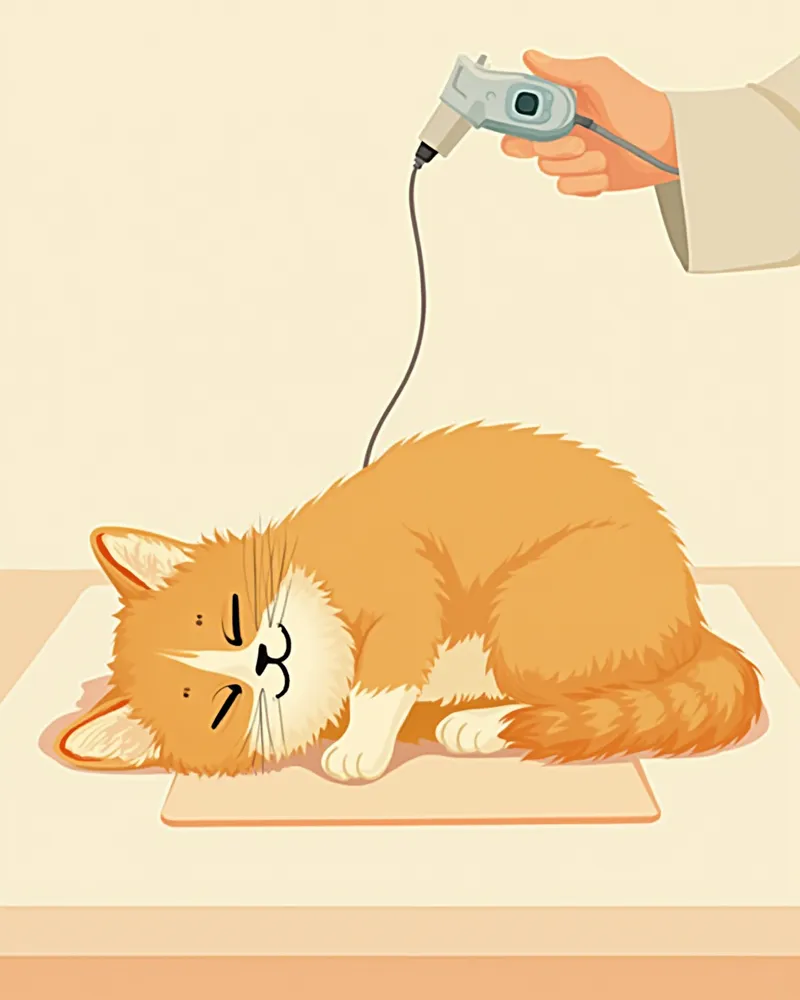
An echocardiogram screen and the veterinarian’s hands performing the examination

Key Points for Interpreting Genetic Test Results

This genetic test is designed to be valid only for Maine Coons and Ragdolls. According to research cited in veterinary cardiology textbooks, approximately 34% of asymptomatic Maine Coons carry the mutation, and at 5.4 years of age, 88% of those who tested positive showed no signs of HCM on ultrasound. In other words, a negative result does not guarantee that the cat won’t develop the disease later in life, and a positive result does not mean the cat will necessarily show symptoms. Don’t let a single test result give you false reassurance or cause you to give up; regular ultrasound monitoring is essential.

Must-Check for Breeding Purposes!

Genetic testing is especially recommended for breeding purposes. According to veterinary cardiology textbooks, Maine Coons that inherit the MYBPC3 mutation from both parents (homozygous) are at high risk of developing severe HCM at a young age. Heterozygous cats (with one copy of the mutation) have a lower risk, but they are not completely safe. Before breeding, it is a responsible choice to check both the genetic test results and echocardiograms of the parent cats.

If Screening Is Positive or Abnormal Findings Are Detected
A diagnosis of HCM doesn’t mean you should lose hope right away. The management approach depends on the severity of the condition and whether symptoms are present. - Asymptomatic mild cases: In some cases, we may simply shorten the interval between echocardiogram check-ups for monitoring. - Diastolic dysfunction / atrial enlargement: Medication and blood clot prevention may be necessary. - Congestive heart failure stage: Immediate hospitalization and treatment are required. Your veterinarian will determine the appropriate medications and dosages based on your pet’s condition, so please do not stop or adjust the dosage on your own.
A Maine Coon and its owner relaxing comfortably at home

Reviewed by a veterinarian

Dr. Tony — Punnawat Phongkittirak

Dr. Tony — Punnawat Phongkittirak

Veterinarian

A veterinarian who majored in veterinary medicine at Khon Kaen University, Thailand, and completed the IVSA program at North Carolina State University in the United States. Drawing on clinical experience at animal hospitals, he works in the pet healthcare field and is dedicated to building a digital care environment that connects pet parents with veterinarians.

Frequently Asked Questions

If the genetic test is negative, do I still need to have an echocardiogram?
Not necessarily. HCM can develop from causes other than MYBPC3 mutations, and it can also occur later in life as an acquired condition. Even if the test result is negative, we recommend having an echocardiogram at least once a year.
At what age should a Maine Coon undergo genetic testing for hypertrophic cardiomyopathy (HCM)?
Since genes remain unchanged throughout a dog’s life, a single test is sufficient. The ideal time for testing should be determined in consultation with your veterinarian, and it is especially recommended to complete the test in advance if you are planning to breed.
Is sedation (anesthesia) always necessary for an echocardiogram?
In most cases, the procedure is performed while your pet is awake and without sedation. We only consider mild sedation if your pet is particularly sensitive or restless.
What is the life expectancy of a Maine Coon with HCM?
The prognosis varies significantly depending on the severity of the condition. If the disease is detected while asymptomatic and managed consistently, pets can live healthily for several years. However, the outlook may worsen if complications such as congestive heart failure or blood clots develop. Early detection is key.
My cat is a mix with Maine Coon in its lineage. Should I have it tested?
If your cat’s Maine Coon lineage is confirmed, genetic testing can be helpful. However, since the test is optimized for Maine Coon and Ragdoll mutations, it’s more practical to focus on echocardiography if the pedigree is uncertain.

Share

Related Guides

References

[1] Textbook of Cardiovascular Medicine in Dogs and Cats — Hypertrophic Cardiomyopathy chapter

[2] The Cat, Clinical Medicine and Management, 2nd Edition — Feline Cardiomyopathy

[3] Meurs KM et al., A cardiac myosin binding protein C mutation in the Maine Coon cat with familial hypertrophic cardiomyopathy, Human Molecular Genetics, 2005

This information is based on veterinary literature and does not replace diagnosis or treatment. Please consult a veterinarian for specific health concerns.

Metapet Co., Ltd. | CEO: Park Sung-yong | Business Reg. No. 417-88-02562 | Seoul, South Korea | Customer Center

Maine Coon HCM Screening: When and How to Get It | Meongsiljang