Like
Share
멍실장
러시안블루 이중모 그루밍 완벽 가이드

Russian Blue Double Coat Grooming: Complete Guide to Brushing, Shedding, and Hairball Prevention

Skin & CoatBreed HealthMeongsiljang Veterinary Advisory Board

The Russian Blue’s dense double coat requires brushing two to three times a week, with extra attention during seasonal transitions. We’ve put together a comprehensive guide covering everything from understanding their double-coat structure and choosing the right grooming tools to recognizing signs of skin issues.

What is the Russian Blue Double Coat?

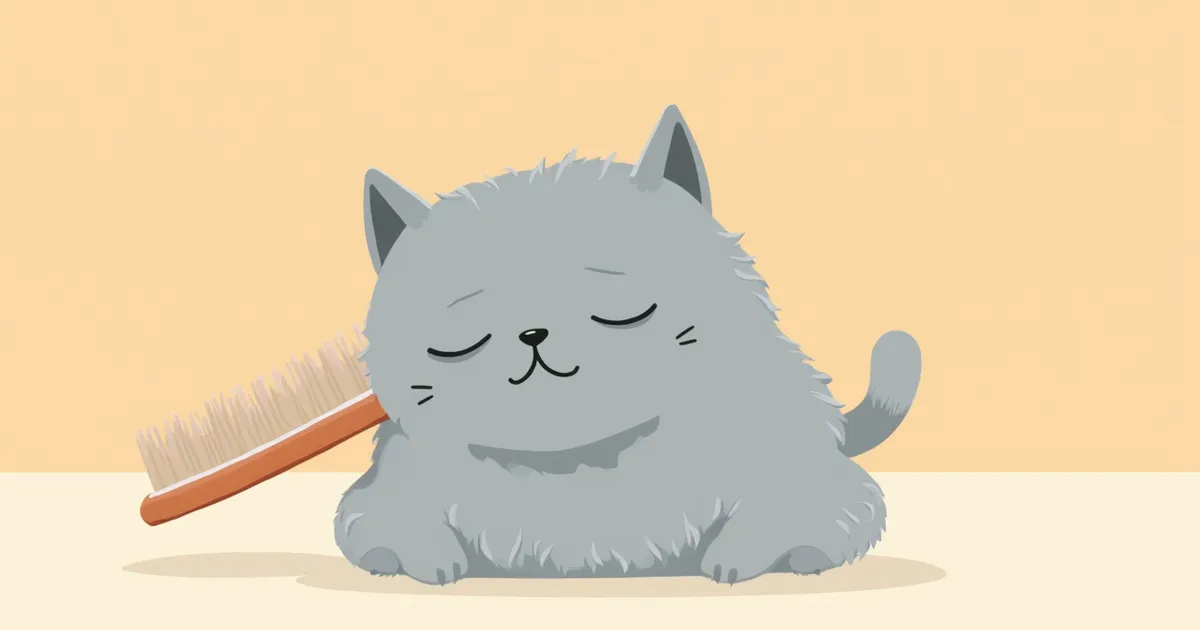
A close-up photo showcasing the dense double coat structure of the Russian Blue.
The Russian Blue is a medium-sized short-haired cat with a short but dense double coat consisting of guard hairs and an undercoat. Regular brushing is beneficial for this breed. The most important thing is to dispel the misconception that short-haired cats don’t need brushing. Although the coat appears short on the surface, the dense undercoat can easily trap shed hairs within it. By regularly brushing out these loose hairs, you can help maintain healthy fur and skin. In particular, the undercoat sheds noticeably with the seasons, so it’s especially helpful to brush more frequently during transitional periods to remove dead hair.

Understanding the Double Coat Structure

The Russian Blue’s coat consists of two layers, each serving a distinct purpose. - Guard hair (Primary coat): These are the thick, sturdy outer hairs that provide shine and protect the coat from external irritants. Primary hairs shed gradually year-round. - Undercoat (Secondary coat): This layer of short, soft inner hairs helps maintain body temperature and provides insulation. Secondary hairs shed seasonally. - Density: The tightly packed undercoat enhances the overall warmth and soft texture of the coat. - Texture: The coat is so soft and resilient that it is often described as “plush.” Because the dense undercoat can easily trap loose hairs within the coat, regular brushing is essential to remove them.

Brushing Frequency and Duration

For Russian Blues, brushing two to three times a week is ideal under normal conditions, while daily brushing for five to ten minutes is recommended during seasonal transitions. - Regular periods (winter and summer): Brush two to three times a week for five minutes each session. - Seasonal transitions (spring and autumn): Brush once daily for ten minutes per session. - Bathing frequency: Bathing once every one to two months is sufficient. - Self-grooming: They spend considerable time licking themselves, which can easily lead to hairballs. Brushing too frequently or too vigorously can damage the coat and cause it to lose its shine. Always brush gently in the direction of hair growth.
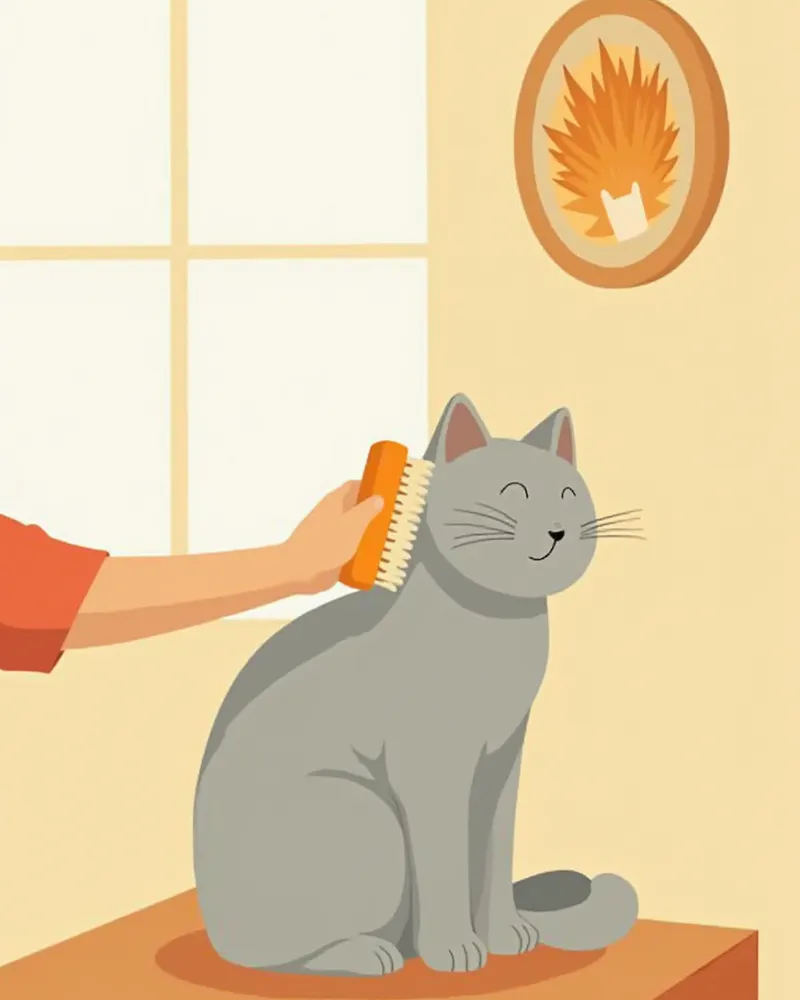
A pet owner's hand gently brushing a Russian Blue

Signs That May Indicate Skin Issues

If you notice any of the following signs, it may indicate a skin condition rather than simply a lack of grooming. A veterinary visit is necessary if symptoms persist for more than 24 hours or worsen. - Excessive licking or scratching focused on one specific area - More dandruff or flaking than usual - Hair falling out in clumps or circular patches of hair loss - Redness, oozing, or scabbing on the skin - Unusual resistance to grooming

Recommended Grooming Tools

For Russian Blues, whose double coat requires careful attention, choosing the right grooming tool makes all the difference. - Rubber brush: Effectively removes dead hair and provides a soothing massage. - Slicker brush (with soft pins): Ideal for detangling the undercoat; avoid stiff pins, which can irritate the skin. - Fine-toothed comb: Perfect for the final touch-up and helps prevent the formation of small hairballs. - Grooming glove: A gentle option for cats who dislike traditional brushing. Please avoid slicker brushes with overly sharp metal pins, as they can cause skin injuries.

Comparison of Tool Features

ItemRubber brushSlicker brushFine-tooth comb
Main useRemoving dead hairTidying undercoatFinishing/hairball prevention
Skin irritationLowMediumLow
Effectiveness during shedding seasonGoodVery goodModerate
Recommended for beginnersTrueTrueFalse

Rather than using one tool alone, we recommend using 2–3 together in stages

Step-by-Step Grooming Method
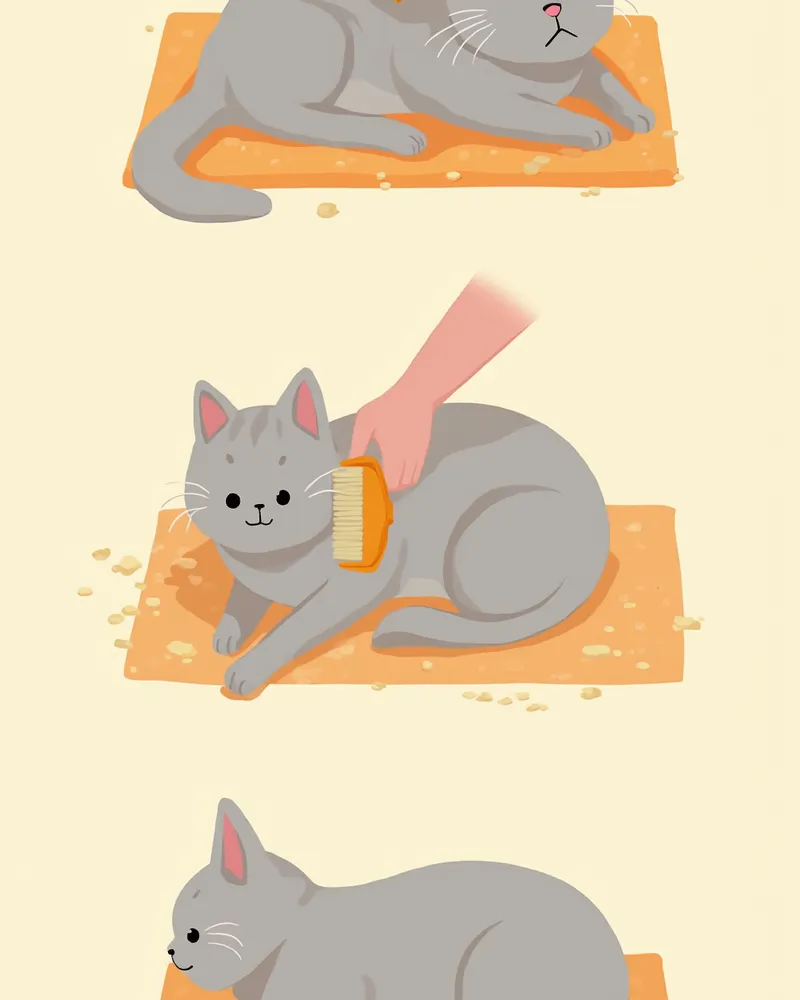
When brushing a Russian Blue, follow the direction of the coat and proceed gently, step by step. 1. Preparation: Calm your cat with treats or affectionate petting. 2. Rubber brush: Stroke along the coat from the back to the sides, then to the tail. 3. Slicker brush: Gently lift the undercoat with light strokes. 4. Comb for finishing: Detangle areas prone to knots, such as the neck, chest, and inner hind legs. 5. Face and ears: Use your fingers or a small comb to gently groom these areas. Handle sensitive areas like the belly, tip of the tail, and between the paw pads with extra care.
Step-by-step grooming of a Russian Blue cat

Intensive Shedding Care During Seasonal Transitions

Russian Blues shed noticeably during spring (March–May) and autumn (September–November). Here are the key care points for these seasons: - Increase grooming frequency: Brush for 5–10 minutes daily to promptly remove loose hair. - Ensure adequate hydration: Place multiple water bowls around the home to help your cat pass hairballs. - Hairball care food and treats: Use products with high dietary fiber content. - Indoor humidity: Maintain humidity levels between 40% and 60% to reduce static electricity and dandruff. If your cat vomits hairballs more than twice a week during shedding season, please consult a veterinarian.

Health Points for Russian Blue Owners to Watch

For Russian Blues, it’s helpful to monitor not only grooming habits but also their overall health and behavior. However, there is no clear evidence that Russian Blues are particularly prone to specific diseases, so rather than focusing on breed stereotypes, please pay close attention to changes in your pet’s usual condition. - Adequate hydration and a balanced diet rich in high-quality protein support healthy skin and coat. - Excessive or sudden increases in self-grooming may signal stress, pain, or skin disease. - Also watch for behavioral changes such as decreased appetite or energy, irritability, or withdrawal. Areas where your cat has licked or pulled out fur may feel short and rough to the touch. If you notice any abnormal signs such as frequent urination or pain during urination, it is safest to have your pet examined by a veterinarian right away, regardless of breed.

Reviewed by a veterinarian

Dr. Tony — Punnawat Phongkittirak

Dr. Tony — Punnawat Phongkittirak

Veterinarian

A veterinarian who majored in veterinary medicine at Khon Kaen University, Thailand, and completed the IVSA program at North Carolina State University in the United States. Drawing on clinical experience at animal hospitals, he works in the pet healthcare field and is dedicated to building a digital care environment that connects pet parents with veterinarians.

Frequently Asked Questions

I’ve heard Russian Blues are a low-allergen cat breed. Does that mean I don’t need to brush them as often?
Not at all. Even though they’re known to have relatively few allergic reactions, that doesn’t mean you can skip grooming. In fact, regularly brushing out loose hair and dander helps reduce the allergens and irritants that spread into the environment. After brushing, be sure to wash your hands and keep the brush clean.
My dog has a double coat. Is it okay to clip it?
Unless there is a specific medical reason, we do not recommend it. Double coats help maintain body temperature and aid in thermoregulation through their length and density, so shaving them short can impair this function. Since these breeds can typically be well-maintained with regular brushing alone, clipping should only be considered when absolutely necessary, such as for skin treatment, and decided in consultation with your veterinarian.
How often should I bathe my pet?
Bathing once every one to two months is sufficient. Over-bathing can strip away natural oils, leading to dry skin and increased dandruff. Use a hypoallergenic shampoo formulated specifically for cats, and make sure to dry your cat thoroughly afterward.
My pet really hates being brushed. What should I do?
Start by keeping sessions to just 30 seconds and ending with a treat to build a positive association. Keep every step short and gentle, only proceeding when your pet is comfortable, and always pair the experience with rewards. You can begin with a grooming glove and gradually transition to a brush. Forcing your pet if they try to escape will only increase their resistance.
Is it normal for my cat to keep throwing up hairballs?
While occasional hairballs are common, frequent vomiting accompanied by a loss of appetite or lethargy is not considered normal. These symptoms could indicate gastrointestinal obstruction or other digestive disorders, so a veterinary examination is necessary.

Share

Related Guides

References

[1] Susan Little, The Cat: Clinical Medicine and Management, 2nd Edition, 2024

[2] Schmeltzer & Norsworthy, Nursing the Feline Patient, Wiley-Blackwell

[3] Heath & Wilson, Feline Behavioral Health and Welfare

This information is based on veterinary literature and does not replace diagnosis or treatment. Please consult a veterinarian for specific health concerns.

Metapet Co., Ltd. | CEO: Park Sung-yong | Business Reg. No. 417-88-02562 | Seoul, South Korea | Customer Center

Russian Blue Grooming: Brushing, Shedding & Hairball Care | Meongsiljang