
Like
Share
멍실장
래브라도 리트리버 건강 관리 – 관절·귀·비만 완벽 가이드

Labrador Retriever Health Care – The Complete Guide to Joints, Ears, and Obesity

JointBreed HealthMeongsiljang Veterinary Advisory Board

We’ve compiled a guide to the most common health issues that Labrador Retrievers are particularly prone to—such as hip and elbow dysplasia, obesity, and otitis externa—along with everyday care tips to help keep them healthy.

Check These First to Raise a Healthy Labrador Retriever

A Labrador Retriever standing healthily in the park
Labrador Retrievers are particularly prone to hip dysplasia, elbow dysplasia, obesity, and otitis externa. As a large, active breed with a strong appetite, they often face joint and weight issues. Their floppy ears also make them more susceptible to ear infections. However, these conditions can be effectively prevented with proper knowledge and care. Here are the essential health tips every Labrador Retriever owner should know.

5 Common Health Issues to Watch for in Labrador Retrievers

Knowing the common health issues in Labrador Retrievers can make early intervention much easier.
Hip Dysplasia: This condition occurs when the hip socket doesn’t form properly, leading to limping and pain in the hind legs.
Elbow Dysplasia: Abnormal development of the front leg joints can cause gait abnormalities, often detected during the growth phase.
Obesity: Labradors have a strong appetite and are prone to overweight, which can worsen joint problems.
Otitis Externa: Their floppy ears trap moisture, making them susceptible to bacterial and yeast infections.
Subcutaneous Lumps: As they age, lumps may appear under the skin. It’s difficult to determine their nature by touch alone, so it’s best to have any new lumps checked by a veterinarian.

Why Are Hip and Elbow Dysplasia So Common in Labradors?
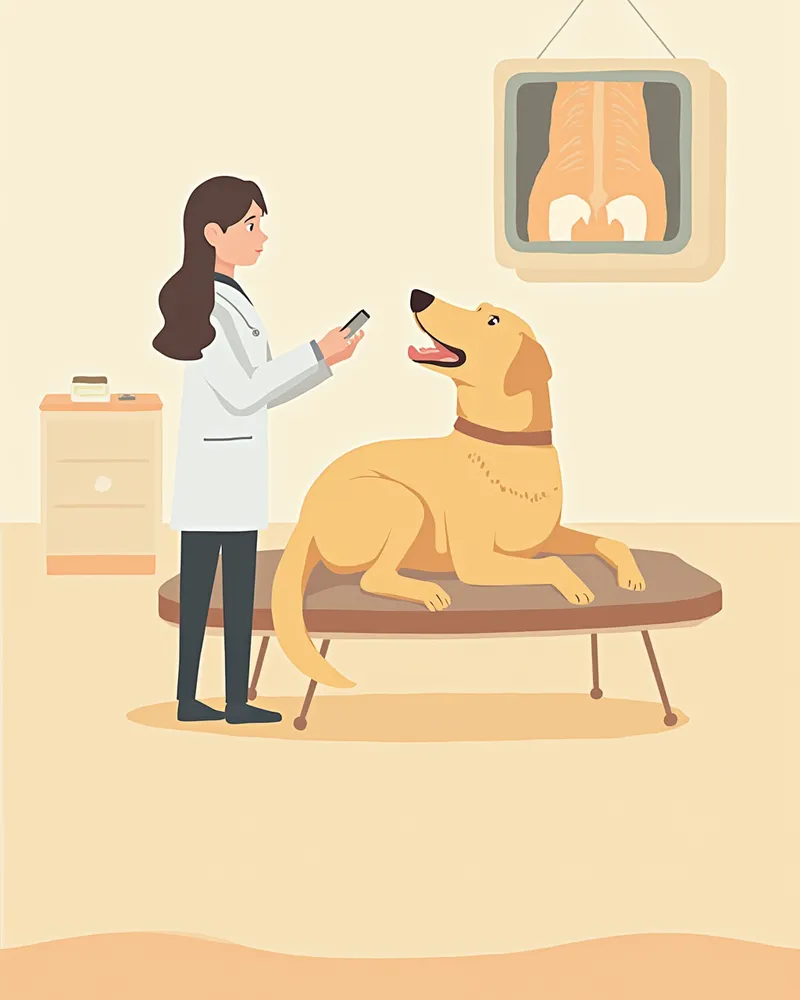
Labrador Retrievers are among the large breeds most prone to hip and elbow dysplasia. According to veterinary orthopedic textbooks, while genetic factors play the largest role, excessive nutrient intake and rapid weight gain during growth also increase the risk of developing these conditions. In particular, Labradors that overeat or grow too quickly as puppies are known to have a higher risk of dysplasia. This is why proper nutritional management and weight control during the growth period can help prevent the condition. If symptoms are suspected, hip dysplasia can be evaluated through X-rays taken in the ventrodorsal (or dorsoventral) position. Elbow dysplasia is assessed using flexed mediolateral X-rays to look for osteoarthritic changes, but in early stages, abnormalities may not be visible on X-rays. In such cases, additional diagnostic tests such as nuclear medicine scans (scintigraphy), MRI, CT, or arthroscopy may be necessary. Depending on the severity, treatment options include weight management, physical therapy, and surgery, making early detection crucial.
A veterinarian examining the joints of a Labrador Retriever.

Obesity Is the Biggest Enemy of Joint Health

Labradors are at a higher risk of obesity compared to other breeds. Veterinary nutrition research shows that overweight Labradors (approximately 32 kg) have significantly higher blood levels of IGF-I (insulin-like growth factor 1) and lower growth hormone levels than normal-weight Labradors (approximately 23 kg), which can accelerate joint cartilage degeneration and the progression of osteoarthritis. Because obesity places stress on joint cartilage and is a major factor in worsening osteoarthritis, maintaining an ideal weight is essential for joint health. If you cannot easily feel your dog’s ribs or see a waistline, it’s a sign that weight management is needed.

How to Manage Your Labrador Retriever’s Weight

The key to maintaining a healthy weight in Labrador Retrievers is dietary management and consistent exercise.
Portion Control: The recommended feeding amounts on food packaging are often generous. It’s best to consult with your veterinarian to determine the precise portion size that matches your dog’s activity level.
Treat Limitation: Keep treats to no more than 10% of your dog’s daily caloric intake. Using kibble as training rewards is also a good option.
Regular Weight Checks: Weigh your dog at least once a month to monitor any changes.
Appropriate Exercise: Aim for 30 to 60 minutes of walking each day. If your dog has joint issues, low-impact activities like swimming are preferable.
A Labrador Retriever exercising by swimming

Ear Infections: A Chronic Issue for Labrador Retrievers

While the Labrador Retriever’s floppy ears are an adorable feature, they can be a vulnerability when it comes to health. Because the ears are covered, air circulation inside is poor, and moisture easily accumulates. If the ears are not thoroughly dried after swimming or bathing, the environment becomes ideal for bacteria and yeast to thrive. If your dog frequently scratches its ears, shakes its head, or if there is an odor coming from the ears, it may be a sign of otitis externa. Cleaning the ears with an ear cleanser one to two times a week can greatly help prevent this. If an infection has already developed, it is essential to seek veterinary care.

Daily Health Care Checklist for Labrador Retrievers

To enjoy a long, healthy life with your Labrador Retriever, consistent care habits are essential.
Weight monitoring: Check for obesity by weighing your dog once a month and feeling for their ribs.
Ear care: Clean your dog’s ears one to two times per week, and always dry them thoroughly after bathing or swimming.
Joint protection: The key is to lay mats on slippery floors, prevent jumping from heights, and maintain an ideal body weight.
Skin checks: If you feel lumps such as lipomas, record their size and location and have them examined by a veterinarian.
Regular check-ups: For dogs aged seven and older, it is safest to have a health check-up every six months.
A guardian caring for a Labrador Retriever at home

Always Verify Genetic Disease Screening Before Adoption

When adopting a Labrador Retriever, be sure to verify the hip and elbow dysplasia screening results of the parent dogs. Since these conditions have a strong genetic component, healthy joints in the parents significantly reduce the risk of your puppy developing them. It’s also a good idea to check for progressive retinal atrophy (PRA) genetic testing results.

Reviewed by a veterinarian

Dr. Tony — Punnawat Phongkittirak

Dr. Tony — Punnawat Phongkittirak

Veterinarian

A veterinarian who majored in veterinary medicine at Khon Kaen University, Thailand, and completed the IVSA program at North Carolina State University in the United States. Drawing on clinical experience at animal hospitals, he works in the pet healthcare field and is dedicated to building a digital care environment that connects pet parents with veterinarians.

Frequently Asked Questions

What is the ideal weight for a Labrador Retriever?
For adult dogs, males typically weigh between 29 and 36 kg, while females usually range from 25 to 32 kg. However, individual variation depends on skeletal size, so the most accurate approach is to consult your veterinarian to determine the ideal weight for your dog.
Do Labrador Retrievers absolutely need joint supplements?
While not essential for all Labrador Retrievers, you may consider supplementing with glucosamine or omega-3 fatty acids after consulting your veterinarian if your dog has a family history of hip dysplasia or is overweight.
How do you clean a Labrador Retriever’s ears?
Apply a veterinarian-recommended ear cleaner into the ear canal, then gently massage the base of the ear. Once your dog shakes its head, use a soft gauze pad to wipe only the outer opening of the ear. Avoid using cotton swabs, as they can push debris deeper into the ear canal.
Should I take my Labrador Retriever to the vet right away if it’s limping?
Even mild limping that persists for more than two to three days requires a veterinary examination. This is especially important for puppies, as it could be an early sign of dysplasia, making prompt evaluation crucial.

Share

Related Guides

References

[1] Piermattei D. et al., Brinker, Piermattei, and Flo's Handbook of Small Animal Orthopedics and Fracture Repair, 5th Ed, Elsevier, 2016

[2] Kealy R.D. et al., Effects of diet restriction on life span and age-related changes in dogs, Journal of the American Veterinary Medical Association, 2002

[3] Hand M.S. et al., Small Animal Clinical Nutrition, 5th Ed, Mark Morris Institute, 2010

[4] Marshall W. et al., The effect of weight loss on lameness in obese dogs with osteoarthritis, Veterinary Research Communications, 2010

[5] Fossum T.W., Small Animal Surgery, 5th Ed, Elsevier, 2019

This information is based on veterinary literature and does not replace diagnosis or treatment. Please consult a veterinarian for specific health concerns.

Metapet Co., Ltd. | CEO: Park Sung-yong | Business Reg. No. 417-88-02562 | Seoul, South Korea | Customer Center

Labrador Retriever Health: Joints, Ears & Obesity | Meongsiljang