
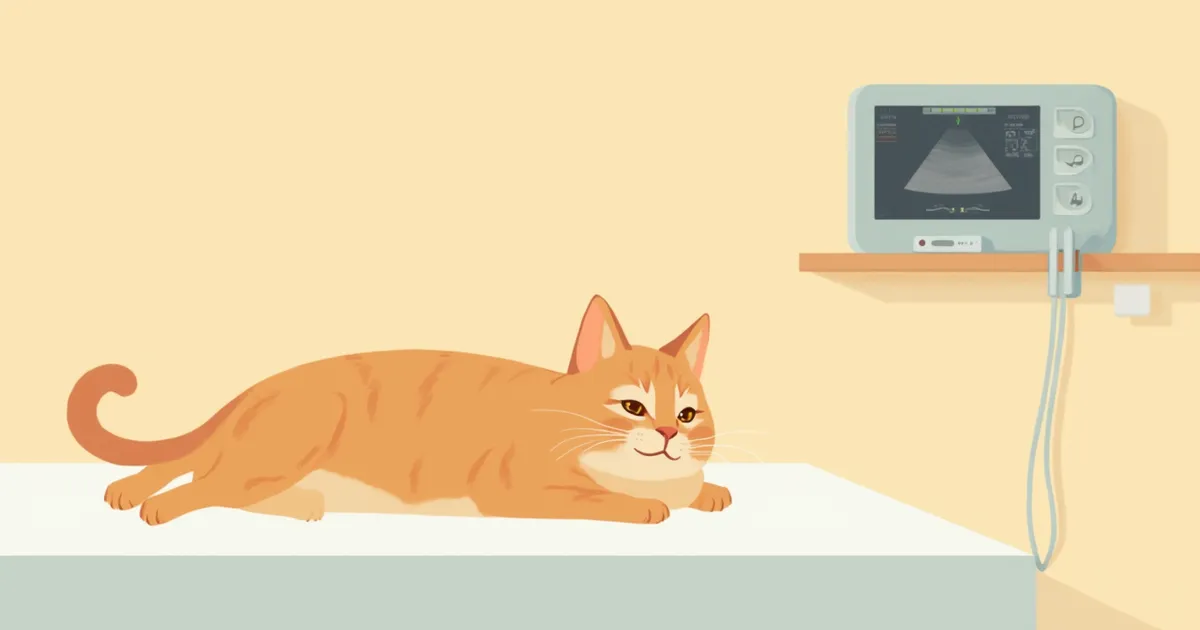
British Shorthair and Longhair HCM Screening — A Complete Guide from Timing to Frequency
British Shorthair and Longhair cats are breeds for which regular screening for hypertrophic cardiomyopathy (HCM) is recommended. We’ve compiled essential information for pet owners, including when to screen, how it’s done, and how to interpret the results.
Why is Screening Important for British Shorthairs, Longhairs, and HCM?

Why British Breeds Need to Be Cautious About HCM
HCM Warning Signs to Watch for at Home

Signs Requiring Immediate Emergency Care
Sudden hindlimb paralysis, open-mouth panting, and decreased consciousness may signal complications of hypertrophic cardiomyopathy (HCM), such as arterial thromboembolism (ATE) or pulmonary edema. Because the prognosis deteriorates rapidly over time, immediate transport to a 24-hour emergency animal hospital is essential.
How is HCM Screening Performed?
Screening Timing and Frequency at a Glance
| Item | Recommended test | Interval |
|---|---|---|
| 6–12 months | Basic auscultation + consider first echocardiography | Once |
| 1–7 years | Echocardiography + auscultation | Once a year |
| 7+ years | Echocardiography + NT-proBNP + blood pressure | 1–2 times a year |
| When a heart murmur is detected | Echocardiography + chest X-ray | Immediate detailed examination |
It is most accurate to have it done at a hospital where a veterinary cardiology specialist is available
Screening Costs and What Owners Should Prepare

If You Receive a "Borderline" Screening Result
If the heart wall thickness falls into a “borderline” range between normal and hypertrophic cardiomyopathy (HCM), veterinarians often opt to monitor the condition with a follow-up examination after a set period rather than starting medication immediately. During this time, regularly observing and recording whether your pet’s resting breathing rate increases can be very helpful in assessing any changes at the next visit. Please follow your veterinarian’s guidance regarding the specific follow-up schedule and monitoring criteria.
Daily Management Points After Diagnosis
Reviewed by a veterinarian

Dr. Tony — Punnawat Phongkittirak
VeterinarianA veterinarian who majored in veterinary medicine at Khon Kaen University, Thailand, and completed the IVSA program at North Carolina State University in the United States. Drawing on clinical experience at animal hospitals, he works in the pet healthcare field and is dedicated to building a digital care environment that connects pet parents with veterinarians.
Reviewed 2026-04-30
Frequently Asked Questions
Can British Shorthairs, like Maine Coons, be tested for HCM through genetic testing?
If my pet’s checkup results were normal when they were young, can I be reassured?
Does the absence of a heart murmur rule out HCM?
I'm worried about the cost of the tests. Do I really need to have them done every year?
Can surgery or treatment cure it?
Share
Related Guides

Coenzyme Q10 Benefits and Administration Guide

Dog Pulmonary Edema Warning — 7 Best Diuretics (Furosemide) for Heart Management

7 Best Prescription Diets for Feline Heart Disease Recommended by Veterinarians — Criteria for Choosing Low-Sodium Food

Himalayan Cat Health Care – A Complete Guide to Key Conditions and Management

American Curl Cat Health Care Guide

Birman Cat Health Care Guide

Siberian Cat Health Care Guide — Conditions to Watch For and Breed-Specific Care

Bombay Cat Health Care Guide

Abyssinian Health Management – Guide to Preventing Renal and Dental Diseases

Scottish Fold Health Care Guide — Prevention and Management of Joint and Ear Diseases
References
[1] Textbook of Cardiovascular Medicine in Dogs and Cats - Hypertrophic Cardiomyopathy chapter
[2] Small Animal Critical Care Medicine, 3rd Ed - Feline Cardiomyopathy Classification
[3] ACVIM Consensus Statement Guidelines for the Classification, Diagnosis, and Management of Cardiomyopathies in Cats (Luis Fuentes et al., 2020)