Like
Share
멍실장
시바이누 이중모 그루밍 (블로우)

Shiba Inu Double Coat Grooming — Complete Guide to Blow Coat, Brushing, and Bathing

Skin & CoatBreed HealthMeongsiljang Veterinary Advisory Board

Shiba Inus have a double coat, so proper blow-drying care during seasonal transitions is essential. Here’s a complete guide covering brushing, bathing, and the right tools for blow-drying.

What is a Shiba Inu’s double coat?
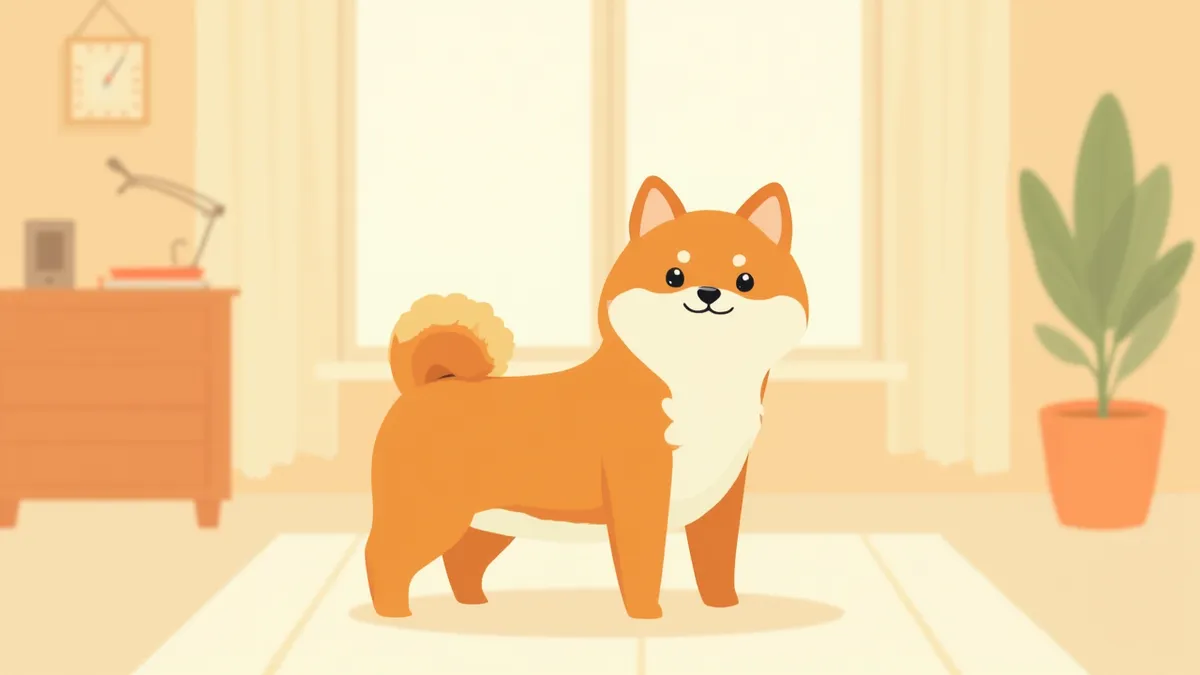
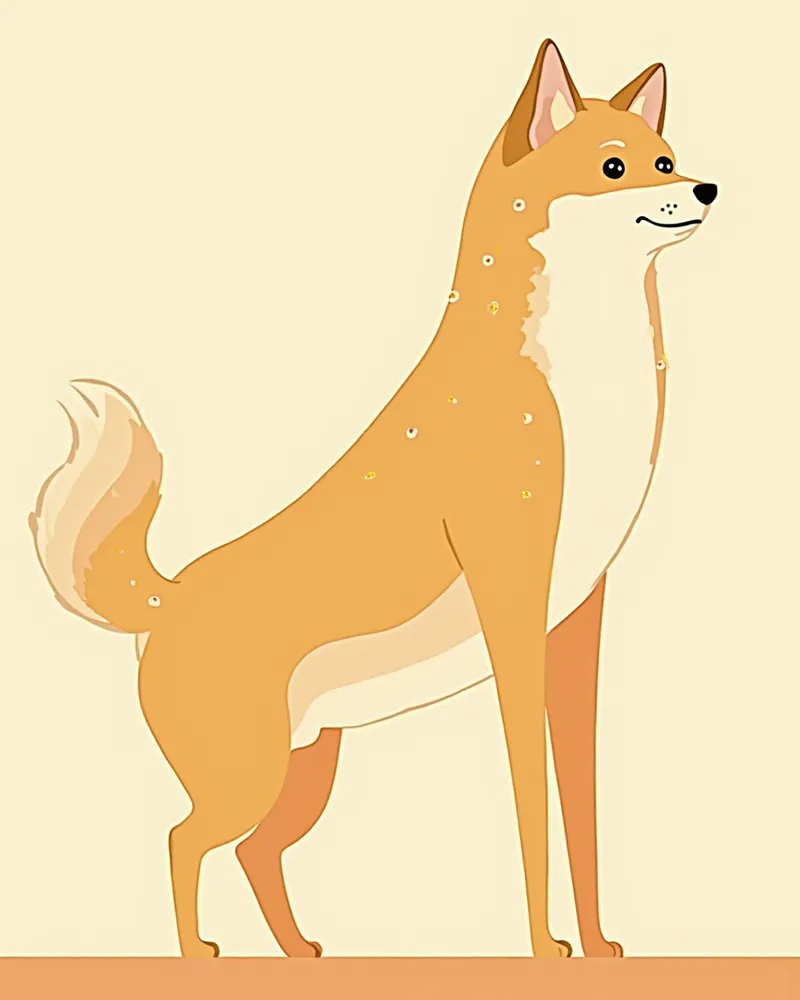
The appearance of a Shiba Inu with a thick double coat
Shiba Inus have a classic double coat consisting of a topcoat and an undercoat. The most critical aspect of care is managing the seasonal "blow" period. During spring and autumn, the undercoat sheds all at once; neglecting brushing during this time can easily lead to matting, dermatitis, and odor. Brushing two to three times a week is standard for regular maintenance, while daily brushing is essential during the blow season.

What is the blow coat season?

Blowing coat is the seasonal shedding phenomenon where the undercoat is shed in large quantities. Fur goes through a cycle of growth (anagen), regression (catagen), and resting (telogen) phases. During seasonal changes, the undercoat that has entered the resting phase falls out all at once, causing a noticeable increase in shedding. The pattern and timing of shedding vary depending on external temperature and humidity, nutritional status, and overall health. Therefore, if there are significant changes in indoor temperature and humidity, blowing coat may last longer than usual or occur irregularly. Since the exact cycle and duration vary greatly among individuals, please monitor the amount of hair loss and skin condition while adjusting the intensity of brushing.

Essential Grooming Tools Checklist

Choosing the right tools is half the battle when managing a Shiba Inu’s double coat. Using the wrong tools can cut the topcoat or irritate the skin.
Slicker brush: For removing surface tangles and general brushing
Undercoat rake: The essential tool for removing the undercoat during shedding season
Pin brush: For finishing and smoothing the coat
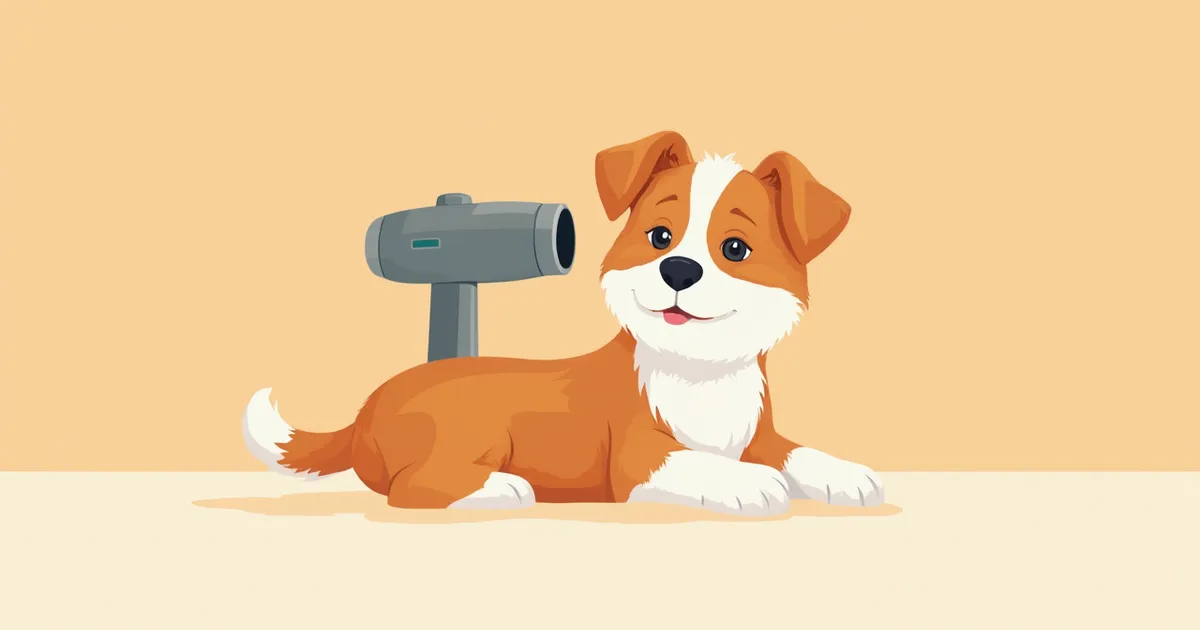
High-velocity dryer (blower): For drying the undercoat after bathing and separating dead hair
Metal comb: For checking for tangles behind the ears and in the armpits
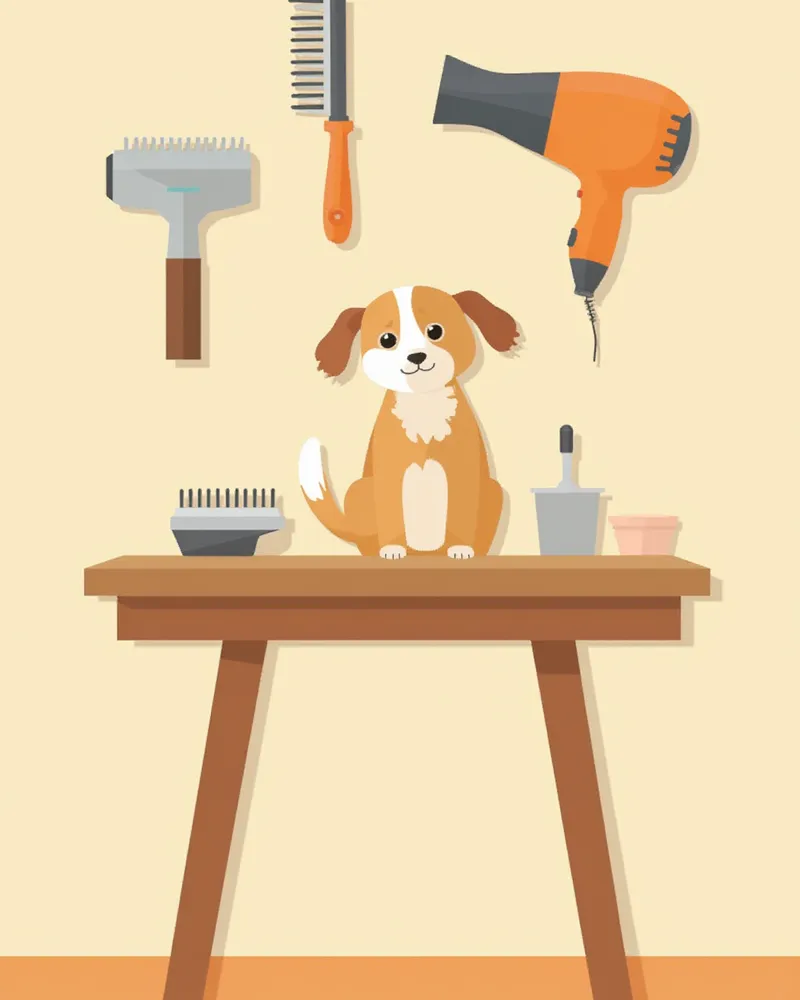
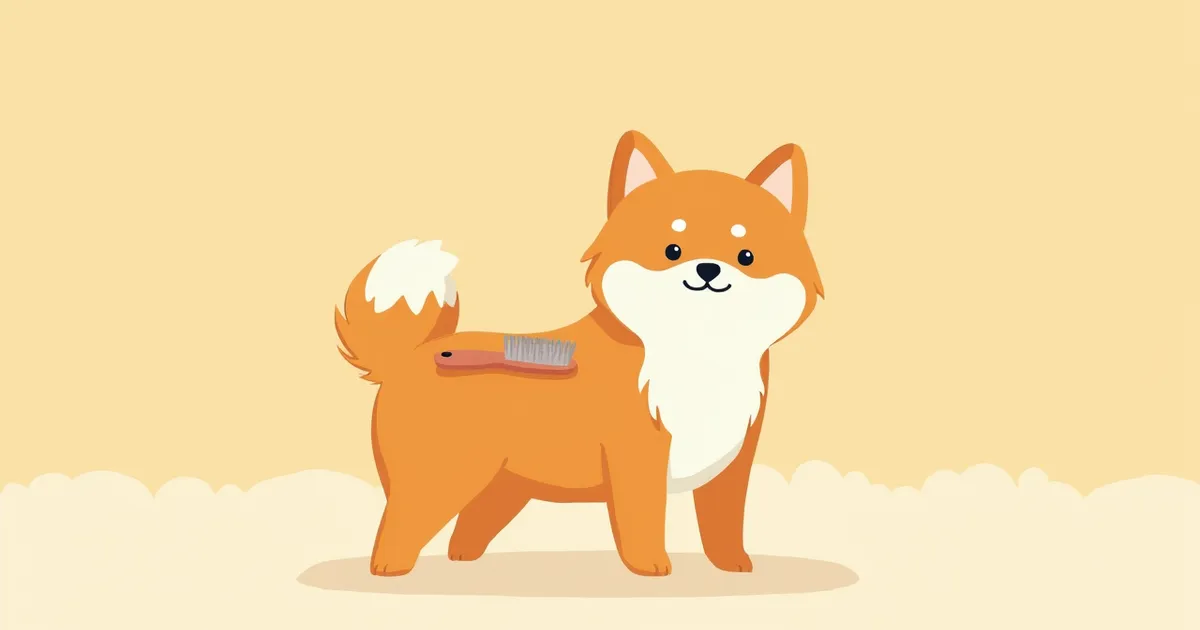
Shiba Inu Grooming Tool Set

Precautions During the Blow Coat Season

We do not recommend "clipping" with short clippers to remove the undercoat down to the skin as a basic grooming practice during shedding season. While clipping can help remove infected hair, it does not speed up shedding or recovery, and should be considered an optional treatment. Double coats serve protective and insulating functions through both the guard hairs and undercoat, so the best approach is to naturally remove dead, shed hair through brushing and blow-drying rather than forcibly shaving it off. If you notice any abnormalities in the skin or coat, please consult with a veterinarian before making any changes to your pet's grooming routine.

Weekly Brushing Routine

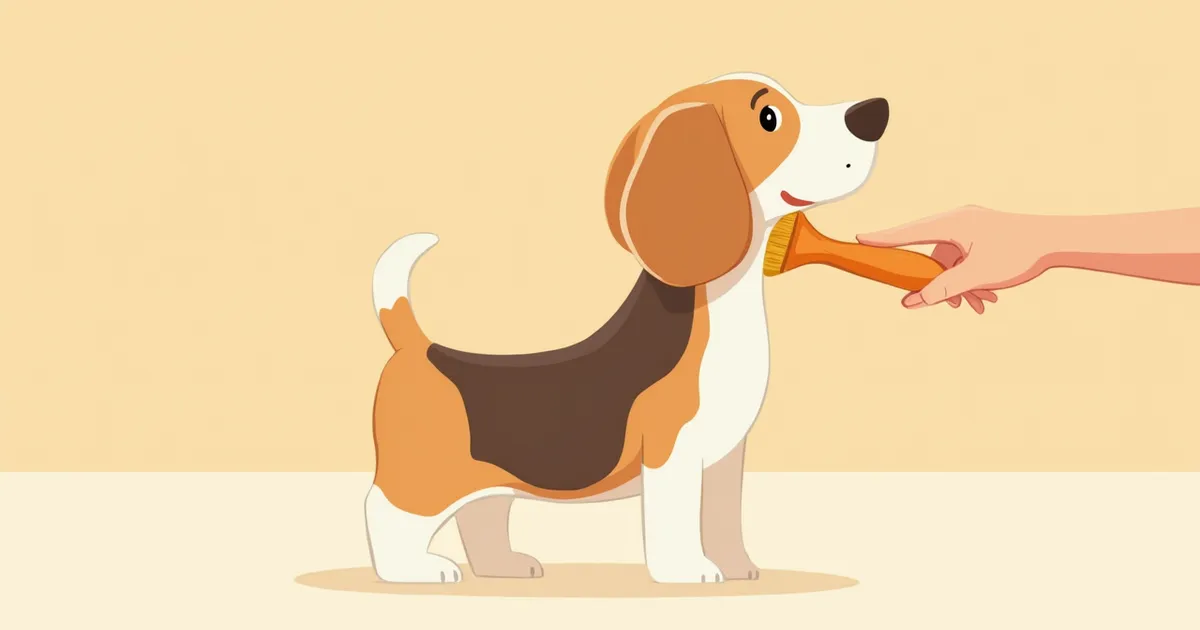
Adjust the frequency and tools you use depending on the season. On regular days, a light brushing is sufficient, but during shedding season, daily thorough grooming is essential. Each brushing session should last about 10 to 15 minutes, following this order: back, sides, hindquarters, and legs. Finally, use a metal comb to check for any remaining tangles.

Grooming Frequency by Season

ItemNormal timesBlowout seasonWinter
Brushing frequency2–3 times a weekOnce dailyTwice a week
Main toolsSlicker + pin brushUndercoat rake + blowerSlicker + pin brush
Bathing interval1–2 times a monthOnce every 2–3 weeksOnce a month
Time required10 min20–30 min10 min

There's individual variation, so adjust while monitoring the skin condition

Proper Bathing and Blow-Drying
Bathe your dog with lukewarm water (approximately 36–38°C) using a dog-specific, mildly acidic shampoo. The most critical steps are thorough rinsing and drying. Inadequate rinsing leaves residue trapped in the undercoat, which can trigger dermatitis. After bathing, towel-dry your dog and then use a pet dryer to ensure the undercoat is completely dry. Leaving the undercoat damp can easily lead to fungal dermatitis.
A Shiba Inu being dried with a blow dryer after a bath

Common Skin Issues in Shiba Inus

Atopic dermatitis, Malassezia (yeast) infections, and allergic dermatitis are common skin conditions in dogs. If you notice red rashes, dark brown discharge, or a fishy odor between the toes, inside the ears, in the armpits, or in the groin during grooming, do not dismiss it as simple shedding; please seek veterinary care. Treatment for Malassezia or bacterial skin infections primarily involves topical antiseptics and antimicrobials, but symptoms are best controlled when the underlying cause is also managed. Mistaking these issues for simple shedding and repeatedly brushing can increase irritation and worsen the condition.

Take Care of Joint Health Too

Shiba Inus are active dogs, so they sometimes injure themselves by jumping off the grooming table. Joint diseases such as hip dysplasia and osteoarthritis can affect multiple joints, including the knees (patella) and hips. Once these conditions develop, they can be managed but are difficult to cure completely, making it essential to avoid putting unnecessary strain on the joints in daily life. During grooming, use a non-slip mat and be careful not to force the legs into awkward positions. After grooming, carry your dog down instead of letting them jump directly to the floor. Additionally, keeping the hair on the paw pads trimmed short can help reduce slipping and further ease the burden on the joints.

Reviewed by a veterinarian

Dr. Tony — Punnawat Phongkittirak

Dr. Tony — Punnawat Phongkittirak

Veterinarian

A veterinarian who majored in veterinary medicine at Khon Kaen University, Thailand, and completed the IVSA program at North Carolina State University in the United States. Drawing on clinical experience at animal hospitals, he works in the pet healthcare field and is dedicated to building a digital care environment that connects pet parents with veterinarians.

Frequently Asked Questions

Do Shiba Inus need grooming (haircuts)?
For double-coated breeds, it’s best to avoid clipper cuts altogether. Instead, focus on trimming only the paw pads, around the anus, and other hygiene areas, while maintaining the rest of the coat through regular brushing and blow-drying.
The shedding season is so long. Is this normal?
In a temperature-controlled indoor environment, shedding may occur irregularly or last longer than usual. However, if you notice asymmetrical hair loss, skin redness, or itching, it’s important to have your pet checked for hormonal or skin-related conditions.
I’m having trouble blow-drying my pet at home. What should I do?
Start with a low fan speed, beginning at the hindquarters and gradually moving toward the head to help your pet adjust. Shield their ears and face with your hands, and rather than one long session, break it into several shorter intervals.
Can supplements that help reduce hair loss be beneficial?
Skin supplements containing omega-3, biotin, and zinc can help improve coat quality. However, supplements alone cannot prevent shedding entirely; regular brushing is the most effective approach.
I have a Shiba Inu hair allergy. Can I still own one?
Shiba Inus are not a hypoallergenic breed. During their shedding season, the amount of hair in the air increases significantly, so if you have allergies, it’s safest to spend plenty of time with one before adopting to check your reaction.

Share

Related Guides

References

[1] BSAVA Manual of Canine and Feline Dermatology, 4th Edition

[2] Hnilica & Patterson, Small Animal Dermatology, 4th Edition, 2017

[3] Miller, Griffin & Campbell, Muller and Kirk's Small Animal Dermatology, 7th Edition

This information is based on veterinary literature and does not replace diagnosis or treatment. Please consult a veterinarian for specific health concerns.

Metapet Co., Ltd. | CEO: Park Sung-yong | Business Reg. No. 417-88-02562 | Seoul, South Korea | Customer Center

Shiba Inu Double-Coat Grooming: Blow-Out, Brush & Bath | Meongsiljang