Like
Share
멍실장
샤페이 신장 아밀로이드증 — 호발 견종 평생 관리 가이드

Shar-Pei Renal Amyloidosis Complete Guide — From Symptoms to Lifelong Management

KidneyBreed HealthMeongsiljang Veterinary Advisory Board

Shar-Peis are at very high risk for renal amyloidosis associated with familial fever. Early detection of warning signs and lifelong monitoring for protein in the urine are critical to their longevity.

What is Shar-Pei Renal Amyloidosis?
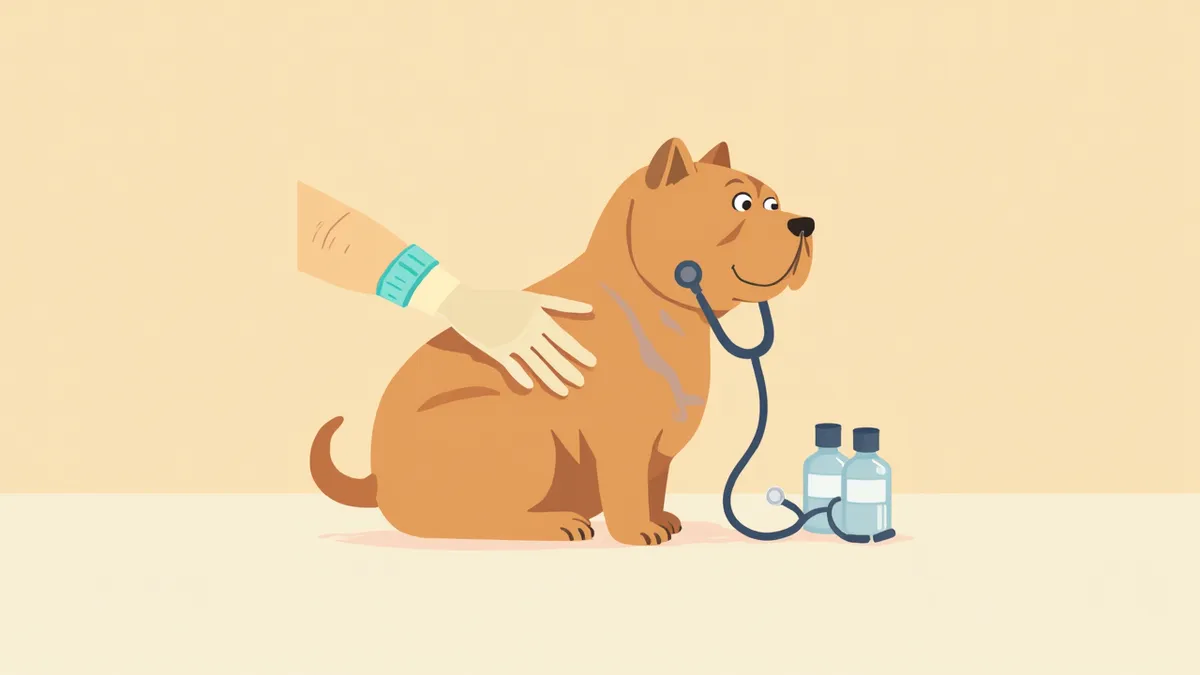
A Shar-Pei being examined by a veterinarian
Shar-Pei renal amyloidosis is a condition in which abnormal fibrous proteins (amyloid) with a beta-pleated sheet structure deposit outside the cells in the glomeruli and interstitium (the tissue between the tubules) of the kidneys. Certain breeds are known to have a familial (genetic) predisposition to this disease. When amyloid accumulates heavily in the glomeruli, moderate to severe proteinuria occurs; however, if deposition is primarily interstitial, proteinuria may be minimal or absent. As deposition progresses, nephrons are irreversibly lost, leading to chronic kidney disease. Therefore, early detection and lifelong monitoring are essential. If your dog experiences recurrent fever, ankle edema, and decreased appetite, these may be signs of kidney damage rather than a simple infection. Regular testing for proteinuria (UPC ratio) and creatinine is recommended to monitor kidney function.

Why Are Shar-Peis Particularly at Risk?

Shar-Peis are known to have a familial (genetic) predisposition to renal amyloidosis. Reactive systemic amyloidosis occurs when chronic stimuli such as infection, inflammation, or tumors cause excessive production of acute-phase proteins. The resulting abnormal proteins accumulate in amyloid form within the glomeruli and interstitium of the kidneys. Damage to the selective permeability of the glomeruli allows protein to leak into the urine, and over time, this leads to renal parenchymal injury and a gradual decline in kidney function. Consequently, even if your dog appears healthy on the surface, kidney damage can progress silently. If your dog’s parents or siblings have a history of kidney disease or amyloidosis, the risk is higher, so earlier and more frequent screening is recommended.

Key Symptoms Checklist

In the early stages, symptoms are often minimal or vague. If you notice two or more of the following signs, it’s advisable to have your pet undergo kidney testing. - Recurrent fever episodes: Fever that spikes over a few days and then resolves on its own, only to recur. - Ankle (joint) swelling: Reports indicate swelling and pain in one or both joints. - Polydipsia and polyuria: Increased water consumption and a higher volume of urine than usual. - Decreased appetite and vomiting: As kidney function declines, waste products accumulate, leading to uremic symptoms. - Weight loss and muscle wasting: These become more pronounced as the condition progresses. - Lethargy and halitosis (uremic breath odor): These are common indicators of advancing chronic kidney disease. Proteinuria (UPC) and creatinine levels are the most objective indicators. If you observe any of the above signs, please consult your veterinarian for urine and blood tests.
A guardian’s hand gently examining the swollen ankle of a Shar-Pei

Signs Requiring Immediate Veterinary Care

If any of the following occur, seek veterinary care within 24 hours, as kidney failure may be worsening rapidly. - A fever of 39.4°C (103°F) or higher lasting more than 36 hours - Little to no urination over 24 hours, or conversely, an inability to stop urinating - Repeated vomiting for more than 6 hours, accompanied by an inability to drink water - Pale or grayish gums - Rapid breathing and lethargy, with the pet lying down weakly

How Is It Diagnosed?

Diagnosing Shar-Pei renal amyloidosis (amyloidosis) is challenging because no single test can confirm it on its own. Instead, we typically proceed with a stepwise diagnostic approach. First, we check the urine protein-to-creatinine ratio (UPC), which is the most sensitive indicator of protein leakage from the kidneys. In cases of amyloidosis, the UPC is typically very high. Second, we measure serum creatinine and blood urea nitrogen (BUN) to assess kidney function. We also monitor phosphorus and albumin levels. Third, an abdominal ultrasound can reveal structural changes in advanced cases, such as kidney shrinkage and increased echogenicity (hyperechoic appearance). Fourth, a kidney biopsy provides a definitive histological diagnosis of amyloid deposition. However, in advanced stages where the kidneys are already shrunken and the UPC is extremely high, a biopsy may not be helpful and is therefore approached with caution. If proteinuria persists, we recommend consulting with a specialist to determine the best course of action.

Treatment and Management — A Lifelong Condition
Unfortunately, there is currently no medication that can completely reverse amyloid deposition, and chronic kidney disease involves an irreversible loss of functional kidney tissue. Therefore, the goal of treatment is to slow disease progression and manage complications. - Proteinuria management: Proteinuria places additional stress on the kidneys, so reducing it is important. Moderately restricting dietary protein can help decrease the amount of protein leaking into the glomeruli. Your veterinarian will determine whether medications to lower proteinuria are appropriate. - Phosphorus restriction: Manage hyperphosphatemia with renal prescription diets or phosphate binders to protect kidney function. - Omega-3 fatty acids: These are known to help reduce inflammation within the kidneys and support renal blood flow. - Adjunctive therapies such as colchicine: While used in some cases, the decision to use these medications and the appropriate dosage must be determined by your veterinarian based on your pet’s weight and kidney function. Do not adjust or discontinue medications without veterinary guidance, and schedule re-evaluations every 3 to 6 months.
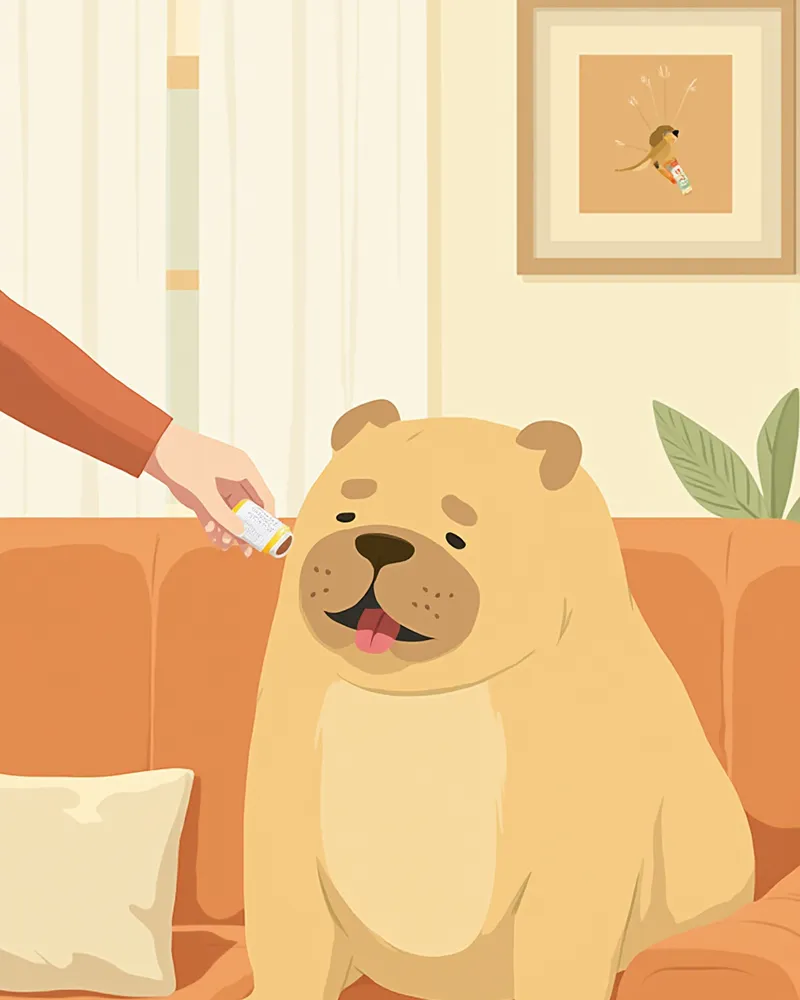
A Shar-Pei receiving medication from its owner

Diet and Daily Care Points

Your most important role as a pet owner is to create an environment that minimizes stress on your pet’s kidneys. - Prescription renal diet: Transition to a diet with controlled phosphorus and protein levels. While reducing the overall protein amount, ensure it is high in biological value (well-balanced amino acids). Mix the new food gradually over 7–10 days. - Omega-3 fatty acid supplementation: Whether included in the prescription diet or given separately, omega-3s help manage inflammation within the kidneys. - Adequate hydration: Supplement with canned food, place water bowls in multiple locations, and consider using a pet water fountain. - Weight management: Monitor your pet’s weight monthly to maintain an ideal body condition. - Avoid stress and strenuous exercise: This helps minimize fluctuations in your pet’s condition. - Regular check-ups: Track disease progression with blood and urine (UPC) tests every six months.

What Shar-Pei Owners Must Know

Shar-Peis are also prone to other conditions such as hereditary entropion, atopic dermatitis, and hypothyroidism, in addition to renal amyloidosis. It’s important to take a comprehensive approach to health management rather than focusing on just one condition. Reactive (systemic) amyloidosis is closely linked to chronic stimuli like infections and inflammation, so repeated episodes of fever or inflammatory flare-ups can place additional stress on the kidneys. Be sure to keep records of these episodes. Maintaining a fever log along with regular proteinuria (UPC) and creatinine test results will greatly assist your veterinarian in assessing whether kidney damage is progressing.

Reviewed by a veterinarian

Dr. Tony — Punnawat Phongkittirak

Dr. Tony — Punnawat Phongkittirak

Veterinarian

A veterinarian who majored in veterinary medicine at Khon Kaen University, Thailand, and completed the IVSA program at North Carolina State University in the United States. Drawing on clinical experience at animal hospitals, he works in the pet healthcare field and is dedicated to building a digital care environment that connects pet parents with veterinarians.

Frequently Asked Questions

At what age should I start having my Shar-Pei checked for kidney health?
We recommend starting with annual urine protein-to-creatinine ratio (UPC) and creatinine tests, increasing to every six months in middle age and beyond. If there’s a family predisposition—such as a history of kidney disease in parents or littermates—begin testing even earlier.
If my dog has never had a familial fever, is it safe?
Not necessarily. When amyloid deposits primarily in the renal interstitium, the condition can progress with little to no proteinuria or fever. Regular testing for proteinuria is essential, regardless of whether fever is present.
Does colchicine need to be taken for life?
Adjuvant medications such as colchicine may be used long-term, depending on your veterinarian’s judgment. Never stop any medication on your own; instead, have your pet’s kidney function and potential side effects evaluated regularly to determine whether to continue treatment.
When should I start feeding my pet a kidney prescription diet?
If proteinuria is detected or signs of declining kidney function (elevated creatinine, blood urea nitrogen, and phosphorus) begin to appear, consider transitioning to a renal prescription diet. Renal prescription diets are typically recommended for IRIS stages 2–4 chronic kidney disease, as they help reduce the burden on the kidneys by controlling phosphorus and protein levels.
I’d like to see more related content.
For a comprehensive overview of chronic kidney disease in dogs, please refer to our [Dog Chronic Kidney Disease Management Guide](/ko/disease/dog-chronic-kidney-disease). To learn more about the significance of proteinuria, check out our [Guide to the Causes and Management of Proteinuria in Dogs](/ko/symptom/dog-proteinuria).

Share

Related Guides

References

[1] Langston CE, Eatroff AE. Chronic Kidney Disease. Small Animal Critical Care Medicine, 3rd Edition.

[2] Sherding RG. The Cat, Clinical Medicine and Management, 2nd Edition — Urinary Tract Disease (참고: 신장 아밀로이드증 비교)

[3] DiBartola SP. Familial renal disease in dogs. Nephrology and Urology of Small Animals.

[4] Tellier LA. Familial Shar-Pei Fever and Renal Amyloidosis. Veterinary Workbook of Small Animal Clinical Cases (참고).

This information is based on veterinary literature and does not replace diagnosis or treatment. Please consult a veterinarian for specific health concerns.

Metapet Co., Ltd. | CEO: Park Sung-yong | Business Reg. No. 417-88-02562 | Seoul, South Korea | Customer Center

Shar-Pei Renal Amyloidosis — Symptoms to Lifelong Management | Meongsiljang